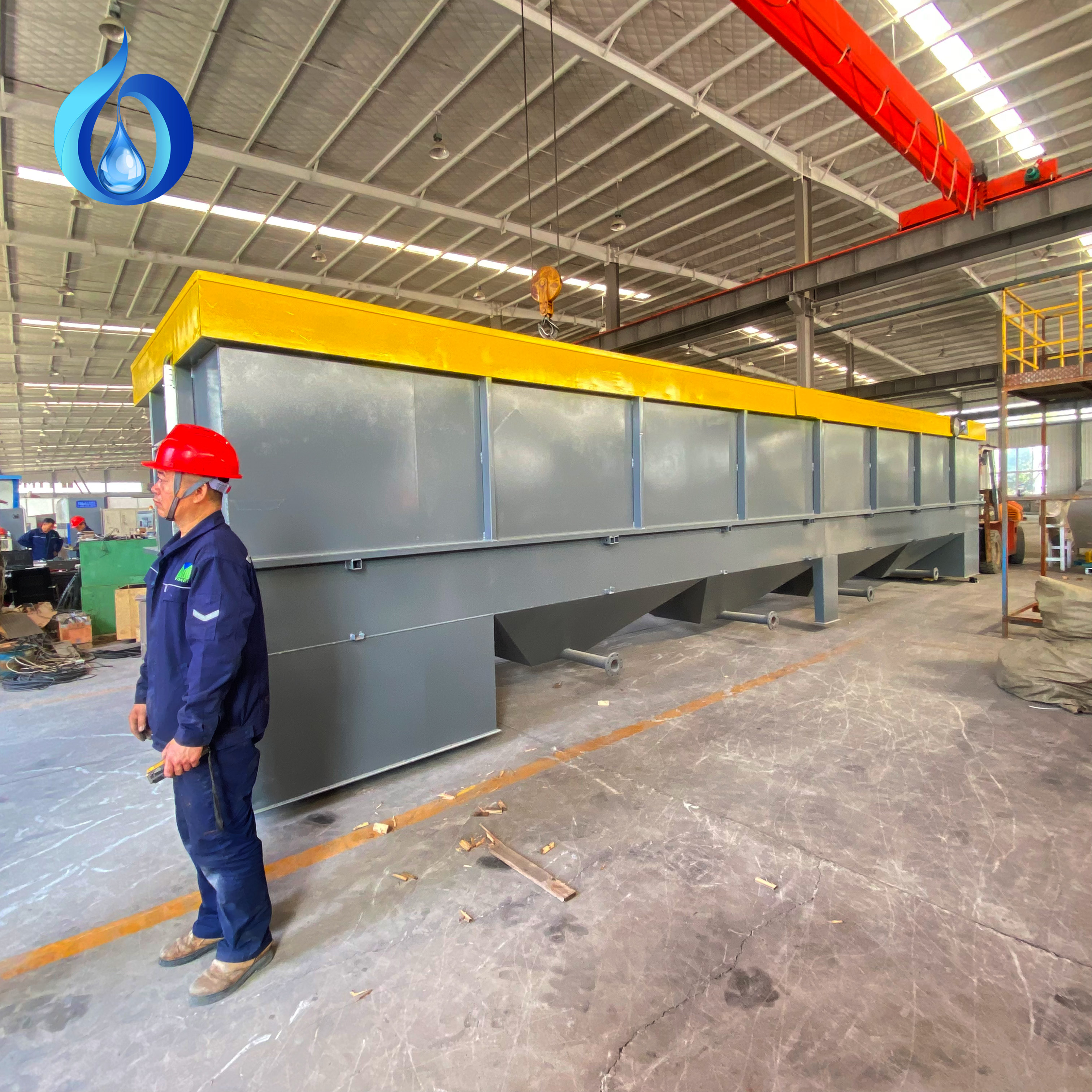
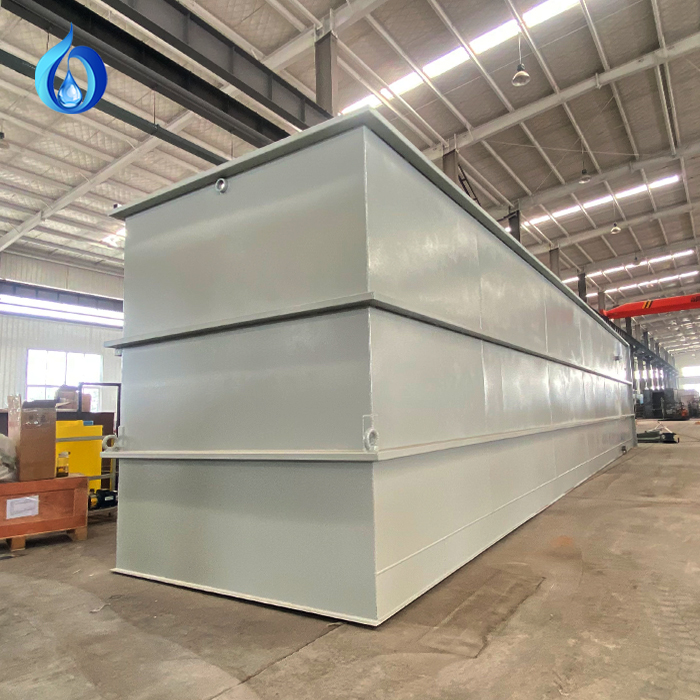
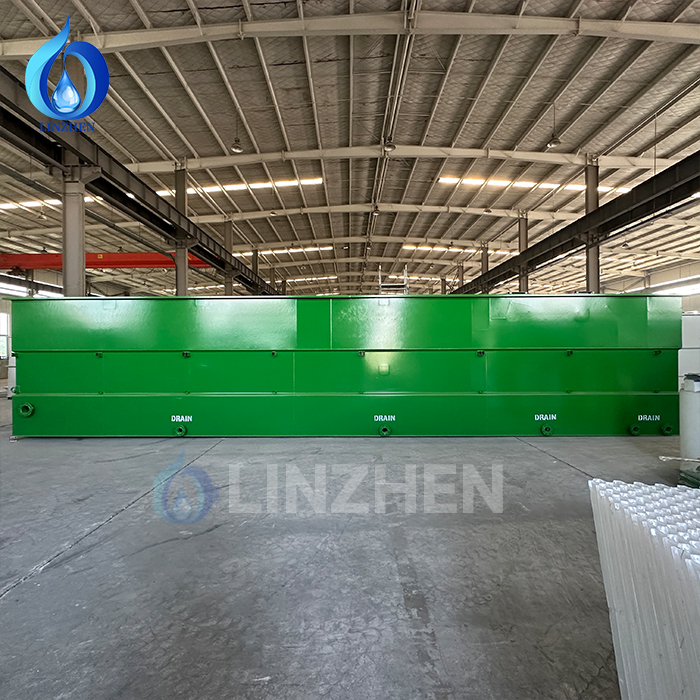
A sewage treatment plant must be engineered to manage not only average daily flows but also the peak flow conditions that occur during heavy rainfall, morning rush hours, or industrial discharge events. Understanding how a sewage treatment plant handles these critical periods is essential for municipal engineers, facility operators, and environmental planners seeking reliable wastewater management solutions. Peak flow events can overwhelm undersized systems, leading to treatment failures, overflow into natural water bodies, and environmental violations. This article explores the design principles, technical strategies, and operational approaches that enable a sewage treatment plant to maintain treatment effectiveness during periods of maximum inflow.
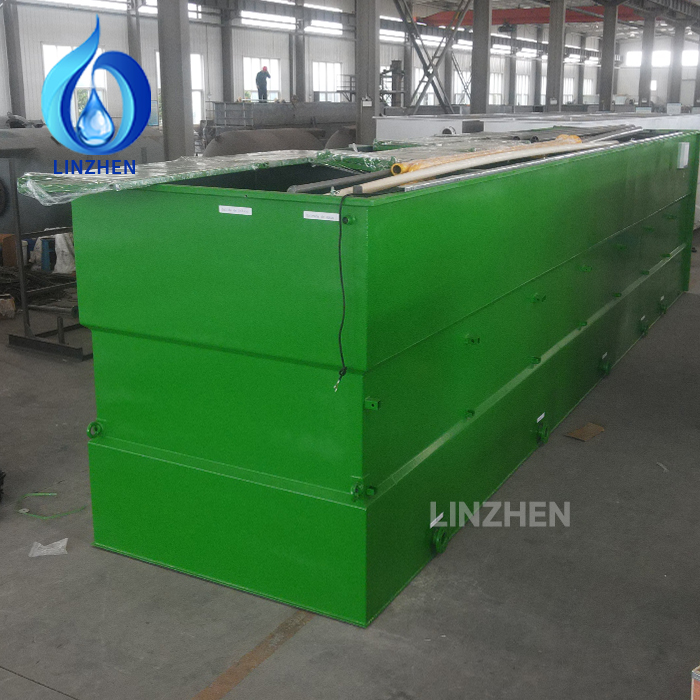
The design of a modern sewage treatment plant incorporates multiple safeguards to prevent system failure during peak inflow events. These safeguards include equalization basins, flexible treatment processes, and strategic operational protocols that allow the facility to process high volumes without compromising treatment quality or environmental compliance. The capacity of a sewage treatment plant is typically determined by both average design flow and peak design flow, with peak flow often reaching two to four times the average daily rate. Engineers must balance capital investment, land availability, and operational flexibility when sizing the treatment infrastructure to accommodate these variations.
Peak Flow Design Principles for Sewage Treatment Plant Infrastructure
Calculating Peak Flow Requirements
A sewage treatment plant designer must first establish the peak design flow rate based on historical rainfall patterns, population density, industrial contributions, and infiltration rates. This peak flow calculation determines the hydraulic capacity required of each treatment unit. Most design standards specify that a sewage treatment plant should handle peak flows at 1.5 to 4 times the average daily design flow, depending on the service area characteristics. In urban areas with separate storm and sanitary sewer systems, the sewage treatment plant peak flow is driven primarily by industrial discharge timing and diurnal variations in domestic use. In combined sewer systems, rainfall intensity becomes the dominant factor affecting peak inflow rates.
Sizing Treatment Units for Peak Conditions
Each unit within a sewage treatment plant must be sized to process the anticipated peak flow while maintaining adequate detention time and treatment performance. Preliminary treatment screening and grit removal processes are particularly critical because peak flows bring higher concentrations of suspended solids and debris. The biological treatment section of a sewage treatment plant, such as activated sludge or trickling filter systems, requires sufficient tank volume to dilute the peak inflow and maintain stable microbial populations. Secondary clarifiers must be sized not only for average hydraulic loading but also for the maximum solids loading that occurs during peak flow events, ensuring proper settling and prevention of solids washout.
Storage and Equalization Strategies Within Sewage Treatment Plant Design
Equalization Basins and Flow Balancing
Equalization basins serve as the primary mechanism for buffering peak flows before they enter the main treatment processes of a sewage treatment plant. These basins temporarily store excess inflow during peak periods and release it at a controlled rate during lower-flow periods, smoothing the load on downstream treatment units. A typical sewage treatment plant equalization basin is sized to hold between 4 and 8 hours of peak inflow, though this varies based on local rainfall patterns and system configuration. By dampening flow variability, equalization basins reduce the required size of biological reactors and clarifiers, making the overall sewage treatment plant more cost-effective while improving treatment stability. Mechanical mixers in equalization basins prevent solids settling and odor generation during extended retention periods.
Storage Capacity and Overflow Management
Beyond equalization storage, a sewage treatment plant often includes additional retention capacity in the form of overflow tanks or wet wells designed to temporarily hold excess flow beyond the facility's treatment capacity. These storage areas must be sized to capture the most extreme peak flow events without allowing untreated sewage to bypass treatment processes. In combined sewer systems, the sewage treatment plant may operate in conjunction with in-line storage pipes and detention basins located upstream in the collection network. The total storage capacity of a sewage treatment plant system is calculated to accommodate the volume difference between peak inflow and the facility's maximum sustainable treatment rate. During peak events, stored wastewater is gradually processed after inflows return to normal levels, ensuring complete treatment of all collected sewage.
Operational and Treatment Process Flexibility in Sewage Treatment Plant Management
Process Selection and Sequencing
The treatment process selected for a sewage treatment plant significantly influences how well the facility handles peak flows. Sequencing batch reactors and similar flexible technologies allow a sewage treatment plant operator to adjust detention time, aeration intensity, and settling cycles in response to incoming flow variations. Traditional continuous-flow activated sludge systems in a sewage treatment plant maintain consistent process conditions but require larger tank volumes to accommodate peak hydraulic loading. Many modern sewage treatment plant facilities employ a combination of rigid and flexible treatment units, directing peak inflows through high-capacity units while maintaining stable microbial populations in biological reactors. This adaptive strategy ensures that a sewage treatment plant maintains nitrification, denitrification, and effluent quality standards even as inflow rates vary by a factor of three or four.
Aeration and Mixing Adjustments
During peak flow periods, a sewage treatment plant operator must optimize aeration and mixing equipment to maintain dissolved oxygen levels and prevent short-circuiting through treatment tanks. Variable frequency drives on aeration blowers allow the sewage treatment plant to match oxygen supply to the instantaneous oxygen demand of the incoming wastewater. Baffle configurations within a sewage treatment plant basin can be adjusted or varied to improve flow distribution and increase effective retention time for a given peak inflow rate. Adequate mixing in clarifiers during peak loading ensures uniform settling conditions and prevents the formation of density currents that could carry solids into the treated effluent. Operators of a sewage treatment plant routinely monitor return activated sludge rates and waste sludge removal rates to maintain biomass concentration and treatment effectiveness throughout the diurnal cycle and during extreme peak events.
FAQ
What determines the peak flow design rate for a sewage treatment plant?
The peak design flow for a sewage treatment plant is determined by analyzing historical rainfall records, population density, industrial discharge patterns, and system infiltration rates specific to the service area. Engineers typically design a sewage treatment plant to handle peak flows 1.5 to 4 times the average daily design flow, depending on whether the system collects sanitary sewage alone or combines stormwater and sanitary flows. Regulatory standards and local design guidelines also specify minimum peak flow multipliers that a sewage treatment plant must accommodate to ensure environmental protection and system reliability.
How do equalization basins improve sewage treatment plant performance during peak flows?
Equalization basins buffer incoming peak flows by temporarily storing excess wastewater and releasing it at a steady rate, which smooths the load on all downstream treatment units within the sewage treatment plant. This flow balancing allows the biological treatment processes and clarifiers within a sewage treatment plant to operate at more stable hydraulic and organic loading rates, improving treatment efficiency and reducing the overall tank volume required. By preventing sudden load spikes, equalization basins enable a sewage treatment plant to maintain stable microbial populations and consistent effluent quality throughout peak flow events.
Can a sewage treatment plant maintain treatment quality during peak flow conditions?
Yes, a properly designed sewage treatment plant can maintain treatment quality during peak flow conditions through adequate equalization capacity, oversized biological reactors, flexible treatment processes, and responsive operational controls. The key is sizing all treatment units not for average flow but for peak hydraulic loading while preserving sufficient detention time and biomass stability. Modern sewage treatment plant designs that incorporate process flexibility, storage capacity, and skilled operator management can consistently achieve discharge standards and regulatory compliance even when inflows temporarily exceed average design rates by significant margins.
 EN
EN