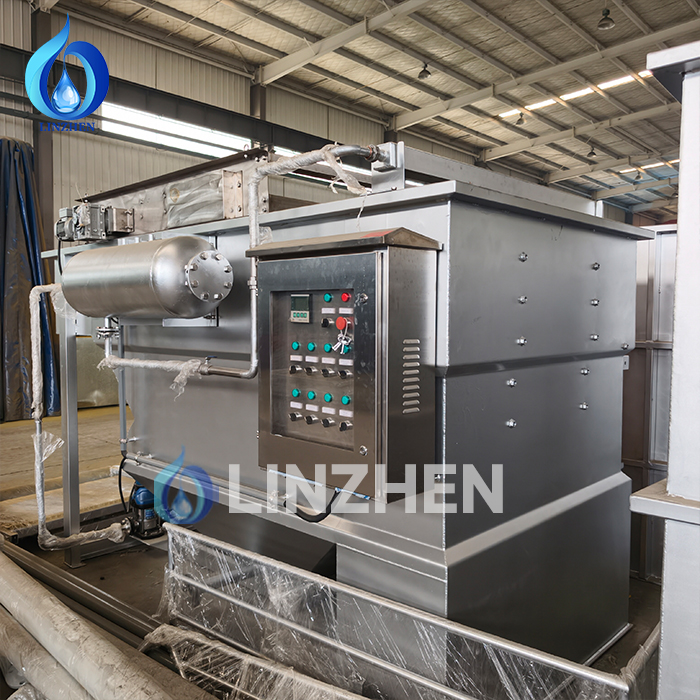
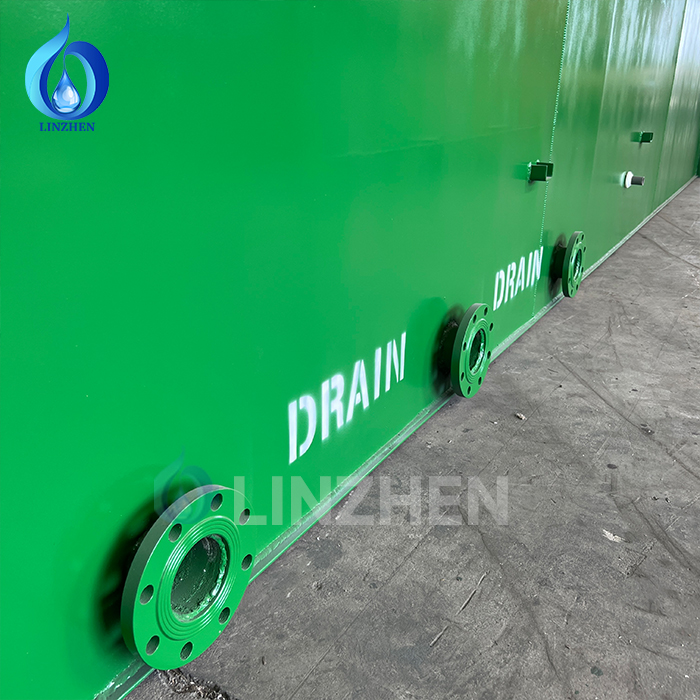
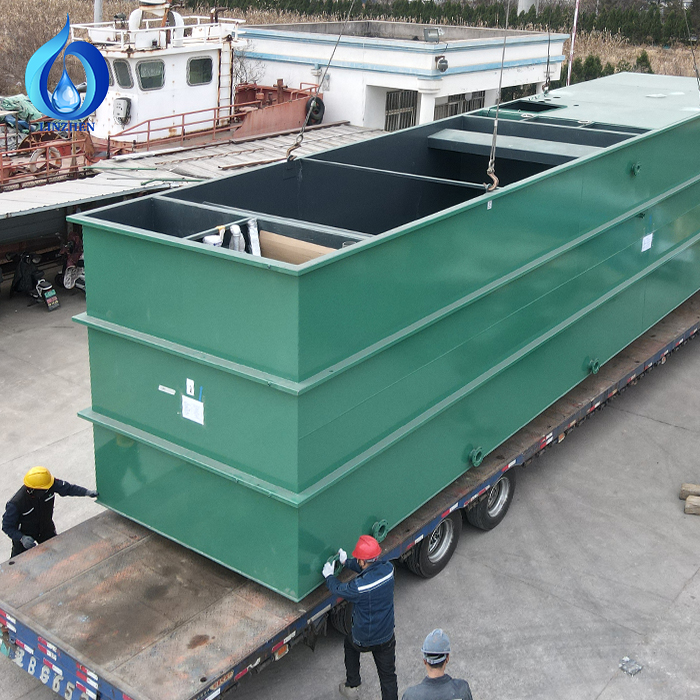
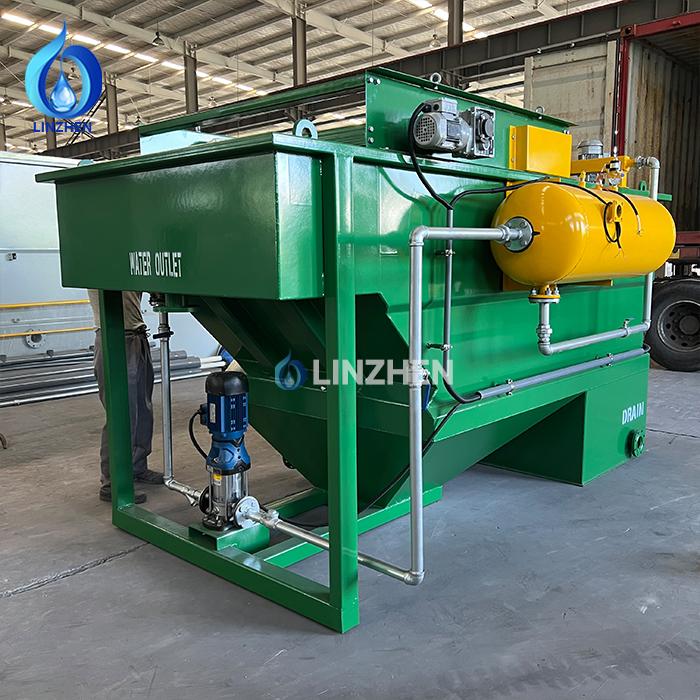
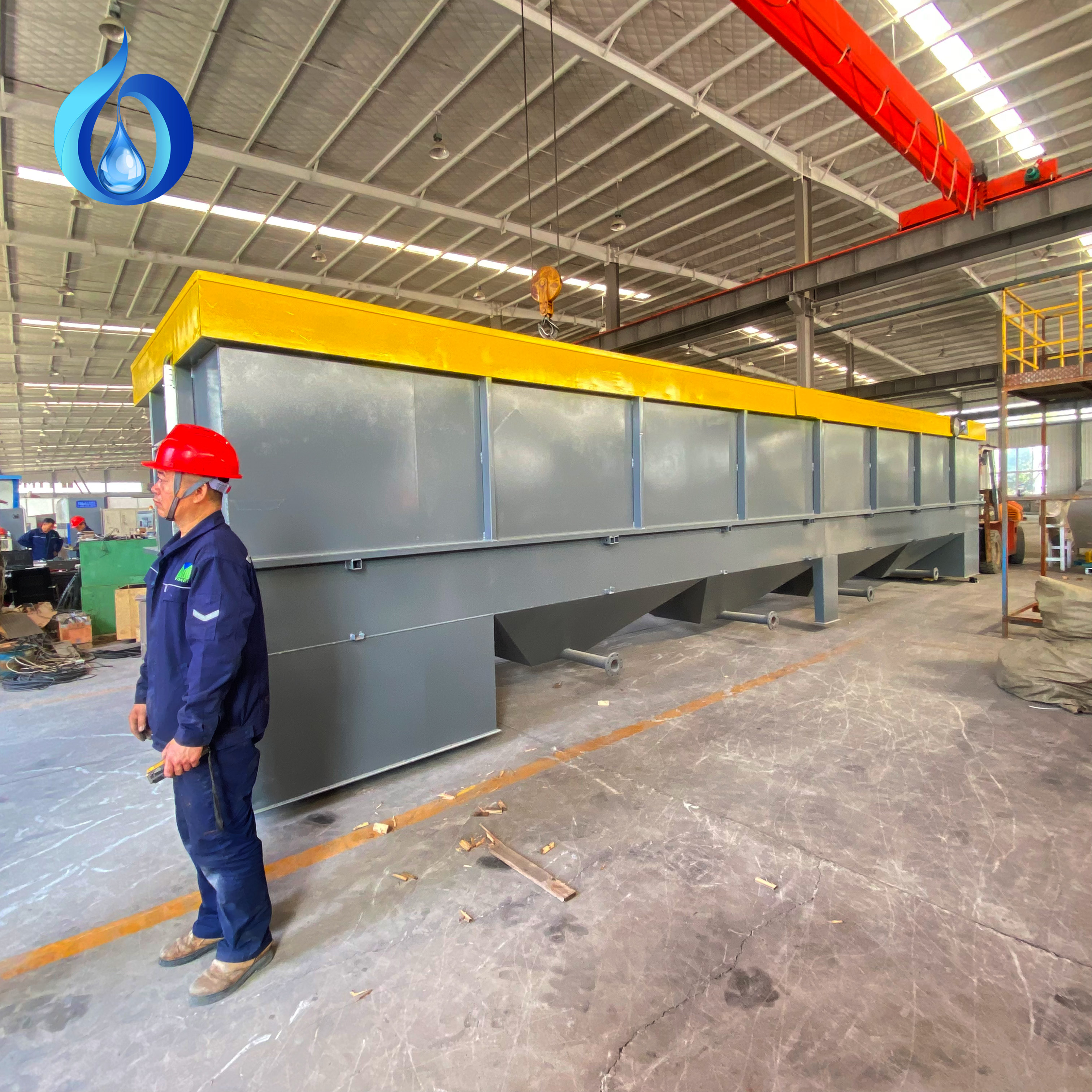
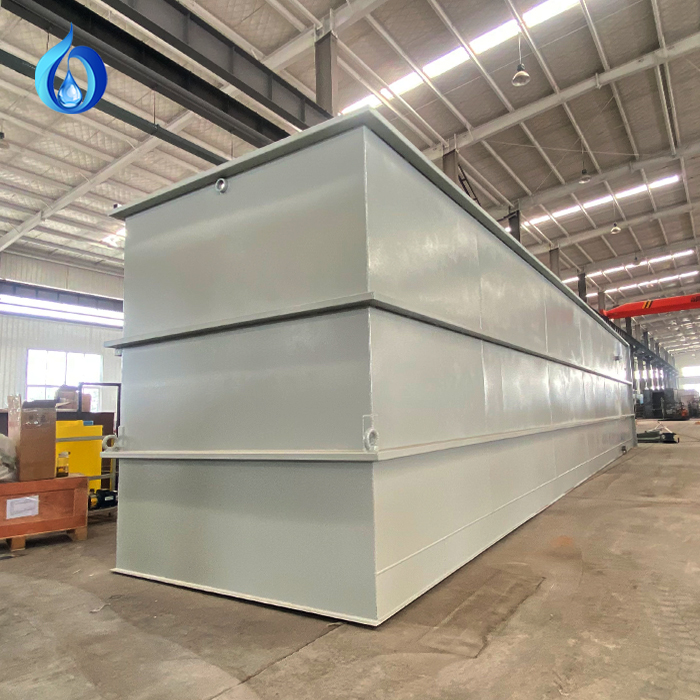
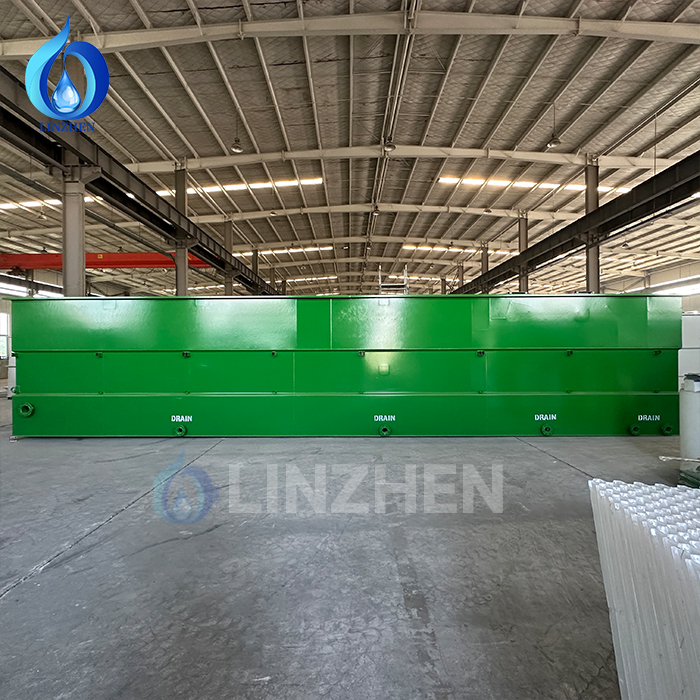
Managing heavy fats, oils, and grease (FOG) in commercial water effluent presents distinct engineering challenges, making proper sizing of a dissolved air flotation system critical for industrial facility operations. High-grease wastewater streams generated by food processing plants, slaughterhouses, dairy factories, and commercial kitchens contain heavy organic loads that require specialized high grease wastewater treatment equipment. Without adequate treatment, excessive grease causes severe pipe blockages, regulatory non-compliance, and costly downtime. Selecting and dimensioning the right dissolved air flotation system guarantees high-efficiency wastewater solids separation, protecting downstream biological units and ensuring adherence to municipal discharge limits.
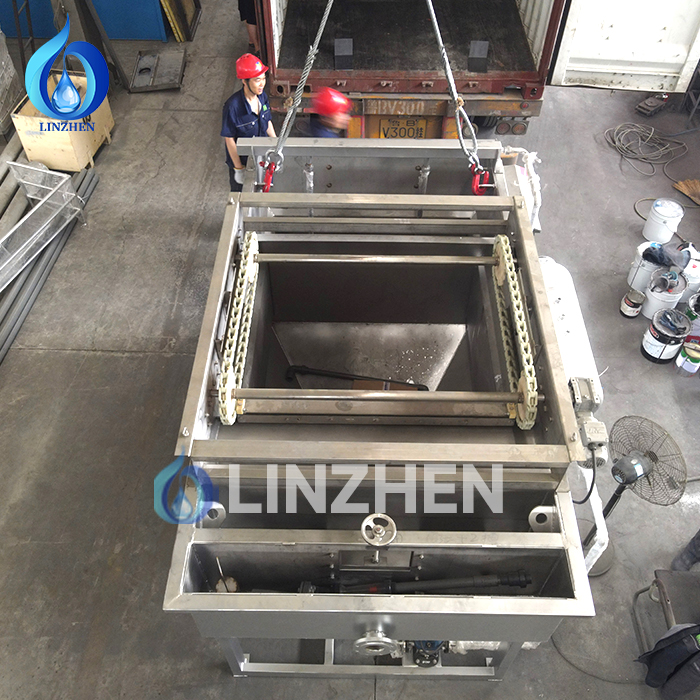
Engineers executing DAF system sizing must analyze specific hydraulic and organic mass parameters rather than relying on generic volumetric capacity ratings. Fats and oils have lower specific gravity than water, but emulsified grease requires micro-bubble attachment to achieve rapid wastewater solids separation. A correctly dimensioned dissolved air flotation system balances hydraulic detention time, micro-bubble generation rates, chemical coagulation pretreatment, and automated surface skimmer speed. Understanding these fundamental engineering metrics ensures that the installed dissolved air flotation system delivers reliable high grease wastewater treatment under peak organic loadings without performance degradation.
Hydraulic Loading and Surface Area Calculations
Determining Hydraulic Loading Rates for a Dissolved Air Flotation System
The primary step during DAF system sizing for a commercial dissolved air flotation system is establishing the maximum hourly hydraulic flow rate. Engineers measure flow in cubic meters per hour to calculate the required surface loading rate. For effective high grease wastewater treatment, the allowable hydraulic loading rate of a dissolved air flotation system typically ranges between 4 to 8 cubic meters per square meter per hour. Exceeding recommended hydraulic thresholds creates high horizontal fluid velocities that disturb floating grease blankets, compromising wastewater solids separation efficiency.
In addition to continuous hourly flow, peak surge volumes must be incorporated into the overall DAF system sizing process for the dissolved air flotation system. Food manufacturing operations often generate sudden washdown surges containing concentrated grease and hot cleaning chemicals. A well-designed dissolved air flotation system includes sufficient surface area and tank depth to absorb hydraulic spikes without reducing retention time. Ensuring adequate basin dimensions allows micro-bubbles generated within the dissolved air flotation system to attach effectively to floating lipid particles during high grease wastewater treatment operations.
Air-to-Solid Ratio and Recycle Stream Parameters
Optimizing the Air to Solid Ratio DAF in System Operations
Calculating the correct air to solid ratio DAF metric represents the mass of dissolved air introduced per unit mass of suspended solids and grease entering the unit. For heavy grease applications, a premium dissolved air flotation system demands a higher air to solid ratio DAF parameter—typically between 0.02 and 0.05 mg air per mg solid—compared to standard clarification units. An insufficient air to solid ratio DAF within a dissolved air flotation system results in incomplete bubble attachment, causing heavy grease masses to sink or remain suspended in the water column rather than achieving effective wastewater solids separation.
Micro-bubble delivery depends on the pressurized recycle water loop integrated within the dissolved air flotation system. A portion of clarified effluent is pressurized between 4 and 6 bar, saturated with atmospheric air, and injected back into the flotation inlet chamber. Proper DAF system sizing requires sizing the recycle pump rate—usually 20% to 50% of total influent flow—ensuring the dissolved air flotation system generates billions of 20-to-50 micron bubbles. This dense micro-bubble cloud provides the buoyant force necessary for the dissolved air flotation system to achieve rapid high grease wastewater treatment.
Chemical Pretreatment, Skimmer Sizing, and Sludge Management
Chemical Conditioning for High Grease Wastewater Treatment
Emulsified fats and oils cannot achieve complete wastewater solids separation through physical flotation alone; chemical conditioning is mandatory before entering the flotation zone. Integrating a pipe flocculator upstream of the dissolved air flotation system allows coagulants and polymers to break oil emulsions and bind colloidal grease particles into flocs. Coagulants neutralize negative surface charges, while coagulant aids form large pin-flocs that micro-bubbles can easily lift. Correct chemical dosing equipment directly impacts DAF system sizing, as well-flocculated grease floats significantly faster during high grease wastewater treatment.
Finally, mechanical sludge removal mechanisms must be correctly proportioned during DAF system sizing to handle sticky grease blankets. The surface skimmer mechanism on a high-grease dissolved air flotation system requires variable-speed drives to continuously scrape thickened scum into discharge hoppers without entraining excess free water. Furthermore, bottom-mounted sediment augers should be included in the dissolved air flotation system design to remove heavy grit that settles beneath the flotation zone. Selecting a fully automated dissolved air flotation system equipped with integrated sludge management components ensures reliable, long-term wastewater solids separation and high-performance high grease wastewater treatment.
FAQ
Why is the air to solid ratio DAF critical when sizing a dissolved air flotation system for grease removal?
The air to solid ratio DAF determines whether sufficient micro-bubbles are available to attach to dense grease particles. Maintaining an optimal air to solid ratio DAF ensures that the dissolved air flotation system achieves complete phase separation during high grease wastewater treatment.
How does chemical pretreatment affect DAF system sizing for grease removal?
Proper chemical dosing breaks oil emulsions and forms larger flocs, significantly increasing flotation velocity and improving wastewater solids separation. Effective chemical conditioning allows engineers to execute DAF system sizing with a smaller physical footprint for the dissolved air flotation system.
What recycle ratio is typical for a dissolved air flotation system handling high grease wastewater treatment?
Industrial high grease wastewater treatment generally utilizes a pressurized recycle ratio between 20% and 50%. This higher recycle stream guarantees that the dissolved air flotation system generates the dense cloud of micro-bubbles necessary for effective wastewater solids separation.
 EN
EN