Industrial manufacturing plants consume millions of gallons of freshwater annually, yet a vast portion of this volume is discharged directly down the drain after a single process cycle. Installing an advanced wastewater recycling system enables facility operators to capture, purify, and recirculate effluent that would otherwise be lost. By creating an internal water loop, a modern wastewater recycling system reduces municipal water purchases, curtails sewage surcharges, and shields production operations from increasing regional water scarcity risks.
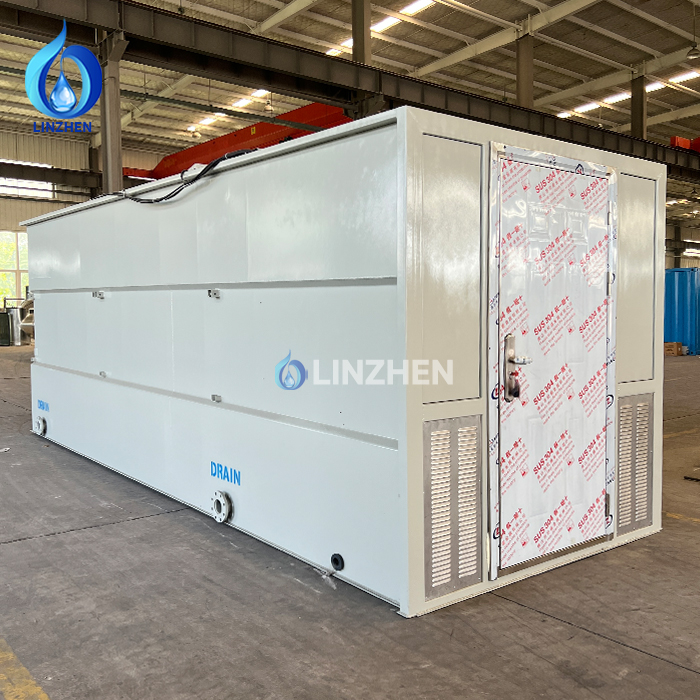
High utility expenses strain profit margins for chemical plants, food processing facilities, textile mills, and metal finishing shops. Implementing a dedicated wastewater recycling system transforms an operational waste burden into a continuous resource stream. By treating process discharge to precise quality standards, a tailored wastewater recycling system allows companies to achieve meaningful factory water bill reduction while simultaneously enhancing environmental ESG scores and regulatory standing.
Engineering Mechanisms Driving Water Intake Reduction
Treatment Technologies Within a Wastewater Recycling System
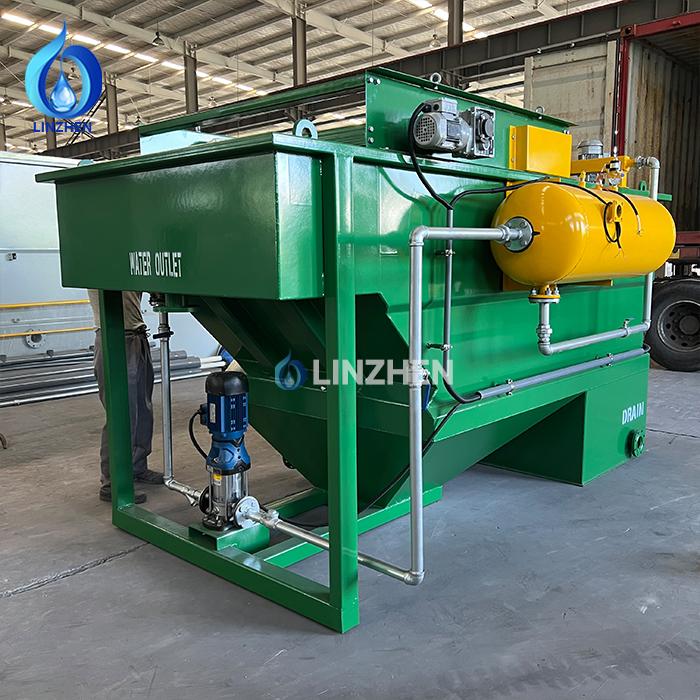
A high-performance wastewater recycling system relies on multi-barrier treatment trains designed to remove suspended solids, organics, dissolved salts, and pathogens. Initial mechanical screening removes grit, followed by biological reactors that digest dissolved contaminants. Next, media filters or ultrafiltration membranes strain micro-particles before reverse osmosis units remove dissolved minerals. A fully integrated wastewater recycling system may also employ ultraviolet disinfection or activated carbon polishing to supply high-purity water for cooling tower makeup or direct equipment washdown, delivering robust industrial water recycling capabilities.
The sophisticated design of a wastewater recycling system dictates its total recovery rate. Standard clarification setups yield basic non-process utility water, cutting total intake by 15 to 25 percent. Conversely, an advanced multi-stage wastewater recycling system utilizing high-recovery reverse osmosis can recycle up to 60 to 80 percent of total discharge. This aggressive water intake reduction maximizes water stewardship while providing consistent, high-quality water directly back into plant production lines.
Facility Infrastructure and Operational Integration
Successfully retrofitting a wastewater recycling system requires mapping internal flow rates, surge profiles, and contamination levels across different plant zones. Wastewater is collected from cooling loops, boiler blowdown, and equipment wash systems into equalization basins. The wastewater recycling system processes this combined stream continuously and transfers purified water into dedicated storage tanks. Specialized distribution piping then routes recycled stream flows back to targeted manufacturing operations, creating a closed-loop industrial wastewater reuse network.
Proper integration of a wastewater recycling system depends on aligning daily treatment schedules with peak factory water demands. Balancing storage capacity ensures that production lines never experience pressure drops during peak manufacturing hours. Many plant managers deploy a hybrid supply setup where the primary wastewater recycling system manages base demand, while fresh municipal supply serves as a secondary supplement during production spikes, balancing system efficiency with total operational reliability.
Financial Economics and Operating Expense Reduction
Quantifying Savings from a Wastewater Recycling System
The business case for a commercial wastewater recycling system rests on immediate utility bill reductions. A manufacturing plant using 1,000 cubic meters of daily municipal supply spends hundreds of thousands of dollars annually on procurement alone. Operating an automated wastewater recycling system that reclaims 40 to 60 percent of that volume yields massive annual savings on water procurement. Furthermore, because less effluent leaves the property, sewer discharge fees plummet, amplifying the financial impact of the wastewater recycling system investment.
Capital expenditure for a commercial wastewater recycling system is usually offset by rapid utility savings. Most heavy industrial projects achieve complete payback within 3 to 5 years. Over a standard 15 to 20-year service life, a durable wastewater recycling system delivers millions of dollars in cumulative savings, transforming wastewater management from a pure expense center into a high-return utility asset.
Secondary Financial Advantages
Beyond direct utility savings, an efficient wastewater recycling system reduces wear and tear on primary intake pumping and pretreatment assets. Decreased discharge volumes also lower the risk of exceeding local environmental permit thresholds, protecting plants from costly non-compliance fines. Furthermore, installing a state-of-the-art wastewater recycling system may qualify facilities for regional water conservation grants, tax credits, or reduced utility connection fees, improving overall project ROI.
Implementation Strategy and Long-Term Operation
Custom Sizing and Water Balance Audits
Developing a successful wastewater recycling system project begins with a comprehensive site water audit. Engineers evaluate seasonal discharge variations, chemical constituents, and physical space limitations. Customizing the wastewater recycling system to match a facility's exact contaminant profile prevents undersizing (which limits financial savings) or oversizing (which wastes capital expenditure).
Maintenance and Asset Sustainability
Routine maintenance is essential to sustain optimal recovery rates in any wastewater recycling system. Membrane elements require periodic chemical cleaning and eventual replacement every 3 to 5 years, while sensors and biological units require steady calibration. Partnering with experienced water treatment engineering specialists ensures your wastewater recycling system operates at peak performance, ensuring long-term factory water bill reduction and sustained environmental compliance throughout its operational lifetime.
FAQ
Which industrial sectors gain the most value from a wastewater recycling system?
High water-consuming sectors—such as food and beverage processing, textile dyeing, chemical synthesis, electroplating, and paper manufacturing—reap the highest financial rewards from a wastewater recycling system due to high baseline water tariffs and steep discharge surcharges.
What is the typical payback period for an industrial wastewater recycling system?
Most commercial wastewater recycling system projects pay for themselves within 3 to 5 years through combined freshwater supply savings and avoided municipal discharge penalties.
Can a modern wastewater recycling system handle high-toxicity industrial streams?
Yes. Advanced wastewater recycling system configurations integrate specialized chemical precipitation, oxidation, or membrane filtration stages tailored to isolate heavy metals, concentrated organics, or toxic compounds safely.
 EN
EN