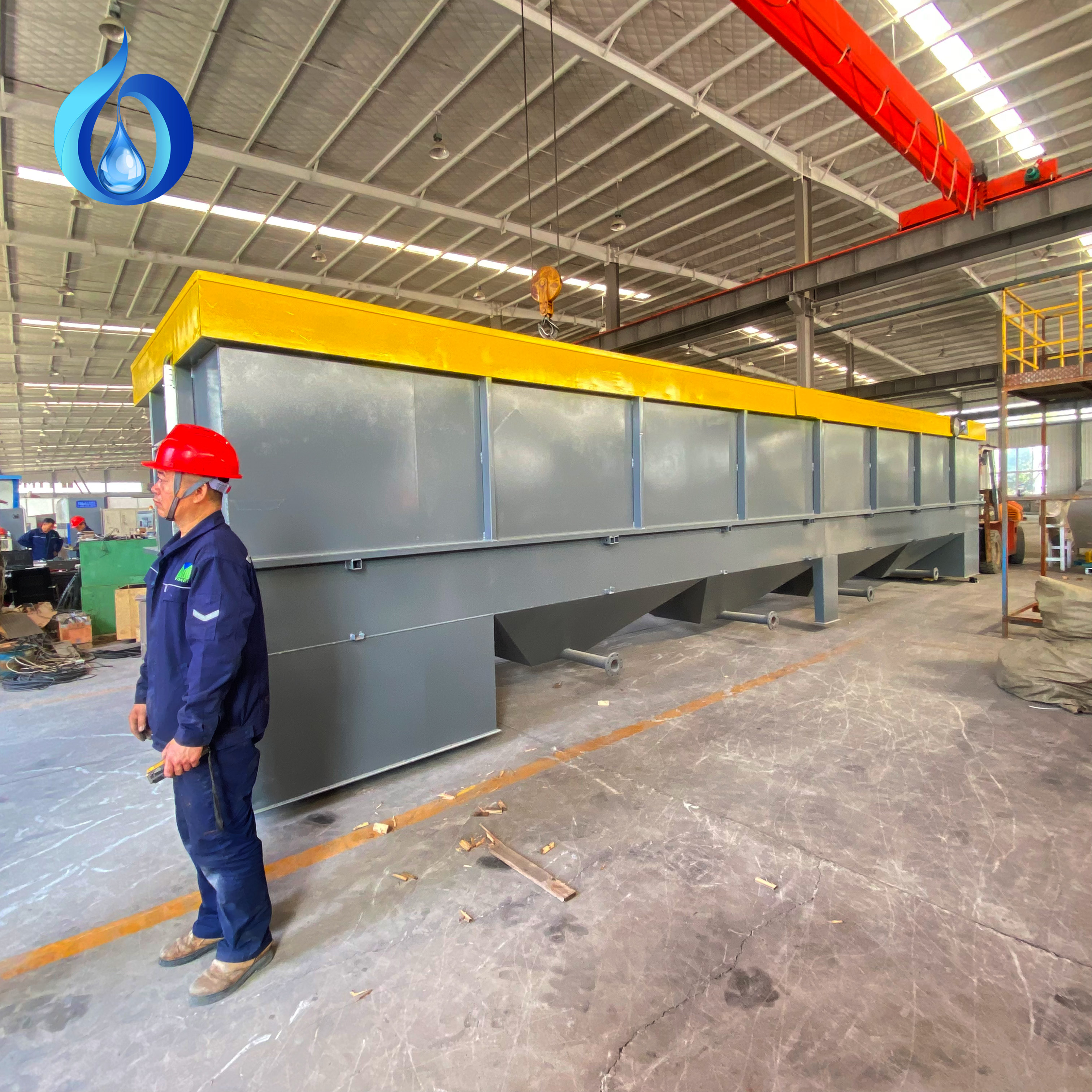
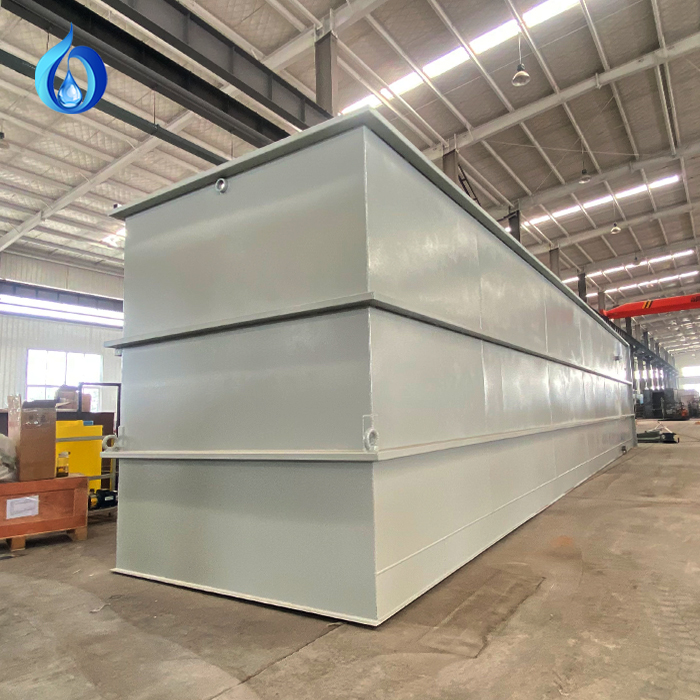
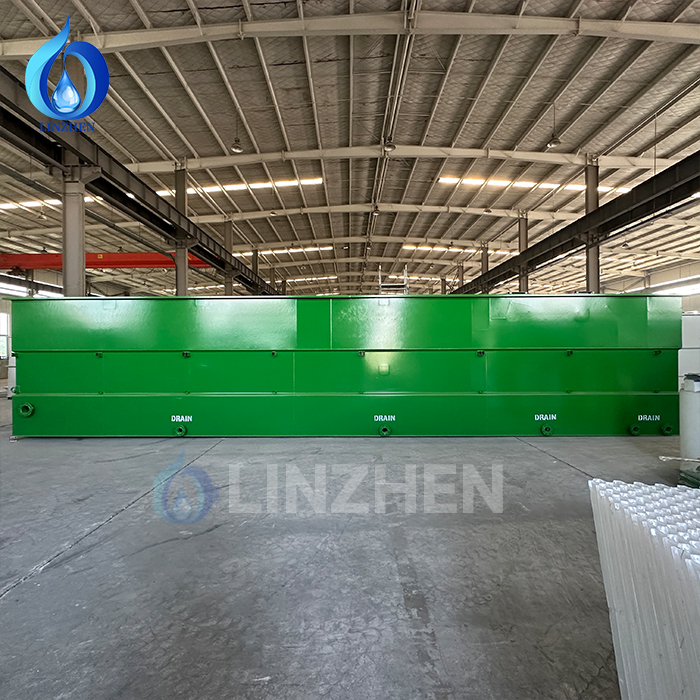
Modern industrial and municipal water management relies on multi-tiered purification strategies to transform raw sewage into environmentally safe effluent. A complex wastewater treatment plant executes a carefully integrated series of physical, biological, and chemical unit operations. Rather than relying on a single isolation technology, a high-efficiency wastewater treatment plant routes liquid streams through primary clarification, biological degradation, and advanced tertiary polishing. Understanding how each sequential phase feeds into the next allows process engineers and facility managers to eliminate operational bottlenecks, optimize chemical consumption, and maintain strict environmental permit compliance across variable influent flows.
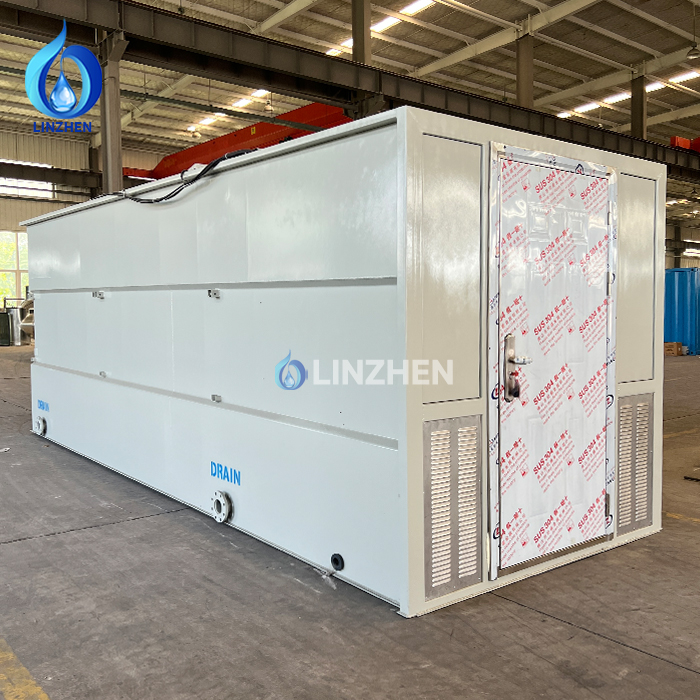
The seamless transition between process boundaries defines the overall reliability of a modern wastewater treatment plant. Every operational stage targets specific contaminant profiles—ranging from coarse floating debris and heavy inorganic grit to dissolved organic molecules and microscopic pathogens. When earlier separation stages perform effectively, downstream biological reactors and filtration membranes operate with higher stability and lower energy demand. Consequently, establishing clear operational linkages throughout the entire wastewater treatment plant protects sensitive downstream infrastructure, maximizes nutrient removal, and guarantees consistent water quality prior to final discharge or water reclamation.
Primary Clarification: Establishing Initial Physical Separation
Debris Extraction and Gravity Sedimentation
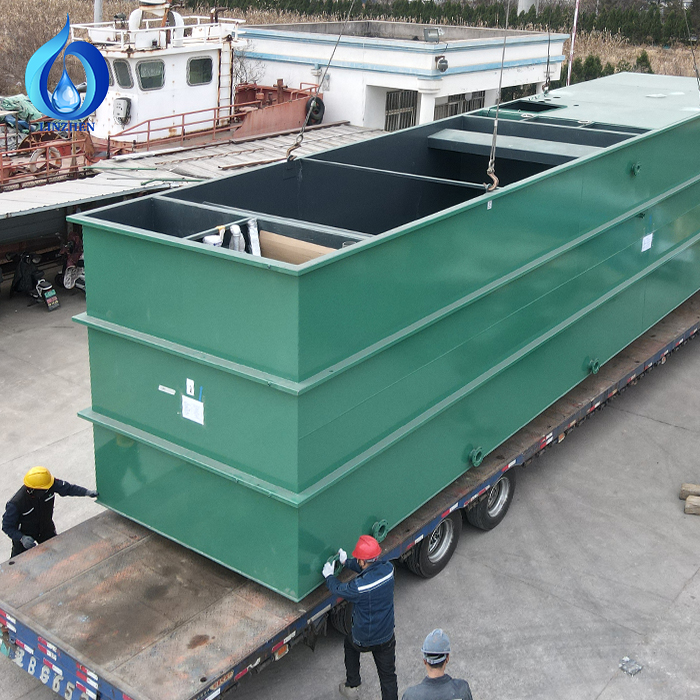
The entry point of any municipal wastewater treatment plant prioritizes physical protection for downstream mechanical equipment. Mechanical bar screens and grit channels remove large rags, plastic waste, gravel, and heavy inorganic sand. Removing these abrasive materials protects high-volume transfer pumps within the wastewater treatment plant from severe mechanical wear. Once coarse debris is removed, raw sewage enters primary settling basins where quiet hydraulic conditions allow heavy organic solids to sink to the tank floor, forming primary sludge that is continuously collected for solids processing.
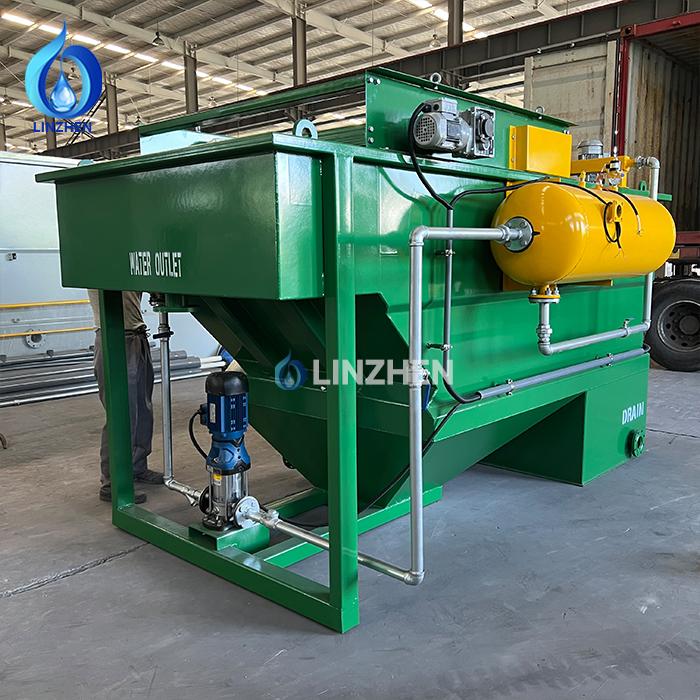
Gravity clarification in the primary stage removes a substantial fraction of total suspended solids and biochemical oxygen demand before the water flows forward. By lightening the organic mass load early, the wastewater treatment plant reduces the oxygen transfer demand required in subsequent biological aeration basins. Clarified primary effluent then overflows weir gates, flowing continuously toward secondary biological processing. Operating primary sedimentation effectively ensures that the biological zone of the wastewater treatment plant receives a predictable, manageable organic feed stream.
Secondary Processing: Microbe-Driven Biological Conversion
Aerobic Oxidation and Microbial Mass Separation
During secondary processing, the wastewater treatment plant utilizes specialized aerobic bacteria to consume dissolved organic pollutants and colloidal matter. In activated sludge tanks or attached-growth bioreactors, high-capacity blowers introduce dissolved oxygen to support active microbial respiration. Operators managing a wastewater treatment plant closely regulate dissolved oxygen concentrations, solids retention times, and food-to-microorganism ratios. These precise biological controls enable beneficial bacteria to convert complex dissolved carbon into carbon dioxide, harmless water molecules, and settling biomass flocs.
Following aerobic digestion, the liquid mixture moves into secondary clarifiers where newly created biomass flocs settle out of suspension. A continuous return activated sludge system pumps concentrated biomass back into the aeration basin, maintaining optimal bacterial counts within the wastewater treatment plant. Meanwhile, biological nutrient removal zones within the secondary process target nitrogen and phosphorus compounds through alternating anoxic and aerobic conditions. This critical biological transformation prevents harmful algae blooms in receiving rivers and marine ecosystems downstream from the wastewater treatment plant.
Tertiary Polishing: Final Refinement and Disinfection
Advanced Membrane Filtration and Pathogen Neutralization
To satisfy strict discharge permits or produce high-grade reclaimed water, a modern wastewater treatment plant incorporates advanced tertiary treatment modules. Secondary effluent passes through granular dual-media beds or ultrafiltration membranes to capture residual suspended particles and fine colloidal turbidity. By producing crystal-clear water, the tertiary stage of a wastewater treatment plant significantly enhances the effectiveness of subsequent chemical or physical disinfection processes, preventing particulate shielding of dangerous microorganisms.
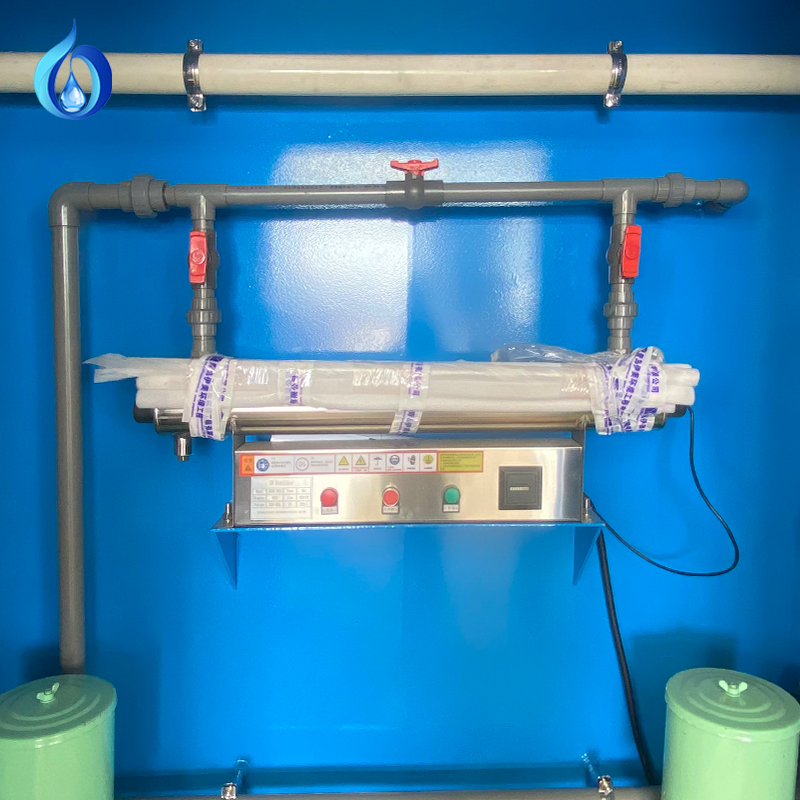
The concluding operational step in the tertiary suite involves neutralizing biological pathogens through chlorination, ozonation, or high-intensity ultraviolet irradiation. Disinfection ensures that the effluent discharging from the wastewater treatment plant poses no biological threat to public health or downstream aquatic life. In facilities equipped for industrial water reuse, advanced oxidation or reverse osmosis units may be added. Deploying full-spectrum tertiary technology transforms a conventional wastewater treatment plant into a sustainable water resource recovery facility capable of supporting municipal irrigation and industrial manufacturing cooling loops.
FAQ
Why must a wastewater treatment plant utilize sequential processing stages?
A multi-stage sequence prevents high concentrations of raw solids from overwhelming delicate biological reactors and membrane filtration systems. Dividing purification into primary, secondary, and tertiary steps enables a wastewater treatment plant to systematically remove physical, biological, and chemical contaminants with maximum energy efficiency and lowest operational cost.
How does sludge recycling connect secondary treatment back to earlier stages in a wastewater treatment plant?
Secondary clarifiers capture settled biomass and recycle a portion of it back into the biological aeration basin as return activated sludge. This internal recycle loop maintains active bacterial populations inside the wastewater treatment plant, ensuring continuous degradation of incoming organic loads.
Can a modern wastewater treatment plant maintain compliance without tertiary filtration?
While basic permits historically permitted secondary discharge, tightening environmental regulations make tertiary polishing necessary for most facilities today. Advanced filtration protects receiving watersheds from micro-pollutants and allows the wastewater treatment plant to produce high-quality recycled water for industrial applications.
 EN
EN