Municipal effluent handling and industrial stream management represent fundamentally distinct operational approaches within environmental engineering. While both protocols strive to protect environmental quality and public safety, the characteristics of domestic wastewater treatment derive from residential and municipal origins, whereas industrial facility systems address contamination from manufacturing, chemical processing, food production, and commercial enterprises. Distinguishing these operational boundaries is essential for facility managers, plant operators, and environmental specialists responsible for system selection and compliance strategies. Volumetric flow, contaminant concentration, regulatory stringency, and treatment objectives diverge considerably between these two categories, introducing distinct capital and technical considerations.
Selecting appropriate systems goes beyond basic technical specs. Decisive factors involve comprehensive analysis of raw influent variability, target removal efficiencies, operational overhead, and legal compliance structures. Applying standard municipal methods to hazardous industrial streams risks severe process failure, legal penalties, and environmental liability. This operational guide highlights the core technical and structural parameters where domestic wastewater treatment differs from specialized industrial processing systems.
Composition and Pollutant Load Profiles
Characteristics of Residential Effluent Streams
Standard domestic wastewater treatment targets contaminants generated by routine residential activities, including sanitary facilities, kitchens, laundries, and municipal connections. The raw influx contains human waste, fats, oils, greases, synthetic surfactants, and organic food particles. Biochemical oxygen demand (BOD) in domestic wastewater treatment ranges predictably between 150 mg/L and 300 mg/L, while chemical oxygen demand (COD) remains within 250 mg/L to 500 mg/L. Suspended solids generally stay between 100 mg/L and 350 mg/L. Because everyday residential water usage remains stable across populations, domestic wastewater treatment systems handle steady loading rates without sudden chemical shocks.
Industrial Contaminant Heterogeneity and Heavy Loads
Unlike predictable municipal flows, industrial wastewater processing must adapt to extreme variations across manufacturing sectors. A commercial dairy generates effluent entirely different from a metal plating plant or pharmaceutical facility, yet all require tailored industrial wastewater processing. Pollutant concentrations range widely: high-strength organic streams can exhibit BOD levels over 5,000 mg/L, while chemical facilities introduce toxic compounds, synthetic solvents, persistent organic pollutants, or dissolved heavy metals. Standardized domestic wastewater treatment configurations cannot process these erratic, highly concentrated compounds, requiring specialized pre-treatment and tailored technological lines.
Technology Architecture and Processing Mechanisms
Municipal and Domestic Treatment Protocols
Primary sedimentation and secondary biological digestion form the backbone of domestic wastewater treatment systems. Conventional municipal plants rely on activated sludge basins where aerobic bacteria digest organic matter under steady aeration. Facilities may also incorporate trickling filters, oxidation ditches, or membrane bioreactors (MBR) for biological nutrient removal. Tertiary domestic wastewater treatment typically utilizes media filtration, UV disinfection, or chlorination before final discharge. Because domestic wastewater treatment receives consistent organic ratios, biological cultures maintain steady metabolic activity without frequent operational disruption.
Specialized Industrial Processing Engineering
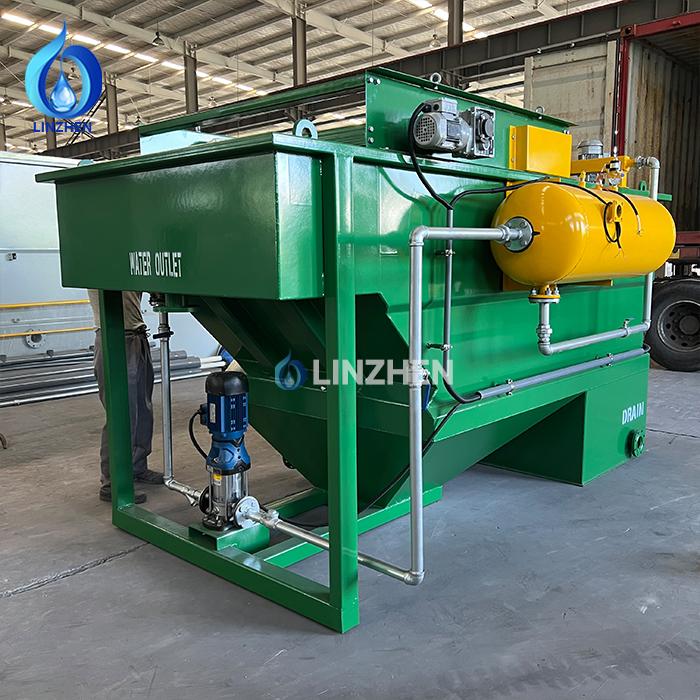
Due to complex pollutant dynamics, industrial wastewater processing relies on targeted physical, chemical, and advanced biological unit operations. Treatment designs frequently feature dissolved air flotation (DAF), chemical coagulation-flocculation, advanced oxidation processes (AOP), electrochemical precipitation, or granular activated carbon (GAC) adsorption. Anaerobic digestion is frequently prioritized for high-strength organic loads to maximize energy recovery. Pre-treatment steps like oil-water separation, solvent stripping, and automated pH neutralization protect downstream units from chemical shock. Robust industrial wastewater processing installations utilize automated sensor arrays and dynamic dosing systems to manage real-time fluctuations in incoming stream chemistry.
Regulatory Compliance Frameworks and Monitoring Requirements
Standardized Municipal Discharge Guidelines
Regulatory authorities govern domestic wastewater treatment through standardized discharge permits focusing on basic parameters: BOD, total suspended solids (TSS), total nitrogen, phosphorus, and microbial indicators like fecal coliforms. Discharge criteria for domestic wastewater treatment remain consistent across geographical regions, generally requiring an average of 85% removal efficiency for standard biological pollutants. Operating parameters follow routine schedules, making monitoring protocols predictable and uniform across municipal facilities.
Complex Industrial Discharge Mandates
Industrial wastewater processing operates under stringent, facility-specific legal frameworks tailored to specific production chemistries and hazardous effluent components. Discharge permits mandate strict concentration limits on trace heavy metals, toxic organic solvents, specific surfactants, and thermal discharge values. Industrial wastewater processing facilities often undergo continuous effluent monitoring, toxicological testing, pre-treatment validation, and zero liquid discharge (ZLD) mandates. Non-compliance risks severe operational shutdown, enforcing dynamic adjustments entirely absent from conventional domestic wastewater treatment routines.
Operational Oversight and Cost Structures
Operational staffing for domestic wastewater treatment centers on routine system maintenance, biological health monitoring, and standard regulatory reporting. Plant operators follow established procedures to manage regular hydraulic flows and biological sludge volumes. Conversely, managing industrial wastewater processing demands specialized chemical engineering background, process optimization capabilities, and toxicological risk management expertise. Industrial process operators must alter chemical dosing strategies, re-route flow paths, and respond to sudden manufacturing chemical spikes in real time.
From a financial perspective, standard domestic wastewater treatment installations benefit from off-the-shelf equipment and predictable maintenance schedules, keeping lifecycle operational costs stable. Industrial wastewater processing demands significantly higher capital expenditure due to specialized corrosion-resistant materials, custom engineering design, advanced automation, and complex filtration media. Operational expenses for industrial wastewater processing fluctuate based on production schedules, chemical consumption rates, and hazardous sludge disposal fees—creating financial dynamics distinct from municipal domestic wastewater treatment utility operations.
FAQ
Can standard domestic wastewater treatment plants process industrial effluent?
No, standard domestic wastewater treatment facilities cannot safely process untreated industrial streams. High toxicity levels, extreme pH values, heavy metals, and sudden chemical surges degrade biological sludge communities, resulting in system failures and severe environmental permit violations. Facilities producing non-domestic waste must install dedicated industrial wastewater processing systems engineered for their specific chemical profile.
What are the key cost differences between industrial wastewater processing and domestic wastewater treatment?
Industrial wastewater processing typically incurs substantially higher capital and operational expenditures per volume unit treated than domestic wastewater treatment. Factors driving high industrial processing costs include specialized materials, advanced chemical reagents, high energy consumption, specialized technical oversight, and hazardous waste disposal requirements.
Why does industrial wastewater processing require real-time chemical monitoring?
Industrial production shifts, equipment clean-outs, and batch variations cause sudden spikes in pH, toxicity, and chemical concentrations. Real-time monitoring allows industrial wastewater processing automation to adjust chemical dosing immediately, preventing process upsets and ensuring continuous regulatory compliance.
 EN
EN