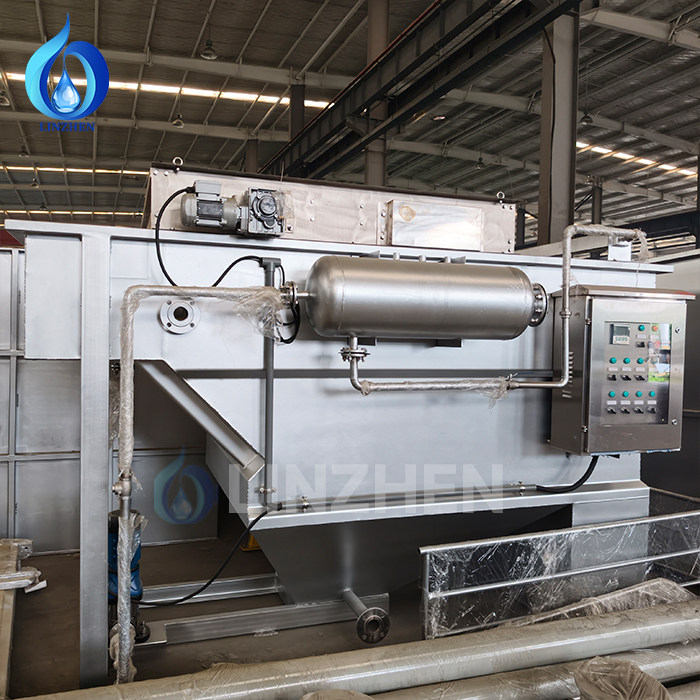
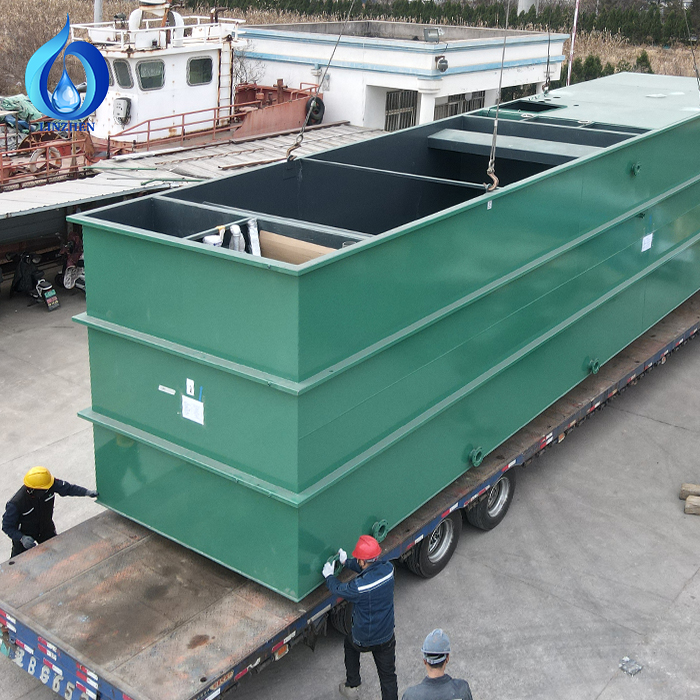
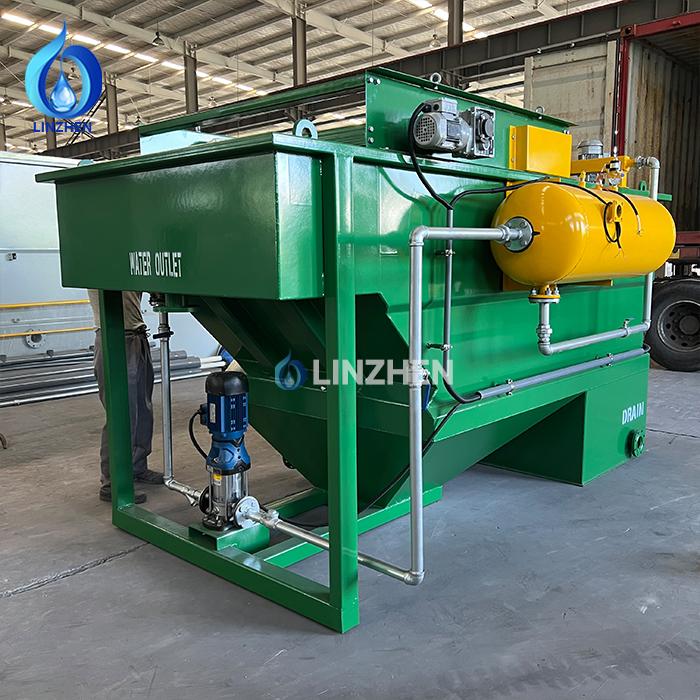
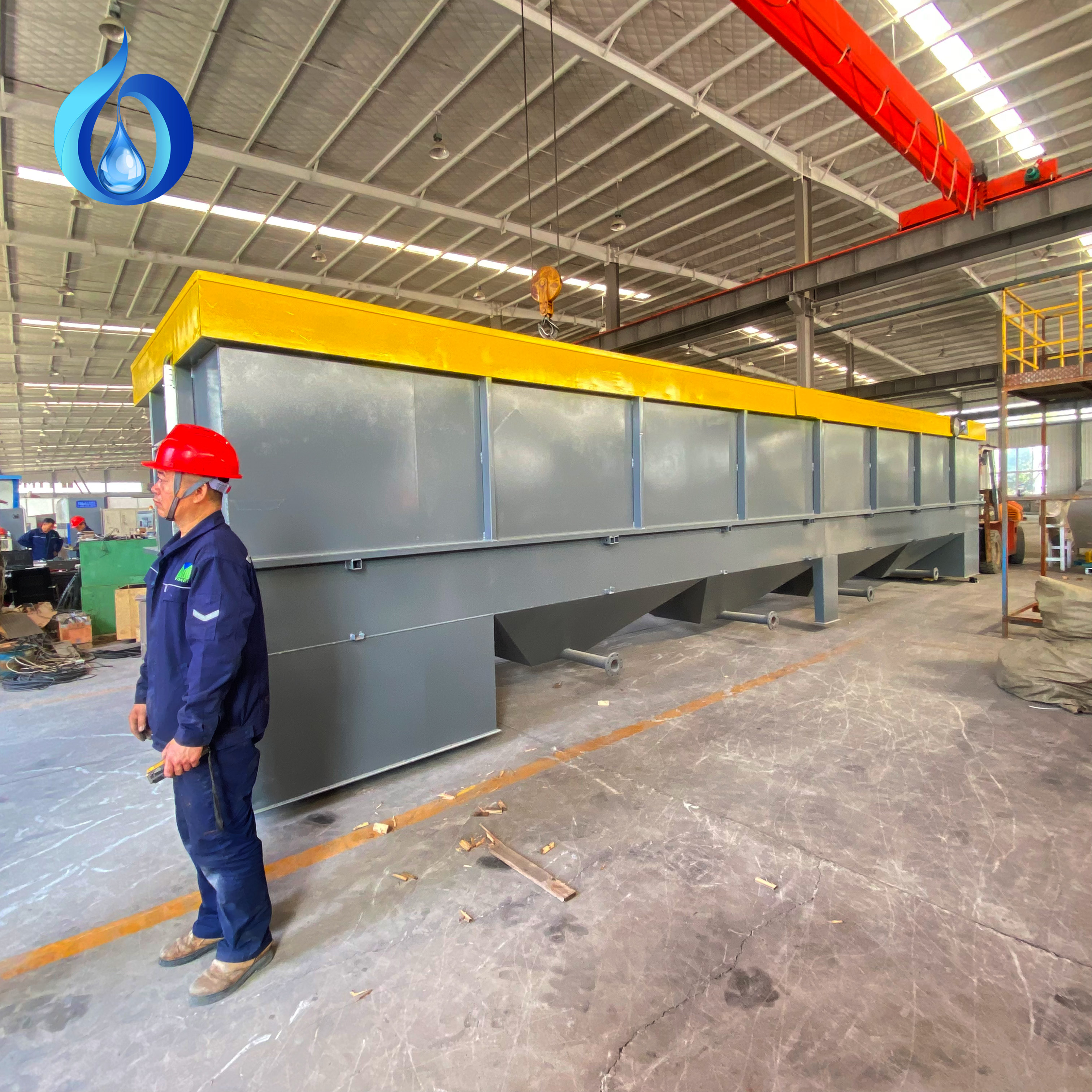
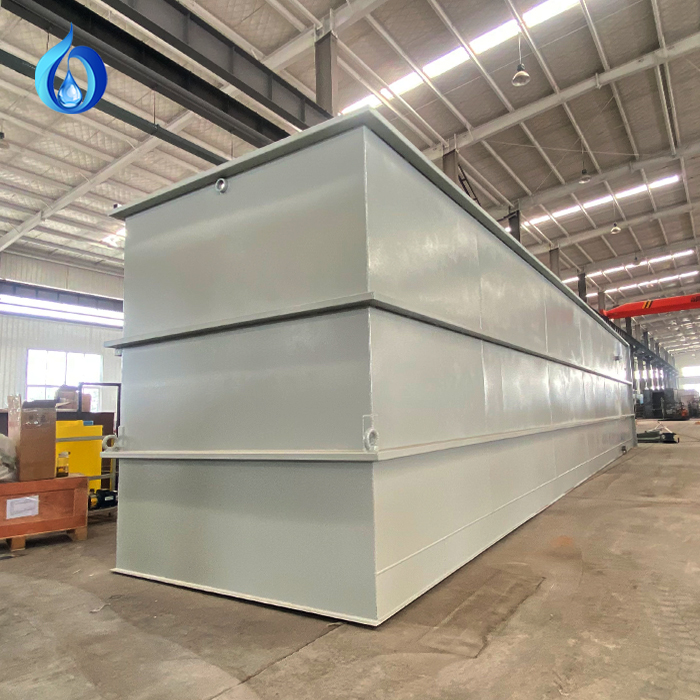
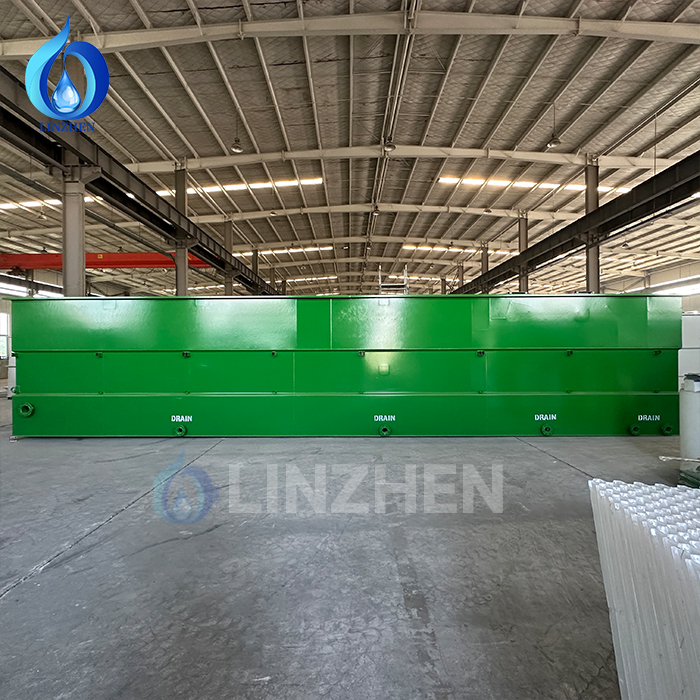
Industrial wastewater clarification relies heavily on density-driven physical separation, where a modern dissolved air flotation system offers unmatched efficiency. By generating millions of micro-bubbles, a dissolved air flotation system attaches buoyant air envelopes to low-density solids, oils, and greases, causing them to float rapid to the surface for skimming. To fully capitalize on this mechanical process, plant engineers and system designers must understand the physics of gas-liquid saturation, pressure drop dynamics, and the precise variables that govern micro-bubble formation inside an industrial dissolved air flotation system.
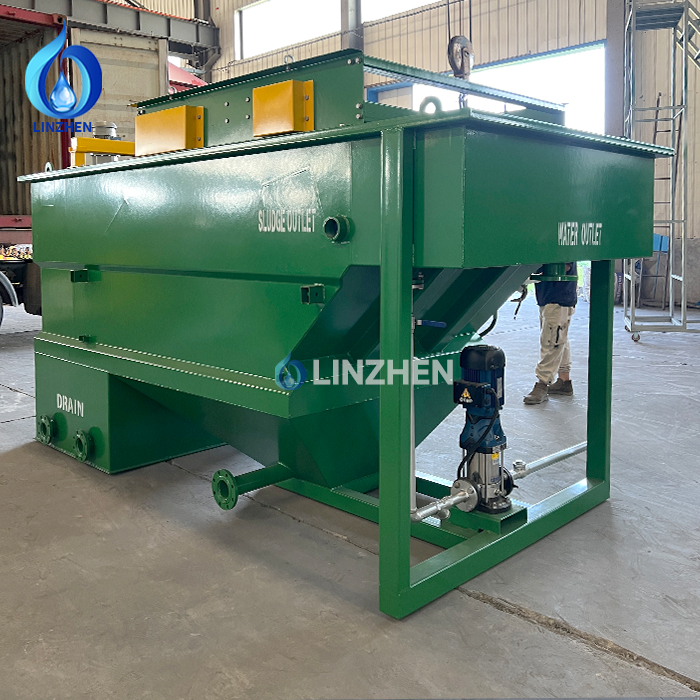
Unlike conventional coarse-air diffusers that rely on mechanical turbulence, a high-performance dissolved air flotation system operates under thermodynamic equilibrium principles. Water is supersaturated with atmospheric air under high pressure and subsequently released through specialized nozzles into an ambient flotation tank. This sudden pressure release triggers instantaneous gas cavitation, producing ultra-fine bubbles measuring between 20 and 100 micrometers. These micro-scale bubbles are the foundation of effective particle-bubble collision, providing stable lift without shearing delicate chemical flocs.
The Physics of Gas Dissolution in a Dissolved Air Flotation System
High-Pressure Air Saturation Mechanics
According to Henry's Law, the solubility of air in a liquid is directly proportional to the partial pressure of that gas above the liquid. A specialized dissolved air flotation system utilizes this law by pressurizing a recycle stream—typically 5% to 15% of the total treated effluent—to levels between 4.5 and 7 bar. Inside a dedicated pressure vessel (the air saturation tube), air and recycled water are blended under turbulent conditions to maximize the liquid-gas interface area and rapidly push the solution toward 90% or higher saturation capacity.
Several internal configurations govern saturation performance within a dissolved air flotation system. Some designs use packed bed columns filled with high-surface-area plastic media, while others feature high-shear multi-stage regenerative pumps or specialized venturi injectors. Regardless of the configuration, the goal of the dissolved air flotation system is to dissolve maximum air mass into the liquid phase without creating oversized free-air pockets that cause hydraulic turbulence in downstream equipment.
Recycle Flow Integration and System Sizing
Rather than subjecting raw, unconditioned wastewater to high pressure, an optimized dissolved air flotation system pressurizes a clean recycle stream. This design prevents internal clogging of high-pressure pumps and pressure-release valves from large suspended solids. The pressurized stream then recombines with incoming influent treated with coagulants or flocculants. This strategic recycle arrangement allows a compact dissolved air flotation system footprint while maintaining consistent volumetric loading rates.
Pressure Release Mechanisms and Micro-Bubble Nucleation
Controlled Cavitation and Nozzle Dynamics
The conversion of dissolved gas into microscopic physical bubbles occurs across the pressure release assembly of a dissolved air flotation system. As the pressurized liquid passes through custom-engineered pressure release valves or orifice nozzles, the pressure drops almost instantaneously to atmospheric level. This thermodynamic drop creates localized supersaturation, forcing dissolved nitrogen and oxygen molecules to condense around microscopic nucleation sites within the liquid matrix.
The design of these release nozzles dictates micro-bubble quality within the dissolved air flotation system. Precision-machined stainless steel nozzles control fluid velocity and energy dissipation to prevent bubble coalescence. If the velocity drop is too harsh, bubbles merge into large voids that disturb the flotation blanket; if too slow, air comes out of solution prematurely inside the piping network, severely diminishing the dissolved air flotation system efficiency.
Particle Collision, Attachment, and Rise Rates
Once formed, micro-bubbles generated by a dissolved air flotation system interact with suspended solids through three primary mechanisms: direct entrapment within a growing floc, physical adhesion to hydrophobic surfaces, and absorption into complex sludge matrices. Because 20–100 micron bubbles match the physical dimensions of standard chemical flocs, they yield high collision frequency without breaking up the delicate agglomerates formed by polymers.
The resulting particle-bubble complex exhibits a low effective density, accelerating its vertical rise rate according to Stokes' Law. A well-balanced dissolved air flotation system achieves steady float speeds between 2 and 6 meters per hour, creating a dense, concentrated sludge blanket on the water surface. This uniform flotation process leaves a crystal-clear underflow stream ready for discharge or tertiary filtration.
Operational Control Parameters for Optimum Bubble Yield
Optimizing Air-to-Solids (A/S) Ratios
The fundamental design metric for any dissolved air flotation system is the Air-to-Solids (A/S) ratio, expressed as the mass ratio of dissolved air provided per mass of influent suspended solids. Typical target A/S ratios range from 0.005 to 0.060 depending on contaminant characteristics. Operating a dissolved air flotation system below the minimum threshold results in incomplete flotation and heavy solids escaping into the clear effluent stream, whereas excessive air wastes electrical energy and can disturb surface sludge stability.
Facilities using an automated dissolved air flotation system adjust saturation pressures and recycle pumping rates based on continuous inline turbidity and flow measurements. Controlling these inputs ensures stable bubble distribution under fluctuating influent solids concentrations, protecting the plant against sudden hydraulic or biological shock loads.
Impact of Temperature, Surfactants, and Water Chemistry
Water chemistry directly influences micro-bubble behavior inside the flotation chamber of a dissolved air flotation system. Cold water holds more dissolved air than warm water but possesses higher viscosity, which slightly reduces the rise velocity of micro-bubbles. Conversely, elevated water temperatures lower gas solubility, requiring higher operating pressures within the dissolved air flotation system saturation loop to yield equivalent bubble volumes.
Additionally, industrial surfactants and organic detergents lower interfacial tension, altering bubble diameter and attachment stability. An experienced dissolved air flotation system specialist adjusts coagulant dosage, polymer selection, and hydraulic retention time to compensate for chemical surfactants, ensuring micro-bubbles remain stable and effective throughout the separation tank.
FAQ
How small are the bubbles produced by a dissolved air flotation system?
A precision-engineered dissolved air flotation system produces micro-bubbles ranging from 20 to 100 micrometers in diameter. These bubbles are significantly smaller than the 1 to 3 millimeter bubbles generated by standard diffused air aeration systems. Their reduced diameter provides an exponentially higher surface area-to-volume ratio, enabling superior contact efficiency and attachment to lightweight suspended solids and free oils.
What factors affect bubble size in a dissolved air flotation system?
Bubble size distribution inside a dissolved air flotation system is governed by the differential pressure across the release valve, saturation efficiency, temperature, and nozzle geometry. Higher pressure differentials generally yield finer bubbles upon release, provided the energy is dissipated smoothly without shear-induced coalescence. Chemical factors such as salinity, pH, and the presence of surface-active agents (surfactants) also impact surface tension and bubble stability.
Why is bubble size important for a dissolved air flotation system's performance?
Micro-bubble size is directly linked to hydraulic flotation efficiency and clarity performance in a dissolved air flotation system. Small bubbles generate gentle, stable buoyant forces that do not shatter delicate chemical flocs. Additionally, fine bubbles ascend at controlled velocities, allowing uniform float blanket formation on the surface and preventing hydrodynamic turbulence that can carry solids back down into the clean water output.
 EN
EN