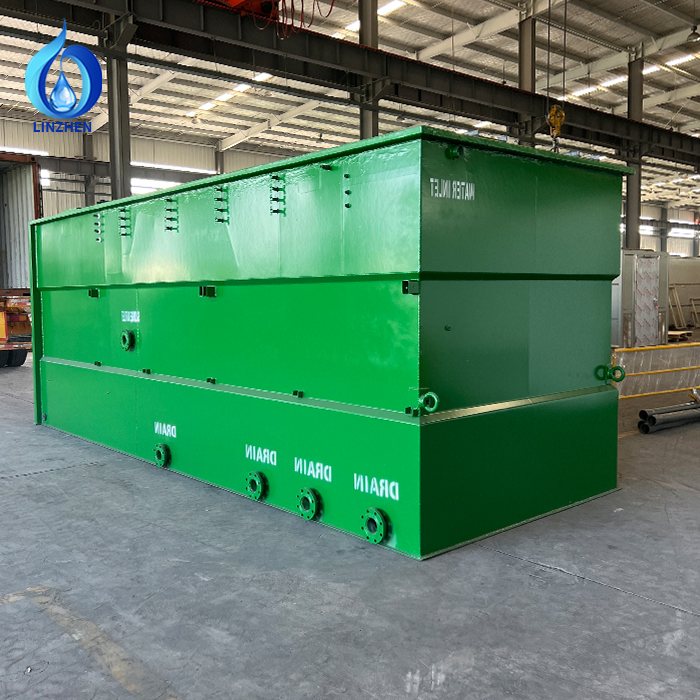
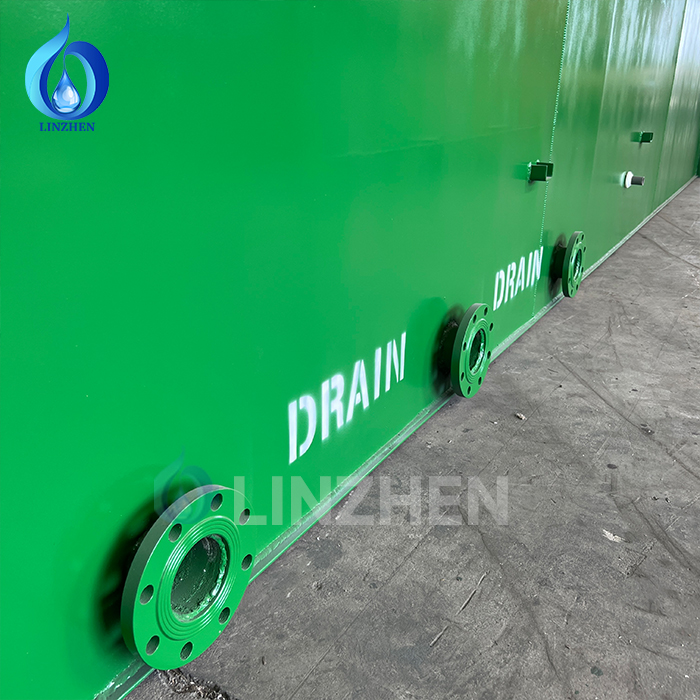
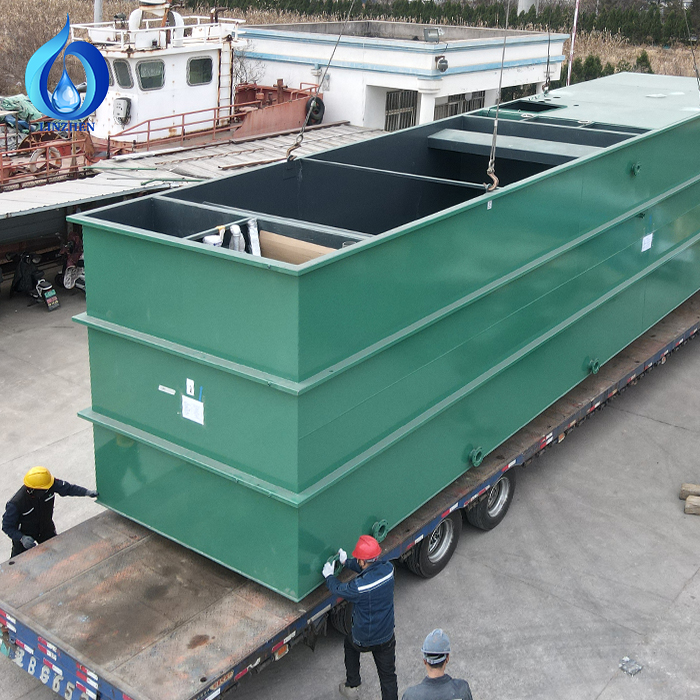
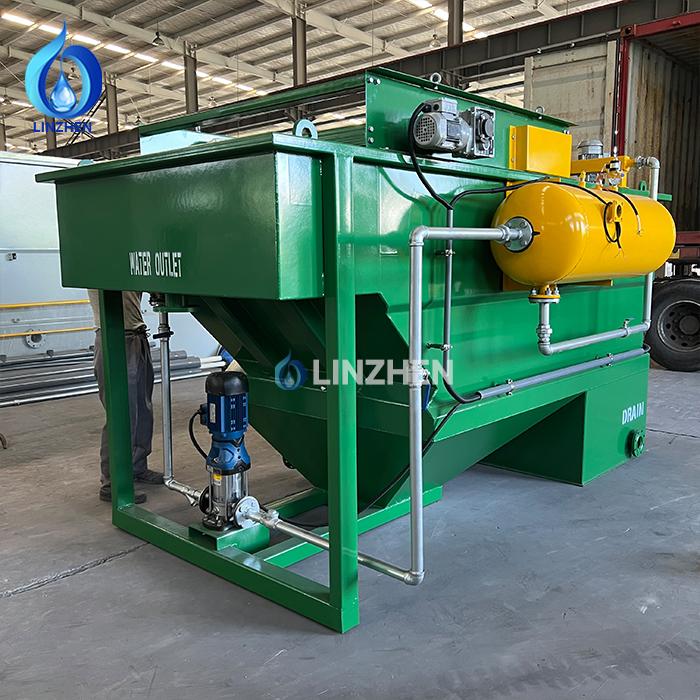
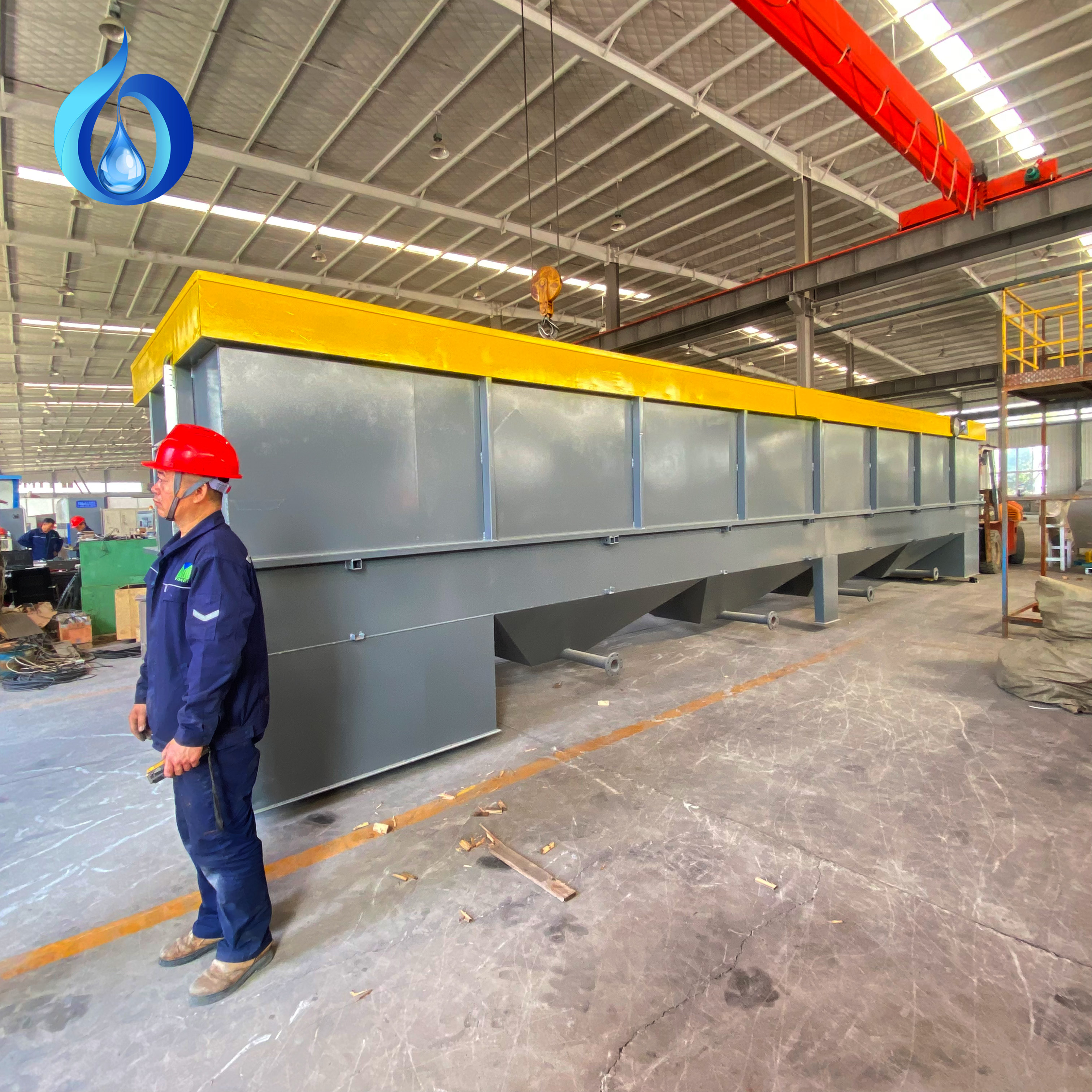
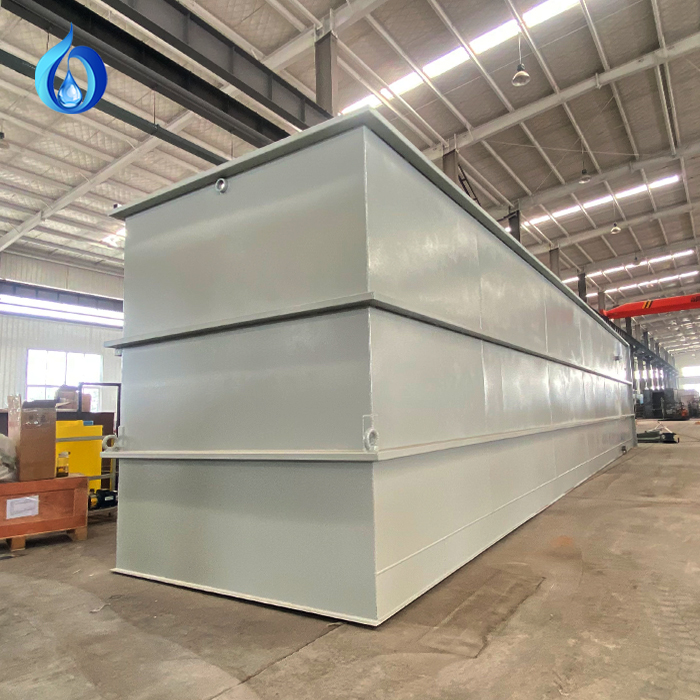
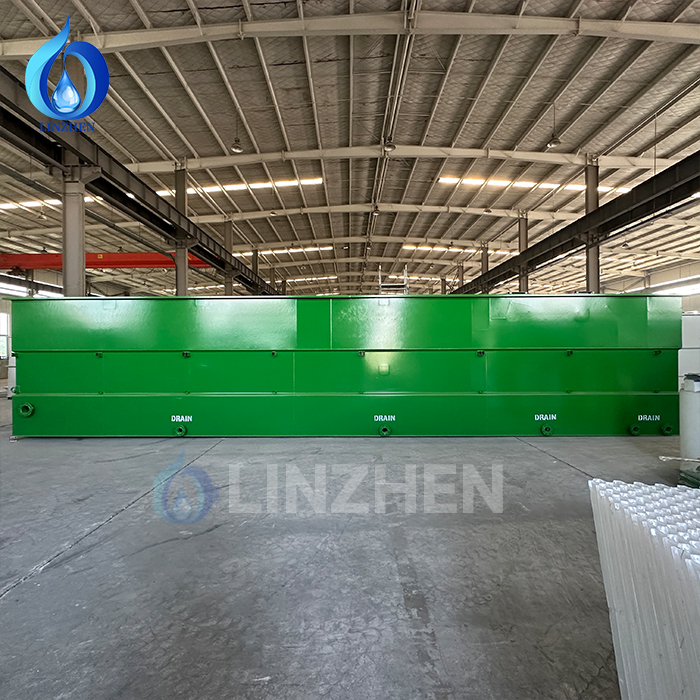
Modern manufacturing operations mandate highly efficient primary clarification processes. Implementing a dissolved air flotation unit provides a reliable mechanism for rapid suspended solids removal across challenging municipal and industrial waste streams. This advanced physical-chemical wastewater treatment technology relies on microbubble buoyancy rather than slow gravimetric settling. By injecting microscopic air bubbles directly into conditioned water, a high-capacity DAF system lifts light organics, oils, and colloidal matter to the surface for automated extraction, ensuring stable performance across demanding operational environments.
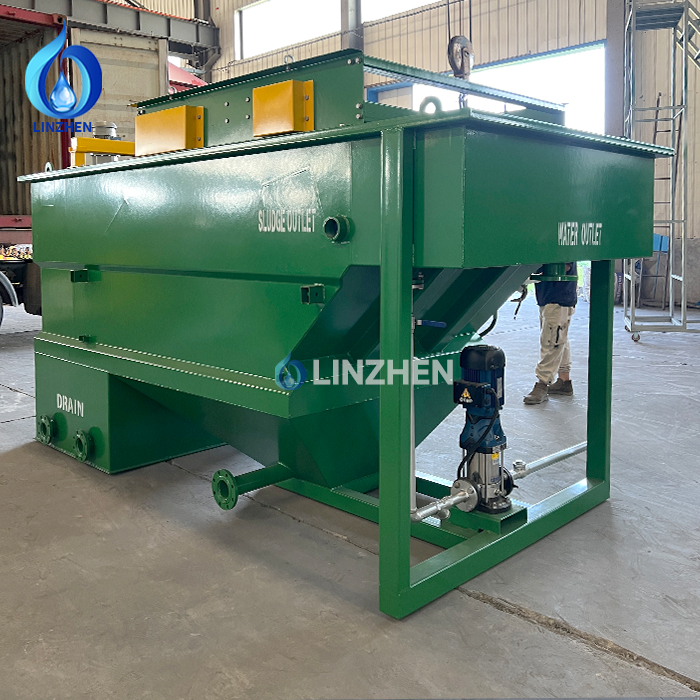
The distinct process advantage offered by dissolved air flotation lies in its exceptional speed and compact equipment footprint. Conventional clarification basins depend on long residence times to allow heavy particles to fall, which often fails when treating emulsified fats or lightweight flocs. In contrast, an industrial DAF plant actively floats contaminants upward within minutes. Facilities utilizing dissolved air flotation achieve superior effluent clarity, handle high volumetric throughput, and drastically minimize land footprint requirements, making this wastewater treatment technology indispensable for space-constrained production facilities.
Engineering Principles Governing Dissolved Air Flotation
Pressurized Air Dissolution and Microbubble Generation
The core operational mechanics of dissolved air flotation rely on air dissolution under elevated pressure, followed by sudden decompression. Within a typical DAF system, a portion of clean effluent recirculates through an air saturation vessel operating between 40 and 60 psi. As this supersaturated pressurized water releases through specialized release valves into the main basin, atmospheric decompression triggers the rapid formation of microbubbles measuring 10 to 100 microns in diameter. These tiny bubbles generated during dissolved air flotation create a dense cloud with vast surface area, optimizing contact probability with suspended contaminants.
Flotation Dynamics and Agglomerate Buoyancy
Once microbubbles contact suspended particles, hydrophobic attraction and physical entrapment bind them together into lightweight bubble-particle aggregates. Utilizing dissolved air flotation for suspended solids removal dramatically reduces effective particle density, driving rapid upward migration. While conventional gravity clarifiers require several hours for sedimentation, a properly dimensioned DAF system achieves complete phase separation in under 30 minutes. This accelerated hydraulic retention time underscores why dissolved air flotation serves as a high-throughput wastewater treatment technology for peak flow conditions.
System Design Parameters and Chemical Integration
Hydraulic Loading and Air-to-Solids Ratio Optimization
Achieving optimal dissolved air flotation performance requires precise calculation of hydraulic loading rates, air-to-solids ratios, and basin geometry. Most commercial units operate at hydraulic loading rates between 3 and 6 gallons per minute per square foot. Maintaining an optimal air-to-solids ratio ensures sufficient microbubble generation for effective suspended solids removal without creating turbulent fluid currents. An industrial DAF designed with inclined plates or optimized depth-to-length ratios maintains laminar fluid flow, preventing resuspension of floating sludge mats and guaranteeing exceptional water clarity.
Coagulation and Flocculation Pretreatment Chemistry
Upstream chemical conditioning dramatically enhances dissolved air flotation efficiency when processing complex or emulsified effluents. Dosing inorganic coagulants like alum or ferric chloride neutralizes negative surface charges on colloidal particles, while polymer flocculants bind small particles into structural flocs. Integrating chemical conditioning prior to entering the DAF system allows microbubbles to attach more effectively, maximizing suspended solids removal rates beyond 95 percent. Combining advanced chemical pretreatment with modern dissolved air flotation equipment creates a resilient wastewater treatment technology capable of absorbing shock organic loads.
Industrial Applications and Economic Performance
Sector-Specific Implementations of DAF Systems
Various manufacturing sectors rely on dissolved air flotation to solve challenging environmental discharge problems. In food and beverage processing, a high-capacity DAF system captures emulsified fats, proteins, and starches while preventing foul odor development. Petroleum refineries deploy an industrial DAF to separate free and emulsified hydrocarbons from produced water prior to secondary biological processing. Pulp mills utilize dissolved air flotation for fiber recovery, while metal plating plants leverage this wastewater treatment technology for metal hydroxide precipitation, facilitating internal water recycling.
Comparative Advantages Over Gravimetric Sedimentation
Evaluating dissolved air flotation against traditional gravity clarifiers highlights clear operational advantages. A compact DAF system requires approximately 25 to 50 percent of the physical footprint needed for equivalent sedimentation tanks, cutting facility construction costs. Furthermore, dissolved air flotation delivers exceptional suspended solids removal efficiency when treating low-density or naturally buoyant contaminants. Although an industrial DAF involves higher energy requirements for air saturation, the overall economic return—delivered through reduced chemical consumption, smaller footprint, and high-quality effluent—solidifies dissolved air flotation as a premier choice.
FAQ
What types of contaminants are best removed by a dissolved air flotation system?
A dissolved air flotation unit excels at removing light suspended matter, including fats, oils, greases, colloidal particles, fine mineral solids, and algae. Utilizing a DAF system ensures highly effective suspended solids removal for naturally buoyant or low-density contaminants that resist traditional gravity settling.
How does chemical pretreatment improve dissolved air flotation efficiency?
Dosing coagulants and polymers upstream destabilizes colloidal charges and aggregates fine particles into larger flocs. Chemical conditioning enhances microbubble attachment within the dissolved air flotation unit, maximizing suspended solids removal efficiency and reducing hydraulic retention time requirements.
What are the primary maintenance needs for an industrial DAF plant?
Routine maintenance for an industrial DAF includes inspecting saturation pressure vessels, cleaning air injection nozzles, adjusting mechanical surface skimmer speeds, and calibrating chemical dosing pumps. Maintaining optimal pressure levels ensures continuous microbubble generation for reliable dissolved air flotation operations.
 EN
EN