When industrial facilities and municipal treatment plants face wastewater challenges, the choice between treatment technologies directly impacts operational costs, environmental compliance, and treatment efficiency. Many operators rely on coagulation-flocculation as their primary method, yet this approach alone often leaves dissolved oils, fine solids, and emulsified contaminants unresolved. DAF wastewater treatment offers a powerful alternative that addresses these limitations by combining air flotation principles with proven chemical pre-treatment, delivering superior removal rates and faster processing times than coagulation-flocculation alone can achieve.
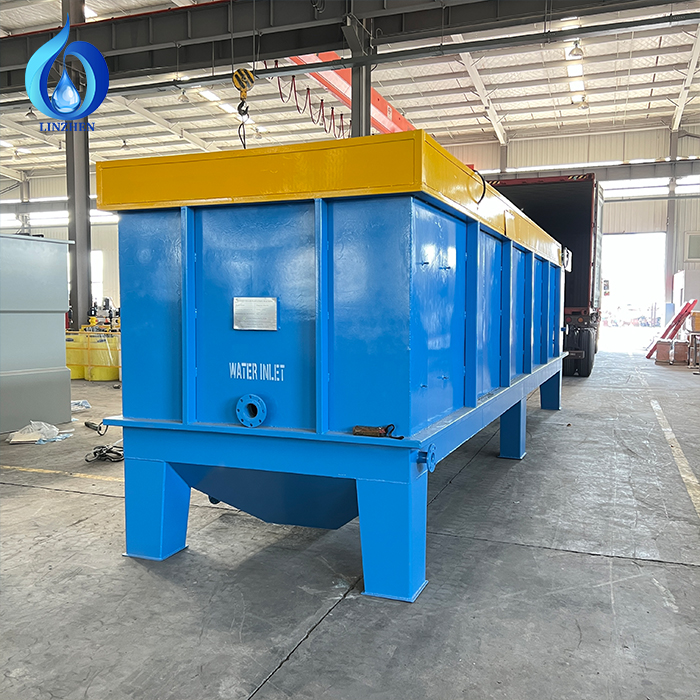
Understanding the differences between these two approaches is essential for making informed decisions about wastewater system upgrades and expansions. DAF wastewater treatment combines dissolved air flotation with chemical treatment stages to achieve contaminant removal rates that far exceed what coagulation-flocculation alone provides. The distinction matters not only for treatment performance but also for long-term operational efficiency, maintenance requirements, and environmental outcome.
How DAF Wastewater Treatment Works Compared to Coagulation-Flocculation
Mechanism and Process Flow in Coagulation-Flocculation Systems
Coagulation-flocculation relies on chemical additives to neutralize particle charges and bind suspended solids into larger clumps. Coagulants like ferric chloride or aluminum sulfate destabilize colloidal particles by reducing their electrokinetic potential. Once particles clump together through flocculation, they settle by gravity into sludge beds at the basin bottom. This process works effectively for larger, denser particles but struggles with fine suspensions, emulsified oils, and low-density contaminants that resist settling even after chemical treatment.
Enhanced Separation Through DAF Wastewater Treatment Technology
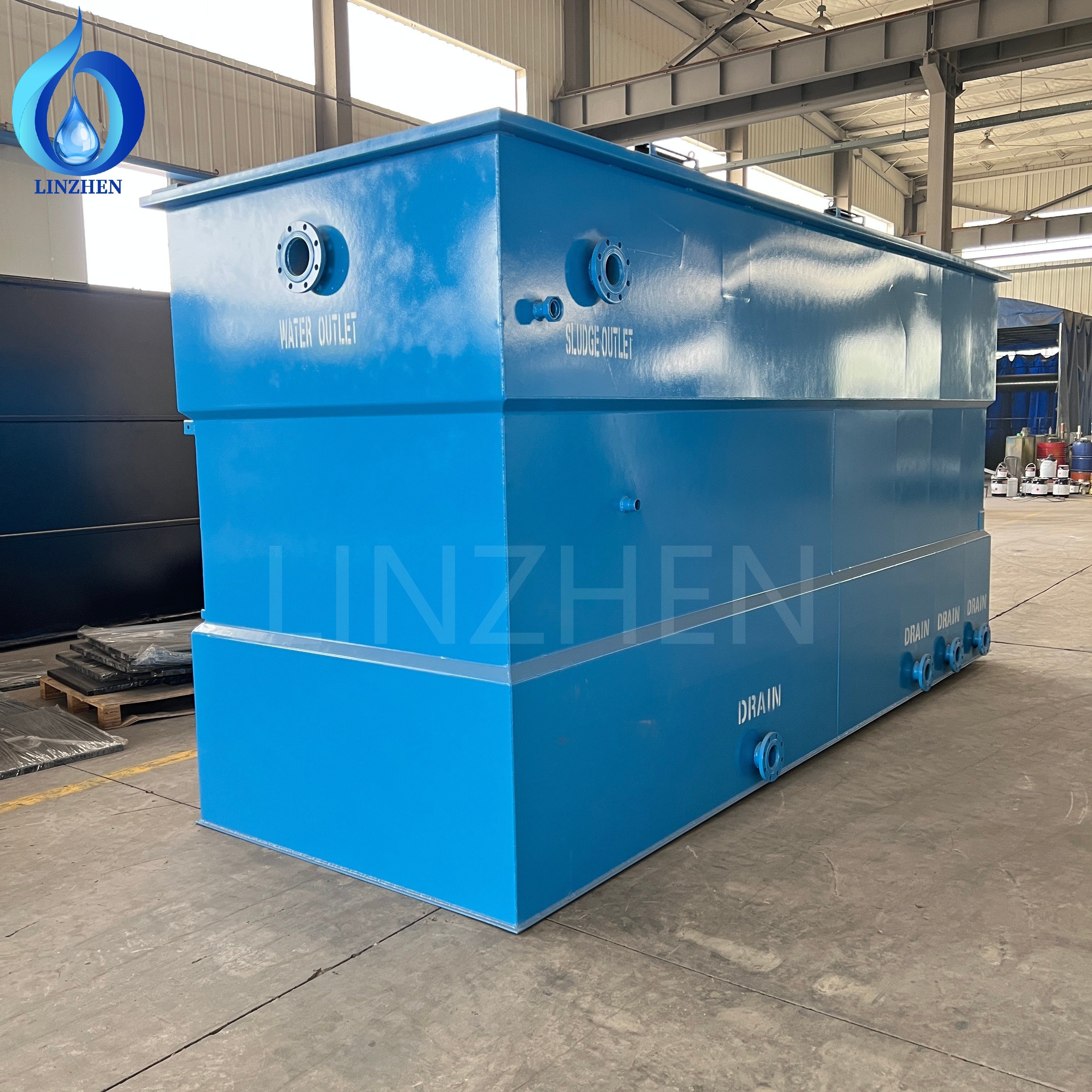
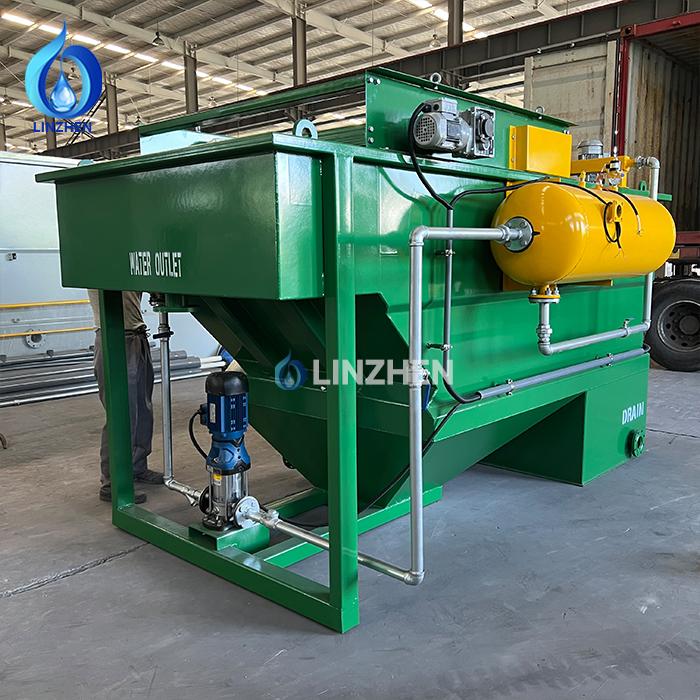
DAF wastewater treatment operates on fundamentally different physics. After initial coagulation and flocculation, the mixture enters a flotation tank where micro-bubbles generated by dissolved air under pressure attach to suspended particles and oil droplets. These bubble-laden aggregates rise to the water surface instead of sinking, creating a concentrated sludge layer that is continuously skimmed away. DAF wastewater treatment achieves separation speeds two to three times faster than gravity settling alone, with removal efficiencies often exceeding 95 percent for oils, suspended solids, and certain colloidal matter. The upward motion of bubbles ensures that even low-density contaminants and fine particles are captured and removed efficiently.
Performance Advantages and Industrial Efficiency Gains
Removal Rates and Treatment Outcomes
Real-world data demonstrates that DAF wastewater treatment consistently outperforms coagulation-flocculation alone across multiple contaminant classes. For industrial oily wastewater, DAF wastewater treatment typically achieves 90 to 98 percent oil removal, compared to 60 to 75 percent from gravity-based coagulation-flocculation systems. Suspended solids removal rates with DAF wastewater treatment reach 85 to 95 percent, while coagulation-flocculation alone often plateaus at 70 to 80 percent. In food processing, dairy, and chemical manufacturing environments, DAF wastewater treatment proves especially valuable because these industries generate fine emulsions and stable colloidal suspensions that resist conventional settling. The superior performance of DAF wastewater treatment directly reduces downstream treatment loads and final polishing requirements.
Operational Efficiency and Processing Speed
DAF wastewater treatment systems process incoming wastewater at higher volumetric throughput within the same footprint as gravity clarifiers. Typical DAF wastewater treatment installations handle 50 to 1000 cubic meters per hour, with residence times of 15 to 30 minutes compared to 1 to 2 hours required by coagulation-flocculation settling basins. This speed advantage means facilities can treat higher daily volumes without expanding tank infrastructure, a significant capital saving for expanding operations. The continuous removal of surface sludge in DAF wastewater treatment also prevents dead zones and maintains consistent treatment performance, whereas coagulation-flocculation systems experience variable efficiency as sludge accumulation alters settling dynamics.
Cost-Benefit Analysis and Industrial Decision Framework
Capital and Operating Cost Comparison
Initial investment in DAF wastewater treatment equipment typically runs 30 to 50 percent higher than gravity clarifier systems of equivalent capacity. However, the operational cost structure favors DAF wastewater treatment in most industrial scenarios. DAF wastewater treatment consumes energy for air compressors and pump circulation, but chemical consumption is often lower because dissolved bubble technology enhances coagulant effectiveness, reducing additive dosages. Sludge handling costs decline significantly with DAF wastewater treatment because the concentrated float layer has lower water content than gravity-settled sludge, requiring less dewatering energy and producing less final waste volume for disposal. For facilities processing 200 to 1000 cubic meters daily, DAF wastewater treatment payback periods typically range from 2 to 4 years through operational savings and reduced chemical and disposal costs.
Regulatory Compliance and Environmental Outcomes
Many jurisdictions now impose stricter effluent standards for suspended solids, total petroleum hydrocarbons, and biochemical oxygen demand. DAF wastewater treatment systems consistently meet these tighter regulations without requiring additional polishing stages, whereas coagulation-flocculation alone often necessitates secondary filtration or advanced treatment to achieve compliance. This regulatory advantage reduces capital spending on downstream equipment and simplifies operational complexity. Environmental discharge standards and environmental permitting increasingly favor technologies like DAF wastewater treatment that achieve higher removal rates with lower residual contamination. Facilities choosing DAF wastewater treatment demonstrate superior environmental stewardship and reduce compliance risk, particularly in jurisdictions with escalating wastewater treatment requirements.
Industrial Applications and Scenario-Based Recommendations
Ideal Use Cases for DAF Wastewater Treatment
DAF wastewater treatment excels in applications where coagulation-flocculation shows documented limitations. Food and beverage facilities, which generate oily wastewater and suspended starch particles, achieve dramatically better results with DAF wastewater treatment. Petrochemical refineries, where produced water contains stable oil emulsions, depend on DAF wastewater treatment to meet discharge standards that gravity separation cannot achieve. Slaughterhouses and rendering plants produce blood and protein-laden effluent that DAF wastewater treatment removes far more effectively than conventional settling. Metal finishing operations with fine particulate suspensions benefit from the rapid, high-capacity processing that DAF wastewater treatment provides. Pharmaceutical manufacturers handling colloidal suspensions and pharmaceutical residues find DAF wastewater treatment essential for regulatory compliance and environmental protection.
Integration with Existing Treatment Infrastructure
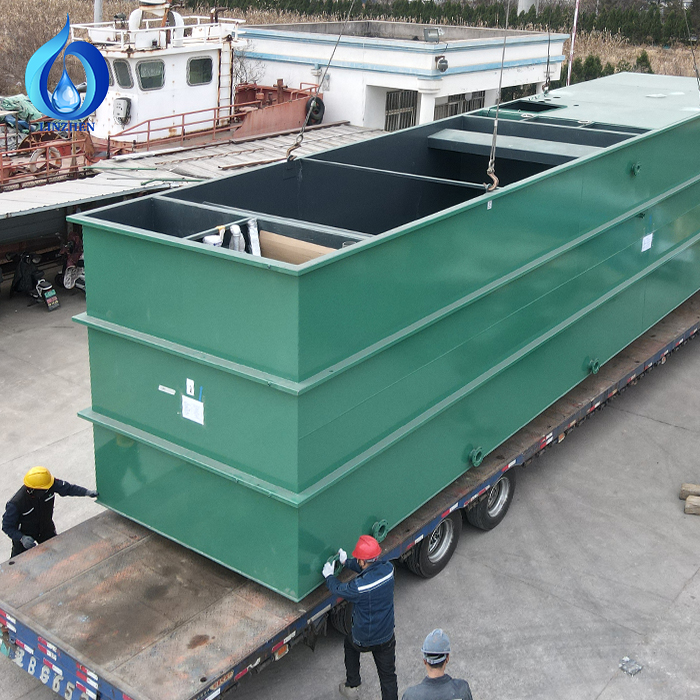
Many facilities operate existing coagulation-flocculation systems and question whether retrofitting or replacing with DAF wastewater treatment is justified. In high-contamination scenarios or where current treatment fails to meet regulatory requirements, DAF wastewater treatment installation as a secondary stage significantly improves overall system performance without requiring complete infrastructure replacement. Some facilities implement hybrid approaches where coagulation-flocculation provides primary treatment and DAF wastewater treatment serves as a polishing stage, achieving optimal contaminant removal. The decision depends on current effluent quality, regulatory thresholds, available space, and budget. DAF wastewater treatment retrofits into existing tank rooms more readily than building new clarifier basins, making upgrades feasible even in space-constrained industrial zones.
FAQ
Does DAF wastewater treatment work for all types of industrial wastewater?
DAF wastewater treatment performs exceptionally well on wastewater containing oils, suspended solids, colloidal particles, and emulsified contaminants. However, some dissolved chemicals and heavy metal ions require complementary treatment such as precipitation or activated carbon adsorption. DAF wastewater treatment removes particulate and suspended forms of these contaminants but is less effective on fully dissolved compounds. Coagulation-flocculation pre-treatment before DAF wastewater treatment converts some dissolved ions into removable particulate form, making the combined approach more comprehensive than DAF wastewater treatment alone for complex industrial effluent.
Is DAF wastewater treatment more expensive to operate than gravity settling?
DAF wastewater treatment requires energy for air compressors and pump operation, which adds utility costs compared to passive gravity settling. However, reduced chemical consumption, lower sludge disposal volumes, and faster processing speed typically offset these energy expenses within 2 to 4 years. DAF wastewater treatment also reduces downstream treatment costs by achieving higher removal rates, meaning fewer polishing stages and less advanced treatment equipment are needed. For most industrial applications processing more than 100 cubic meters daily, DAF wastewater treatment delivers lower total cost of ownership despite higher energy consumption compared to coagulation-flocculation alone.
Can existing coagulation-flocculation systems be upgraded to include DAF wastewater treatment?
Yes, many facilities successfully retrofit DAF wastewater treatment as an upgrade or polishing stage downstream of existing coagulation-flocculation systems. This hybrid approach maintains investment in existing infrastructure while improving overall treatment performance. DAF wastewater treatment can be installed in a separate tank or integrated into redesigned treatment sequences without necessarily replacing the entire existing system. The retrofit approach is cost-effective for facilities facing new regulatory requirements or expanding production, making DAF wastewater treatment a practical upgrade path rather than requiring complete system replacement.
 EN
EN