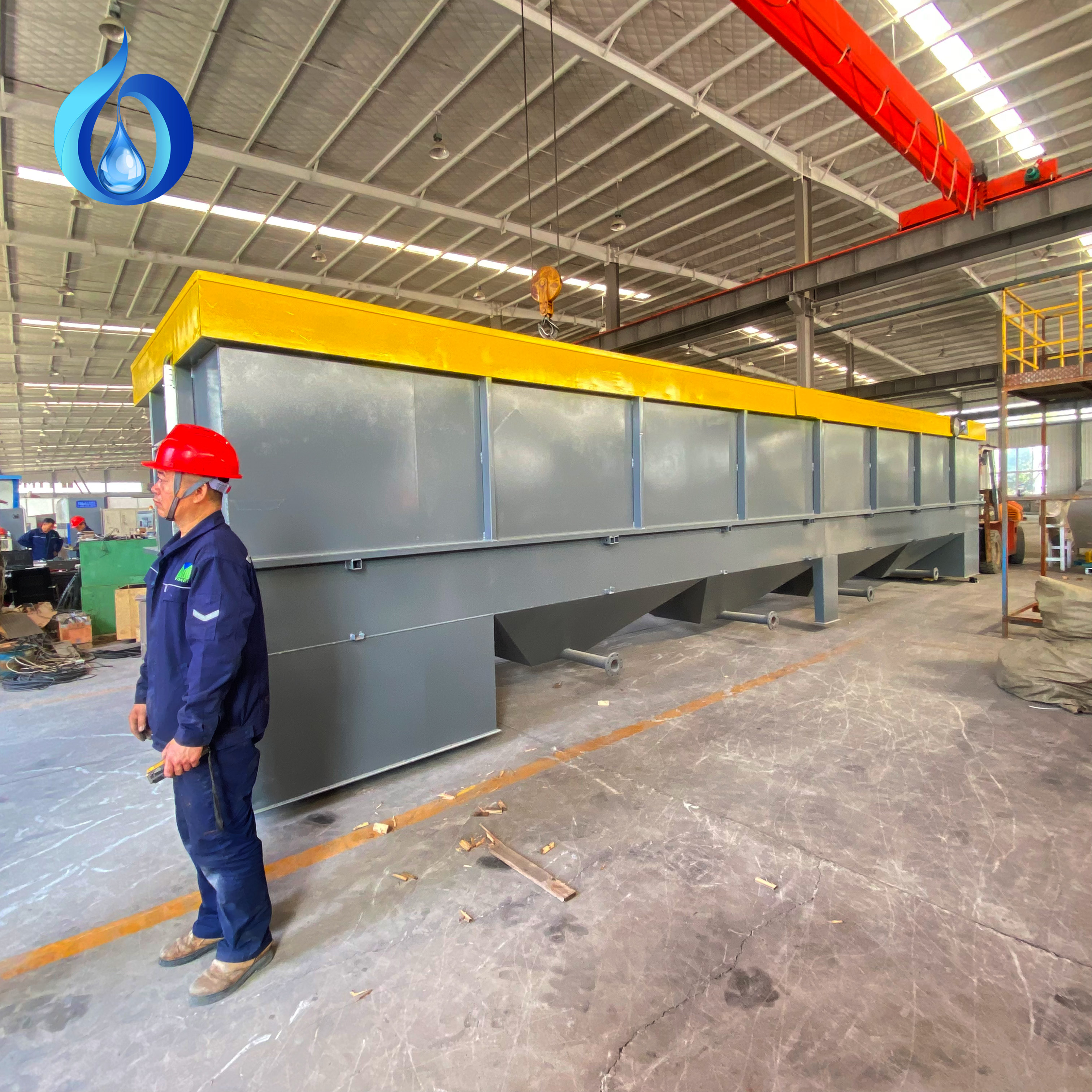
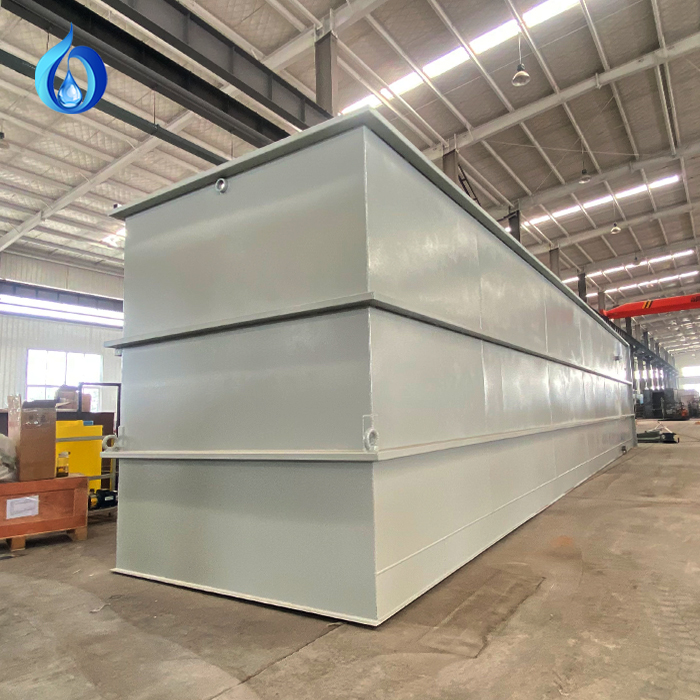
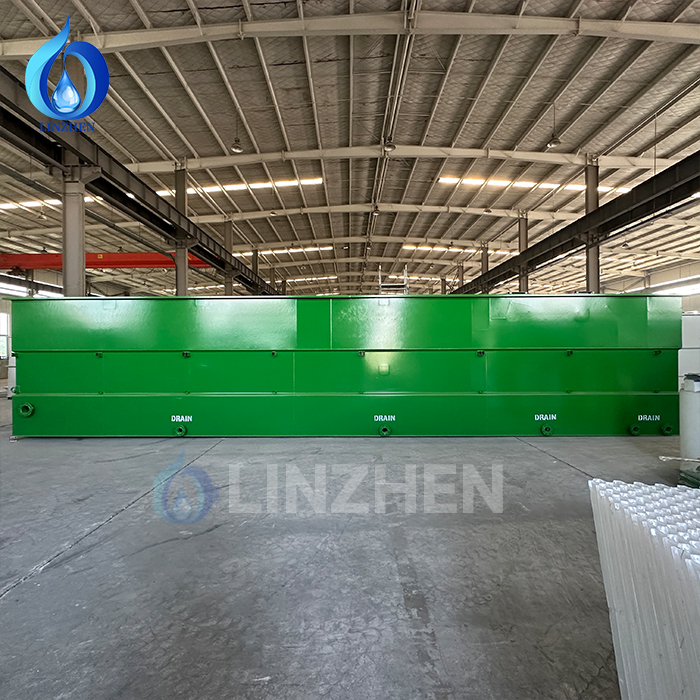
Modern environmental management relies heavily on eco-friendly technology to remove harmful contaminants from municipal and industrial effluent. Utilizing biological wastewater treatment allows plant operators to harness natural biochemical pathways to neutralize complex carbonaceous waste streams. By creating optimized environments for specialized bacterial colonies, biological wastewater treatment transforms hazardous liquids into clean effluent suitable for environmental discharge or industrial reuse. Facility directors across various sectors prioritize biological wastewater treatment because it delivers exceptional cleaning efficiency while reducing operational energy expenses.
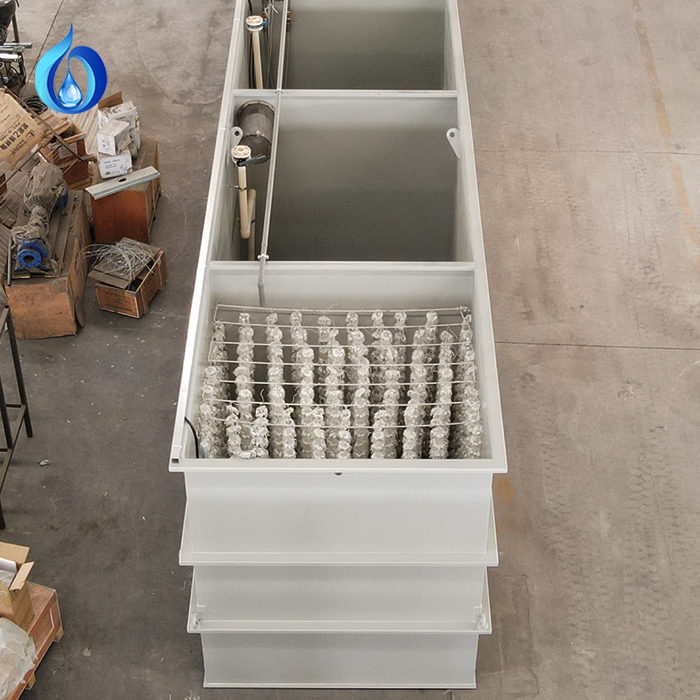
The underlying operational success of biological wastewater treatment rests upon natural microbial metabolism. Useful bacteria, protozoa, and microscopic fungi utilize dissolved organic materials as daily sustenance, breaking complex molecular chains into basic carbon dioxide, water, and stable bio-solids. When managed inside specialized reactor tanks, biological wastewater treatment accelerates natural purification cycles that would otherwise take months in open rivers. Installing well-engineered biological wastewater treatment infrastructure provides heavy manufacturing facilities with reliable, long-term environmental permit compliance.
Fundemental Pathways in Biological Wastewater Treatment
Aerobic Versus Anaerobic Biological Wastewater Treatment Mechanisms
Industrial bio-reactors generally function through two distinct oxygen pathways to achieve organic pollutant degradation. In traditional aerobic wastewater treatment, mechanical diffusers pump compressed air continuously into aeration basins, empowering oxygen-dependent microbes to rapidly oxidize soluble toxins. This aerobic approach within biological wastewater treatment yields extremely clear effluent with minimal odor generation, making it the preferred choice for municipal water facilities and food manufacturing plants. High-oxygen environments ensure that biological wastewater treatment maintains rapid organic removal rates even under continuous flow conditions.
Conversely, anaerobic wastewater treatment operates in sealed, oxygen-free digestion tanks where specialized methanogenic bacteria ferment high-strength organic loads into methane-rich biogas. Employing anaerobic digestion as a primary phase in biological wastewater treatment substantially reduces incoming chemical oxygen demand while generating renewable bio-energy to power factory boilers. Combining anaerobic pretreatment with secondary aerobic wastewater treatment enables biological wastewater treatment systems to handle heavily polluted wastewater streams efficiently without consuming excessive electrical power.
Reactor Engineering and Operating Dynamics
Activated Sludge and Biofilm Media in Biological Wastewater Treatment
Engineers select specific physical tank configurations based on influent characteristics when designing biological wastewater treatment installations. Suspended-growth activated sludge systems circulate free-floating microbial flocs throughout aerated liquid, relying on secondary clarifiers to settle out biological solids. Alternatively, attached-growth biofilm systems utilize plastic carrier media suspended inside the tank, allowing specialized bacterial films to flourish on protected surfaces. Biofilm-assisted biological wastewater treatment offers greater resistance against hydraulic surges and toxic chemical flushes, providing remarkable stability for chemical processing and pharmaceutical operations.
Maintaining strict environmental controls within the reaction vessel directly dictates the ultimate success of biological wastewater treatment. Operational factors such as water temperature, dissolved oxygen concentration, system pH, and hydraulic retention time require continuous automated monitoring. Because cold ambient weather slows bacterial activity, cold-climate facilities often insulate their biological wastewater treatment tanks or increase biomass retention. Optimizing nutrient ratios—specifically nitrogen and phosphorus balances—ensures that biological wastewater treatment micro-organisms maintain peak metabolic rates throughout every seasonal change.
Treatment Performance and Environmental Outcomes
Target Pollutant Reduction through Biological Wastewater Treatment
When properly balanced, robust biological wastewater treatment consistently achieves 85 to 95 percent biochemical oxygen demand removal. Beyond simple carbon reduction, advanced biological wastewater treatment configurations perform biological nutrient removal through alternating anoxic and aerobic zones. Specialized nitrifying and denitrifying bacteria convert harmful ammonia and nitrates into harmless nitrogen gas, preventing eutrophication in natural water bodies. This multi-stage biological wastewater treatment approach ensures strict compliance with stringent watershed discharge limits.
Managing byproduct bio-solids, commonly referred to as waste activated sludge, remains an essential requirement of biological wastewater treatment operation. As bacteria consume organic pollutants, biomass multiplies, necessitating routine sludge wasting to maintain optimal microbial age. Modern biological wastewater treatment facilities thicken, dewater, and stabilize this organic sludge for agricultural land application, composting, or biogas recovery. Treating biomass as a beneficial byproduct turns biological wastewater treatment into a cornerstone of sustainable, circular industrial economy operations.
Troubleshooting Operational Upsets in Biological Wastewater Treatment
Mitigating Toxic Shock and Hydraulic Surges
Sudden fluctuations in wastewater composition or unexpected chemical dumps present major operational threats to biological wastewater treatment infrastructure. High concentrations of heavy metals, biocides, or extreme acid-alkali dumps can kill delicate microbial populations, causing severe performance loss. Equalization tanks placed upstream of biological wastewater treatment units help blend volatile influent streams, shielding biological cultures from toxic shock loads. Plant operators regularly perform microscopic inspections to monitor bacterial health and detect early signs of biological wastewater treatment system stress.
Automated control systems equipped with online sensors significantly enhance the operational resilience of modern biological wastewater treatment facilities. Smart monitoring arrays continuously track oxidation-reduction potential, dissolved oxygen, and sludge blanket levels, automatically adjusting aeration blowers and sludge return pumps in real time. Investing in automated biological wastewater treatment controls minimizes human error, lowers operational labor costs, and ensures continuous environmental compliance under variable manufacturing schedules.
FAQ
How does biological wastewater treatment compare to chemical treatment methods?
Biological wastewater treatment relies on living micro-organisms to consume biodegradable pollutants, producing far less chemical sludge and incurring significantly lower recurring operating costs than purely chemical neutralization or precipitation methods.
What temperature range is optimal for biological wastewater treatment systems?
Most biological wastewater treatment systems perform best between 20°C and 35°C. Temperatures below 10°C slow down bacterial microbial metabolism, requiring longer retention times, while temperatures above 40°C can destroy beneficial bacterial cultures.
Can biological wastewater treatment systems handle industrial toxic chemical spikes?
Uncontrolled toxic spikes can damage bacterial colonies. However, incorporating upstream equalization tanks and resilient biofilm carriers allows a biological wastewater treatment plant to absorb temporary shock loads without losing overall treatment performance.
 EN
EN