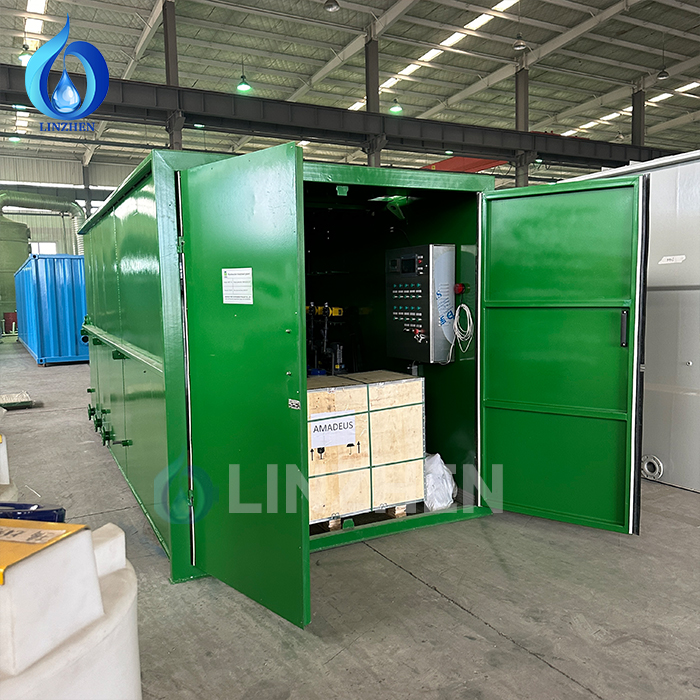
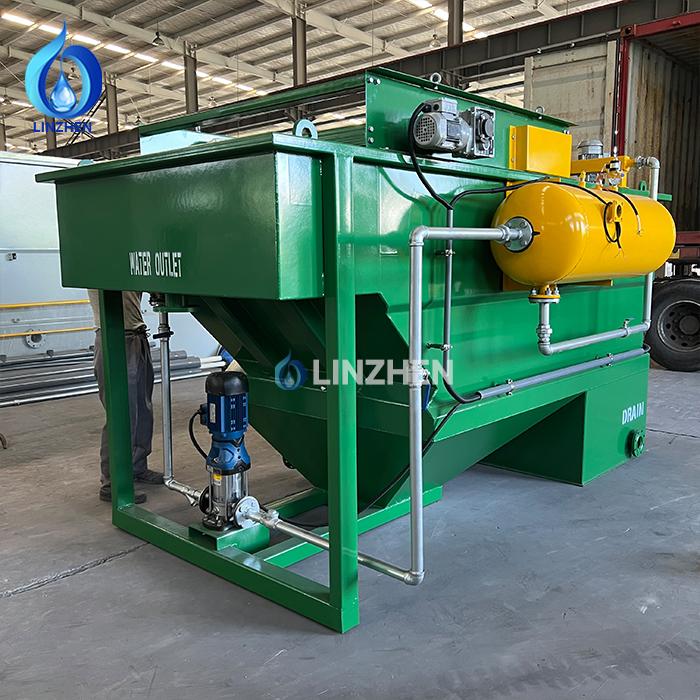
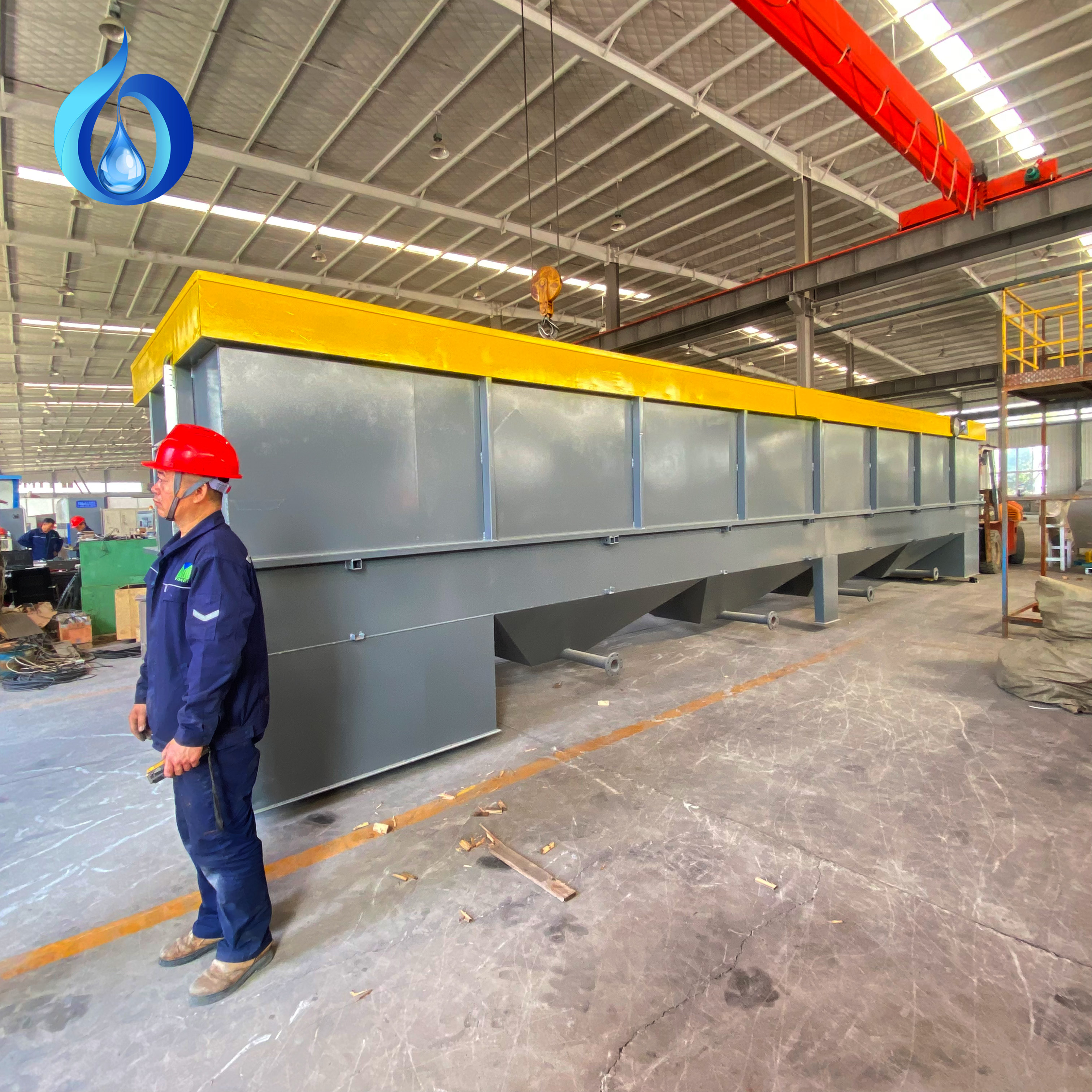
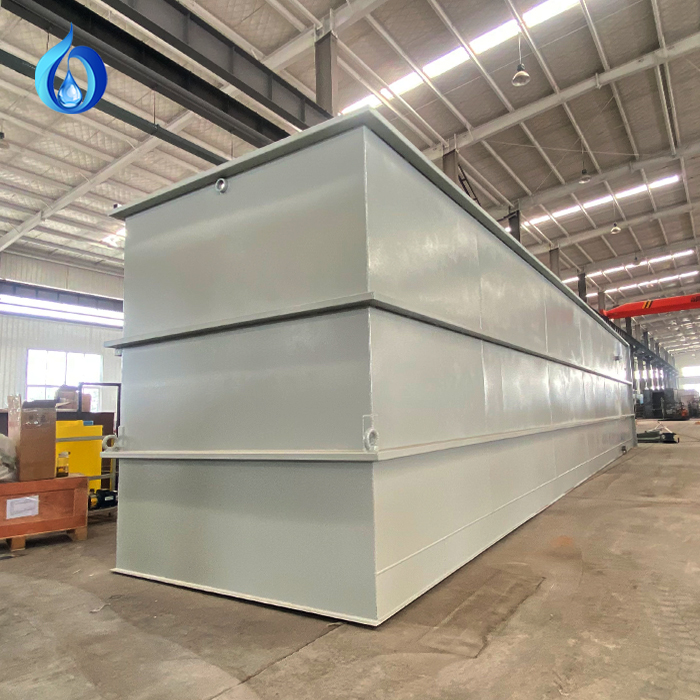
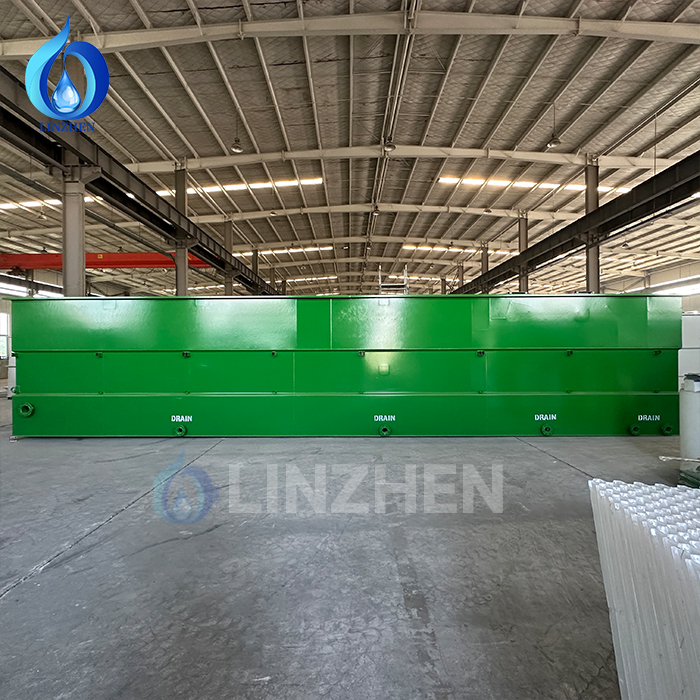
Automation has revolutionized modern industrial operations, elevating wastewater equipment automation into an essential standard for high-performance plants. Facilities today operate under intense regulatory scrutiny and rising operating expenses; deploying automated industrial wastewater treatment solutions directly resolves both issues. By harmonizing real-time sensor networks, adaptive chemical dosing, and advanced diagnostic monitoring, these automated setups instantly adjust to shifting influent profiles while maintaining peak operational efficiency without requiring manual oversight.
Transitioning to wastewater equipment automation transforms plant management from reactive troubleshooting into predictive, strategic execution. Integrated controllers adjust filtration parameters, flow velocities, and reagent dosing based on live water quality metrics. This continuous calibration stabilizes effluent output quality, extends system component lifespans, reduces power draw, and minimizes the unbudgeted operational downtime that frequently disrupts legacy plants.
Precision Control and Operational Real-Time Optimization
Continuous Monitoring and Rapid Adaptive Controls
Modern systems leveraging wastewater equipment automation utilize smart sensor arrays that track pH, turbidity, dissolved oxygen, temperature, and contaminant load in real time. These data feeds connect to programmable logic controllers (PLCs), executing precise process corrections in milliseconds. Through automated industrial wastewater treatment algorithms, systems compensate instantly for sudden influent surges, preventing compliance breaches and stabilizing water discharge standards.
Such rapid adjustments are critical in manufacturing environments where effluent characteristics change rapidly across production shifts. Advanced wastewater equipment automation detects organic load spikes, acidic spikes, or hydraulic overloads before process degradation occurs. Proactive protection prevents downstream system damage, avoids emergency plant shutdowns, and supports unbroken compliance.
Targeted Chemical Dosing Optimization and Resource Conservation
Applying smart automation to reagent delivery represents one of the most profitable upgrades in plant operations. Legacy manual methods rely on periodic sampling, leading to chemical over-feeding or under-treatment. Implementing chemical dosing optimization within automated industrial wastewater treatment enables dynamic calculations that release exact amounts of coagulants, neutralizers, and oxidants, yielding up to 40% savings in chemical expenditure.
System Reliability, Maintenance, and Operational Continuity
Predictive Maintenance and Equipment Diagnostics
Embedded diagnostic suites in wastewater equipment automation platforms monitor component health, track power consumption, and identify mechanical wear early. By leveraging predictive maintenance wastewater algorithms to evaluate pump vibration, differential pressure, and flow rates, facilities identify failing components weeks prior to breakdown. Shift operations move from emergency fixes to scheduled maintenance, reducing unplanned downtime by up to 30%.
Early failure isolation also protects primary machinery assets. When an automated unit detects abnormal resistance, it automatically redirects stream flows or throttles motor speeds to maintain treatment operations. This fault isolation protects equipment life and prevents environmental spills during maintenance windows.
Automated Workflow Efficiency and Reduced Manual Overhead
Implementing wastewater equipment automation streamlines daily manual routines across operating shifts. Rather than requiring operators to manually check valves and sample tanks continuously, automated industrial wastewater treatment systems manage routine filtration cycles automatically. Operators can reallocate labor toward system optimization, facility upgrades, and high-level process monitoring.
Compliance Security, Data Integration, and Regulatory Management
Automated Reporting and Comprehensive Audit Trails
Environmental regulators demand continuous operational documentation to verify compliance with discharge licenses. Systems optimized with wastewater equipment automation record operational metrics, chemical feed logs, and sensor histories automatically. Digital logging eliminates manual recording errors, provides verifiable compliance data, and speeds up official regulatory audits.
Performance Analytics and Long-Term Process Optimization
In addition to basic compliance logging, wastewater equipment automation provides historical analytics that expose hidden operational bottlenecks. Plant engineers analyze long-term trends to optimize chemical usage for complex wastewater blends. Data-driven insights transform treatment hardware into strategic assets that consistently lower operating costs.
Future-Ready Systems and Industry 4.0 Connectivity
Scalable Infrastructure and System Adaptability
Modern automated industrial wastewater treatment architectures feature modular hardware and software frameworks. As production lines expand or regulatory standards tighten, facilities can update control routines and scale treatment capacity without replacing core infrastructure. This modular design protects capital investments while facilitating straightforward technology upgrades.
Remote Operations and IoT Platform Integration
Next-generation wastewater equipment automation incorporates cloud integration for secure remote monitoring. Enterprise connectivity links wastewater operations directly with main plant production systems, adjusting treatment parameters based on active factory production schedules to drive facility-wide efficiency.
FAQ
What immediate performance benefits does wastewater equipment automation provide?
Deploying wastewater equipment automation delivers up to 40% reductions in chemical consumption, 15–30% energy savings, and improved effluent consistency. Integrating predictive maintenance wastewater solutions lowers unplanned system downtime by up to 30% while reducing manual routine labor requirements by half.
How does automated industrial wastewater treatment ensure regulatory compliance?
Automated industrial wastewater treatment systems monitor water quality continuously, applying instant process adjustments to prevent permit violations. Automated digital logs record operational parameters, generating verifiable reporting data for environmental authorities.
Is wastewater equipment automation suitable for smaller industrial facilities?
Yes. Smaller facilities achieve quick return on investment through reduced chemical waste, lower power usage, and lower labor overhead, often recovering capital costs within 2 to 4 years. Modular automation options allow plants to start with basic control setups and expand over time.
 EN
EN