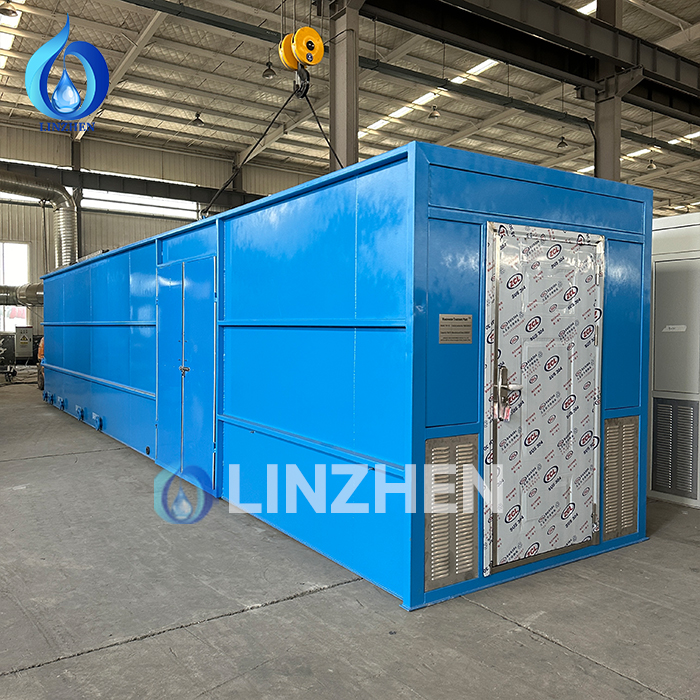
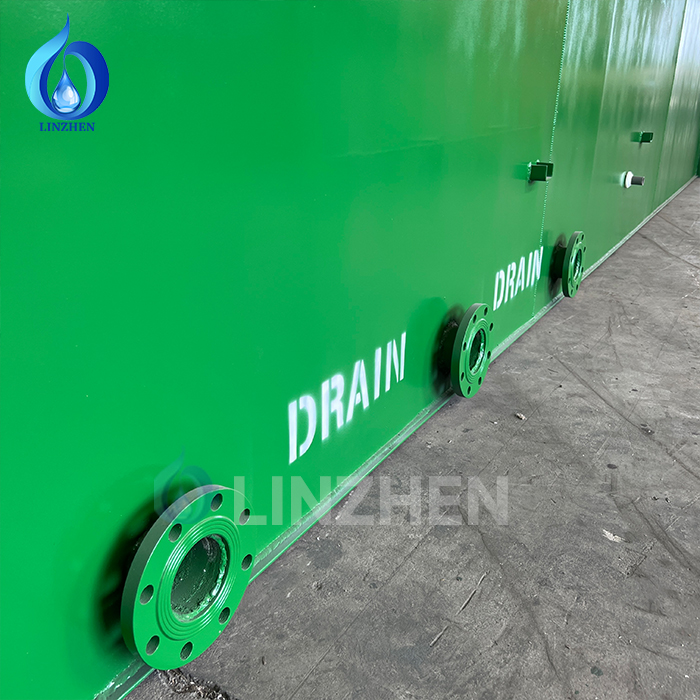
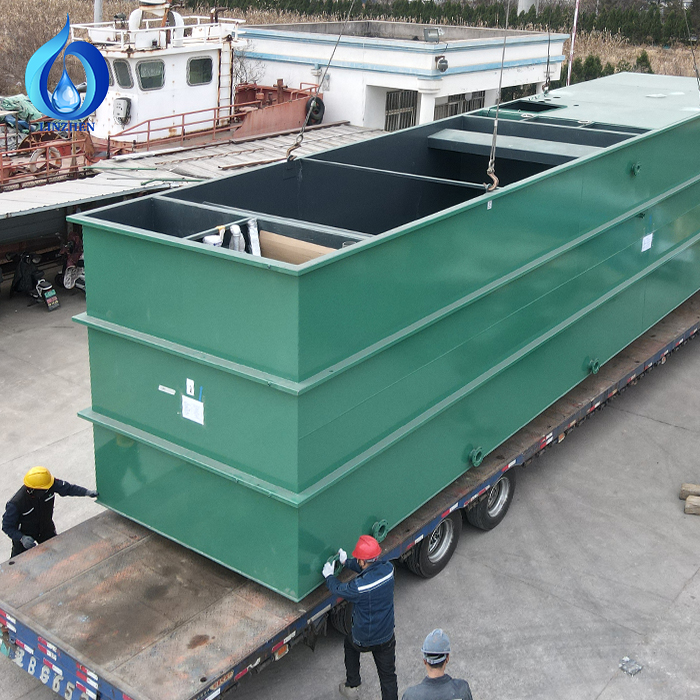
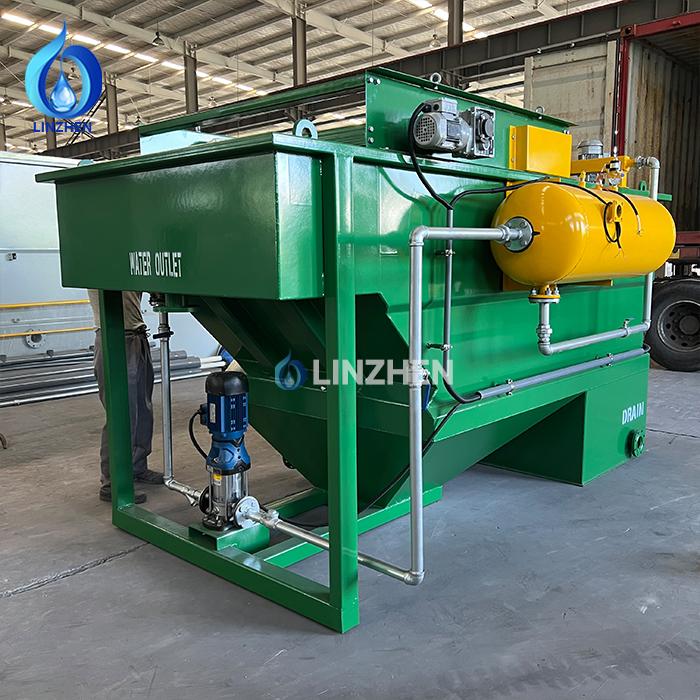
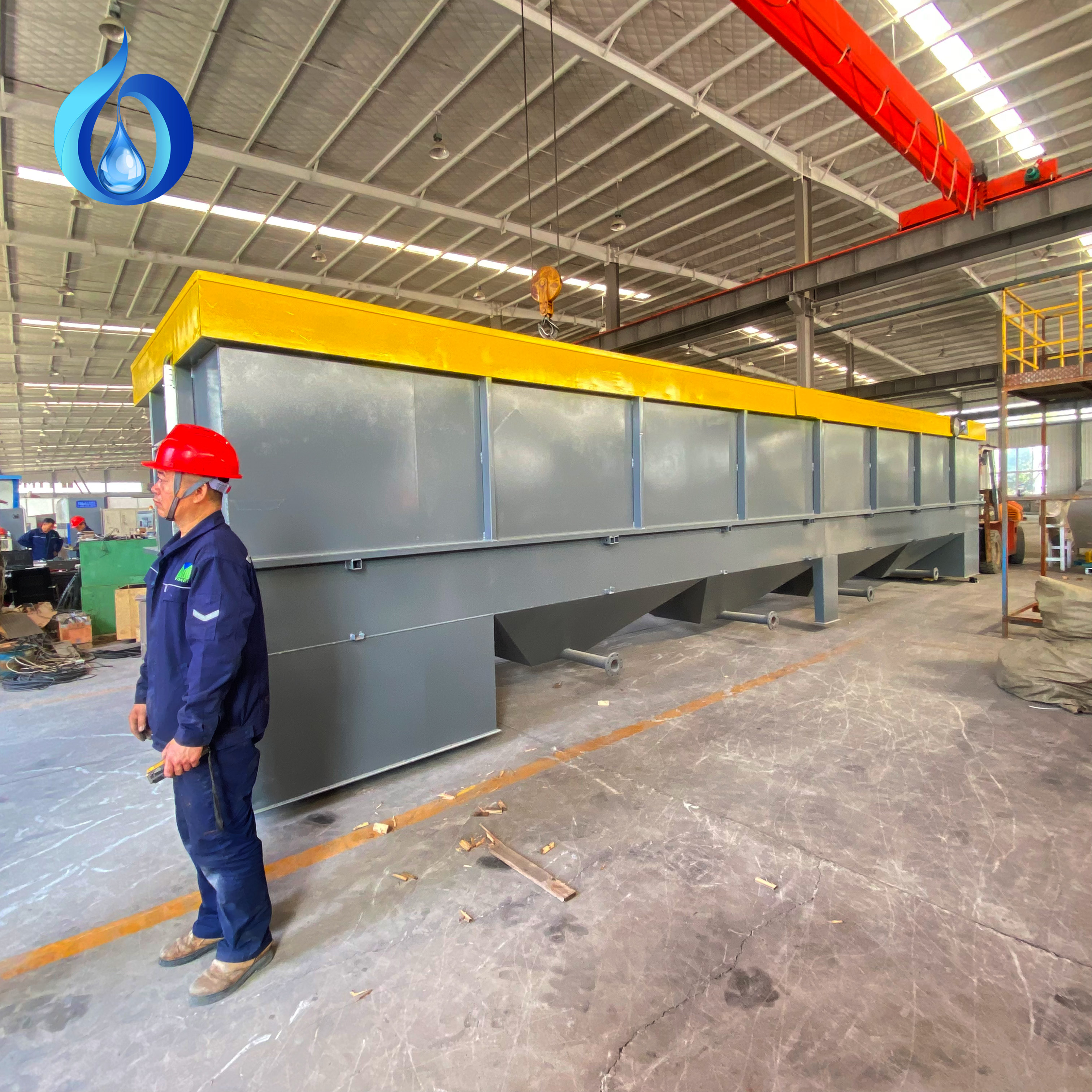
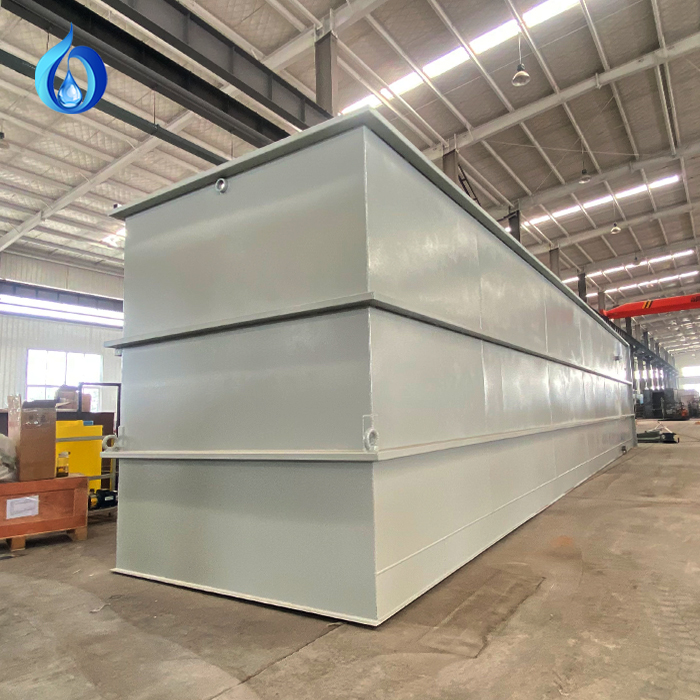
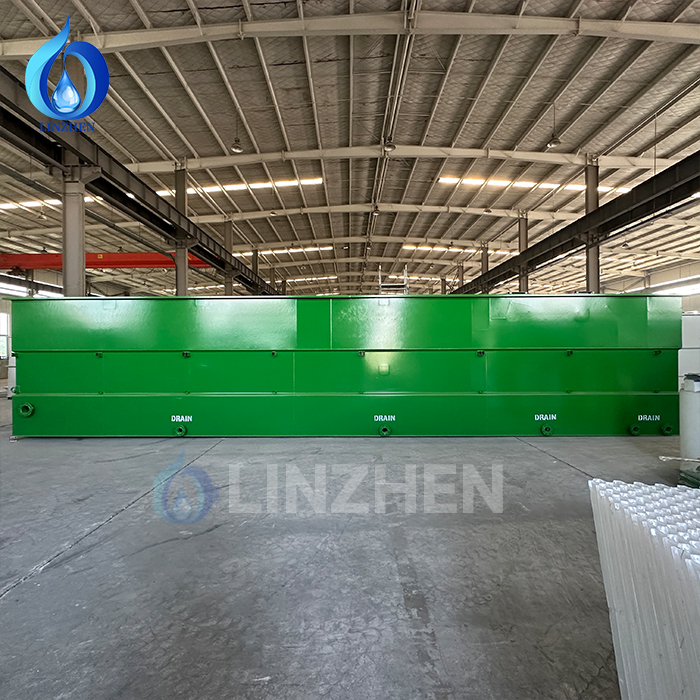
Biological wastewater treatment has become essential for industrial and municipal operations seeking efficient, cost-effective contamination removal. An mbbr system represents one of the most scalable solutions for achieving this goal, combining proven microbial degradation principles with advanced reactor engineering. This technology processes large volumes of wastewater while maintaining superior treatment performance, making it a preferred choice for facilities handling organic pollutants, nitrogen, and phosphorus at significant scales.
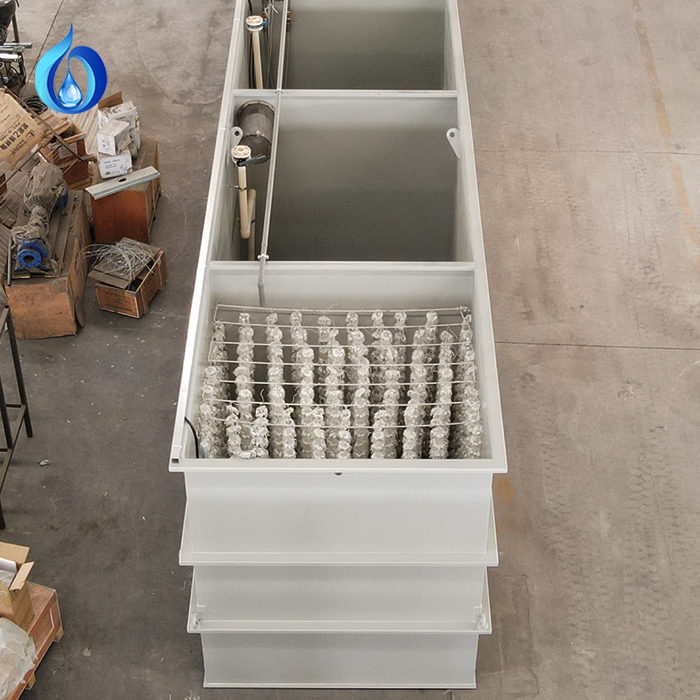
The success of an mbbr system in large-scale wastewater treatment derives from its unique approach to biofilm cultivation and retention. Unlike traditional suspended-growth bioreactors, an mbbr system uses plastic carriers or media that support biofilm growth while remaining mobile within the treatment tank. This innovation allows operators to treat significantly higher pollutant loads while maintaining excellent effluent quality, making the mbbr system ideal for expansion-constrained facilities and demanding industrial applications.
The Biofilm Formation Process in MBBR System Design
How Biofilms Develop on MBBR System Media
When an mbbr system begins operation, microorganisms naturally colonize the plastic media surfaces. These microbes form dense biofilms that provide multiple ecological niches, allowing different bacterial species to coexist in specialized zones within the biofilm matrix. The inner zones of the biofilm remain anaerobic, promoting denitrification, while outer layers expose to oxygen, supporting nitrification. This stratification means an mbbr system achieves multiple treatment objectives—organic removal, nitrification, and denitrification—within a single reactor vessel, dramatically improving treatment efficiency compared to conventional systems requiring separate tanks.
An mbbr system maintains active biofilm growth through continuous aeration and mechanical mixing, which keeps media in motion and ensures nutrients reach all biofilm layers. As the biofilm thickens, an mbbr system naturally sheds excess biomass, which settles in a clarification zone or flows to secondary treatment, maintaining equilibrium without manual biofilm control. This self-regulating mechanism means operators can maintain an mbbr system reliably without constant intervention, reducing operational complexity while supporting consistent treatment performance across varying influent loads.
Oxygen Transfer and Biological Activity in MBBR System Operations
Efficient oxygen transfer directly determines how much organic matter an mbbr system can treat daily. The plastic media in an mbbr system increases surface area dramatically—typically by 300 to 600 square meters per cubic meter of reactor volume—creating extensive biofilm attachment space. Combined with fine-bubble aeration, an mbbr system achieves oxygen transfer rates 2 to 3 times higher than conventional activated sludge designs. This efficiency allows an mbbr system to handle pollutant concentrations that would overwhelm traditional reactors, particularly important for food processing, brewery, pharmaceutical, and chemical manufacturing applications generating high-strength wastewaters.
The carrier media in an mbbr system typically fills 40 to 60 percent of the tank volume, optimizing the balance between surface area and space for liquid circulation. An mbbr system operator adjusts aeration rates to control dissolved oxygen levels, typically maintaining 2 to 4 milligrams per liter in the aerobic zone. This precise control enables an mbbr system to support specialized microbes responsible for each treatment stage, ensuring nitrification rates and organic removal efficiency remain high even when handling fluctuating wastewater characteristics typical of industrial discharge streams.
Scalability and Capacity Advantages of MBBR System Technology
Why MBBR System Design Handles Variable Influent Loads
An mbbr system adapts to changing inlet flow and pollutant concentrations more effectively than conventional biological treatment methods. The biofilm structure within an mbbr system provides microbial resilience through its layered ecology—if external conditions shift, protected inner biofilm zones maintain treatment microbes while outer layers adjust composition. This buffering capacity means an mbbr system recovers quickly from shock loads, contamination spikes, or temporary operational upsets that would destabilize traditional suspended-growth systems and require weeks of re-acclimation.
Industrial operations appreciate the flexibility an mbbr system offers because production schedules often fluctuate seasonally or due to market demands. An mbbr system can handle 50 to 150 percent of its nominal capacity without complete performance degradation, allowing facilities to use the same mbbr system across extended operational scenarios. When expanding treatment capacity, operators can upgrade an existing mbbr system by increasing aeration, adjusting media loading, or adding additional reactors in series, providing incremental scalability without complete infrastructure replacement.
Space Efficiency and Footprint Reduction with MBBR System Implementation
Municipal and industrial facilities operating in space-constrained environments benefit significantly from an mbbr system because the technology achieves equivalent treatment performance in 30 to 50 percent smaller reactor volumes compared to conventional activated sludge treatment. An mbbr system achieves this through superior mass transfer and microbial density, allowing higher volumetric loading rates. For brownfield redevelopment projects or urban wastewater treatment plants, an mbbr system eliminates the need for extensive land acquisition, making treatment capacity expansion economically feasible where conventional expansion would require prohibitive real estate costs.
The compact nature of an mbbr system extends to operational advantages as well. Because an mbbr system operates in a single, fully mixed tank, operators maintain simpler process control, fewer manual interventions, and reduced clarification requirements compared to multi-tank conventional systems. An mbbr system therefore appeals to facilities seeking turnkey treatment solutions that integrate easily into existing infrastructure without major site modifications.
Operational Performance and Treatment Achievement in MBBR System Operation
Pollutant Removal Rates Achieved by MBBR System Biofilms
An mbbr system achieves chemical oxygen demand (COD) removal rates of 85 to 95 percent, depending on influent strength and operational parameters. The biofilm structure in an mbbr system supports heterotrophic bacteria that degrade complex organic molecules into simpler compounds, eventually converting them to carbon dioxide and biomass. Municipal wastewater typically requires an mbbr system retention time of 6 to 12 hours to achieve these removal targets, while industrial high-strength wastewaters may require longer residence times or staged mbbr system configurations. Nitrogen removal through nitrification and denitrification in an mbbr system reaches 80 to 90 percent efficiency, critical for discharge standards in sensitive watersheds.
Phosphorus removal in an mbbr system typically ranges from 50 to 70 percent through biological uptake, with higher removal achievable through chemical precipitation or anoxic cycling. The flexibility of an mbbr system design allows operators to add chemical dosing or modify aeration patterns to enhance phosphorus removal when regulatory limits demand it. An mbbr system operator can adjust operational modes—fully aerobic, anoxic-aerobic cycling, or anaerobic-anoxic-aerobic sequencing—to maximize targeted pollutant removal based on effluent standards and specific contaminant profiles.
FAQ
What is the typical retention time required for an mbbr system to achieve adequate treatment?
Typical retention times for an mbbr system range from 4 to 12 hours depending on influent characteristics and effluent standards. Municipal wastewater generally requires 6 to 8 hours in an mbbr system, while industrial high-strength wastewaters may require 12 to 24 hours. The actual retention time needed for your specific application depends on COD concentration, nitrogen levels, and regulatory discharge limits, which an experienced wastewater engineer can determine through pilot testing or modeling of your specific wastewater.
Can an mbbr system be retrofitted into existing treatment facilities?
Yes, an mbbr system can often be retrofitted into existing aeration basins or clarifier tanks through the addition of media, updated aeration systems, and process control modifications. An mbbr system retrofitting project typically requires less capital investment than building new conventional treatment capacity because existing civil infrastructure can be repurposed. However, the feasibility depends on tank geometry, aeration infrastructure, and hydraulic characteristics of your existing facility, requiring professional assessment before design.
How frequently does media in an mbbr system require replacement?
Media in an mbbr system typically remains functional for 5 to 10 years before replacement becomes necessary due to physical degradation, biofouling, or loss of structural integrity. Environmental factors like pH extremes, high temperature influent, or biological fouling can accelerate media degradation, requiring earlier replacement. Most mbbr system operators budget for gradual media replacement at approximately 10 to 20 percent of total media volume annually, maintaining consistent treatment performance while managing lifecycle costs effectively.
 EN
EN