Industrial facilities generate complex wastewater streams containing oils, heavy metals, chemicals, and suspended solids that pose serious environmental and regulatory risks. Understanding how a wastewater treatment plant removes industrial contaminants is essential for manufacturers, processors, and facility managers seeking compliance and operational efficiency. A modern wastewater treatment plant employs multiple treatment stages, each targeting specific contaminant types and concentration levels to achieve discharge standards and environmental protection goals.
The effectiveness of any wastewater treatment plant depends on integrating physical, chemical, and biological treatment methods in the right sequence. Each industrial sector—from food processing to pharmaceuticals, mining to textiles—generates unique contaminant profiles that require tailored treatment approaches. A properly designed wastewater treatment plant can recover valuable resources, reduce disposal costs, and transform hazardous effluent into environmentally safe discharge or even reusable water through advanced industrial wastewater treatment practices.
Primary Treatment: Initial Contaminant Separation in a Wastewater Treatment Plant
Physical Screening and Settling
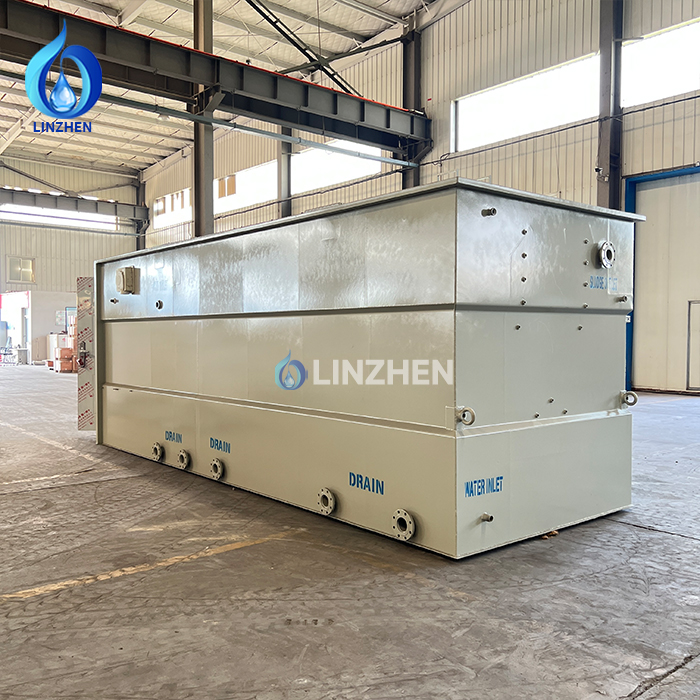
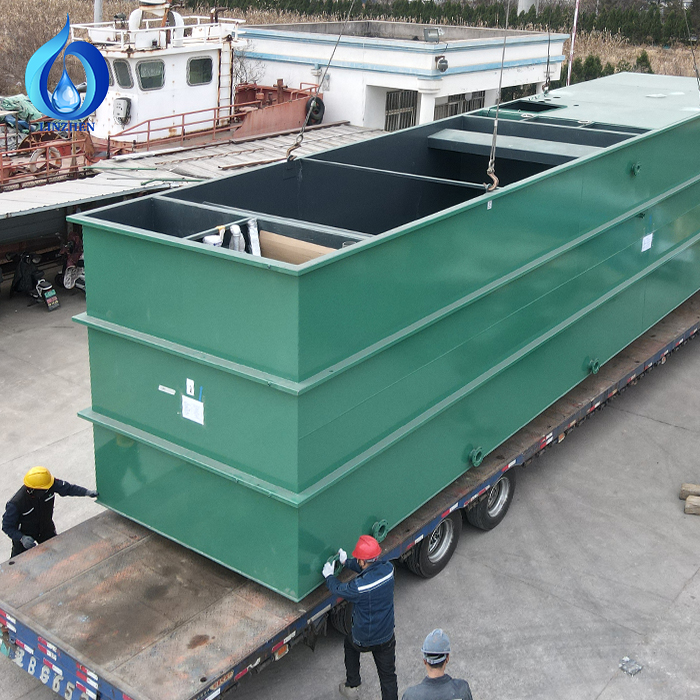
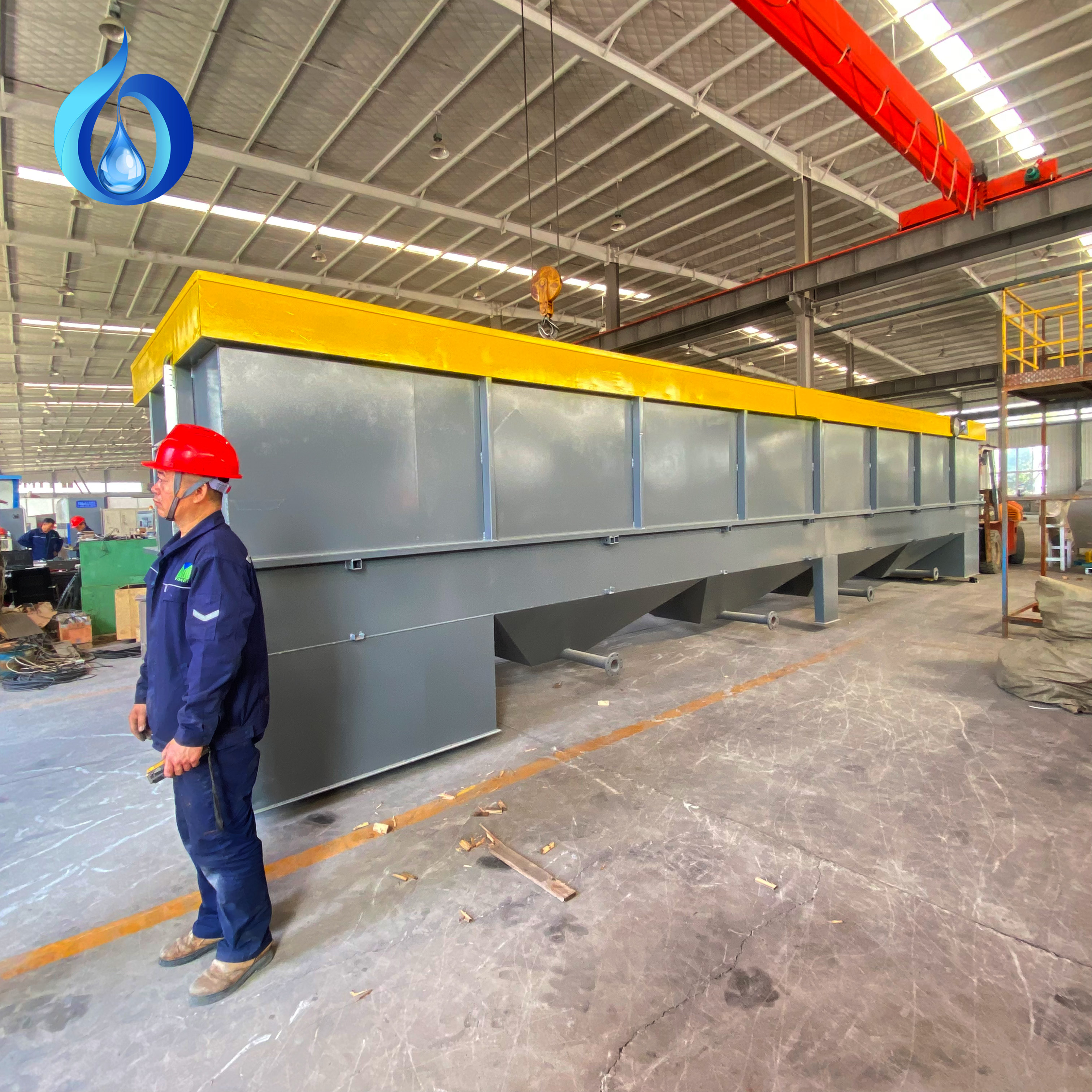
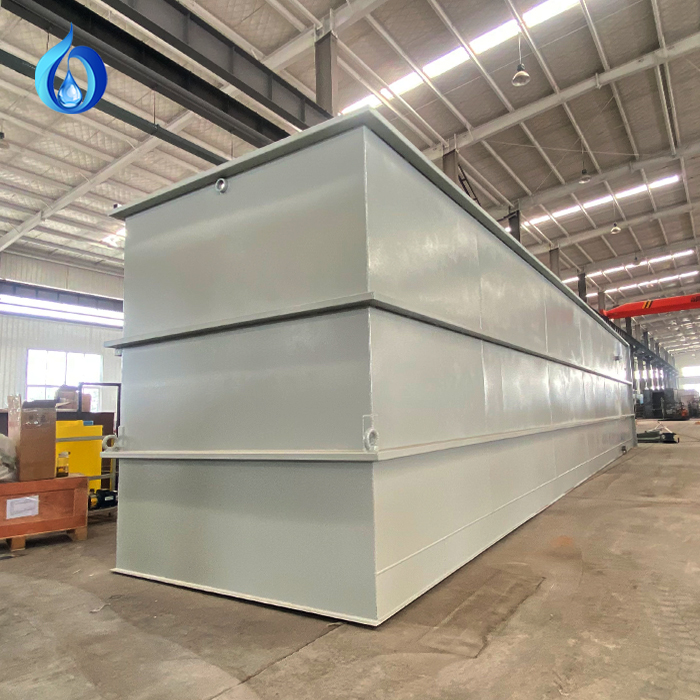
The first stage of any wastewater treatment plant involves mechanical separation of large solids and suspended particles. Screens and bar racks remove debris, rags, and oversized materials that could damage downstream equipment. A wastewater treatment plant then channels water into settling tanks where gravity causes dense particles, sludge, and heavier contaminants to sink to the bottom. This primary settling stage removes approximately 40–60% of suspended solids and reduces organic matter load before the water moves to secondary treatment. In the operating wastewater treatment plant, removal efficiency improves when flow rates remain controlled and residence time allows adequate particle settlement.
Grit and Oil Removal
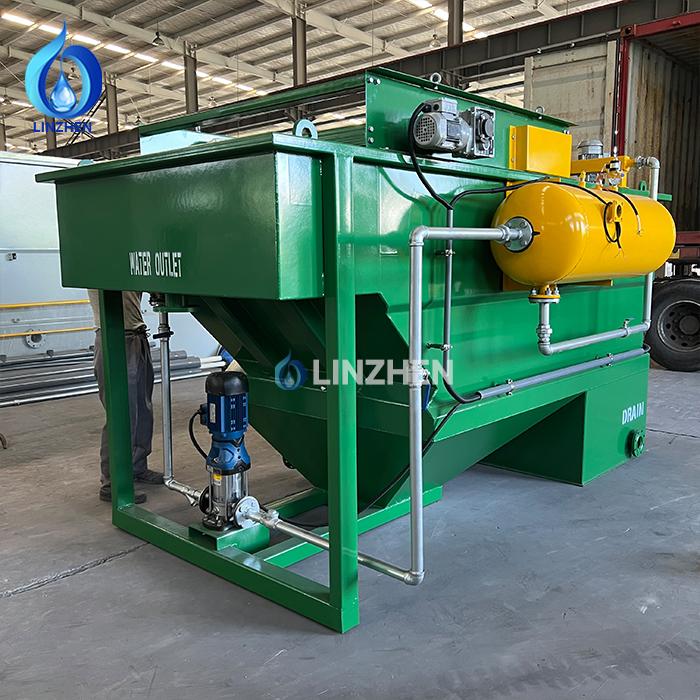
Industrial facility operators utilize a specialized wastewater treatment plant equipped with grit chambers to separate sand, gravel, and mineral particles from organic sludge. These inert materials settle at different velocities, allowing a wastewater treatment plant to remove them separately. Oil and grease removal systems—including API separators or corrugated plate interceptors—skim floating petroleum products from the water surface. The overall wastewater treatment plant efficiency improves significantly when oils are removed early, as they can interfere with biological treatment stages and create compliance issues. Many modern wastewater treatment plant designs now include dissolved air flotation (DAF) systems that micro-aerate water to float fine oil droplets and colloidal solids to the surface for removal.
Secondary Treatment: Biological and Chemical Processing
Activated Sludge and Biological Oxidation
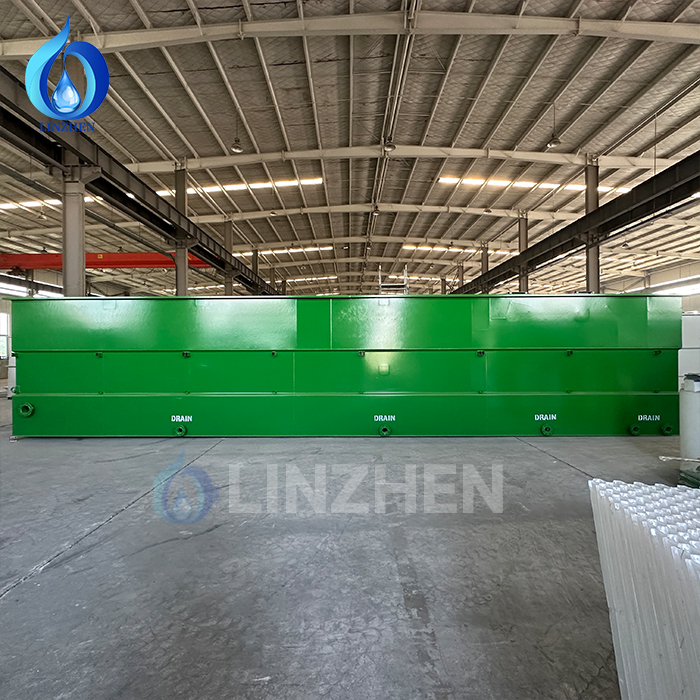
The heart of most systems within an industrial wastewater treatment plant is the secondary biological treatment stage, where microorganisms oxidize dissolved organic compounds and nitrogenous pollutants. In an aeration basin within the wastewater treatment plant, billions of aerobic bacteria consume organic matter as an energy source, converting it to carbon dioxide, water, and new cell biomass. This core wastewater treatment plant process reduces biochemical oxygen demand (BOD) by 80–95%, making it highly effective for food, beverage, and paper mill effluent. The wastewater treatment plant operator maintains optimal dissolved oxygen levels, retention time, and food-to-microorganism ratios to maximize biological treatment performance. Settling tanks following aeration allow treated biomass to separate from clarified effluent, with a portion recycled back to the wastewater treatment plant aeration basin to maintain microbial populations.
Advanced Chemical Treatment Methods
Many industrial facilities require chemical treatment alongside biological processes within their wastewater treatment plant system to handle complex pollutants and ensure effective industrial contaminant removal. Coagulation and flocculation agents—such as ferric sulfate or aluminum sulfate—cause colloidal particles and fine suspended matter to agglomerate into larger, more settleable flocs. A modern wastewater treatment plant may employ pH adjustment, oxidation with chlorine or ozone, and ion exchange resins to target specific contaminants like heavy metals or persistent organic compounds. Advanced oxidation processes (AOPs) in a wastewater treatment plant use ultraviolet light combined with hydrogen peroxide to break down recalcitrant chemicals that resist biological treatment. The wastewater treatment plant selection of chemical methods depends directly on contaminant type, regulatory limits, and cost-benefit analysis of treatment options.
Advanced Treatment and Polishing Stages
Membrane Filtration and Separation Technology
High-performance wastewater treatment plant systems now incorporate membrane technologies including microfiltration, ultrafiltration, nanofiltration, and reverse osmosis to achieve superior contaminant removal. These advanced processes in a wastewater treatment plant can remove bacteria, viruses, dissolved salts, and residual chemicals down to parts-per-million levels or below. A wastewater treatment plant using membrane technology can produce water suitable for reuse in process applications or irrigation, reducing freshwater consumption and wastewater disposal volumes. The wastewater treatment plant operator must manage membrane fouling through pre-treatment, backflushing, and periodic chemical cleaning to maintain long-term performance. Integration of membranes into a wastewater treatment plant design increases capital and operational costs but delivers regulatory compliance and resource recovery benefits that justify the investment for many industries.
Tertiary Polishing and Nutrient Removal
Regulatory agencies increasingly require wastewater treatment plant systems to remove nitrogen and phosphorus compounds that cause environmental eutrophication in receiving waters. A modern wastewater treatment plant can achieve nutrient removal through biological nitrogen removal (nitrification-denitrification) and chemical phosphorus precipitation. Constructed wetlands or polishing lagoons used by some wastewater treatment plant operators provide natural treatment, beneficial for facilities with available land. The wastewater treatment plant final polishing stage often includes activated carbon adsorption to remove residual color, odor, and trace organic compounds. Before discharge, the treated water from a wastewater treatment plant passes through ultraviolet disinfection or chlorination to eliminate pathogenic microorganisms, ensuring the final effluent meets all environmental standards and protects receiving ecosystems.
FAQ
What contaminants does a wastewater treatment plant remove most effectively?
A wastewater treatment plant excels at removing suspended solids, organic matter, oils, grease, and biodegradable compounds through primary and secondary treatment stages. Biological treatment in a wastewater treatment plant is particularly effective against BOD and chemical oxygen demand (COD) from food processing and organic manufacturing. Advanced treatment technologies allow a wastewater treatment plant to also address heavy metals, phenols, and synthetic chemicals. However, a wastewater treatment plant effectiveness depends on proper design for the specific contaminant profile, adequate residence time, and skilled operational management.
How long does wastewater treatment plant processing typically take?
The complete treatment cycle in a wastewater treatment plant typically requires 24–48 hours from raw influent to final discharge, depending on system design and contaminant complexity. Primary settling in a wastewater treatment plant takes 2–4 hours, while secondary biological treatment requires 6–12 hours of aeration and settling time. A wastewater treatment plant processing high-strength industrial waste or requiring advanced chemical treatment may need longer retention periods to meet discharge standards. Real-time monitoring and automated control systems in modern wastewater treatment plant equipment optimize these timeframes for both efficiency and compliance.
Can a wastewater treatment plant handle variable contaminant loads and industrial fluctuations?
A well-designed wastewater treatment plant can tolerate temporary flow surges and contaminant concentration spikes through equalization tanks and process flexibility. The wastewater treatment plant operator adjusts chemical dosing, aeration rates, and treatment intensity to maintain performance during operational changes. However, extreme or sustained variations may overwhelm a wastewater treatment plant system, requiring process automation, improved pre-treatment, or expanded capacity. Modern wastewater treatment plant control systems use real-time sensors and programmable logic controllers (PLCs) to automatically adapt treatment parameters and protect effluent quality even during industrial production fluctuations.
 EN
EN