Industrial facilities generate massive volumes of contaminated discharge daily, and without proper management, this effluent poses serious environmental and regulatory risks. Operating an industrial wastewater treatment plant serves as the critical infrastructure solution that removes heavy metals, suspended solids, chemical pollutants, and other harmful substances before water returns to natural systems or enters reuse cycles. Understanding how an industrial wastewater treatment plant functions reveals the sophisticated engineering required to balance environmental protection with manufacturing productivity. Effective industrial effluent treatment safeguards surrounding watersheds while allowing manufacturing plants to maintain uninterrupted daily operations.
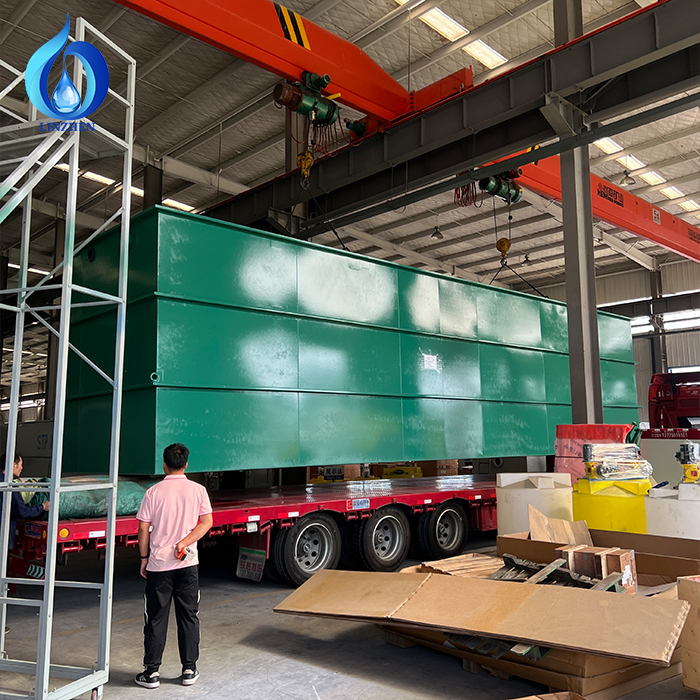
Every modern industrial wastewater treatment plant relies on three core operational pillars: physical separation, chemical transformation, and biological stabilization. Commercial manufacturing facilities depend on an industrial wastewater treatment plant to convert toxic discharge into fully compliant effluent or reusable process water. The exact design configuration of an industrial wastewater treatment plant adjusts according to the specific contamination profile of each sector, including automotive manufacturing, pharmaceutical synthesis, textile dyeing, mining extraction, and commercial food processing. Implementing dedicated wastewater treatment for factories mitigates regulatory non-compliance risks and reduces long-term operational liabilities.
Preliminary Mechanical Separation and Primary Clarification
Screening and Grit Removal in an Industrial Wastewater Treatment Plant
The initial processing stage within an industrial wastewater treatment plant extracts coarse physical debris and settleable solids that would otherwise damage downstream pumping machinery or impair subsequent chemical reactions. Automated bar screens intercept rags, synthetic packaging, wood fragments, and large particles. Specialized grit chambers allow dense sand, gravel, and heavy mineral particulates to settle out from the liquid matrix. These foundational screening steps protect sensitive instruments across the industrial wastewater treatment plant while substantially lowering the overall organic mass requiring downstream processing.
Primary Clarification and Sedimentation Operations
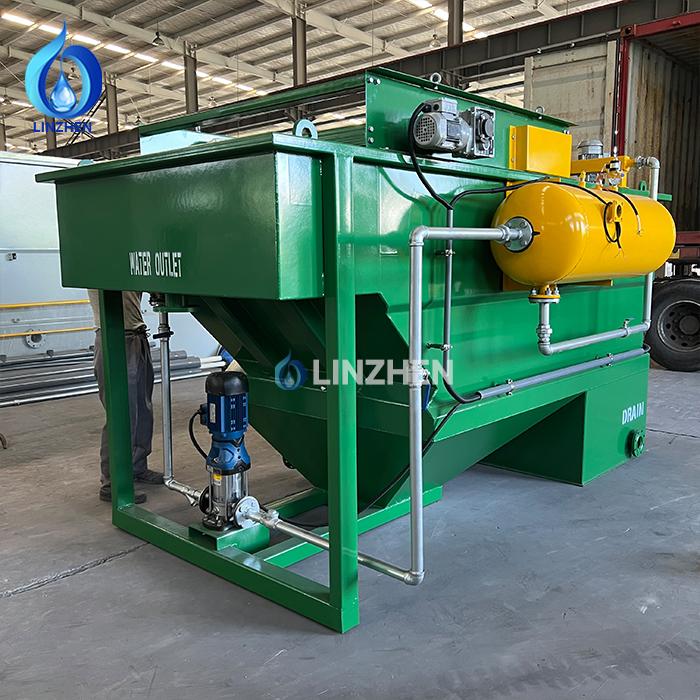
Primary clarifiers installed inside an industrial wastewater treatment plant provide the main gravimetric solids-liquid separation point. Gravitational settling forces suspended particles to form a bottom sludge layer, while insoluble oils and floating grease gather on the liquid surface for skimmed removal. This physical separation phase in an industrial wastewater treatment plant successfully eliminates approximately 50 to 60 percent of suspended solids and 30 to 40 percent of organic load prior to chemical treatment. Achieving optimal efficiency requires controlling basin retention time and maintaining laminar flow conditions within the industrial wastewater treatment plant layout.
Chemical Treatment and Heavy Metal Neutralization
Precipitation Methods for Heavy Metal Removal from Wastewater
Toxic elements such as lead, cadmium, hexavalent chromium, and zinc require chemical transformation prior to physical separation. An industrial wastewater treatment plant introduces specialized coagulants and flock-forming agents that chemically convert dissolved ions into stable, settleable solids. Lime, aluminum sulfate, and ferric salts react directly with soluble metallic ions, converting them into insoluble metal hydroxides. The industrial wastewater treatment plant subsequently isolates these precipitated solids through clarification or flotation units, concentrating contaminants into a manageable filter cake while producing cleaner liquid stream output for efficient heavy metal removal from wastewater.
Advanced Chemical Oxidation and Neutralization
Complex manufacturing streams frequently carry recalcitrant organic chemicals or fluctuating pH extremes that disrupt biological treatment units. An industrial wastewater treatment plant utilizes advanced oxidation processes—such as ozone injection, hydrogen peroxide reactions, or chlorine dosing—to break down persistent organic compounds and destroy pathogenic microorganisms. Precise pH adjustment using alkaline or acidic reagents ensures incoming streams meet optimal chemical criteria. These targeted chemical interventions inside an industrial wastewater treatment plant prevent toxic shock to sensitive biomass while improving total purification efficiency.
Biological Processes and Effluent Polishing
Activated Sludge Operations in an Industrial Wastewater Treatment Plant
Following chemical pretreatment, an industrial wastewater treatment plant utilizes biological oxidation to digest remaining organic pollutants, nitrogen compounds, and phosphorus. The activated sludge process maintains a concentrated microbial culture inside continuously aerated basins where aerobic bacteria consume organic molecules, transforming them into carbon dioxide, water, and biological cell mass. An industrial wastewater treatment plant operator tightly monitors dissolved oxygen levels, hydraulic retention times, and sludge age to maintain a stable biological community capable of handling fluctuating influent volumes.
Secondary Clarification and Advanced Filtration
Modern high-performance industrial wastewater treatment plant designs incorporate secondary clarifiers, membrane bioreactors, or fixed-film biological beds to satisfy stringent environmental discharge permits. These advanced configurations allow an industrial wastewater treatment plant to reduce biochemical oxygen demand to below 10 mg per liter and chemical oxygen demand to under 50 mg per liter. Integrating membrane filtration within the industrial wastewater treatment plant traps ultra-fine suspended solids, turning raw industrial discharge into high-purity water ready for internal factory reuse.
Final Quality Compliance and Residuals Management
Tertiary Disinfection and Environmental Compliance
The final processing phase of an industrial wastewater treatment plant applies polishing techniques to ensure total compliance with local environmental discharge regulations. Disinfection systems utilizing ultraviolet irradiation, chlorination, or ozonation neutralize lingering microbial pathogens. Specialized multi-media sand filters and granular activated carbon beds eliminate trace organic compounds, improving liquid clarity. An industrial wastewater treatment plant incorporating these tertiary purification steps reliably produces high-grade effluent suitable for surface water discharge or direct closed-loop manufacturing reuse.
Sludge Dewatering in an Industrial Wastewater Treatment Plant
Every operational industrial wastewater treatment plant produces concentrated residual sludge containing filtered solids, biological biomass, and precipitated metal complexes. Managing this material requires dewatering, stabilization, and safe disposal through certified industrial landfills or thermal incineration. Operating costs associated with sludge handling constitute a significant portion of overall industrial wastewater treatment plant economics. Advanced facilities incorporate anaerobic digestion systems to reduce solid sludge volume while generating methane gas, helping power the industrial wastewater treatment plant facilities internally.
FAQ
What primary contaminants can an industrial wastewater treatment plant remove?
An industrial wastewater treatment plant removes suspended solids, heavy metals, synthetic chemicals, free oils, grease, and biological pathogens. Physical screens remove debris, chemical processes achieve heavy metal removal from wastewater, biological stages degrade organic pollutants, and tertiary filtration delivers compliant industrial effluent treatment.
How long does discharge remain inside an industrial wastewater treatment plant?
Retention times inside an industrial wastewater treatment plant typically range from 6 to 24 hours depending on contamination levels. Primary settling takes 2 to 4 hours, biological processing requires 4 to 8 hours, and secondary clarification takes another 2 to 4 hours. Complex wastewater treatment for factories handling toxic chemical loads may require extended retention times.
Can an industrial wastewater treatment plant discharge effluent directly into local rivers?
Yes, provided the industrial wastewater treatment plant meets strict environmental permit regulations. Effluent must satisfy regional limits for biochemical oxygen demand, chemical oxygen demand, heavy metals, and pH balance. Tertiary polishing stages within an industrial wastewater treatment plant ensure discharge safety before environmental release.
 EN
EN