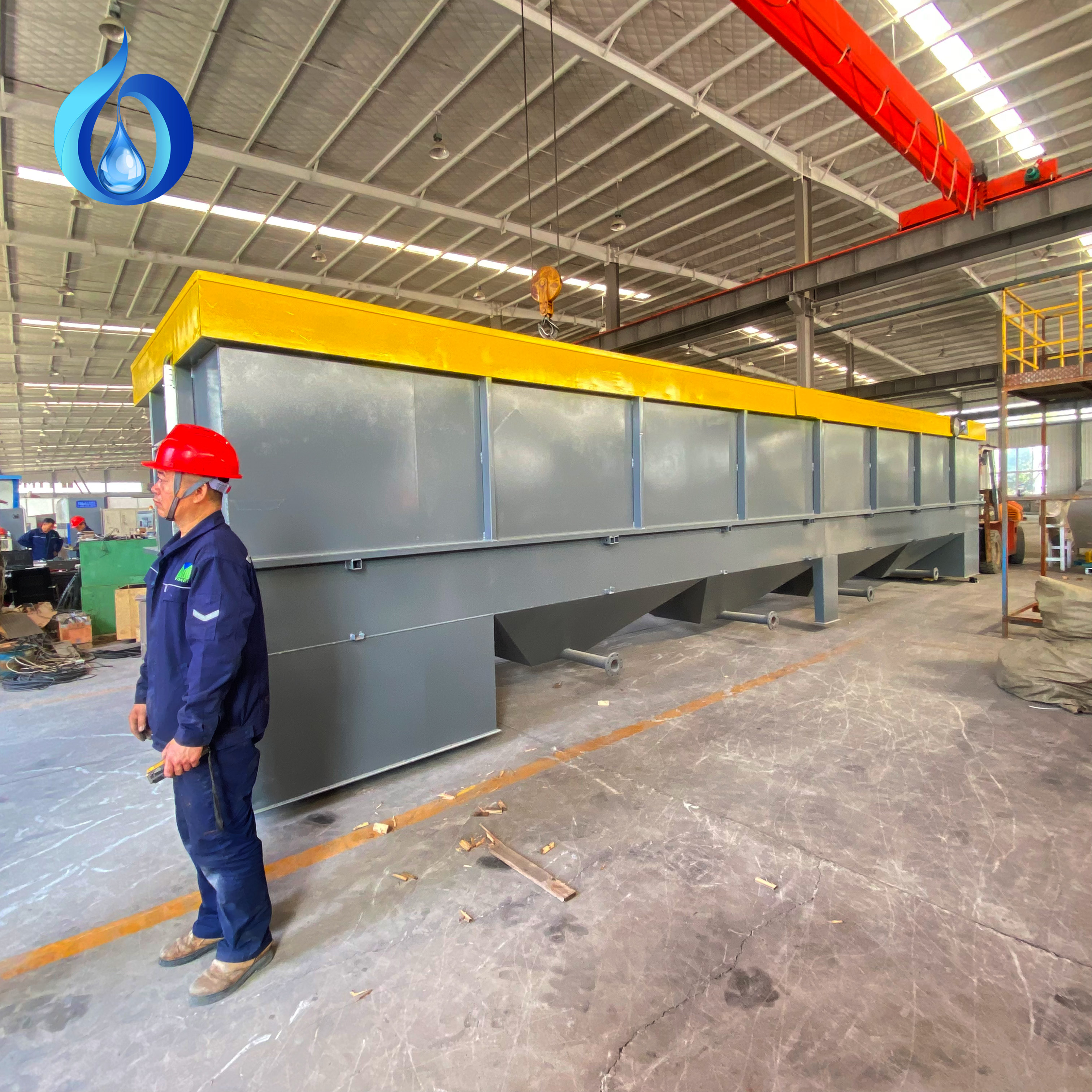
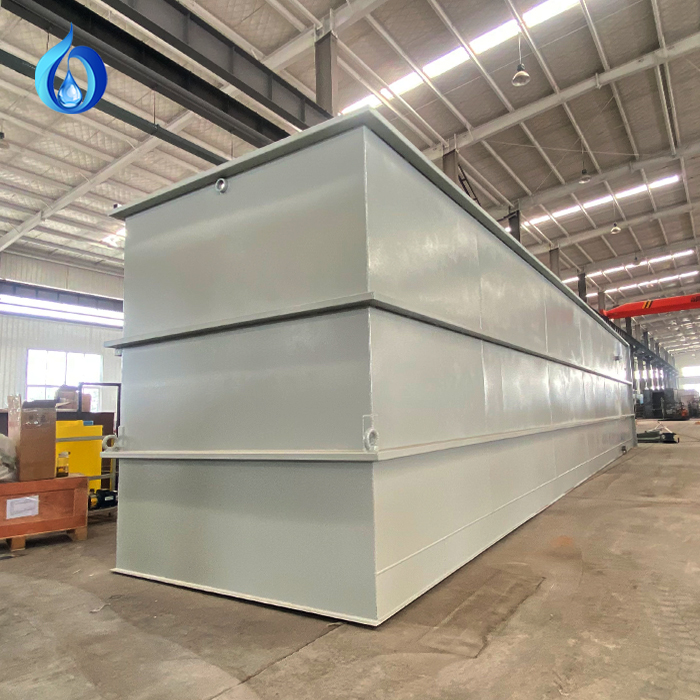
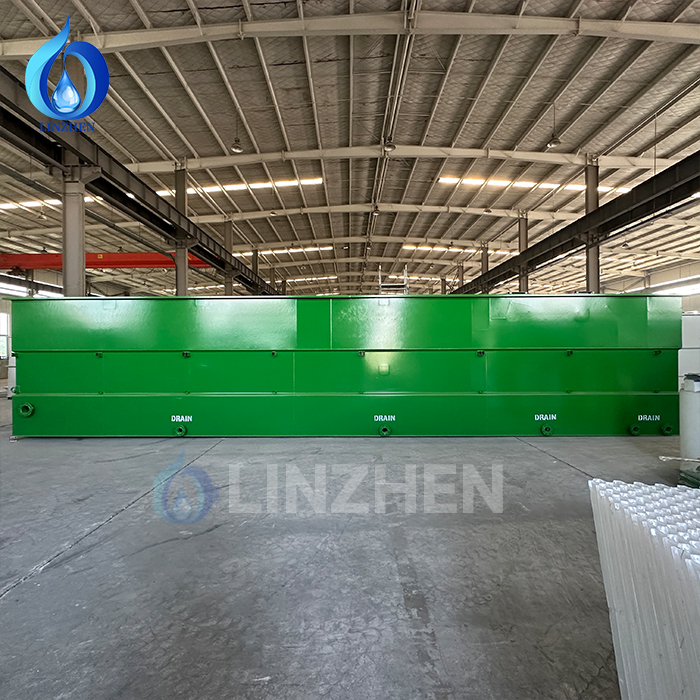
Industrial wastewater operations constantly seek strategies to lower operational overhead without compromising environmental compliance. Deploying a high-efficiency sludge dewatering machine effectively resolves this balance by dramatically shrinking the physical bulk and weight of residual solids. By transforming liquid sludge slurry into dense, manageable cakes, facility managers eliminate unnecessary water transport, optimize storage footprint, and minimize ongoing landfill tipping fees.
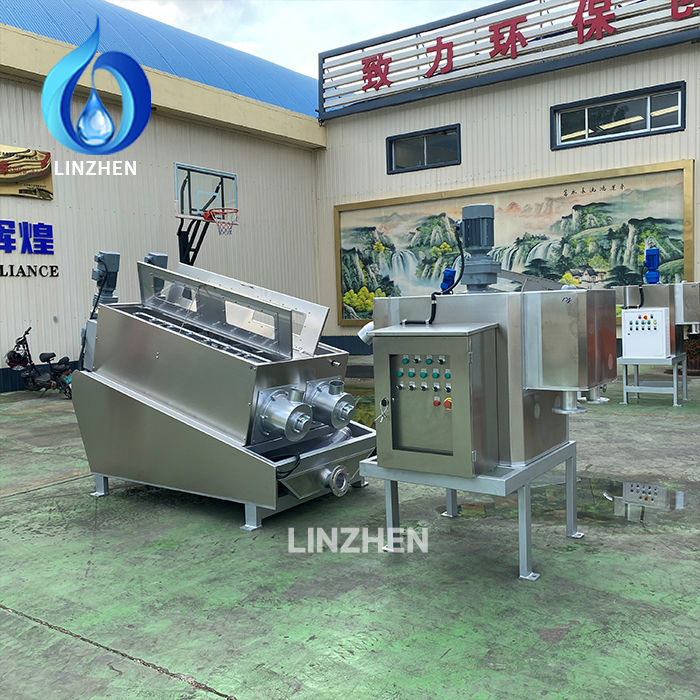
The investment economics behind a modern sludge dewatering machine remain compelling across industrial sectors. Plants operating a sludge dewatering machine notice immediate reductions in haulage frequency, direct fuel expenditure, and site labor costs. Because concentrated solids output from a sludge dewatering machine requires far less disposal volume, long-term operational budgets benefit from substantial, compounded savings starting from the initial setup.
Mechanical Separation Principles in Dewatering
How a Sludge Dewatering Machine Handles Heavy Waste Slurries
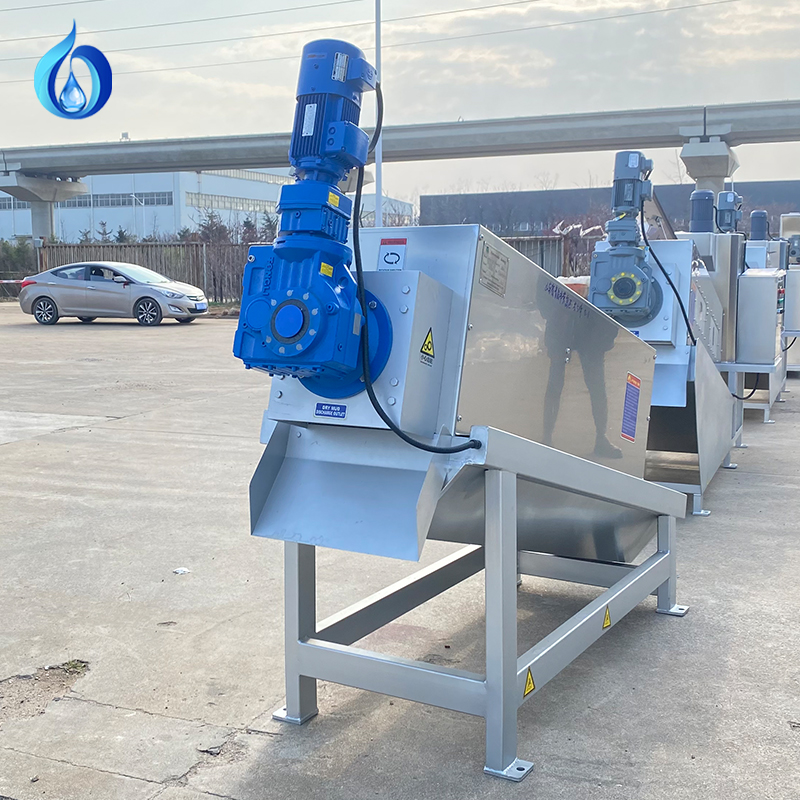
A professional sludge dewatering machine uses progressive mechanical pressure to squeeze free water out of solid matrices. As liquid waste feeds into the processing chamber of the sludge dewatering machine, internal components like multi-plate screws or filter belts compress the material against porous screens. Liquid filtrate drains out continuously, leaving behind compact cake solids ready for fast transport.
To keep a sludge dewatering machine running efficiently, operators adjust variable parameters such as drive speed, pressure gradients, feed volume, and polymer chemistry. Advanced multi-plate screw press configurations within a modern sludge dewatering machine prevent clogging while maintaining steady filtration rates. This modular adaptability allows a sludge dewatering machine to process diverse effluent streams while maintaining high cake dryness.
Targeting Water Content Reduction for Financial Gain
A primary advantage of implementing a sludge dewatering machine is dropping moisture levels from 98% down to 70–80%. Since water represents the vast majority of raw liquid mass, passing solids through a sludge dewatering machine drastically decreases overall tonnage. For instance, processing raw slurry through a sludge dewatering machine cuts daily hauling requirements down to a fraction of initial bulk levels.
Because commercial landfills bill disposal fees strictly by overall weight, the mass reduction achieved by a sludge dewatering machine directly protects facility bottom lines. Furthermore, handling dried solids generated by a sludge dewatering machine decreases container rentals, lowers internal storage demands, and prevents wet sludge spills on site.
Financial Breakdown and Long-Term Value
Calculating Direct Haulage and Tipping Reductions
Evaluating the financial return of a sludge dewatering machine requires auditing baseline hauling expenses against treated solids output. When an industrial facility integrates a sludge dewatering machine, typical transport expenses drop by over 60%. Over years of continuous operation, running a sludge dewatering machine yields hundreds of thousands of dollars in cumulative operational savings.
Initial equipment acquisition for a commercial sludge dewatering machine varies based on throughput capability, stainless-steel construction, and automation levels. Most facilities utilizing a continuous sludge dewatering machine achieve complete capital recovery within 12 to 30 months. As regional disposal rates trend higher, installing a sludge dewatering machine delivers even greater relative cost avoidance over time.
Secondary Advantages of Solid-Liquid Separation
Integrating a sludge dewatering machine provides practical advantages far beyond basic logistics. Utilizing a compact sludge dewatering machine eliminates the need for messy drying beds or costly holding lagoons. Furthermore, dried cake produced by a sludge dewatering machine often opens opportunities for beneficial byproduct reuse, such as soil conditioning or incineration energy recovery.
Operation, Conditioning, and Maintenance Protocol
Feed Conditioning and Equipment Setup
Achieving peak output from a sludge dewatering machine requires proper chemical conditioning before mechanical pressing. Flocculants are mixed into incoming slurry to bind micro-particles into larger flocs, allowing the sludge dewatering machine to extract liquid efficiently. Modern sludge dewatering machine setups include automated polymer preparation units that adjust dosage based on real-time feedback sensors.
Selecting the ideal sludge dewatering machine configuration depends on specific sludge characteristics. Biological activated sludge performs exceptionally well in a screw-type sludge dewatering machine, while heavier mineral slurries may require belt presses or centrifuges. Proper pilot testing ensures your sludge dewatering machine matches actual operational requirements.
Ensuring High Reliability and System Uptime
Maintaining consistent throughput from a sludge dewatering machine relies on straightforward preventive care. Regular tasks include cleaning filter screens, inspecting wear rings, lubricating bearings, and checking seal integrity. Maintaining high operational availability ensures your sludge dewatering machine continuously delivers maximum volume reduction without unplanned downtime.
Industrial Applications and Modern System Integration
Deploying Dewatering Systems in Industrial Treatment Plants
A compact sludge dewatering machine fits seamlessly into existing municipal or industrial wastewater flow sheets following thickening steps. Industrial sectors—ranging from food processing to pulp manufacturing—rely on a sludge dewatering machine to process challenging waste streams efficiently. The small footprint of a modern sludge dewatering machine minimizes retrofitting costs in crowded plant spaces.
System integration is simple: thickened waste feeds into the sludge dewatering machine, expressed filtrate returns to secondary treatment, and dewatered cake drops directly into disposal hoppers. Automated controls allow the sludge dewatering machine to adjust operating parameters dynamically without requiring constant manual intervention.
Scalability for Growing Processing Demands
Facilities facing rising wastewater volumes can expand their sludge dewatering machine capacity through modular installations. Adding a parallel sludge dewatering machine unit increases daily throughput while providing redundant backup during routine maintenance. This flexible approach allows treatment plants to scale their sludge dewatering machine infrastructure alongside facility growth.
FAQ
What cake dryness can a sludge dewatering machine produce?
A standard sludge dewatering machine reduces moisture levels down to 70–80% cake solids depending on feed characteristics and polymer dosage. Specialized sludge dewatering machine configurations processing specific inorganic wastes can achieve even higher solid concentrations.
What is the typical ROI period for a sludge dewatering machine?
Most treatment facilities achieve full financial payback on a sludge dewatering machine within 12 to 30 months. Higher local disposal fees and larger daily processing volumes accelerate the return on investment for a sludge dewatering machine.
What daily maintenance does a sludge dewatering machine require?
A sludge dewatering machine requires routine washdowns, lubrication of mechanical drives, and regular inspection of filter media. Modern automated features allow a sludge dewatering machine to execute self-cleaning cycles with minimal operator supervision.
 EN
EN