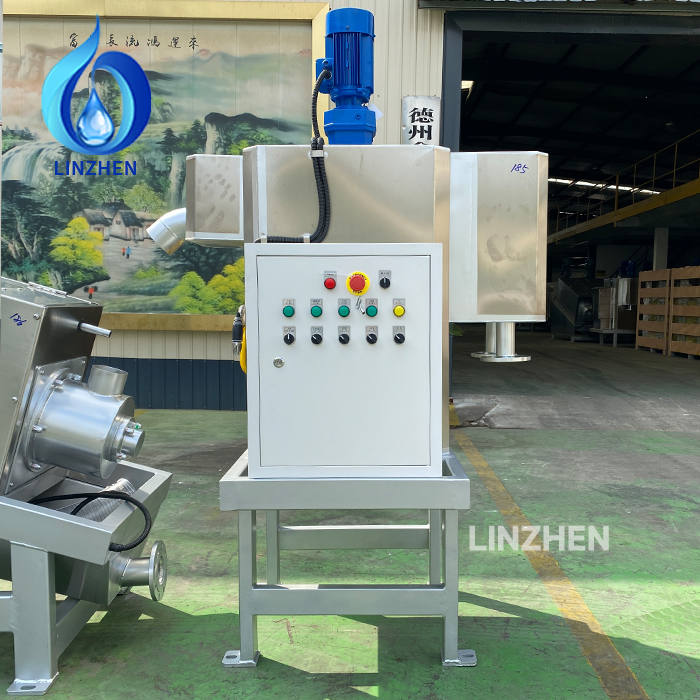
Industrial wastewater treatment facilities and municipalities face mounting challenges with sludge management. A sludge dewatering machine is essential technology that transforms wet, bulky sludge into manageable, drier solids. This process directly reduces the volume of material requiring disposal, which significantly lowers transportation, landfill, and treatment costs. Understanding how a sludge dewatering machine operates reveals why it has become indispensable for facilities seeking operational efficiency and environmental compliance.
The economics of sludge disposal depend heavily on volume reduction. Raw sludge typically contains 95–99% water, meaning enormous quantities must be transported and processed. A sludge dewatering machine removes a substantial portion of this liquid, reducing disposal volume by 50–80% depending on technology type and sludge composition. This dramatic reduction translates into measurable cost savings across hauling, treatment, and final disposal pathways.
How a Sludge Dewatering Machine Reduces Disposal Volume
Mechanical Separation Technology in Dewatering Machines
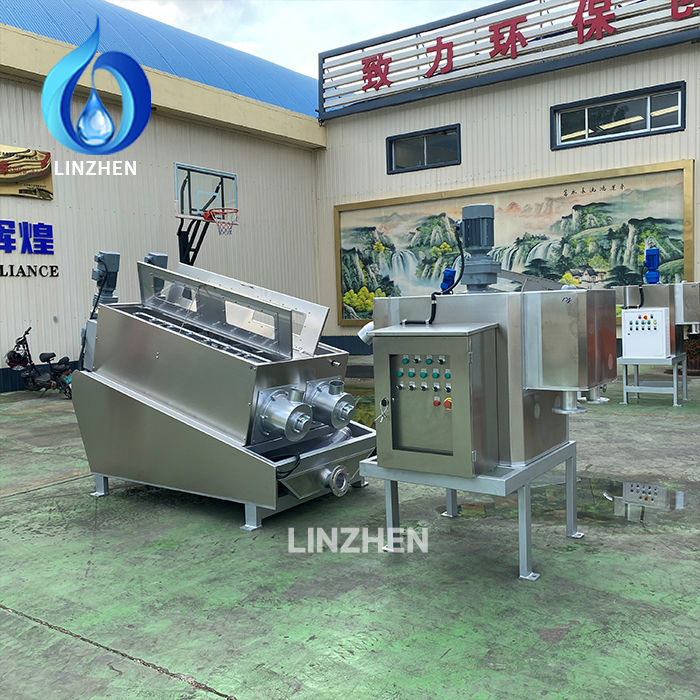
A sludge dewatering machine employs mechanical compression, centrifugal force, or press action to force water out of sludge solids. Screw press and plate frame press models are the most common configurations in industrial settings. These machines apply gradually increasing pressure, which separates liquid from solid material without requiring chemical additives or extensive settling time. The compressed cake that exits the sludge dewatering machine retains minimal moisture, typically 70–80% solids content compared to the original 1–5% in raw sludge.
Volume Reduction Impact on Transportation
Transportation represents one of the largest costs in sludge management. A single truckload of raw sludge may contain only 500–1,000 kilograms of actual solids material buried in water weight. After processing through a sludge dewatering machine, the same solids volume occupies perhaps one-fifth of the original truck space. Facilities processing 10–50 tons of sludge daily experience dramatic reductions in hauling trips, directly lowering fuel, labor, and vehicle maintenance expenses. A sludge dewatering machine essentially compresses a month of disposal tasks into far fewer transport movements.
Direct Cost Reductions Achieved Through Dewatering Technology
Landfill Gate Fees and Disposal Charges
Most landfills and waste treatment facilities charge by volume or weight. Reducing sludge volume through a sludge dewatering machine directly cuts these gate fees proportionally. A facility that reduces sludge volume by 70% immediately cuts disposal fees by 70% for the same amount of incoming raw sludge. Over one year, this savings compounds dramatically, especially for medium to large treatment plants processing hundreds of tons monthly. The sludge dewatering machine essentially pays for itself through reduced disposal fees alone within months of installation.
Operational Efficiency and Labor Impact
Handling concentrated solids requires less operator attention and fewer maintenance interventions than managing wet sludge streams. A sludge dewatering machine automates the separation process, requiring only startup calibration and periodic cleaning cycles. Staff spend less time managing sludge queues, adjusting separation parameters, or troubleshooting overflow conditions. The consistent, predictable cake discharge from a sludge dewatering machine also reduces downstream handling time at disposal sites, further lowering labor costs across the entire sludge chain.
Additional Value and Long-Term ROI of Sludge Dewatering Machines
Environmental Compliance and Regulatory Benefits
Regulatory agencies increasingly mandate waste reduction and resource recovery. A sludge dewatering machine demonstrates active compliance with these directives by proving that facilities are minimizing disposal volume and environmental impact. Many jurisdictions offer tax incentives or grant funding for wastewater treatment improvements, including sludge dewatering machine installations. Documentation of volume reduction and cost savings also strengthens permits during renewal cycles and improves facility standing with environmental oversight bodies.
Renewable Energy and Biosolids Potential
Dewatered sludge from a sludge dewatering machine is suitable feedstock for composting, anaerobic digestion, or energy recovery programs. Many facilities combine sludge dewatering machine technology with biogas generation, creating revenue streams or energy offset. Drier solids also burn more efficiently in thermal treatment processes, recovering energy that offsets operating costs. The sludge dewatering machine thus enables secondary revenue models that would be impossible with wet, dilute sludge streams.
FAQ
What type of sludge can a sludge dewatering machine handle?
A sludge dewatering machine handles activated sludge, primary sludge, digested sludge, and mixed sludge streams from municipal and industrial wastewater treatment. Cake dryness and processing efficiency depend on sludge composition, polymer conditioning, and machine design. Industrial sludge with high fiber or grease content may require pre-treatment before the sludge dewatering machine achieves optimal performance, but most standard wastewater sludges process effectively with minimal adjustment.
How long does a sludge dewatering machine typically last?
A well-maintained sludge dewatering machine operates reliably for 10–15 years or more. Routine maintenance includes bearing lubrication, seal inspection, wear plate replacement, and polymer line flushing. Operational life depends on sludge feed consistency, chemical conditioning quality, and preventive maintenance discipline. Many facilities extend sludge dewatering machine lifespan beyond 15 years through planned component upgrades and diligent care, making the total cost of ownership highly favorable.
Can a sludge dewatering machine replace all other sludge treatment methods?
A sludge dewatering machine is often the primary dewatering step but typically works within a broader treatment train. Pre-treatment such as thickening or conditioning may be necessary for optimal performance. The sludge dewatering machine produces cake ready for final disposal, composting, or energy recovery, but does not necessarily eliminate all upstream or downstream processes. However, it is the most cost-effective method for volume reduction and is suitable as the centerpiece of most sludge management strategies.
 EN
EN