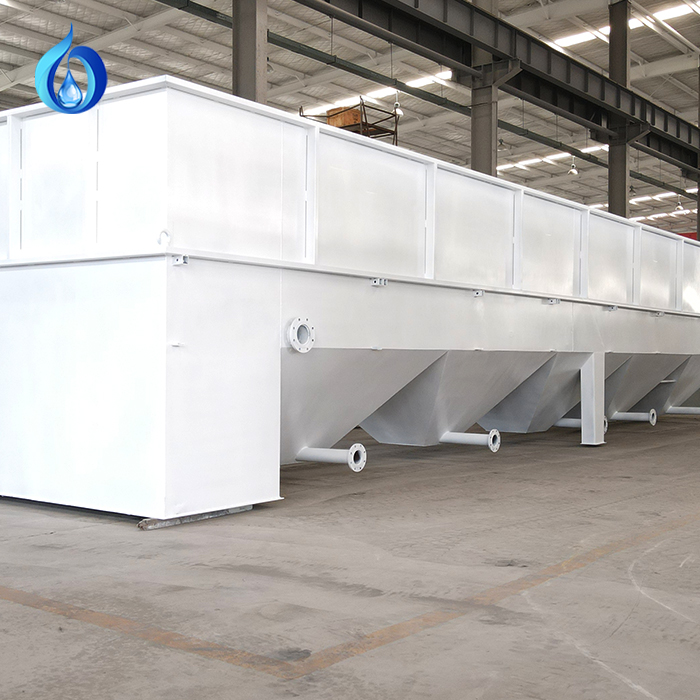
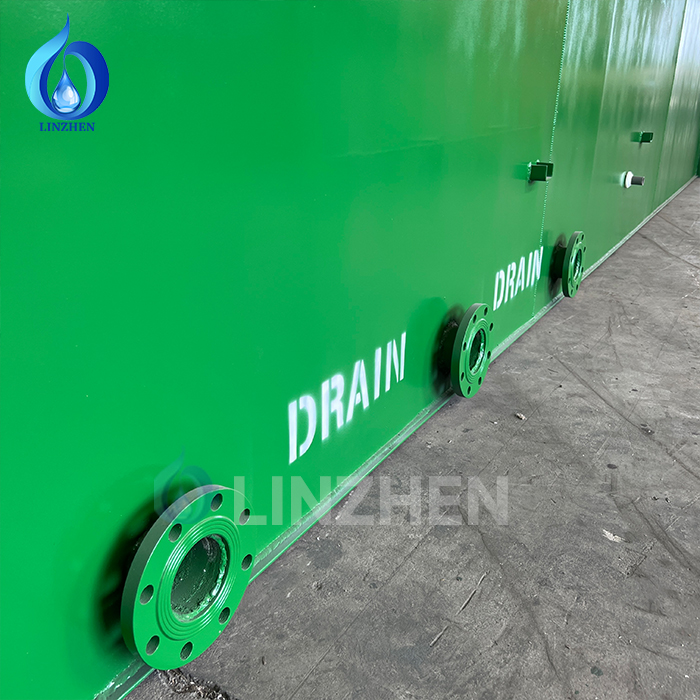
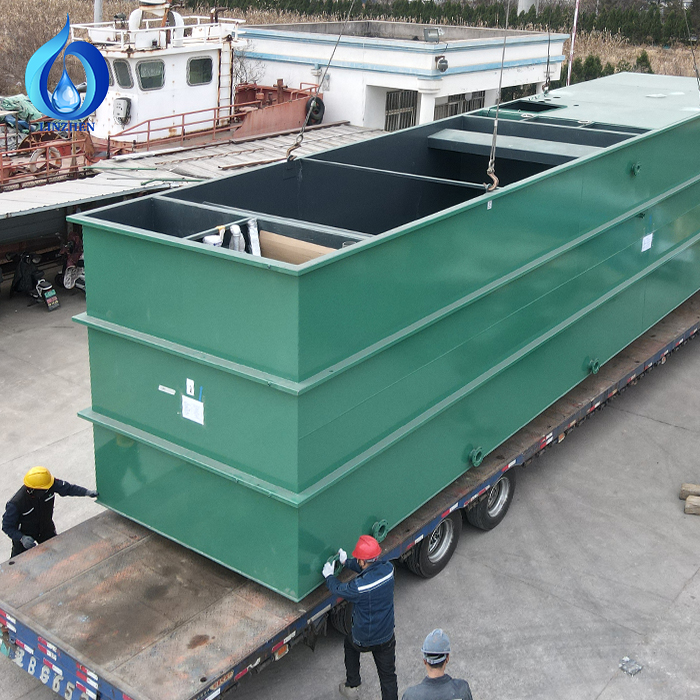
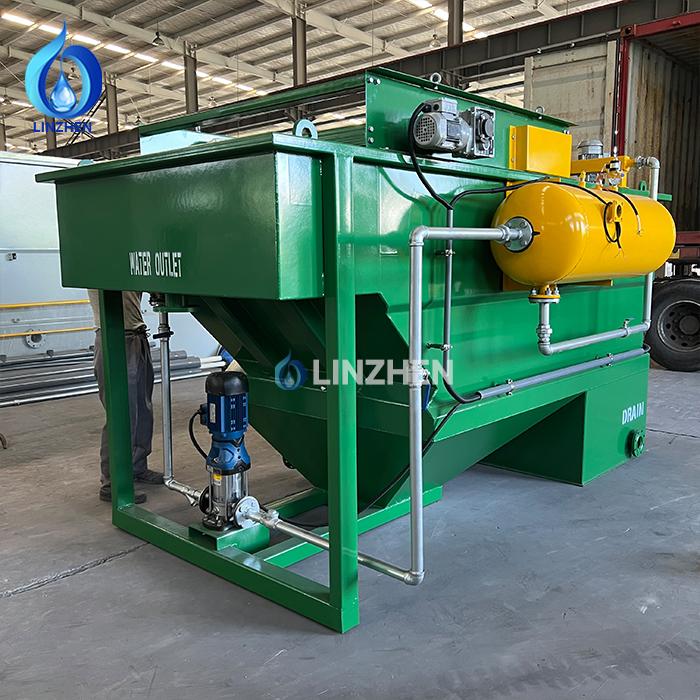
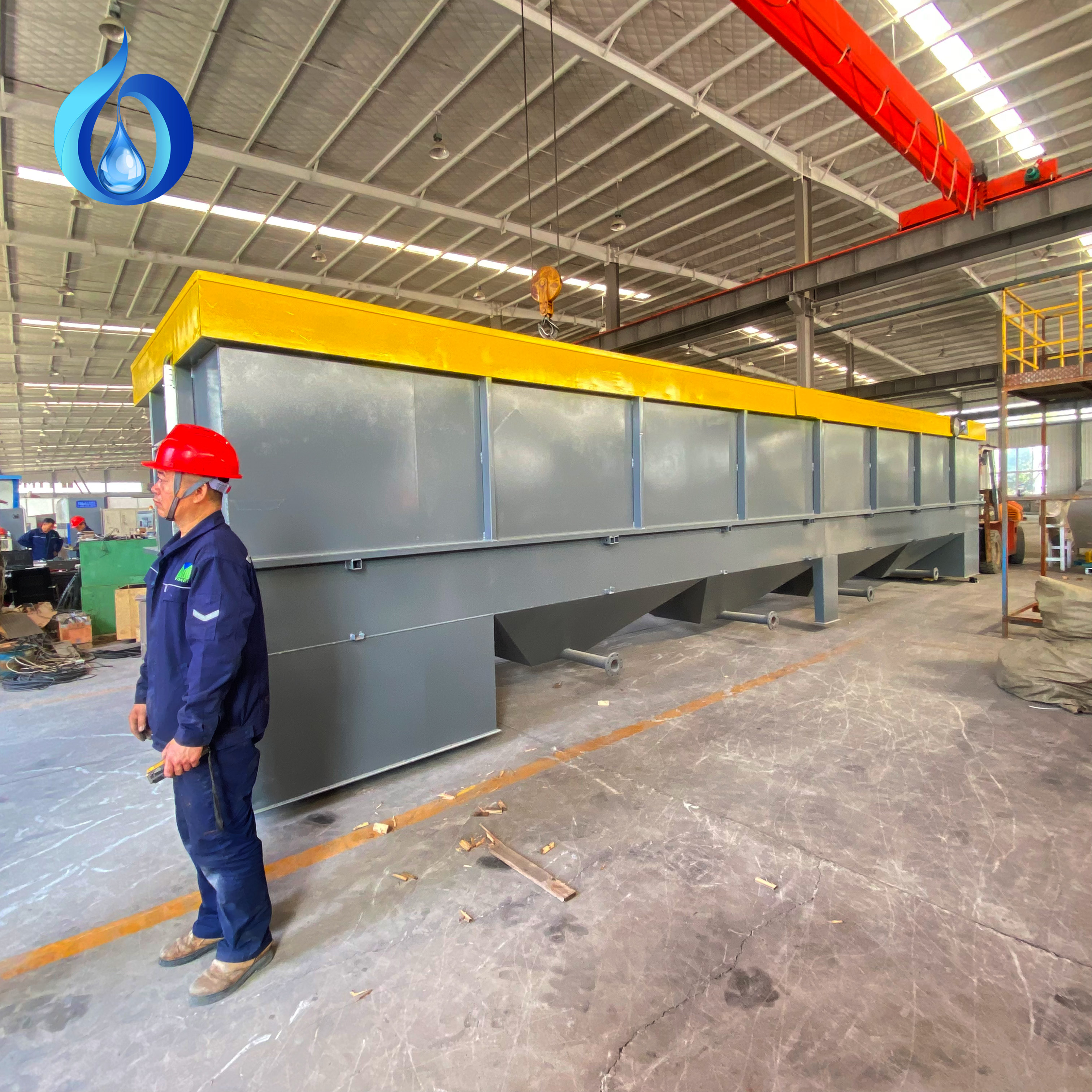
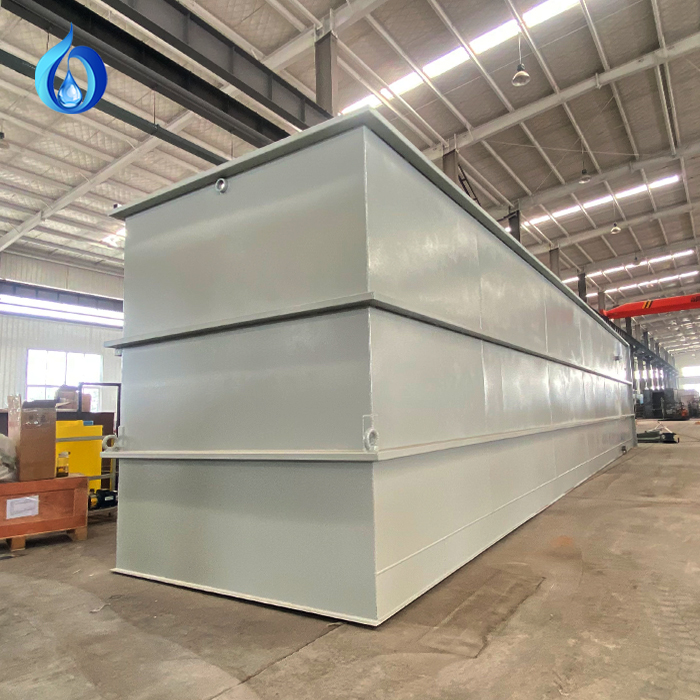
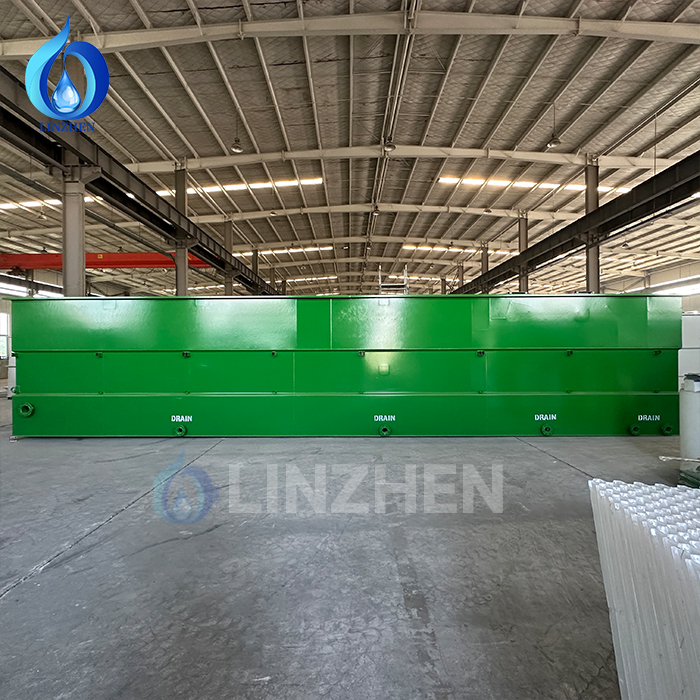
A lamella clarifier represents a breakthrough in compact wastewater treatment design, offering significantly higher settling efficiency compared to conventional clarification systems. Organizations operating in space-constrained facilities often struggle with balancing treatment capacity against footprint requirements, but a modern lamella clarifier solves this challenge through innovative inclined plate clarifier technology. This advanced clarification approach enables faster particle separation, allowing water treatment operators to handle higher flow rates within minimal physical space using a space-saving clarifier solution.
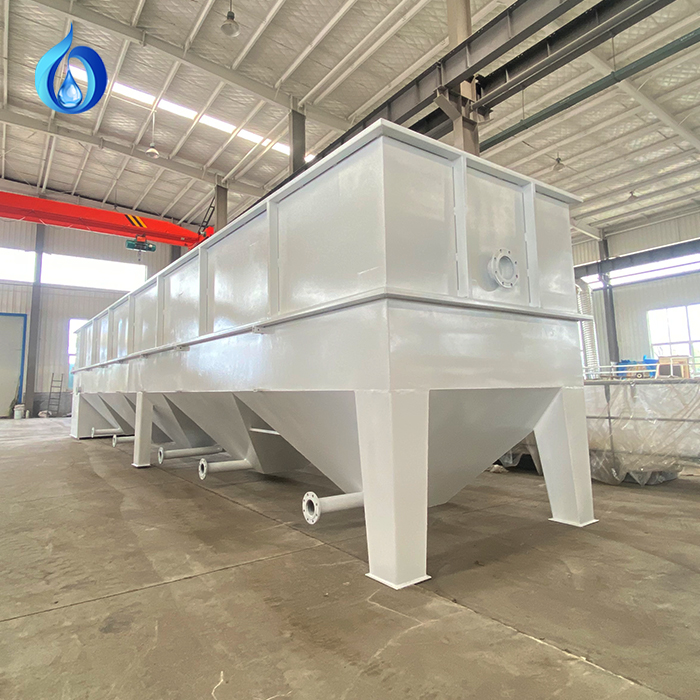
The fundamental advantage of a lamella clarifier lies in its ability to multiply the effective settling area without expanding the equipment footprint. By stacking multiple plates at a steep angle, the lamella clarifier creates parallel settling pathways that dramatically reduce the distance particles must travel to separate from the liquid phase. This means industrial facilities can achieve superior treatment performance using a lamella clarifier that occupies far less space than traditional horizontal settling tanks, making the lamella clarifier an essential component in modern water purification setups.
How Lamella Clarifier Design Maximizes Settling Efficiency
Inclined Plate Technology and Settling Dynamics in a Lamella Clarifier
The core mechanism that makes a lamella clarifier so effective is the integration of an inclined plate clarifier structure, where closely spaced plates are installed at angles typically between 45 and 60 degrees. Unlike conventional clarifiers where particles must settle vertically through the entire tank depth, suspended solids in a lamella clarifier only need to travel a short perpendicular distance before reaching a plate surface. Once particles contact the plate inside the lamella clarifier, gravity naturally causes them to slide downward along the inclined surface toward the collection hopper at the bottom.
This design principle fundamentally transforms settling behavior within the lamella clarifier. A lamella clarifier reduces the effective settling distance by a factor of 10 to 20 times compared to traditional sedimentation tanks, which directly boosts settling efficiency and particle removal rates. The shorter distance means particles spend less time suspended in the water column, enabling higher overflow rates and greater treatment throughput within the lamella clarifier while maintaining a highly compact wastewater treatment footprint.
Effective Surface Area Expansion Provided by a Lamella Clarifier
The multiplication of surface area is where a lamella clarifier achieves its space-saving magic. A conventional clarifier occupying 100 square meters of floor space might provide only that 100 square meters of actual settling surface. Conversely, a lamella clarifier of equivalent footprint can provide 1,000 or more square meters of effective settling surface through plate stacking. This dramatic expansion allows a lamella clarifier to function as an ideal space-saving clarifier that requires significantly less land area to achieve high treatment capacity.
The plate arrangement inside a lamella clarifier also promotes laminar flow patterns that minimize turbulence and resuspension of settled material. By maintaining orderly flow conditions across multiple parallel channels, the lamella clarifier ensures that particles remain separated once they settle onto plate surfaces, preventing the washout problems common in less refined settling systems and reinforcing the reliability of the lamella clarifier system.
Operational Benefits and Performance Advantages of a Lamella Clarifier
Increased Treatment Capacity in Compact Wastewater Treatment Installations
Facilities choosing a lamella clarifier gain the ability to process significantly higher influent volumes without expanding physical plant boundaries. This capacity advantage makes a lamella clarifier especially valuable for wastewater treatment plants situated in urban centers, industrial parks with limited space, or retrofit projects where ground area expansion is prohibitive. Deploying a lamella clarifier enables operators to increase throughput by 50 to 100 percent compared to existing footprint constraints.
The rapid settling action enabled by a lamella clarifier also provides operational flexibility. When influent flow surges occur, the lamella clarifier can accommodate temporary spikes more effectively than traditional clarifiers because the compressed settling distance allows particles to separate quickly. This responsiveness helps treatment plants maintain regulatory compliance and ensures high settling efficiency even during peak loading events.
Reduced Sludge Handling and Improved Dewatering in a Lamella Clarifier
Another significant benefit of choosing a lamella clarifier involves the characteristics of settled material. The concentrated sludge collected at the bottom of a lamella clarifier tends to be denser and more consolidated than sludge from conventional settling tanks. This higher solids concentration reduces the volume of material requiring further treatment, lowering costs associated with sludge management. The lamella clarifier essentially produces better-quality settled solids with less excess moisture.
Operators also notice that a lamella clarifier produces clearer overflow water with fewer suspended solids reaching downstream treatment stages. The improved effluent quality from the lamella clarifier means that sand filters, membrane systems, or polishing units experience extended service life because they receive influent with lower particulate loads. Utilizing a lamella clarifier extends overall equipment life across the entire treatment train.
Industrial Applications and Space-Constrained Scenarios
Municipal Wastewater Treatment Optimization Using a Lamella Clarifier
A lamella clarifier serves as an ideal solution for municipal treatment facilities facing population growth or regulatory upgrades without the option to acquire additional property. Cities and municipalities often employ a lamella clarifier as a retrofitting strategy, installing the new inclined plate clarifier equipment within existing tank structures. The lamella clarifier allows treatment agencies to triple or quadruple existing capacity while staying within existing facility boundaries.
Industrial wastewater generators such as food processing plants, chemical manufacturers, and beverage producers benefit substantially from a lamella clarifier deployment. These operations generate variable influent volumes with high suspended solid concentrations, conditions where a lamella clarifier excels due to its rapid kinetics. Utilizing a lamella clarifier enables these industries to meet pretreatment standards reliably while relying on a compact wastewater treatment unit.
Specialized Applications and Environmental Benefits of a Lamella Clarifier
Mining operations, stormwater management facilities, and aquaculture installations increasingly adopt a lamella clarifier approach for primary treatment. In these sectors, land availability is often limited, and water recovery efficiency is commercially important. A lamella clarifier accelerates clarification of sediment-laden influent, producing reusable water while concentrating solid waste for efficient recovery or disposal as a reliable space-saving clarifier.
The environmental advantage of deploying a lamella clarifier extends beyond space savings. By improving settling efficiency, a lamella clarifier reduces the need for chemical coagulants and flocculants required in less efficient systems. The reduced chemical consumption lowers operating costs, minimizes environmental discharge of treatment chemicals, and makes the lamella clarifier a highly sustainable choice.
FAQ
What is the typical settling efficiency improvement when using a lamella clarifier?
A lamella clarifier typically achieves 50 to 80 percent faster settling rates compared to conventional horizontal settling tanks. The compressed settling distance within a lamella clarifier means particles reach collection surfaces in minutes rather than hours, directly improving settling efficiency and operational throughput.
How much space can a lamella clarifier save compared to traditional clarifiers?
A lamella clarifier can reduce the required footprint by 60 to 80 percent while maintaining or exceeding capacity. As a leading space-saving clarifier, a lamella clarifier is ideal for retrofit projects and compact wastewater treatment sites where land value is high.
What maintenance requirements does a lamella clarifier involve?
A lamella clarifier requires periodic cleaning of plate surfaces to prevent biofilm accumulation. Operating an inclined plate clarifier system with automated sludge removal ensures smooth functioning and maintains continuous settling efficiency in the lamella clarifier.
 EN
EN