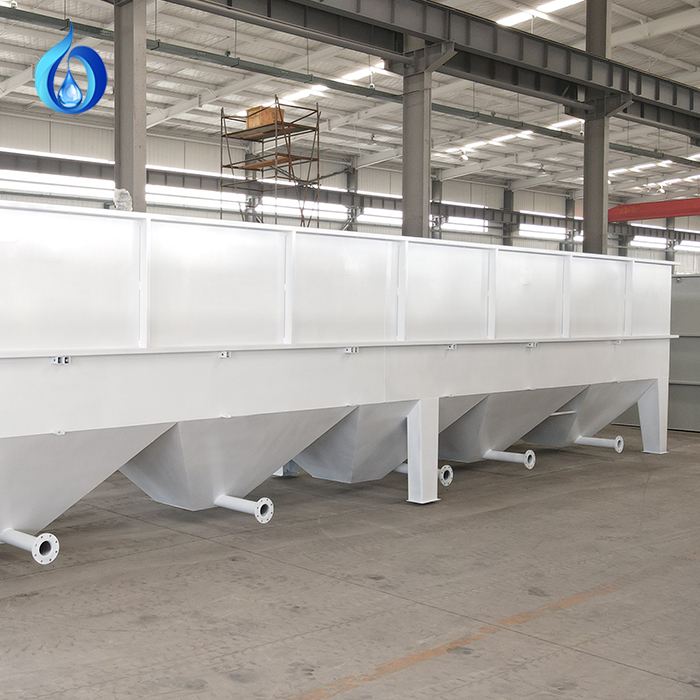
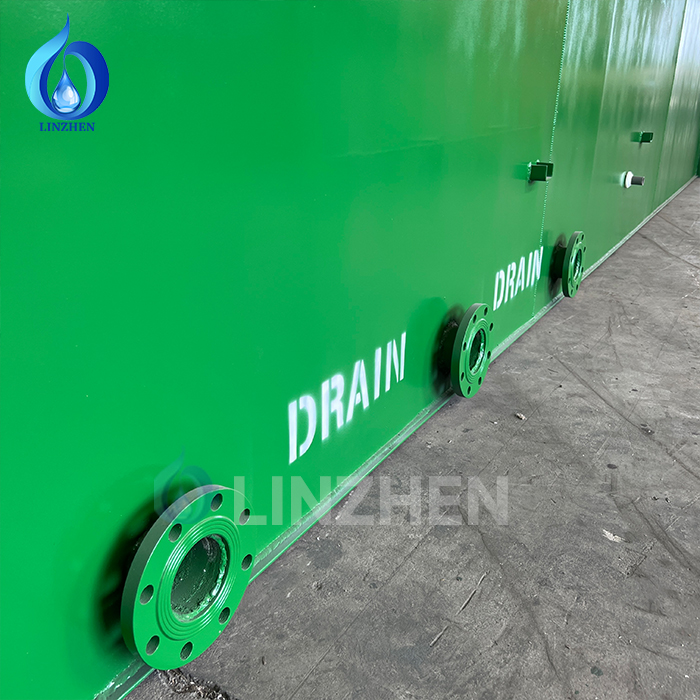
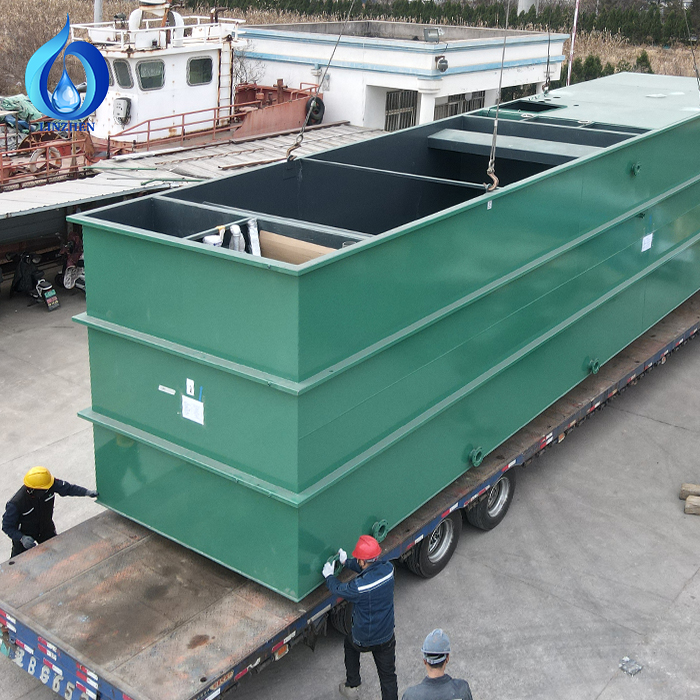
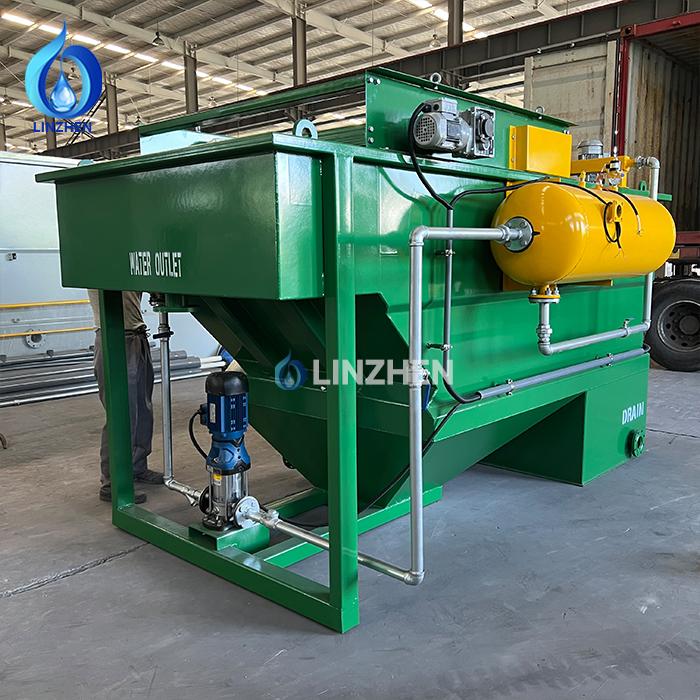
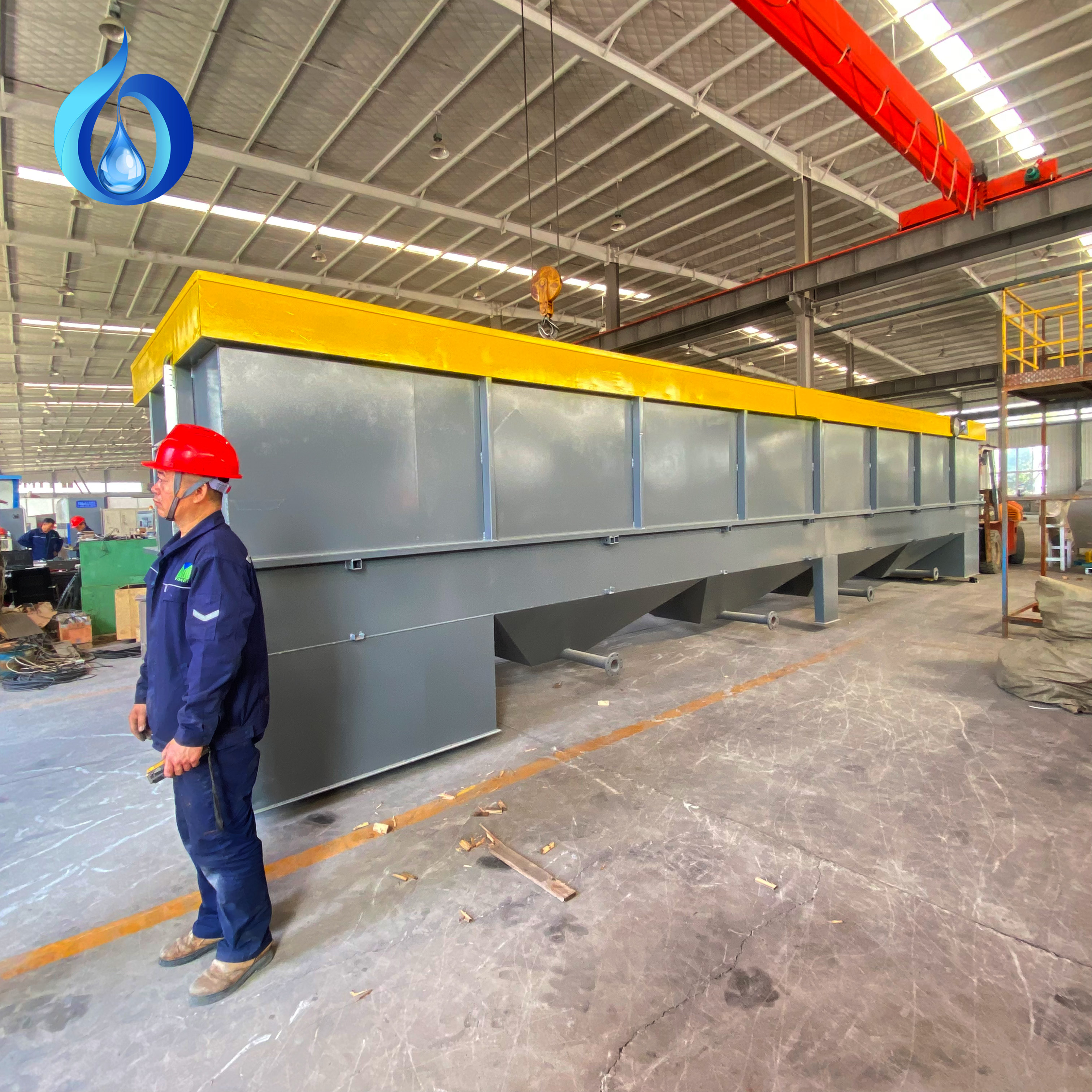
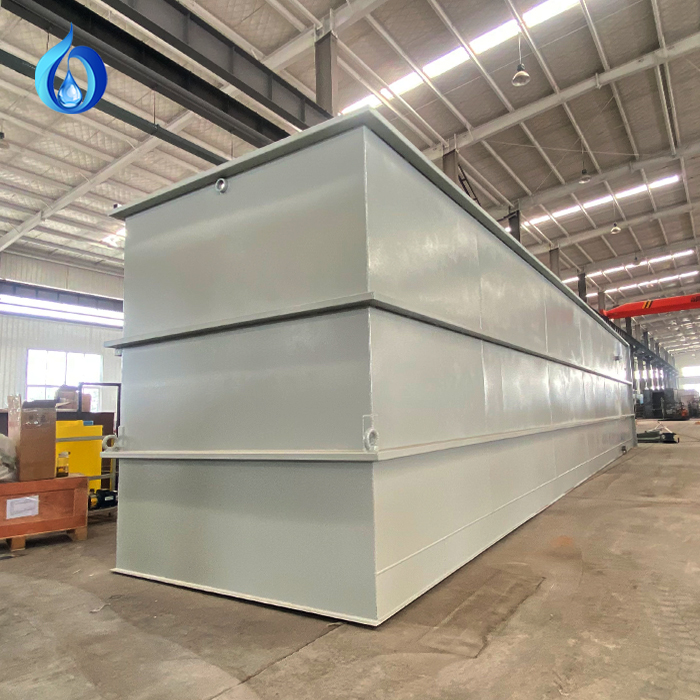
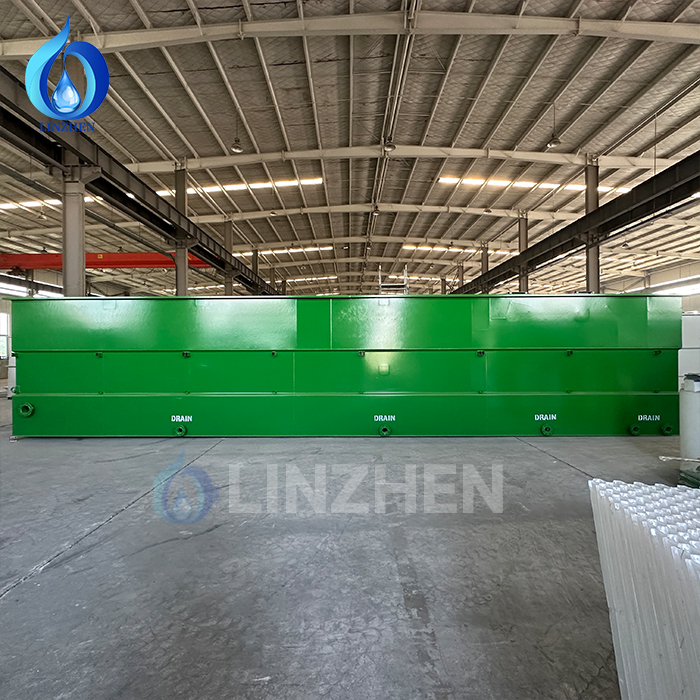
Selecting the appropriate water treatment technology directly affects effluent quality, physical footprint, and ongoing operational budgets. In high-efficiency industrial and municipal facilities, choosing between a lamella clarifier and a conventional sedimentation tank represents a foundational design decision. A modern lamella clarifier utilizes inclined plate geometry to accelerate solid-liquid separation, serving as a powerful replacement for the traditional sedimentation tank. Understanding how a lamella clarifier operates compared to a classic sedimentation tank enables engineers and plant operators to optimize their overall water treatment performance.
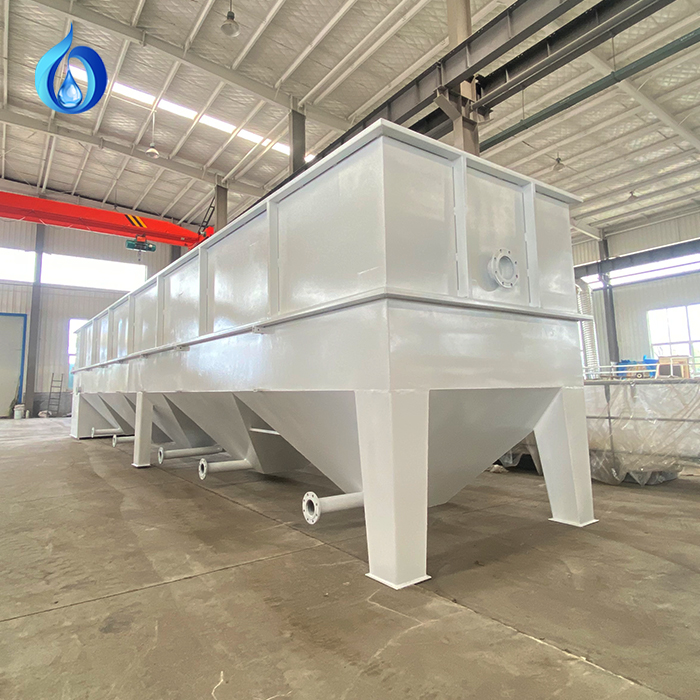
While a standard sedimentation tank has historically anchored water treatment facilities, rising land costs and strict environmental discharge standards make large, open rectangular basins less practical. Integrating a compact lamella clarifier solves space limitations while enhancing process stability. Comparing the operational characteristics of a lamella clarifier against a standard sedimentation tank reveals key economic and technical advantages for modern facility upgrades.
Settling Dynamics: Lamella Clarifier vs Sedimentation Tank
Standard Gravity Settling in a Sedimentation Tank
A traditional sedimentation tank relies strictly on unassisted gravity settling over extended retention periods. Water moves horizontally through a large basin, giving suspended solids time to slowly sink to the basin floor. The required detention time in a standard sedimentation tank usually spans two to four hours depending on particle density and temperature. Because particles must travel several meters vertically to settle, a standard sedimentation tank demands a massive surface area. This physical constraint makes increasing the throughput of an existing sedimentation tank virtually impossible without major physical expansion.
Accelerated Removal Performance in a Lamella Clarifier
A lamella clarifier overcomes vertical height limitations by arranging inclined parallel plates closely together within the settling zone. Solids inside a lamella clarifier only travel a few centimeters before contacting an inclined plate, rapidly sliding down into the bottom sludge hopper. This shortened settling path allows a lamella clarifier to reduce retention times to 15 to 30 minutes. In practice, a high-efficiency lamella clarifier achieves suspended solids removal rates of 95% or higher, whereas a classic sedimentation tank yields only 70% to 85% under identical influent conditions.
Each inclined plate in a lamella clarifier functions as an individual settling surface, drastically increasing effective treatment area within a small envelope. Consequently, a single compact lamella clarifier unit delivers the operational capacity of a conventional sedimentation tank three to four times its physical size. Facilities upgrading to a lamella clarifier can expand treatment capacity without expanding site boundaries.
Footprint and Site Integration Analysis
Physical Footprint Advantages of a Lamella Clarifier
Footprint reduction remains one of the most compelling arguments for replacing a sedimentation tank with a modern lamella clarifier. Treating a flow rate of 1,000 cubic meters per day with a traditional sedimentation tank requires approximately 400 to 600 square meters of land. Conversely, an equivalent lamella clarifier requires only 100 to 150 square meters, saving up to 80% of valuable real estate. Deploying a lamella clarifier is ideal for retrofitting space-constrained urban facilities where expanding a sedimentation tank footprint is physically impossible or cost-prohibitive.
Civil Works and Installation Speed
Constructing a civil concrete sedimentation tank demands major site excavation, lengthy reinforcement work, and high upfront labor costs. In contrast, a packaged lamella clarifier system can be manufactured off-site in stainless or epoxy-coated steel and quickly connected on site. Alternatively, existing concrete sedimentation tank structures can be retrofitted with lamella clarifier plate packs, transforming slow gravity basins into high-throughput lamella clarifier units without costly civil demolition.
Operational Resilience and Sludge Management
Sludge Concentration and Dewatering in a Lamella Clarifier
Sludge drawn from a lamella clarifier features higher solids concentration (4% to 6%) compared to the dilute sludge produced by a basic sedimentation tank (1% to 2%). The compact settling design of a lamella clarifier promotes natural sludge compaction on the inclined surfaces. Higher sludge density reduces downstream dewatering loads, lowers chemical polymer consumption, and cuts sludge handling expenses by up to 50% compared to a conventional sedimentation tank.
Handling Hydraulic Surges and Temperature Variations
A standard sedimentation tank is inherently vulnerable to sudden flow surges and thermal stratification, which cause short-circuiting and carryover of solids into final effluent streams. A lamella clarifier maintains consistent hydraulic distribution across all internal plate channels, giving the lamella clarifier superior resistance against hydraulic shock loads. Furthermore, cold water viscosity changes that severely degrade sedimentation tank performance have minimal impact on a short-detention lamella clarifier system.
FAQ
What is the typical operational lifespan of a lamella clarifier compared to a sedimentation tank?
A civil concrete sedimentation tank can last over 40 years, though its internal drive mechanisms and scrapers require major overhauls every 15 years. A well-maintained steel lamella clarifier system operates reliably for 25 to 30 years, with internal lamella clarifier plate modules replaced cost-effectively every 10 to 15 years. Overall lifecycle cost analyses favor the lamella clarifier due to minimal initial civil engineering fees.
Can a lamella clarifier handle high influent turbidity variations?
Yes, a lamella clarifier excels at treating variable turbidity. Because retention times in a lamella clarifier are measured in minutes rather than hours, operators can quickly adjust coagulant dosages to match incoming water conditions, whereas a large sedimentation tank suffers from significant response lag.
What maintenance is required for a lamella clarifier versus a sedimentation tank?
While a standard sedimentation tank requires continuous mechanical scraper maintenance, a lamella clarifier requires periodic surface cleaning of plate modules to prevent bio-fouling or sludge accumulation. Modern lamella clarifier units feature integrated backwash systems that automate this cleaning process, maintaining optimal performance with minimal manual intervention.
 EN
EN