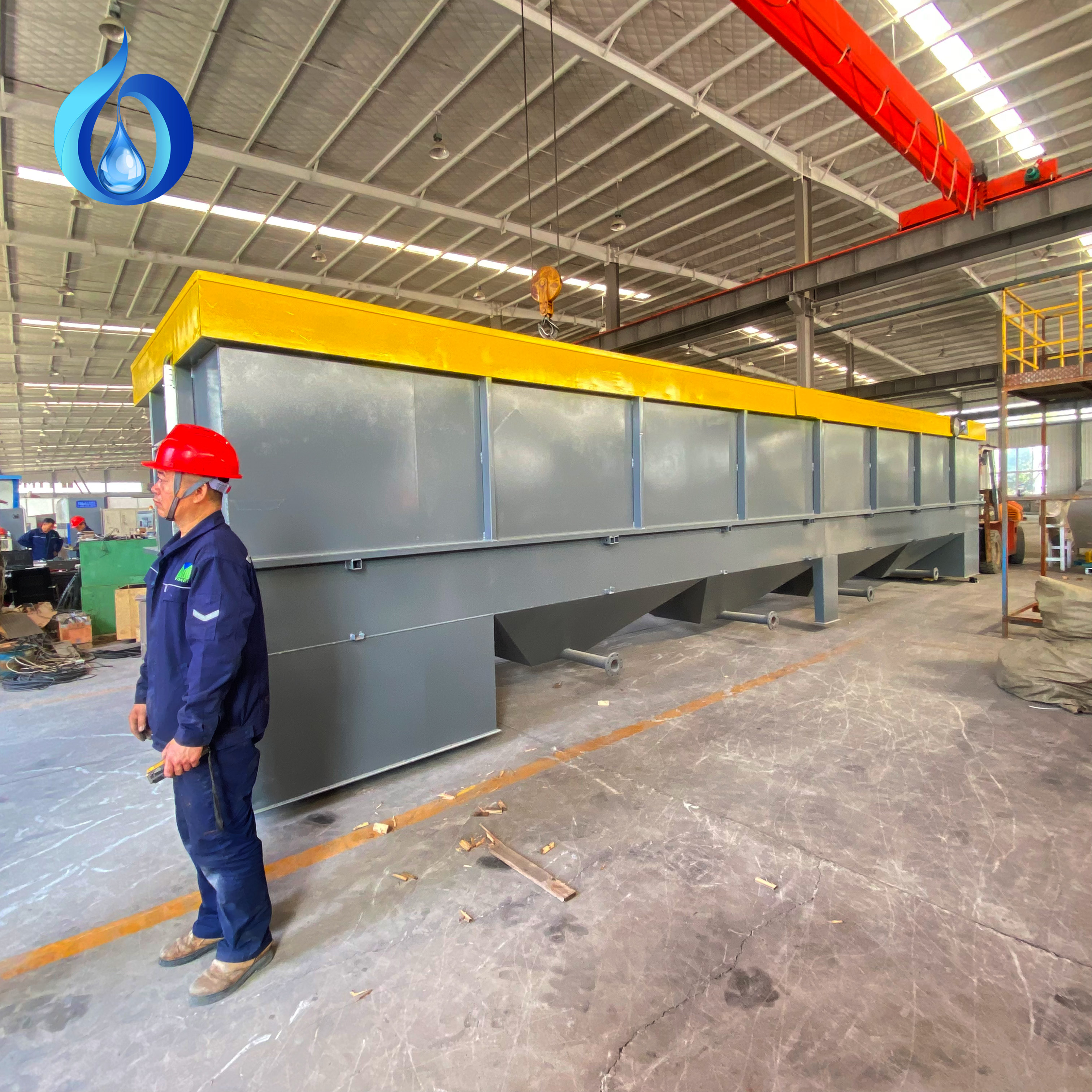
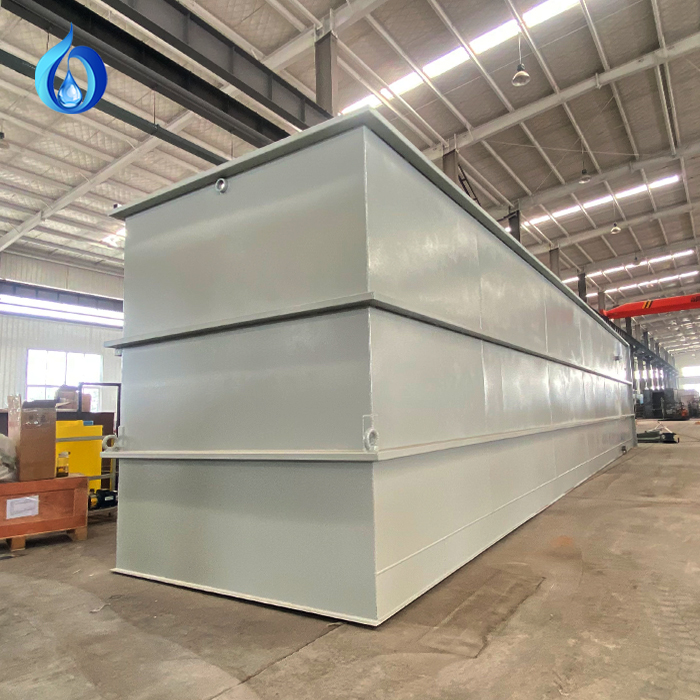
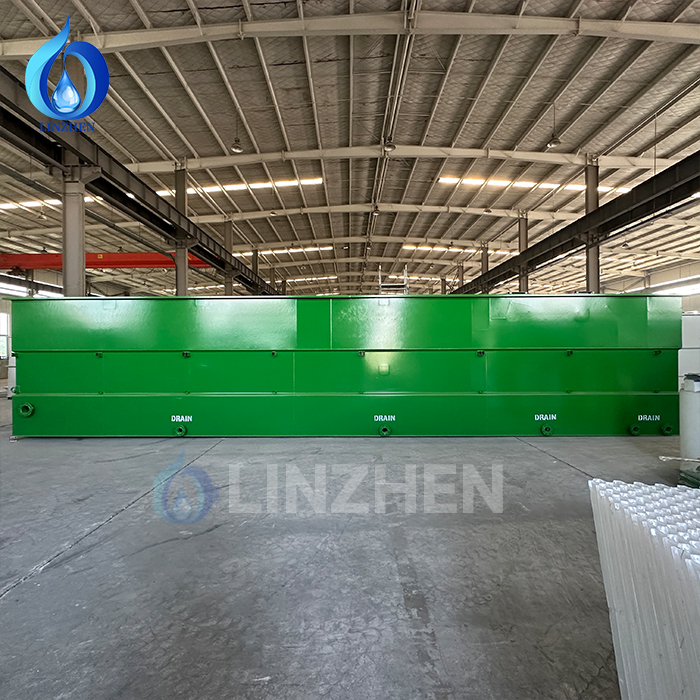
Foam formation inside a separation vessel represents one of the most persistent operational challenges in modern daf wastewater treatment management. When dissolved air flotation systems experience severe foaming, treatment efficiency drops rapidly, maintenance costs rise, and regulatory compliance becomes difficult. Understanding the root causes of severe foam formation and implementing targeted DAF foam control strategies is essential for operators seeking stable performance in their daf wastewater treatment installations.
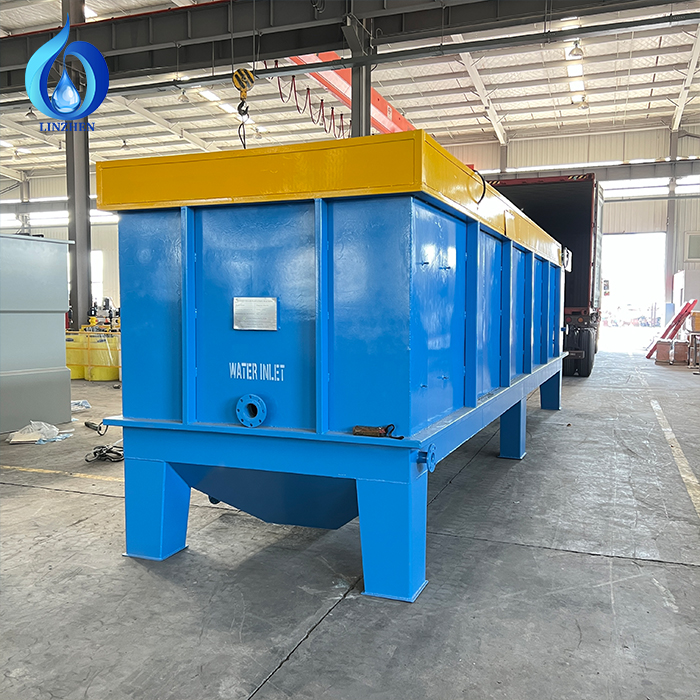
Foam problems in a daf wastewater treatment system typically stem from surfactant-rich feedwater, excessive air saturation, or fluctuating influent characteristics. The biological and chemical composition of incoming wastewater directly influences foam layer stability, making early diagnosis critical. Operators who master dissolved air flotation foam mitigation unlock superior vessel utilization, reduced manual maintenance workloads, and consistently improved performance across their complete daf wastewater treatment infrastructure.
Understanding Foam Formation Mechanisms in Flotation Systems
Sources of Foam-Causing Surfactants in DAF Wastewater Treatment
Severe foam formation in a daf wastewater treatment vessel occurs when active surfactant molecules stabilize air-water interfaces, creating persistent bubble networks. Industrial effluent entering a daf wastewater treatment plant often contains high surfactant levels from industrial detergents, emulsified fats, dissolved organic matter, and biological activity. These surfactant molecules preferentially orient at micro-bubble surfaces, reducing interfacial tension and prolonging foam persistence. In heavy oil grease separation applications, residual chemical emulsifiers and detergent residues become primary drivers of foaming inside the daf wastewater treatment unit, especially when influent oil concentrations exceed original design parameters.
Aeration Rate and Bubble Size Effects on DAF Wastewater Treatment
The air volume introduced and the resulting bubble size distribution dictate foam propensity during daf wastewater treatment. Micro-bubbles created by high-pressure air saturation systems greatly increase total air-water surface area, providing more contact area for surfactant adsorption. Conversely, a coarse bubble distribution reduces foam accumulation but can compromise flotation performance regarding high-rate suspended solids removal. Operators managing a daf wastewater treatment system must continuously balance aeration intensity against foam risks, targeting optimal bubble sizes that maximize pollutant flotation while minimizing unstable foam layer build-up within the daf wastewater treatment plant.
Practical Foam Control Strategies for DAF Operations
Adjusting Air Saturation and Recycle Ratio in DAF Wastewater Treatment
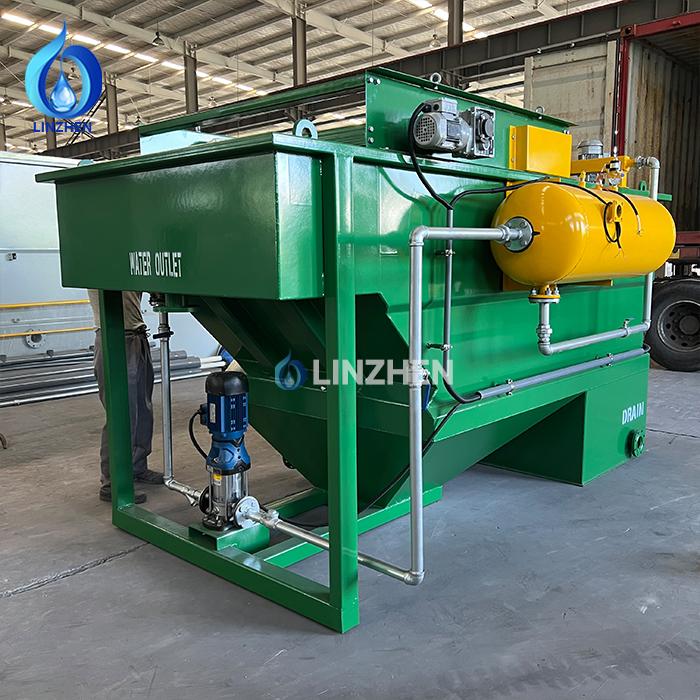
Reducing air saturation pressure or lowering recycled air stream volumes directly decreases total bubble count available for foam generation in a daf wastewater treatment unit. Many facilities achieve immediate DAF foam control by adjusting recycle ratios from 8–10% down to 5–6% of total influent flow, ensuring this adjustment does not impair mandatory suspended solids removal targets in their daf wastewater treatment plant. Pressure relief valves across the daf wastewater treatment line should be audited regularly to verify that air dissolution equipment matches exact specifications. Facilities applying variable frequency drives to air saturation pumps report superior dissolved air flotation foam suppression alongside reduced energy consumption throughout their daf wastewater treatment process.
Chemical Foam Suppression and Additives for DAF Wastewater Treatment
Specialized anti-foam agents based on silicone or mineral oil chemistry rapidly collapse persistent foam layers by disrupting bubble film surface tension during daf wastewater treatment. Dosing these additives at 10–50 mg/L usually delivers robust control without interfering with main suspended solids removal or downstream oil grease separation processes within the daf wastewater treatment unit. Antifoam selection must account for daf wastewater treatment stream pH, operational temperatures, and chemical biodegradability. Some operators implement sequential chemical conditioning, utilizing primary inorganic coagulants to bind influent surfactants before the main daf wastewater treatment flotation stage begins, effectively preventing dissolved air flotation foam generation upstream in the daf wastewater treatment system.
Flotation Tank Design and Operational Modifications for DAF Wastewater Treatment
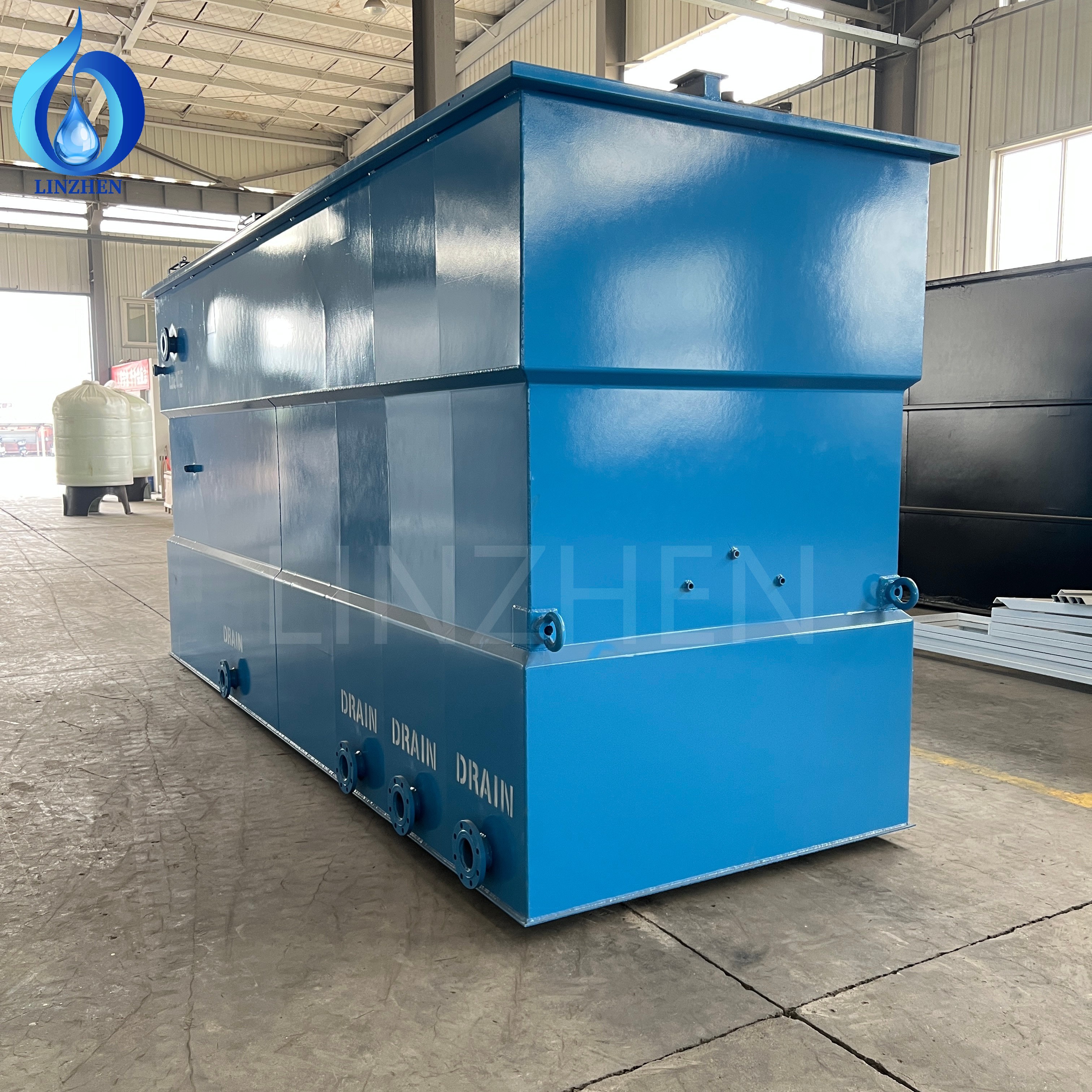
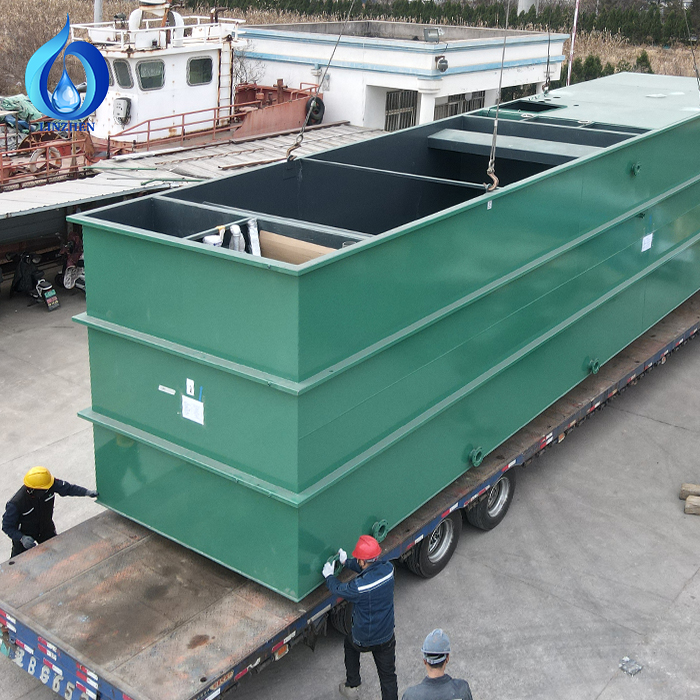
Optimized flotation tank design directly mitigates severe foam behavior during daf wastewater treatment operations. Expanding clarification zone depth and width reduces upward hydraulic bubble velocities, allowing surface foam to dissipate naturally before effluent discharge in the daf wastewater treatment unit. Integrating internal baffle plates or inclined plate modules within the daf wastewater treatment flotation tank concentrates floating sludge into dedicated skimmer zones, improving overall daf wastewater treatment vessel efficiency. Routine surface skimming prevents dense foam accumulation and overflow in the daf wastewater treatment basin. Operating at reduced hydraulic loading rates or increasing retention time in upstream equalization tanks helps buffer sharp surfactant spikes during daily daf wastewater treatment operations.
Integration with Suspended Solids Removal and Oil Grease Separation
Feed Pretreatment to Reduce Surfactants in DAF Wastewater Treatment
Dosing cationic polymers during feed pretreatment precipitates anionic surfactants and colloidal organics, preventing these foam-inducing compounds from reaching the primary daf wastewater treatment stage. Physical fine screens and hydrocyclones strip out coarse particulate loads, protecting the primary daf wastewater treatment unit. In industrial facilities handling intense oil grease separation demands, pre-flotation interceptors or coalescing plate units upstream of the main daf wastewater treatment system capture dispersed free oils, preventing downstream contribution to foam layer development. This multi-barrier strategy ensures sustained daf wastewater treatment reliability.
Maintaining Optimal Bubble-Solids Contact in DAF Wastewater Treatment
Excessive foam frequently develops when bubble contact with target solids becomes inefficient, causing unattached air bubbles to gather at the daf wastewater treatment vessel surface. Plant engineers must verify that daf wastewater treatment capture rates consistently hit design benchmarks—typically 85–95% for total suspended solids removal. If removal drops, air saturation equipment or chemical dosing within the daf wastewater treatment plant may require recalibration. Continuous flow measurement confirms steady hydraulic loading across the daf wastewater treatment line. Poor air distribution reduces suspended solids removal effectiveness and paradoxically exacerbates surface foam by releasing excess unattached air into the clarification zone of the daf wastewater treatment unit.
FAQ
What is the primary cause of foam in a daf wastewater treatment system?
Foam formation during daf wastewater treatment is primarily driven by high surfactant concentrations in incoming wastewater combined with high-pressure air saturation. Natural surfactants from industrial cleaning, emulsified oils, and organic matter stabilize micro-bubbles, generating persistent dissolved air flotation foam layers across the daf wastewater treatment tank.
How does foam affect suspended solids removal performance during daf wastewater treatment?
Excessive foam destabilizes the floated sludge blanket in a daf wastewater treatment unit, carrying solids directly into the clear effluent channel rather than the sludge hopper. This lowers effective suspended solids removal efficiency, risks permit non-compliance, and increases sludge handling overhead in the daf wastewater treatment facility.
Can antifoam chemicals interfere with oil grease separation in a daf wastewater treatment plant?
Properly selected antifoam chemicals added at recommended dosages do not impair oil grease separation performance in a daf wastewater treatment system. However, over-dosing incompatible defoamers can elevate effluent turbidity, making jar testing essential prior to full-scale deployment in daf wastewater treatment operations.
 EN
EN