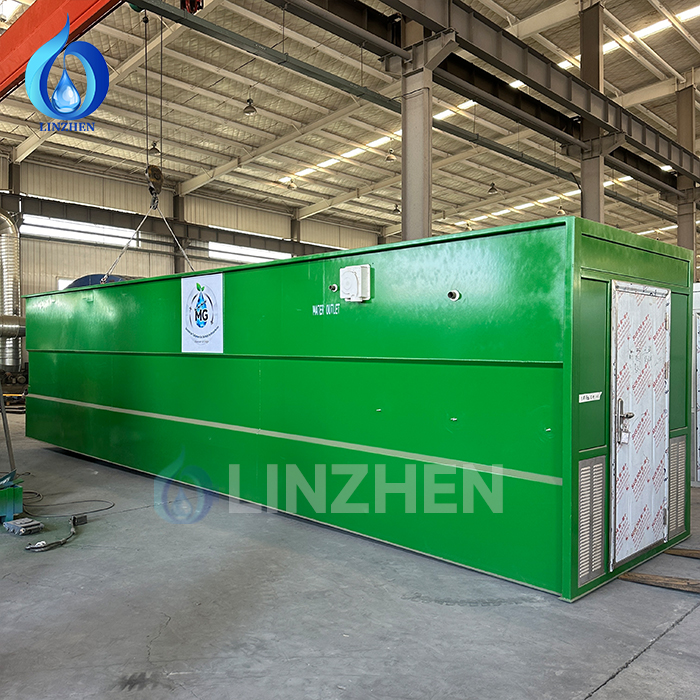
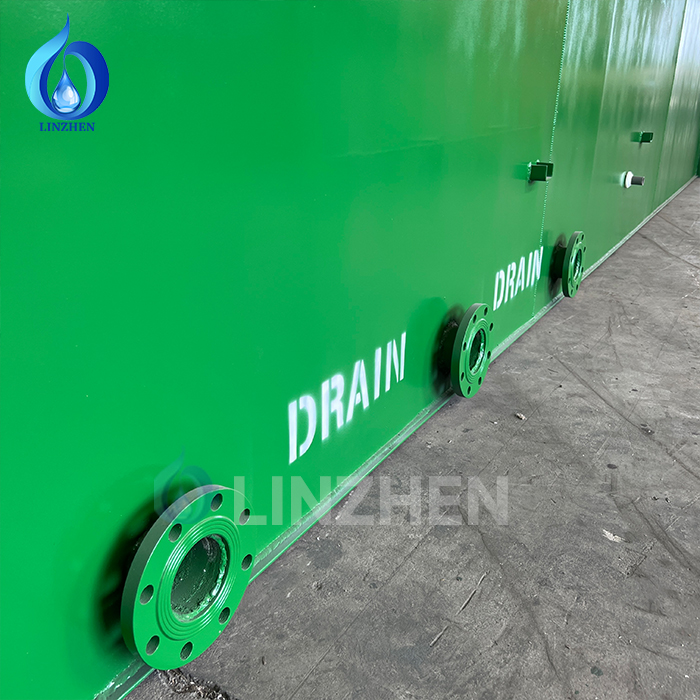
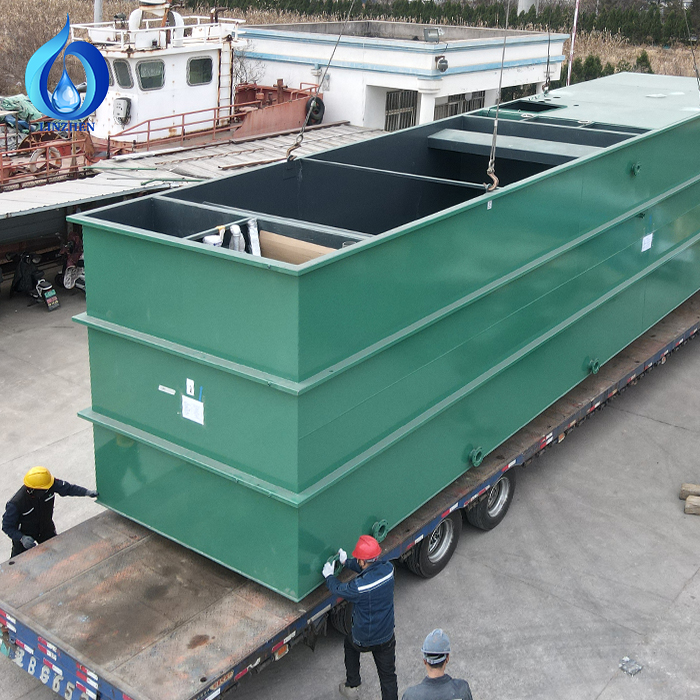
Mitigating toxic elements from factory discharges requires a systematic engineering approach, making the choice of industrial wastewater treatment equipment essential for modern manufacturing facilities. Facilities handling plating baths, chemical synthesize processes, and metal fabrication generate effluents contaminated with zinc, copper, nickel, lead, and hexavalent chromium. Deploying ineffective industrial wastewater treatment equipment exposes enterprises to severe ecological damage, immediate operational shutdowns, and steep regulatory fines. Achieving long-term compliance relies on matching your contaminant profile with specialized technology, ensuring effective heavy metals removal across all discharge scenarios.
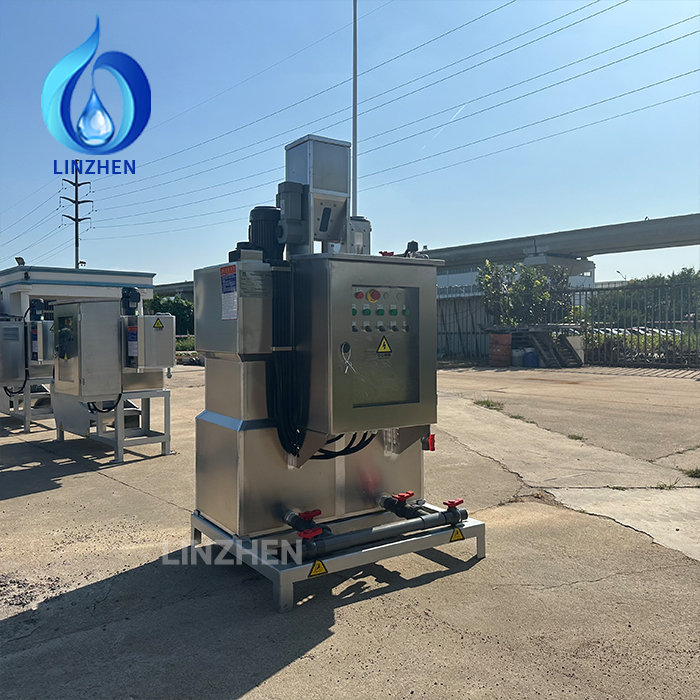
Every plant maintains distinct discharge characteristics, meaning that standard hardware packages rarely deliver optimal results. Proper wastewater treatment selection demands an in-depth audit of chemical concentrations, pH variability, and daily volume spikes. Modern industrial wastewater treatment equipment must achieve high removal efficiencies while remaining economically sustainable over multi-year operational periods. Sourcing managers and plant engineers must weigh capital expenditure against ongoing chemical, energy, and waste disposal costs to implement durable systems for heavy metals removal.
Influent Characterization and System Capacity Sizing
Profiling Metal Contaminants for Target Removal
Before specifying any industrial wastewater treatment equipment, plant managers must complete comprehensive laboratory analytical testing to profile incoming streams. Electroplating lines typically generate complex dissolved cyanides and chromium compounds, whereas battery manufacturing yields high lead concentrations. Informed wastewater treatment selection depends on these analytical baselines because chemical precipitation, ion exchange, and membrane separation react differently to specific ionic charge profiles. Understanding exact contaminant species ensures that specified industrial wastewater treatment equipment reliably delivers maximum heavy metals removal efficiency.
Accurate hydraulic flow evaluation is equally critical during early design phases. Sizing industrial wastewater treatment equipment solely on average output often leads to system failure during peak production cycles or equipment washdowns. Effective wastewater treatment selection incorporates peak surge calculations, retention basin volumes, and chemical reaction times. Selecting appropriately dimensioned industrial wastewater treatment equipment prevents hydraulic short-circuiting, allowing adequate residence time for total heavy metals removal during high-throughput operational shifts.
Technology Approaches for Industrial Metal Separation
Chemical Precipitation and Flocculation Systems
Chemical conversion remains a cornerstone technology within industrial wastewater treatment equipment configurations targeting metallic pollutants. Adding hydroxides, sulfides, or specialized organosulfur compounds raises pH levels, causing dissolved metals to form insoluble precipitates. Reliable wastewater treatment selection often combines chemical dosing with polymer coagulation to bind fine particulate flocs. High-efficiency industrial wastewater treatment equipment utilizing automated pH controllers ensures steady reaction conditions, maximizing heavy metals removal while minimizing chemical waste.
Advanced Filtration and Ion Exchange Recovery
When facilities face stringent discharge permits or seek water reuse, advanced industrial wastewater treatment equipment solutions provide superior polishing performance. Microfiltration, reverse osmosis, and selective ion-exchange resins excel at polishing effluent down to trace parts-per-billion levels. During wastewater treatment selection, engineering teams should evaluate whether valuable metals can be recovered for resale. Integrating advanced membrane tech into your industrial wastewater treatment equipment package supports circular economy goals while achieving consistent heavy metals removal.
Clarification and Sludge Dewatering Technologies
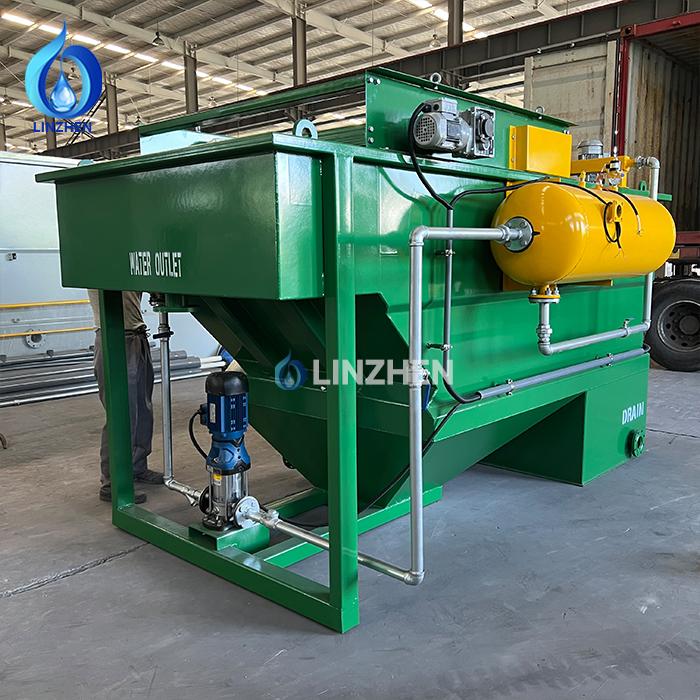
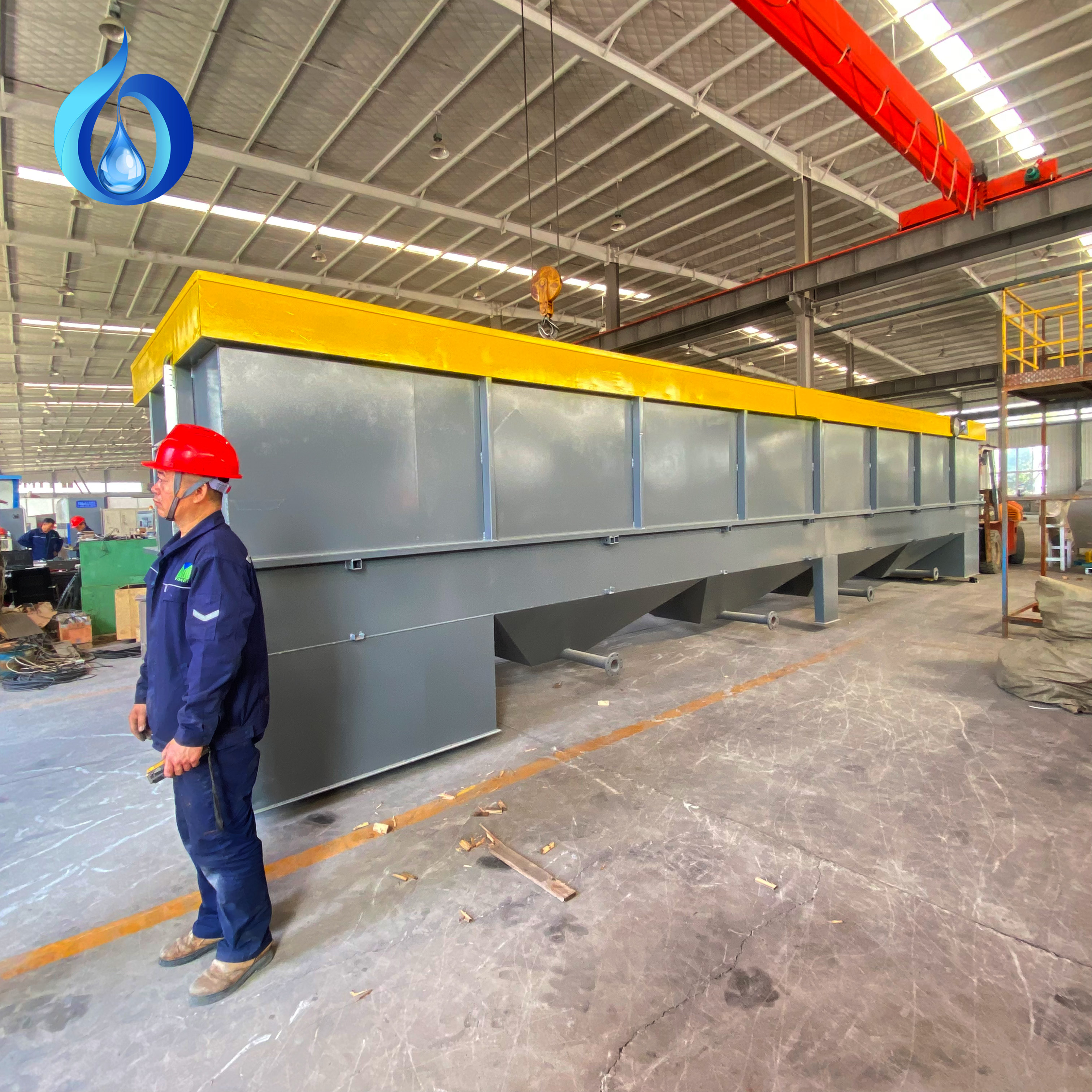
Solid-liquid separation units constitute a vital component of integrated industrial wastewater treatment equipment. Inclined plate lamella clarifiers and high-rate settling tanks accelerate particle precipitation within compact physical footprints. Intelligent wastewater treatment selection incorporates robust sludge dewatering systems, such as filter presses, to reduce wet cake volume. Modern industrial wastewater treatment equipment minimizes hazardous sludge hauling costs while maintaining exceptional effluent clarity and complete heavy metals removal.
Compliance, Maintenance, and Scalability Considerations
Navigating Permitting Limits and Total Cost of Ownership
Discharge regulations enforced by municipal and national environmental agencies dictate performance benchmarks for industrial wastewater treatment equipment. Thorough wastewater treatment selection requires evaluating long-term Total Cost of Ownership (TCO), including power draw, replacement filters, reagent chemicals, and sludge disposal fees. Choosing high-efficiency industrial wastewater treatment equipment lowers recurring operational bills and guarantees continuous heavy metals removal within legally mandated discharge thresholds.
Finally, facility layout constraints and future production growth must guide hardware purchasing decisions. Modular industrial wastewater treatment equipment allows plants to expand processing capacity seamlessly as factory output scales up. Prioritizing adaptable architecture during initial wastewater treatment selection protects corporate capital, ensuring your installed industrial wastewater treatment equipment maintains reliable performance and uncompromised heavy metals removal for years to come.
FAQ
How do plant operators select the right industrial wastewater treatment equipment for metal processing?
Engineers begin by testing raw wastewater chemistry and measuring peak flow rates. Strategic wastewater treatment selection evaluates capital costs, chemical consumption, and sludge production to match candidate industrial wastewater treatment equipment with required heavy metals removal efficiency.
Why is chemical dosing control crucial in heavy metals removal systems?
Metals precipitate within specific, narrow pH ranges. Automated chemical dosing within industrial wastewater treatment equipment maintains optimal reaction conditions, preventing re-dissolution and guaranteeing complete heavy metals removal prior to final discharge.
Can modular industrial wastewater treatment equipment adapt to future capacity expansion?
Yes. Selecting skid-mounted, modular industrial wastewater treatment equipment allows facilities to add parallel reaction tanks or filtration modules as production expands, ensuring long-term flexibility without replacing core heavy metals removal assets.
 EN
EN