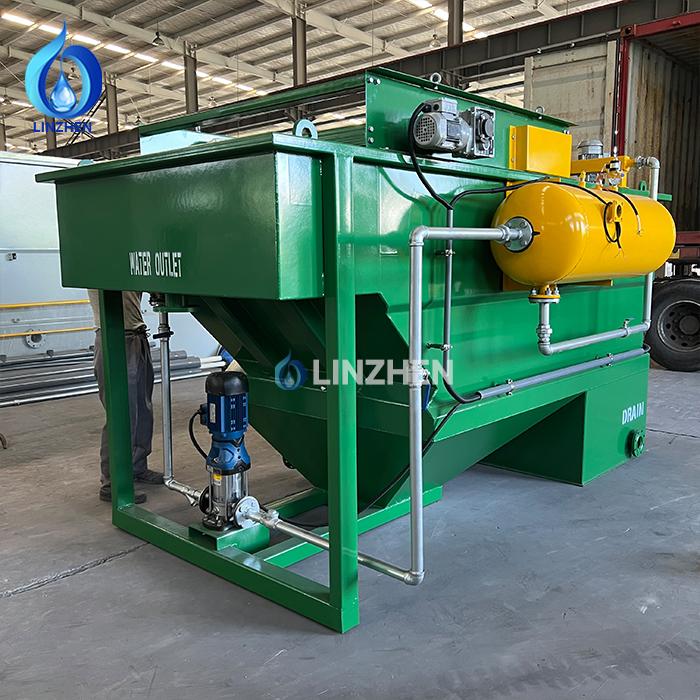
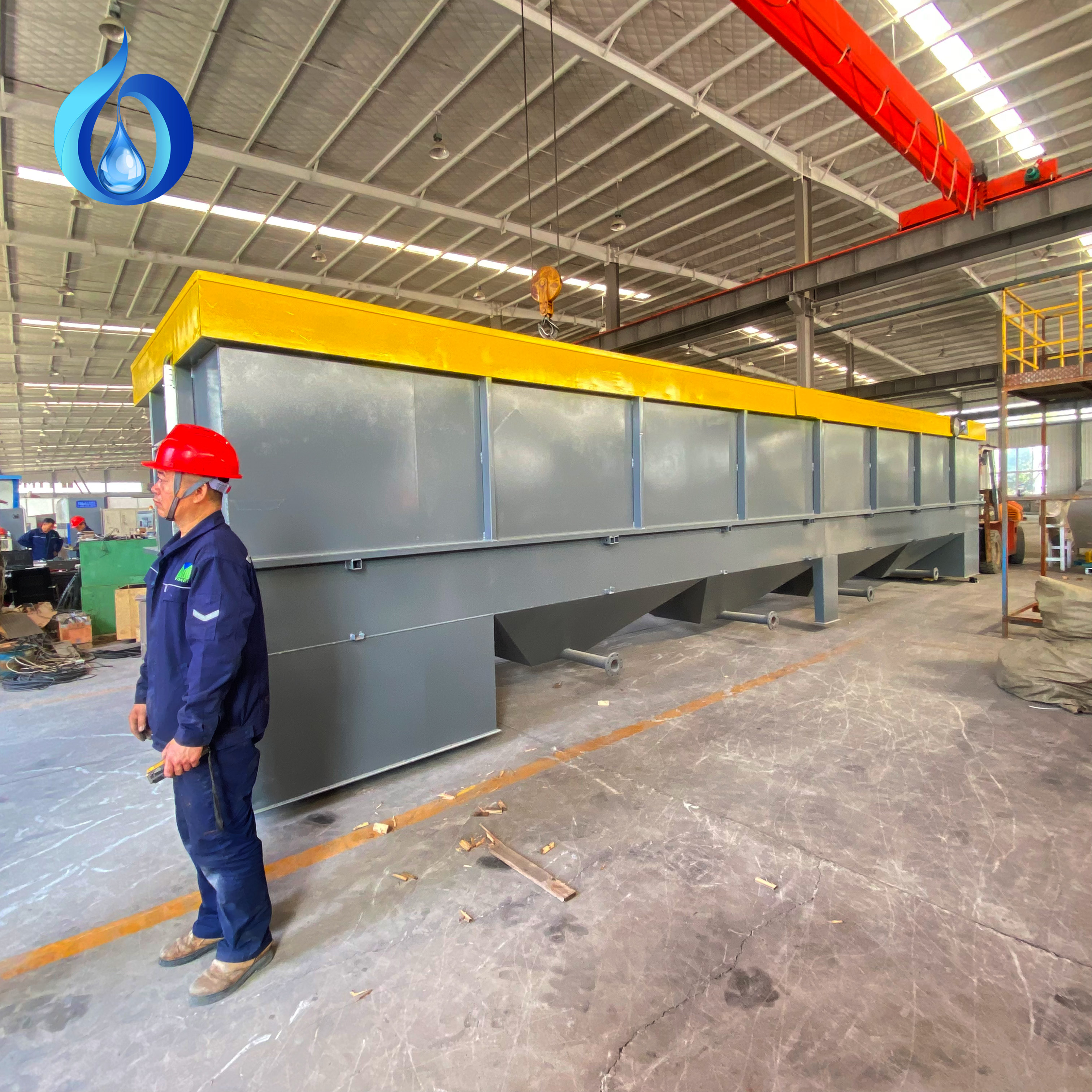
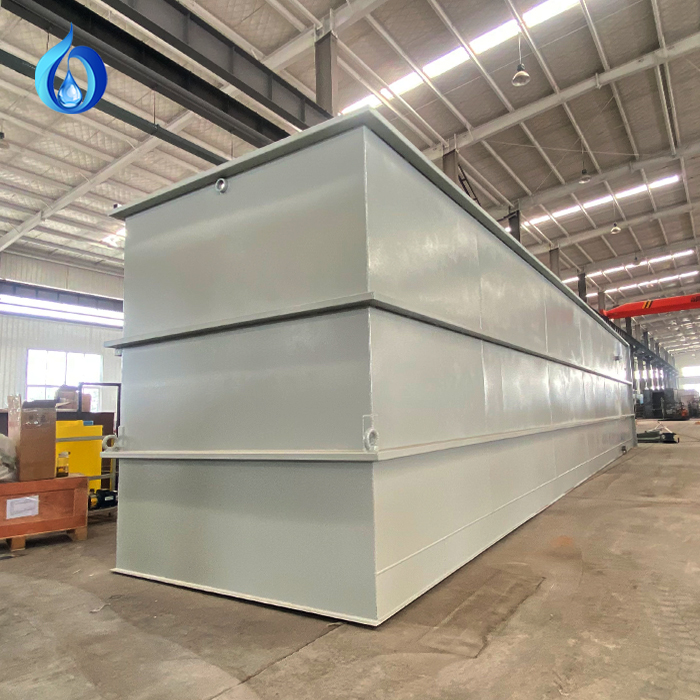
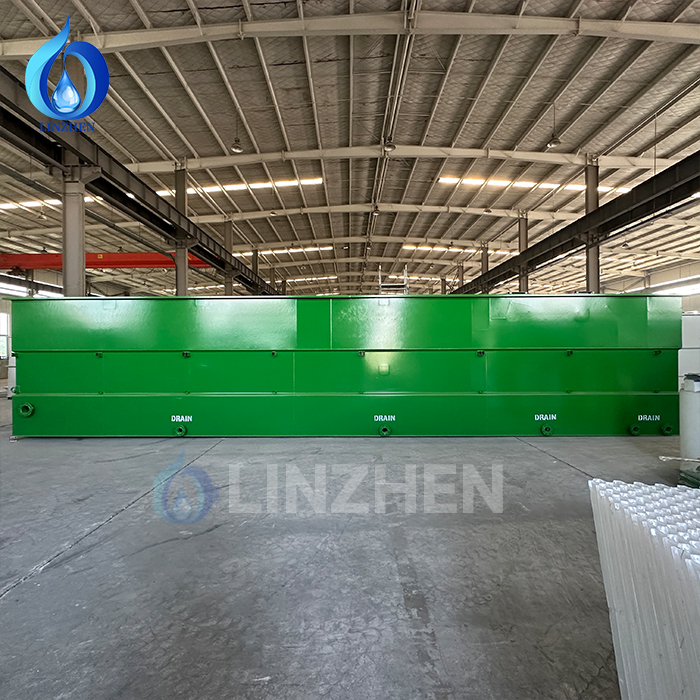
Selecting the right industrial wastewater treatment equipment for acidic environments requires understanding both the chemical challenges and the material specifications that determine long-term durability. Acidic wastewater presents unique corrosion risks that can rapidly degrade standard equipment, leading to costly downtime, maintenance failures, and potential environmental violations. The decision to invest in properly specified industrial wastewater treatment equipment is not just about meeting compliance standards—it is about protecting your operational continuity and capital investment against the aggressive nature of acidic discharge streams.
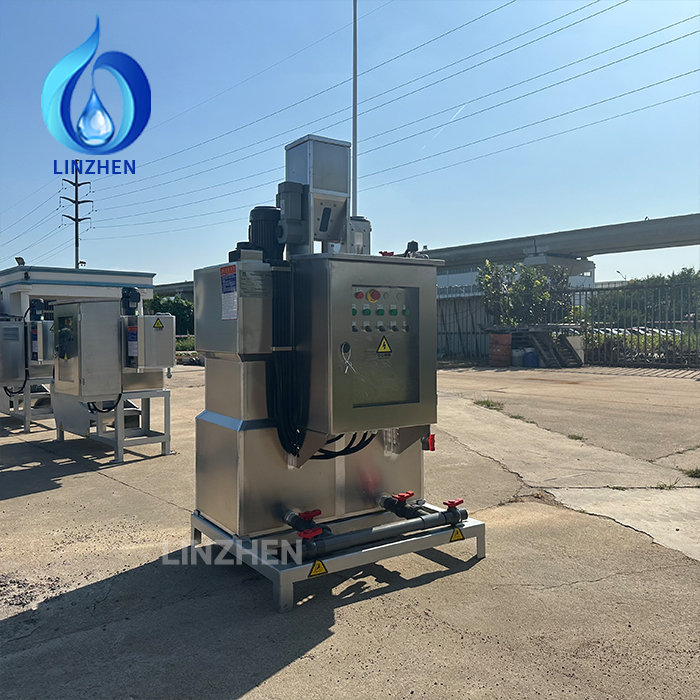
Acidic wastewater streams come from mining operations, chemical manufacturing, metal processing, battery production, and semiconductor fabrication facilities. These industries generate wastewater with pH levels well below 3, which immediately attacks carbon steel, standard stainless steel grades, and traditional concrete structures. When you choose industrial wastewater treatment equipment, you are fundamentally choosing a material and design strategy that can survive years of exposure to these corrosive conditions without structural compromise or performance degradation.
Understanding Acidic Wastewater Composition and Corrosion Mechanisms
Common Acidic Industrial Waste Streams
Industrial facilities generate acidic wastewater through pickling operations, electroplating rinse processes, and chemical synthesis reactions. Steel pickling alone produces hydrochloric acid concentrations that dissolve protective oxide layers on conventional metals within hours. Sulfuric acid from metal leaching and copper mining creates prolonged corrosion attack that accelerates pitting and crevice corrosion in equipment internals. When selecting industrial wastewater treatment equipment, you must first identify the exact acid type, concentration range, and temperature profile of your discharge stream, because each acid family behaves differently against different alloy systems.
Material Degradation Pathways in Acidic Environments
Carbon steel tanks used for standard wastewater treatment can lose 3 to 5 millimeters of thickness per year in acidic conditions—a failure trajectory that standard protective coatings cannot arrest. Unalloyed stainless steel grades like 304 are susceptible to crevice corrosion and pitting when exposed to chloride-bearing acidic waste, especially above 50 degrees Celsius. When you specify industrial wastewater treatment equipment for your facility, you are making a choice between alloy upgrades now or emergency equipment replacement and operational shutdown later. Duplex stainless steels, titanium, and high-nickel superalloys resist these corrosion pathways, but material selection must match your specific acid chemistry rather than defaulting to the lowest-cost option.
Material Selection Criteria for Acid-Resistant Industrial Wastewater Treatment Equipment
Alloy Performance Against Common Industrial Acids
Hydrochloric acid requires nickel-rich alloys or titanium for reliable long-term service in industrial wastewater treatment equipment, because molybdenum-bearing stainless steels cannot provide adequate crevice corrosion resistance. Sulfuric acid attacks copper-containing alloys and demands titanium, super-austenitic stainless steels, or specialty duplex formulations depending on concentration and temperature. Phosphoric acid is less aggressive but still corrodes standard materials, particularly in equipment with stagnant zones where localized corrosion initiates. When evaluating industrial wastewater treatment equipment options, request corrosion rate data from the equipment manufacturer for your specific acid type, concentration, and operating temperature. A tank rated for general wastewater service will fail in your acidic application, while equipment specifically engineered for acid service will maintain structural integrity across decades of operation.
Coating and Lining Systems for Extended Durability
High-performance epoxy linings, polyester coatings, and thermoplastic liners provide an additional protective layer for industrial wastewater treatment equipment constructed from lower-cost base metals. Rubber linings offer excellent chemical resistance but require careful temperature management, as acidic wastewater at elevated temperatures can soften and degrade elastomers. Glass-reinforced plastic (GRP) construction eliminates metal corrosion entirely, making it ideal for permanent installations handling strong acids, though GRP equipment demands careful handling and avoids mechanical impacts during installation. Many facilities combine mild steel industrial wastewater treatment equipment with premium internal linings to balance capital cost and long-term durability, provided the lining system is rated for your specific acid chemistry and has no gaps or pinholes that expose underlying metal. Always verify that any coating or lining system is independently tested against your waste stream composition—generic 'acid-resistant' ratings often fail under real-world conditions.
Design Features and Operational Integration
Corrosion-Resistant System Architecture
Effective industrial wastewater treatment equipment design minimizes stagnant zones, crevices, and areas where acidic waste can concentrate and accelerate localized corrosion. Welded joints must be fully penetrating and passivated to prevent chromium depletion and crevice corrosion initiation at heat-affected zones. Bolted connections in industrial wastewater treatment equipment require isolation washers and corrosion-resistant fasteners (typically duplex or super-austenitic grades) to prevent galvanic coupling between dissimilar metals. Internal baffles, diffusers, and circulation components should be constructed from the same alloy as the main vessel, or fabricated from more resistant materials, to avoid galvanic corrosion. Drainage systems must be designed for complete emptying and internal surface inspection, allowing maintenance teams to detect early-stage corrosion before failures occur.
Chemical Dosing Integration and Compatibility
Many industrial facilities use an industrial wastewater treatment equipment approach that combines primary treatment tanks with secondary chemical dosing systems for pH adjustment or further polishing. The chemical feed lines, metering pumps, and injection points must all be constructed from compatible materials that do not corrode or introduce metal ions into your treated discharge. Compatibility testing between your specific treatment chemicals and the equipment alloy selections prevents unexpected failures and ensures consistent treatment performance. Documentation of all component materials, alloy specifications, and coating ratings creates a maintenance reference library that simplifies future component replacement and ensures consistency across your treatment train.
Operational Performance and Long-Term Cost Analysis
Maintenance Schedules and Inspection Protocols
Acid-rated industrial wastewater treatment equipment requires regular visual inspection, thickness measurement via ultrasonic testing, and surface passivation of any exposed stainless steel surfaces. Annual coating inspections identify pinholes or delamination areas before they progress to general corrosion, allowing preventive maintenance before equipment failure. Equipment designed for acidic service includes inspection ports, access hatches, and sample connections that facilitate this proactive maintenance without requiring equipment shutdown. Maintaining detailed maintenance records links equipment age, operating temperature, and corrosion observations, providing early warning signals when equipment approaches end-of-life. Facilities that implement systematic inspection protocols often extend industrial wastewater treatment equipment service life by 50 percent compared to run-to-failure operations.
Total Cost of Ownership and Reliability Investment
Upgrading from standard industrial wastewater treatment equipment to acid-resistant variants typically increases capital expenditure by 30 to 60 percent, but eliminates unplanned replacement costs and catastrophic shutdown events that can exceed the original equipment cost. Emergency equipment failure in acidic waste service forces operational shutdown, regulatory penalties for non-compliant discharge, potential environmental remediation costs, and expedited replacement at premium pricing. Acid-resistant industrial wastewater treatment equipment with proper maintenance extends operational life to 15 to 20 years, compared to 5 to 8 years for inadequately specified equipment in the same service. Calculating total cost of ownership—including capital, maintenance labor, corrosion-related downtime, and regulatory risk—consistently shows that proper material specification delivers significant long-term financial advantage. Facilities handling acidic wastewater universally report that investing in appropriate industrial wastewater treatment equipment upfront represents among the highest-return capital decisions in their operational portfolio.
FAQ
What alloy should I specify for my industrial wastewater treatment equipment if I do not know my exact acid chemistry?
Request a full waste stream analysis from your process engineering team identifying the acid type, concentration range, temperature, and chloride content. Until you have this data, specify super-austenitic stainless steel or duplex stainless steel for your industrial wastewater treatment equipment as an interim material that provides broad compatibility with most acidic streams. Titanium offers ultimate corrosion resistance but carries significant cost premium, so reserve it for proven high-severity applications after you confirm your chemistry profile.
Can I use coated carbon steel industrial wastewater treatment equipment instead of upgraded alloys to reduce costs?
Coated carbon steel industrial wastewater treatment equipment can work in acidic service if the coating system is specifically rated for your acid type and concentration, and if you commit to annual coating inspections and touch-up maintenance. However, any pinhole, scratch, or mechanical damage immediately exposes base metal to accelerated corrosion, and repairs are often more costly than higher-alloy options because recoating interior surfaces is labor-intensive. Most facilities find that the risk profile and maintenance burden of coated carbon steel exceed the perceived cost savings compared to properly alloyed industrial wastewater treatment equipment.
How often should I inspect my industrial wastewater treatment equipment for acid corrosion damage?
Annual visual inspection and ultrasonic thickness measurement represent minimum best practice for industrial wastewater treatment equipment in acidic service. Facilities with waste streams above 50 degrees Celsius or with mixed acid chemistry should increase inspection frequency to semi-annual intervals. After any operational upset, chemical spill, or unexpected discharge deviation, perform an immediate inspection to detect whether abnormal conditions accelerated corrosion on your industrial wastewater treatment equipment components.
 EN
EN