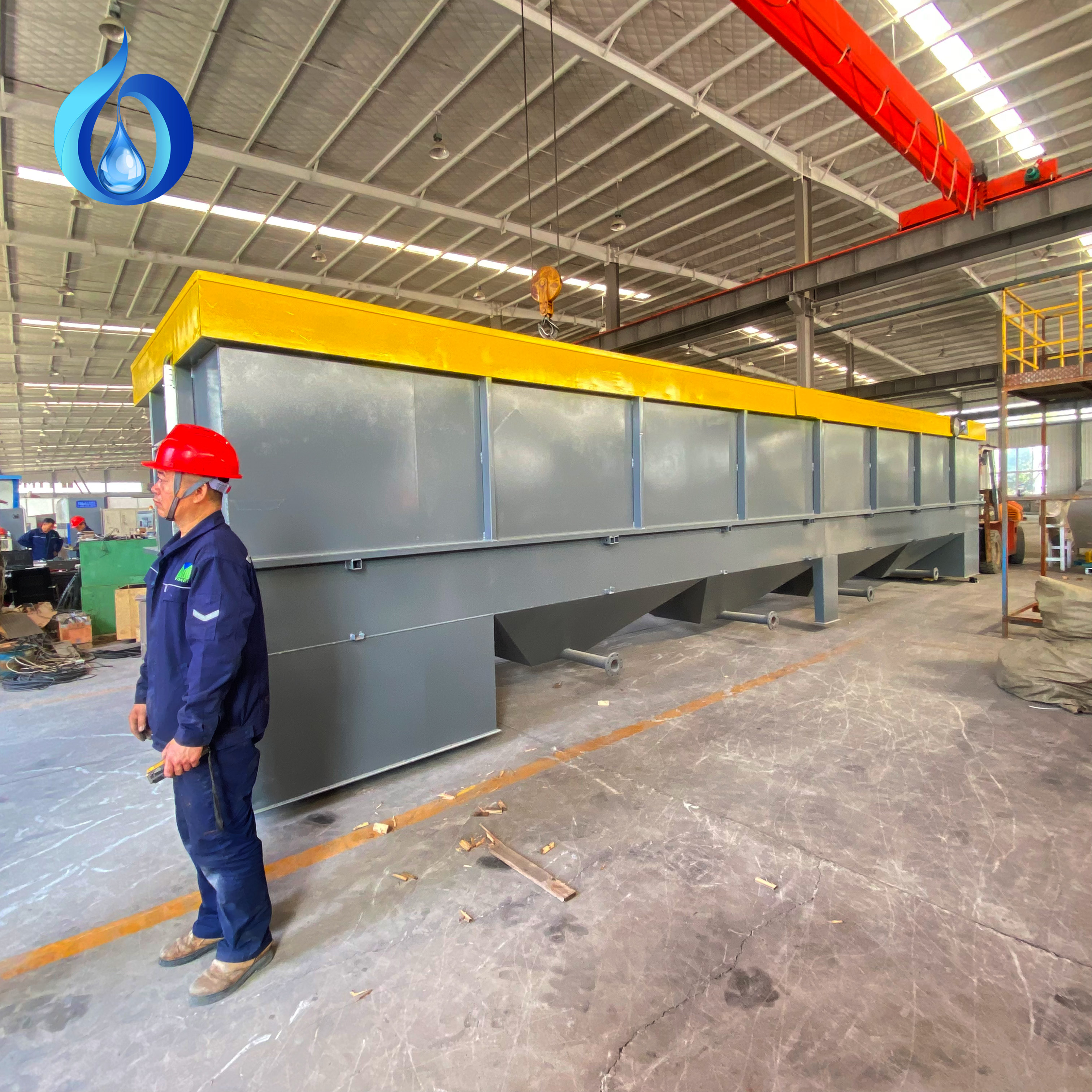
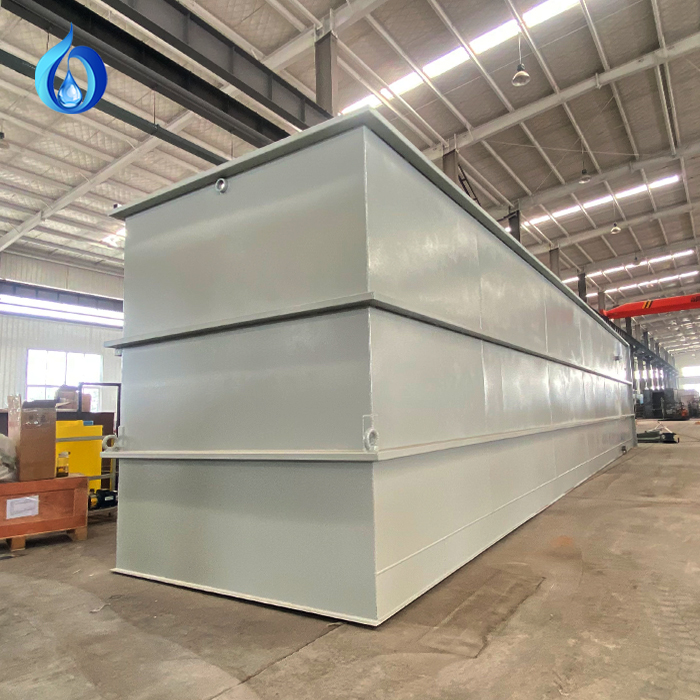
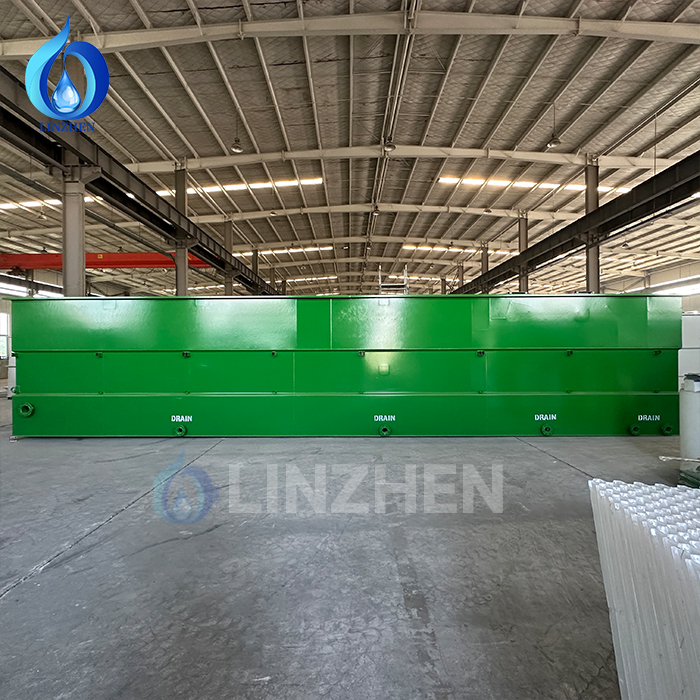
Evaluating the capacity of an existing waste water treatment plant requires a systematic approach that combines design specifications, operational data, and physical infrastructure assessment. Facility managers, environmental engineers, and decision-makers must understand how to accurately measure current capabilities and identify constraints before planning upgrades or expansions for any waste water treatment plant. This evaluation forms the foundation for compliance maintenance, process optimization, and capital investment decisions across every waste water treatment plant operation.
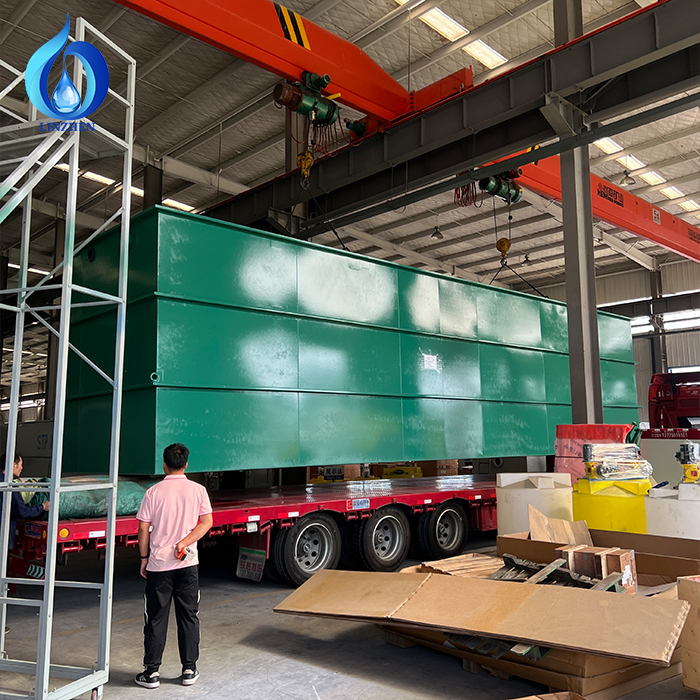
The capacity evaluation process differs significantly between a municipal sewage facility and an industrial effluent plant, yet both follow similar methodological principles. Understanding the distinction between original design capacity, actual treatment capacity, and remaining available capacity is critical for accurate assessment. This guide walks through key evaluation steps, measurement techniques, and interpretation frameworks that ensure your waste water treatment plant assessment delivers actionable insights for operational planning and regulatory compliance.
Understanding Design Specifications and Baseline Documentation
Review Waste Water Treatment Plant Design Parameters
The first step in evaluating a waste water treatment plant involves reviewing original design documentation and operational permits. Design specifications for a waste water treatment plant typically include average daily flow, peak hourly flow, treatment standards, and process equipment capacities. These documents establish the theoretical upper limit against which actual performance is measured. A municipal sewage facility must have clear design parameters that reflect the service area population and per-capita flow assumptions used during planning, ensuring the waste water treatment plant meets local demand.
Gather the waste water treatment plant design report, engineering drawings, and regulatory permits from original construction or recent upgrades. These documents reveal design assumptions about influent characteristics, treatment objectives, and effluent standards. If records are incomplete, consult the original engineering firm or regulatory agency responsible for permitting the waste water treatment plant. Understanding whether the design reflects current demographics or outdated assumptions is essential for accurate capacity evaluation of any waste water treatment plant.
Compare Historical and Current Operational Data
Obtain at least two to three years of operational data showing daily flow volumes, monthly averages, and peak load events. Historical data reveals whether an industrial effluent plant or municipal sewage facility operates consistently at waste water treatment plant design specifications or significantly below. Compare flow trends against seasonal patterns, population growth, or industrial activity changes. Facilities in growing areas often operate closer to waste water treatment plant design capacity, while stable areas may retain considerable reserve capacity within the waste water treatment plant.
Document treatment efficiency metrics from laboratory records, including influent and effluent quality parameters such as biochemical oxygen demand, suspended solids, nitrogen, and phosphorus concentrations. These measurements demonstrate whether the waste water treatment plant consistently achieves permitted effluent standards. If efficiency has declined over time, waste water treatment plant capacity may be constrained by biosolids accumulation, equipment wear, or process imbalances rather than insufficient theoretical capacity.
Conducting Physical Infrastructure Assessment
Evaluate Treatment Process Equipment and Units
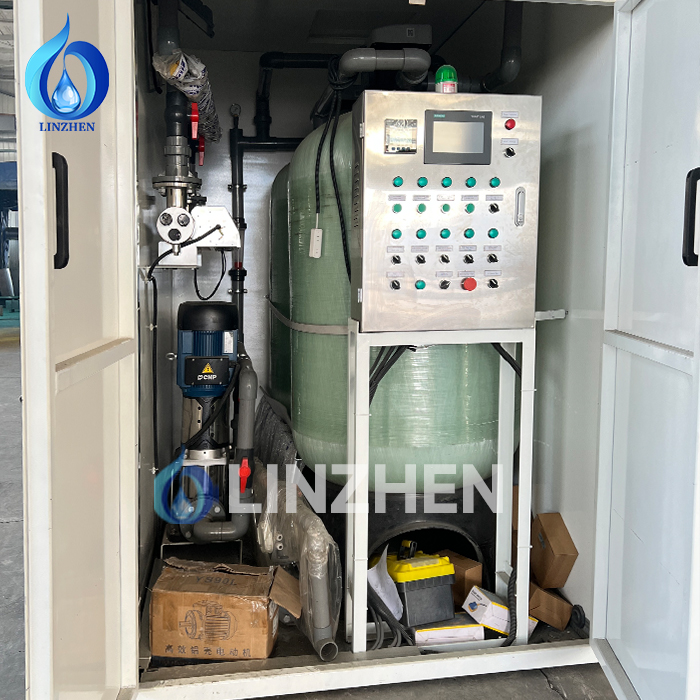
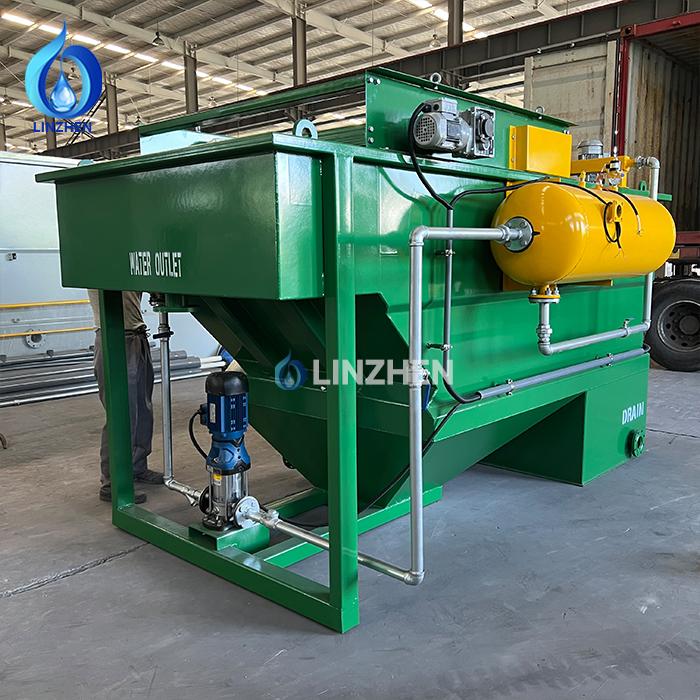
Physically inspect each treatment train within the waste water treatment plant, documenting the condition and capacity of primary clarifiers, aeration basins, secondary clarifiers, and advanced treatment units. Measure actual dimensions against design specifications to verify consistency throughout the waste water treatment plant. For an industrial effluent plant, examine specialized treatment equipment such as chemical feed systems, pH adjustment tanks, or pollutant removal units. Each component within a waste water treatment plant has theoretical design capacity and actual operating capacity, which may differ due to maintenance, fouling, or degradation.
Test blower systems, pump capacities, and process instrumentation to confirm they function at design ratings. Many waste water treatment plant capacity constraints originate from undersized or failing auxiliary equipment rather than undersized biological reactors. Document component age and review maintenance records to identify upgrades since initial municipal sewage facility or industrial effluent plant construction. Equipment approaching end-of-life may operate at reduced capacity within the waste water treatment plant even if theoretical design ratings remain adequate.
Assess Hydraulic Capacity and Conveyance Systems
Evaluate the collection system's ability to deliver influent at peak flow rates without backing up into the service area. Blockages, infiltration, or undersized trunk lines can artificially limit waste water treatment plant capacity even though biological treatment units have available reserve. Measure pipe diameters, check for sedimentation or grease, and review bypass occurrence records. A municipal sewage facility's peak hour factor often determines whether pipes can convey flows under storm conditions to the waste water treatment plant.
Verify that return sludge systems and biosolids handling processes operate without bottlenecks. If the waste water treatment plant cannot handle return sludge flow rates at design capacity, this limitation constrains overall biological treatment capacity. Similarly, assess whether final clarifiers can settle suspended solids during peak flow periods. These hydraulic constraints represent the true waste water treatment plant capacity ceiling independent of theoretical design ratings for individual treatment units.
Analyzing Process Performance and Capacity Constraints
Quantify Performance Against Design Standards
Calculate the ratio between current average flows and design average flow, and between peak observed flows and design peak flow for your waste water treatment plant. If your industrial effluent plant or municipal sewage facility operates at 85 percent or higher of design capacity, available reserve capacity becomes limited. Analyze effluent quality consistency at current loads to predict performance when flows increase across the waste water treatment plant. If the system already struggles to meet effluent standards at lower loads, approaching design capacity will likely result in permit violations.
Review dissolved oxygen levels in aeration basins, sludge retention time, and food-to-microorganism ratios to confirm biological processes operate optimally within the waste water treatment plant. These parameters indicate whether activated sludge systems function near their design envelope. If metrics suggest the system operates with minimal margin, apparent available capacity within the waste water treatment plant may be illusory. Document recurring operational issues such as poor settling or filamentous bulking that indicate stress within the waste water treatment plant.
Identify Operational Bottlenecks and Constraints
Interview operators and maintenance staff to understand which processes or equipment repeatedly limit throughput in the waste water treatment plant. Many assessments overlook operator experience regarding practical constraints that do not appear in engineering calculations. An industrial effluent plant may achieve higher theoretical capacity if specific equipment receives preventive upgrades. A municipal sewage facility's capacity often depends on nuanced balancing across treatment stages within the waste water treatment plant.
Document current bypass frequency, seasonal operational limitations, and maintenance shutdown requirements. These factors reduce effective capacity below theoretical design capacity for the waste water treatment plant. If biological treatment operates well during warm months but struggles in cold weather, seasonal limitations should inform planning. Comprehensive capacity evaluation must account for realistic operating constraints rather than relying solely on legacy engineering design documents for the waste water treatment plant.
FAQ
What is the difference between design capacity and actual operating capacity for a waste water treatment plant?
Design capacity represents the theoretical maximum flow specified during construction, while actual operating capacity reflects real-world performance considering equipment condition and constraints within the waste water treatment plant. A waste water treatment plant design capacity assumes optimal conditions rarely encountered consistently. Actual operating capacity typically runs 10 to 20 percent below design specifications due to equipment wear and maintenance downtime in the waste water treatment plant.
How frequently should a municipal sewage facility or industrial effluent plant undergo capacity evaluation?
Comprehensive waste water treatment plant capacity evaluations should occur every five to ten years or whenever significant operational changes occur, such as equipment upgrades, service area expansion, or permit modifications. A waste water treatment plant serving a growing municipality requires frequent assessments as population approaches design assumptions. Industrial effluent plants should evaluate capacity whenever production volumes increase substantially to ensure the waste water treatment plant handles additional load.
What signs indicate that a waste water treatment plant is approaching capacity limits?
Key indicators include high peak-to-average flow ratios, declining effluent quality during peak periods, frequent permit violations, increasing bypasses, and rising operator workload within the waste water treatment plant. A municipal sewage facility approaching capacity may exhibit poor secondary clarifier performance during storms. An industrial effluent plant shows waste water treatment plant capacity stress through inconsistent pollutant treatment or inability to maintain target chemical dosages.
 EN
EN