Calculating return on investment for an industrial wastewater treatment system requires a comprehensive evaluation that extends beyond basic payback timelines. Facility directors and environmental leaders must thoroughly examine upfront capital outlays, recurring operational expenses, penalty avoidance, and long-term sustainability gains to determine overall financial performance. Deploying an industrial wastewater treatment system represents both a major capital outlay and a strategic decision that directly influences operational profitability, process efficiency, and corporate ESG targets. Understanding the complete economic picture helps decision-makers justify capital allocation and optimize system efficiency throughout its operational lifespan.
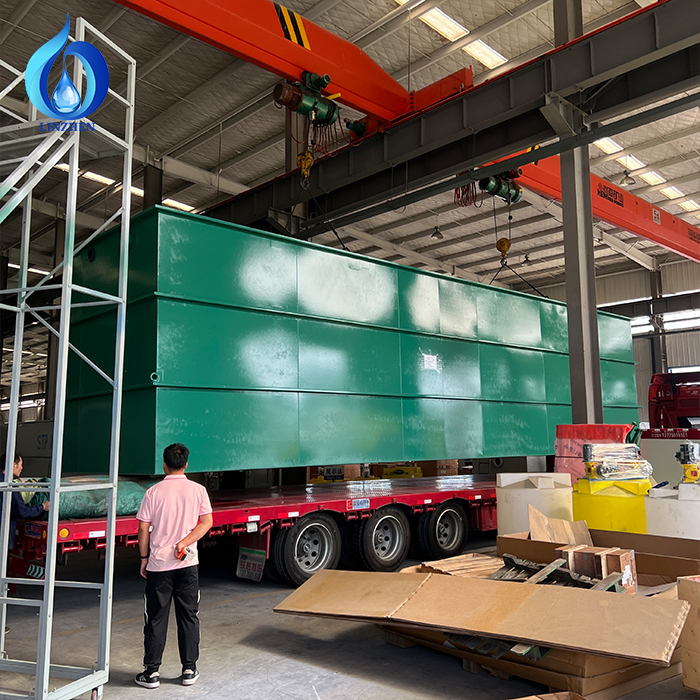
The financial evaluation process for an industrial wastewater treatment system must account for both direct cost savings and indirect financial impacts over extended time horizons. Organizations installing a modern industrial wastewater treatment system often find that overall advantages extend far beyond basic waste handling, encompassing avoided regulatory fines, operational stability, recycled water savings, and enhanced market positioning through proactive environmental stewardship. By establishing rigorous baseline metrics and tracking performance continuously, your organization can demonstrate clear value while making data-driven decisions regarding future upgrades, maintenance schedules, and technology integration.
Understanding Total Cost of Ownership
Capital Expenditure and Installation Costs
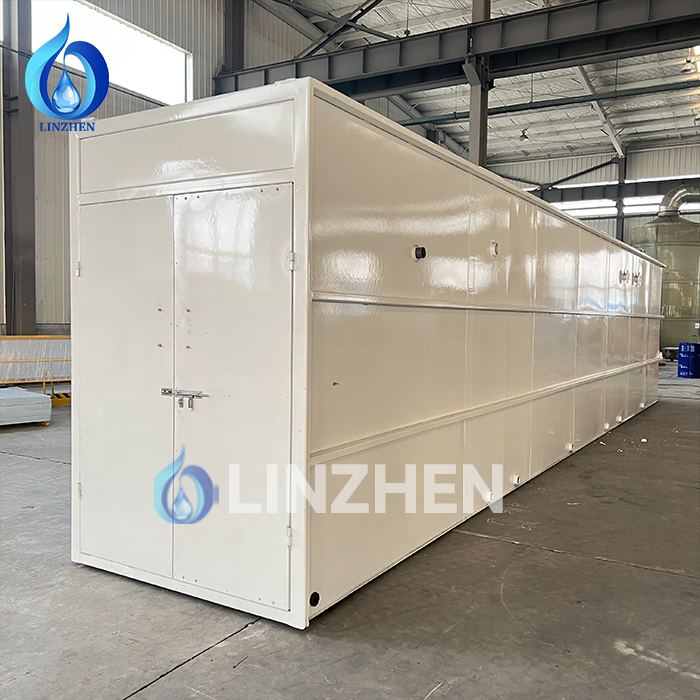
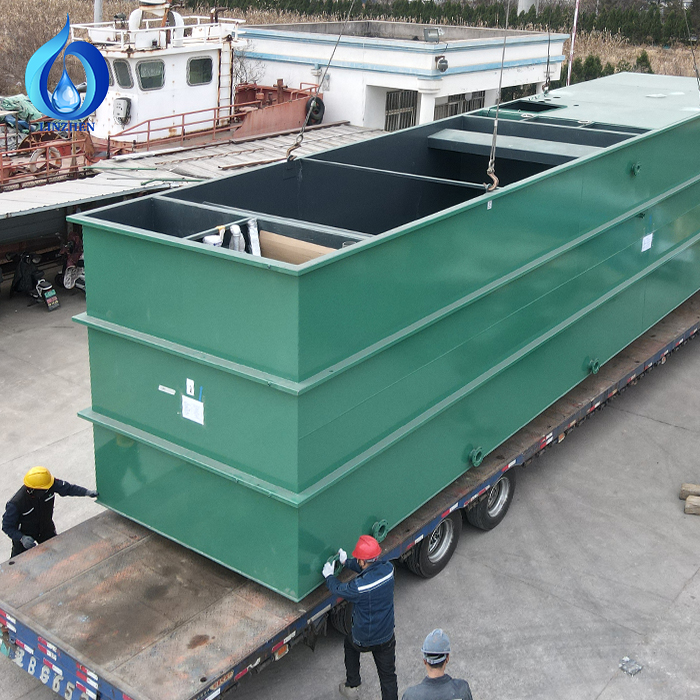
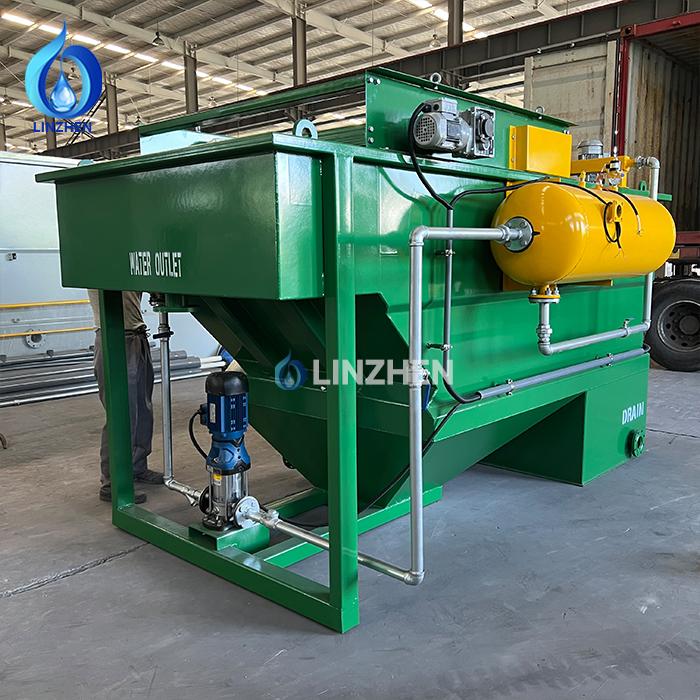
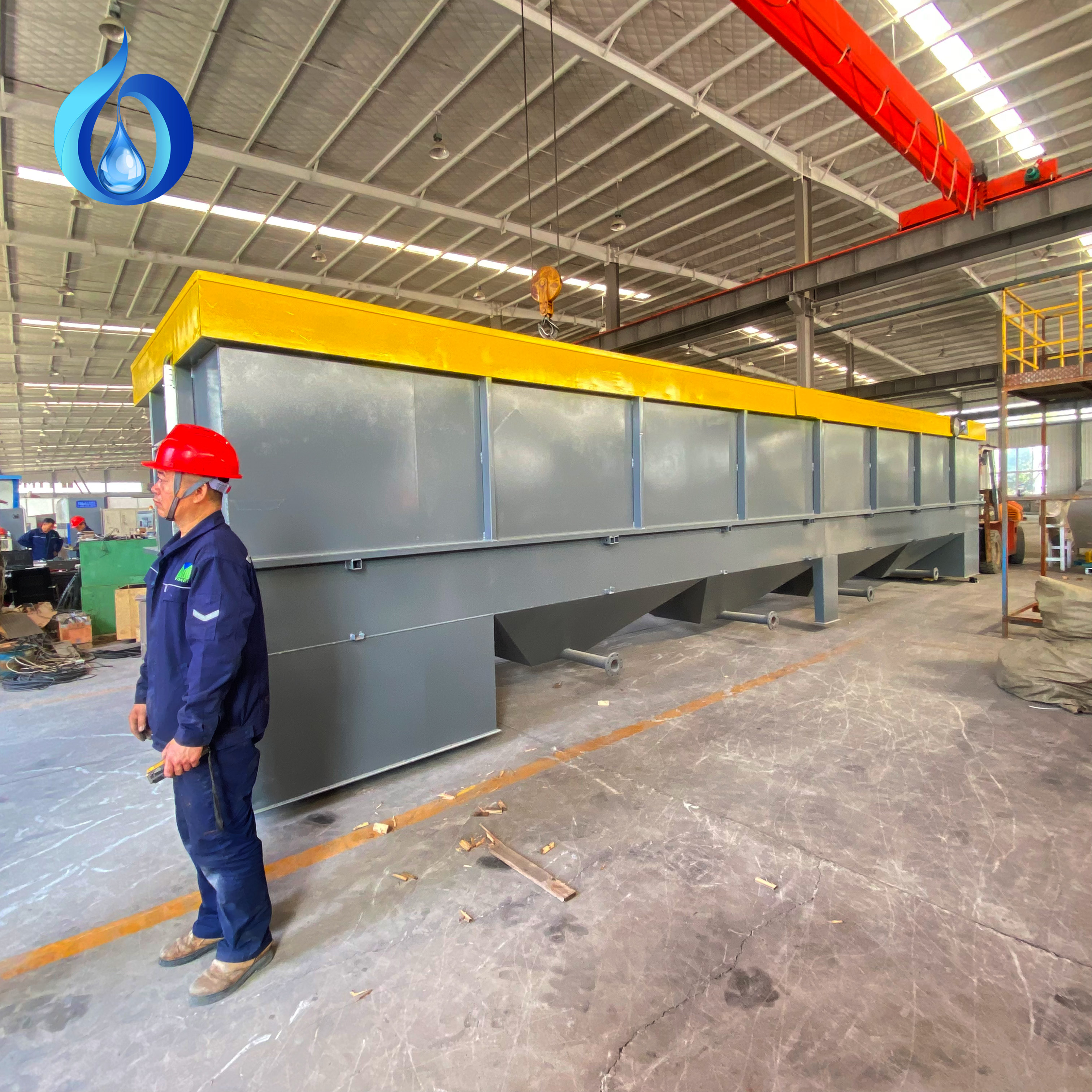
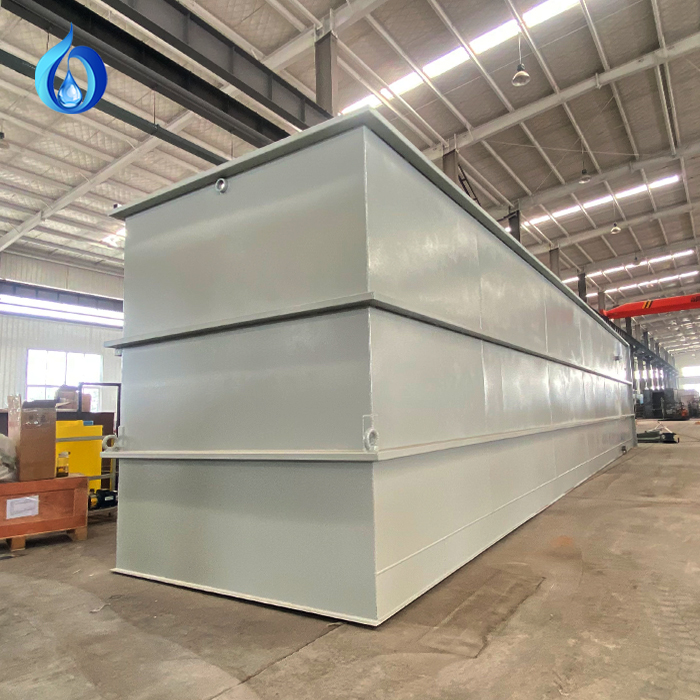
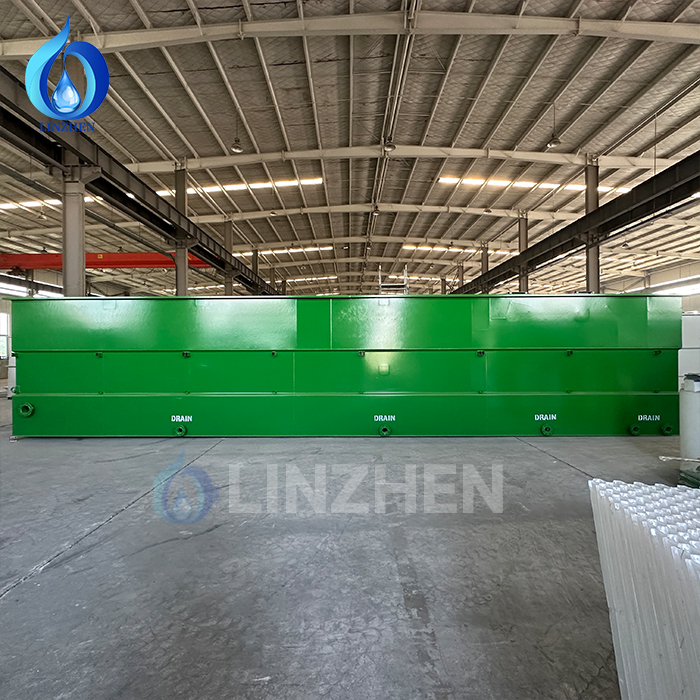
The primary investment for an industrial wastewater treatment system typically represents the single largest capital outlay within financial calculations. This total figure covers hardware procurement, engineering installation, site preparation, civil works, system integration, rigorous testing, and final commissioning. For most manufacturing facilities, capital commitments range from tens of thousands to several million dollars depending on stream complexity, volumetric throughput, targeted contaminants, and local discharge standards. An industrial wastewater treatment system must be precisely engineered to accommodate facility-specific effluent characteristics and regulatory limits. Securing comprehensive quotes from qualified engineering partners and conducting thorough site assessments ensures realistic budgeting while preventing expensive under-engineering or over-specification.
Operational and Maintenance Expenses
Ongoing operational expenditures represent the second key component in determining total ownership costs for an industrial wastewater treatment system. These expenses cover electricity consumption for pumps, aeration blowers, and automated controls; chemical consumables for neutralization, coagulation, and oxidation; dedicated operational labor; routine component maintenance; and residual sludge management. Monthly utility and chemical expenses directly alter payback periods and long-term operating profitability. An optimized industrial wastewater treatment system lowers energy consumption through biological treatment stages, automated monitoring, and efficient hydraulic design. Comparing long-term operational expense models across alternative technologies helps plant operators identify configurations that deliver superior lifecycle value while fulfilling discharge compliance targets.
Quantifying Direct Financial Benefits
Regulatory Compliance and Penalty Avoidance
A major financial driver for installing an industrial wastewater treatment system is the complete elimination of non-compliance fines, surcharges, and potential operational shutdowns. Manufacturing plants discharging untreated or inadequately polished effluent face severe regulatory penalties, legal liabilities, environmental remediation costs, and costly permit suspensions. An industrial wastewater treatment system that maintains consistent discharge quality eliminates fines that often reach thousands of dollars per month or escalate significantly for major violations. Beyond avoiding financial penalties, strict compliance safeguards operating permits, environmental clearances, and brand reputation. Evaluating historical enforcement actions, municipal surcharge rates, and regional penalty frameworks quickly reveals that fine avoidance alone often recovers system costs within a few years of operation.
Water Reuse and Recycling Benefits
Many advanced industrial wastewater treatment system configurations incorporate polishing stages designed for internal water recycling, allowing treated effluent to be reused for cooling towers, boiler feed, equipment washdown, or general utility processes. Reclaimed process water drastically reduces raw municipal water consumption and associated utility expenses, frequently cutting water-related operational costs by 20 to 40 percent. Implementing an industrial wastewater treatment system with recycling features turns spent process water from a expensive disposal liability into a valuable resource. Facilities operating in arid regions or facing steep municipal utility tariffs realize substantial financial returns from closed-loop recovery. Quantifying recycling value involves measuring baseline freshwater purchases, estimating reclaim volumes from your industrial wastewater treatment system, and calculating total utility savings using local water and discharge rates.
Evaluating Strategic and Indirect Returns
Market Access and Customer Requirements
Environmental accountability increasingly shapes global supply chain decisions, especially across sectors like electronics, automotive manufacturing, pharmaceuticals, and consumer goods where sustainability performance is strictly audited. Implementing a high-efficiency industrial wastewater treatment system demonstrates environmental compliance, helping maintain market access, retain key commercial accounts, and satisfy stringent vendor sustainability requirements. Certain multinational buyers explicitly mandate third-party audited wastewater compliance from key suppliers, making an industrial wastewater treatment system an absolute prerequisite for ongoing business contracts. An operational industrial wastewater treatment system supporting customer corporate social responsibility mandates delivers significant commercial protection and revenue potential that far outweighs basic waste handling expenses. Beyond contract security, verified environmental stewardship strengthens public relations, attracts green capital, and improves relationships with regulatory authorities.
Operational Efficiency and Production Improvements
An effectively integrated industrial wastewater treatment system removes hydraulic bottlenecks, eliminates production throttles caused by discharge limits, and minimizes unplanned facility downtime. Facilities previously constrained by municipal volumetric caps can expand manufacturing output once reliable treatment infrastructure is operational. Furthermore, utilizing treated effluent from an industrial wastewater treatment system reduces heating and conditioning energy compared to processing cold municipal feed water. Reclaimed water provides consistent water quality parameters and steady temperatures, promoting greater process stability and output consistency. Over time, these operational gains generate compound financial returns, particularly for high-volume manufacturing facilities or plants experiencing seasonal production spikes requiring maximum operational flexibility.
Structuring the ROI Analysis Framework
Establishing Performance Baselines and Metrics
Developing a reliable financial model requires establishing detailed baseline metrics covering current wastewater volumes, pollutant concentrations, disposal fees, utility rates, and regulatory compliance history. Baseline data serves as the foundation for measuring total value created by an industrial wastewater treatment system. Essential metrics include mean daily flow, peak volumetric surge rates, chemical oxygen demand (COD), total suspended solids (TSS), ongoing disposal expenses, freshwater procurement costs, and internal labor allocations. Vendor proposals for an industrial wastewater treatment system should contain binding performance guarantees covering effluent standards, operating uptime, energy intensity, and footprint footprint requirements. Comparing guaranteed parameters against historical baseline metrics provides clear verification of operational cost reductions and financial returns.
Calculating Payback Period and Net Present Value
The simple payback period measures how many years of cumulative savings from an industrial wastewater treatment system are required to offset initial capital outlays. Dividing total capital investment by annual net operating savings yields a straightforward timeline for initial cost recovery. However, incorporates the time value of money via Net Present Value (NPV) modeling provides a much more accurate financial assessment. NPV discounts future operational savings using your company’s internal hurdle rate, revealing true economic value created by the industrial wastewater treatment system across its multi-year asset lifecycle. Most corporate leaders consider an industrial wastewater treatment system investment viable if full cost recovery occurs within five to seven years or if the discounted NPV remains positive. Running sensitivity analyses on energy costs, chemical pricing, utility rates, and production targets further clarifies how overall ROI holds up under changing operational conditions.
FAQ
What is the typical payback period for an industrial wastewater treatment system?
Payback periods for a modern industrial wastewater treatment system usually range between three and seven years depending on daily discharge volumes, effluent complexity, local utility tariffs, and local penalty structures. Facilities located in high-cost water markets or subject to stringent discharge limits achieve accelerated payback through utility savings and penalty avoidance. Smaller installations or facilities operating in low-cost utility regions may experience longer recovery timelines. Performing a custom financial evaluation based on actual plant data yields the most accurate payback estimate for your specific facility.
How do I measure the environmental benefits of an industrial wastewater treatment system?
Evaluating environmental gains from an industrial wastewater treatment system involves tracking pollutant reduction percentages, calculating municipal water offset volumes through internal reuse, monitoring sludge reduction efficiencies, and maintaining zero discharge violation records. Documenting these operational metrics supports environmental management certifications such as ISO 14001, proving concrete sustainability progress. Independent environmental audits can further validate system performance while generating verifiable documentation for sustainability reporting and regulatory filings.
Should I lease or purchase an industrial wastewater treatment system?
Choosing whether to buy or lease an industrial wastewater treatment system depends on internal capital budget availability, long-term facility planning, regulatory evolution, and financial structure preferences. Direct ownership offers lower total lifecycle cost for established plants planning decade-plus operations. Conversely, leasing an industrial wastewater treatment system preserves working capital, transfers routine maintenance responsibilities to service providers, and allows equipment upgrades when discharge standards tighten or production requirements change.
 EN
EN