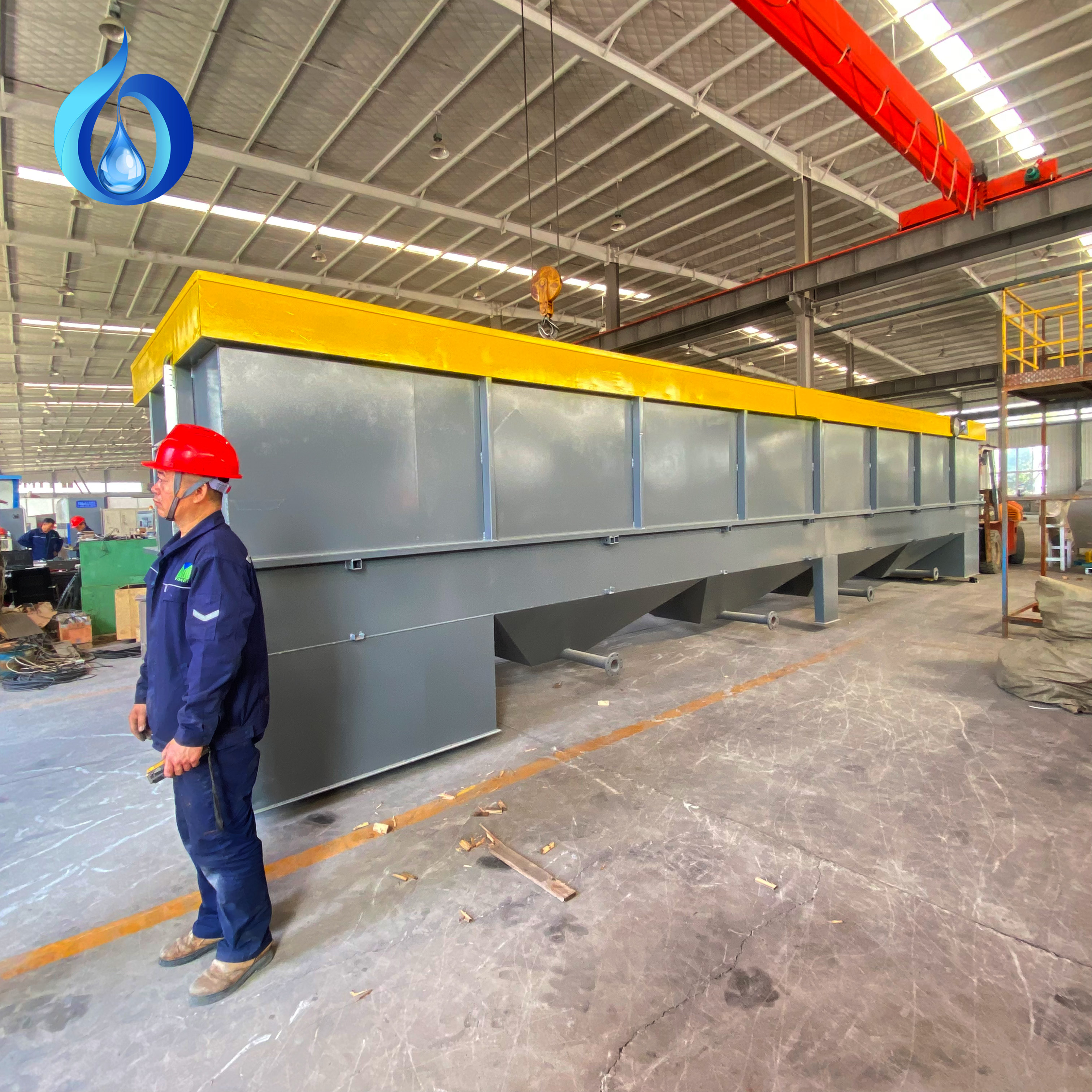
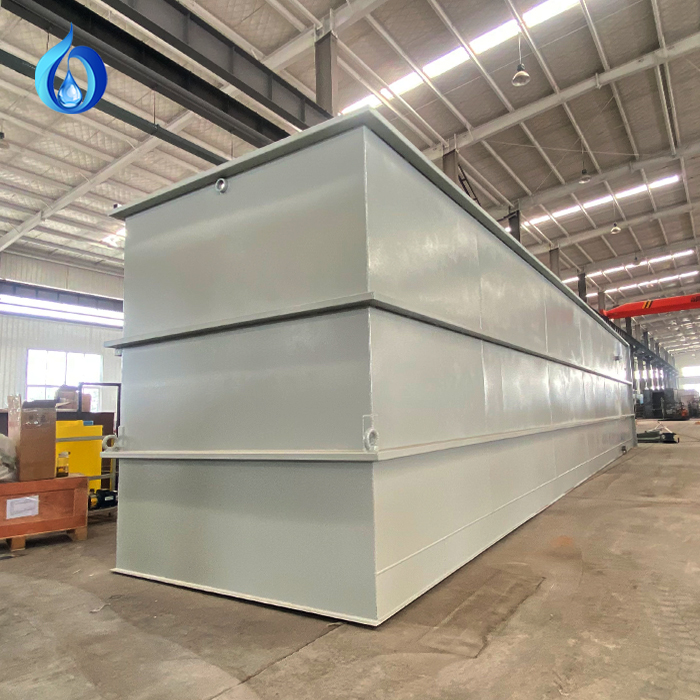
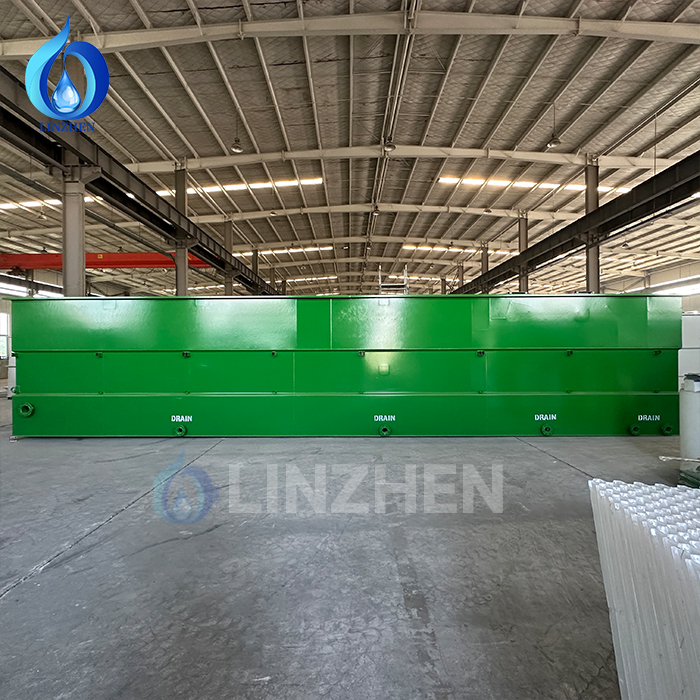
Operating modern municipal infrastructure requires addressing complex air quality challenges, with odor control at sewage treatment plant facilities standing out as a primary operational objective. Nearby communities expect fresh air quality, while environmental protection agencies enforce strict emission limits on facility boundaries. Implementing robust odor control at sewage treatment plant sites is not merely a matter of neighborly courtesy—it directly impacts workforce safety, equipment longevity, and legal compliance. Facility managers seeking efficient sewage treatment plant odor management must identify organic gas sources, deploy high-efficiency capture technologies, and maintain operational parameters that contain offensive airborne compounds.
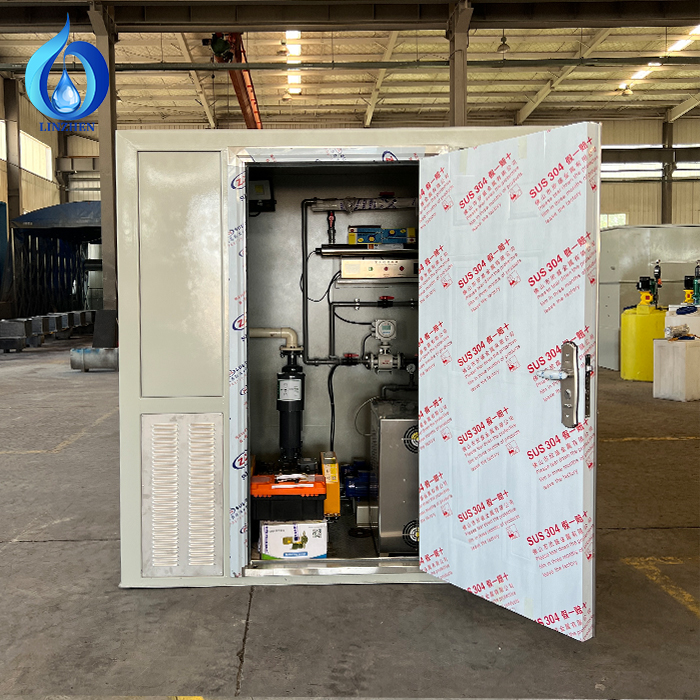
An industrial-scale facility integrates localized collection covers, chemical scrubbers, and biological filtration to prevent fugitive gaseous emissions. Odor management challenges intensify during heavy summer heatwaves, planned maintenance downtime, and sudden hydraulic surges. Achieving reliable odor control at sewage treatment plant installations requires combining preventive aeration strategies, active air treatment units, and continuous boundary gas monitoring. Balancing capital investment, daily chemical consumption, and environmental responsibility enables managers to deliver consistent wastewater odor mitigation while building trust with local residential communities.
Primary Gas Sources in Wastewater Infrastructure
Hydrogen Sulfide Control and Volatile Organic Emissions
The most noxious air contaminants encountered during odor control at sewage treatment plant operations originate from anaerobic decomposition in stagnant influent. Hydrogen sulfide gas, notorious for its rotten egg odor, forms rapidly when sulfate-reducing bacteria thrive in oxygen-depleted collection lines and primary settling tanks. Executing effective hydrogen sulfide control requires targeting hotspots like primary clarifiers, grit chambers, and equalization basins. Additionally, volatile organic compounds (VOCs) like dimethyl disulfide emerge during organic breakdown. Operators must realize these gases are not just unpleasant; H2S gas poses dangerous corrosion risks to steel infrastructure and acute toxic health hazards to onsite maintenance technicians.
Biosolids Odor Control during Sludge Dewatering and Storage
Sludge handling units generate significant gas loads that require dedicated biosolids odor control protocols. As liquid sludge thickens in centrifuges, filter presses, or digestion tanks, microbial activity releases concentrated volatile organic acids and mercaptans. Sludge cake storage bays, dewatering halls, and land-application staging areas contribute heavily to boundary odor complaints. During warm summer months, biological activity accelerates, making biosolids odor control the dominant air quality challenge for plant superintendents. Establishing clear protocols regarding sludge storage duration and cake moisture levels is critical for successful sewage treatment plant odor management.
Active Air Treatment Equipment and Physical Enclosures
Chemical Scrubbing and Biological Filtration Systems
Many facility engineers prioritize active mechanical systems to achieve consistent odor control at sewage treatment plant exhaust vents. Packed-bed chemical scrubbers utilize oxidizing solutions—such as sodium hypochlorite, caustic soda, or ozone—to neutralize foul sulfur compounds before atmospheric discharge. A well-maintained chemical scrubber designed for odor control at sewage treatment plant exhausts routinely achieves over 95 percent removal efficiency for hydrogen sulfide. Alternatively, organic biofilters pass contaminated air through damp bark or media beds populated with specialized bacteria. Biofilters offer sustainable, long-term wastewater odor mitigation with lower ongoing chemical purchase costs.
Enclosed Basins and Negative Pressure Ventilation
Structural containment plays an indispensable role in total odor control at sewage treatment plant engineering. Placing synthetic covers over primary clarifiers, scum troughs, and influent channels traps off-gases at the source. Connecting these sealed covers to heavy-duty induction fans creates negative air pressure, preventing fugitive gas leaks into surrounding neighborhoods. Ducting this captured air toward biofilters or chemical scrubbers ensures complete gas destruction. Combining physical covers with engineered ventilation forms the cornerstone of professional sewage treatment plant odor management, guaranteeing compliance even during peak load conditions.
Process Management and Preventive Operating Standards
Dissolved Oxygen Management for Hydrogen Sulfide Control
Maintaining adequate dissolved oxygen levels in aeration tanks is fundamental to successful odor control at sewage treatment plant aeration zones. Oxygen-saturated wastewater suppresses anaerobic microbial pathways, preventing sulfur reduction and ensuring effective hydrogen sulfide control. Plant operators must carefully regulate blower speeds, fine-bubble diffuser distribution, and tank mixing rates to avoid anaerobic dead zones. Proper aeration management not only advances wastewater odor mitigation but also improves biological nutrient removal and sludge settling characteristics throughout the treatment train.
Preventive Maintenance and Continuous Air Monitoring
Rigorous preventive maintenance directly strengthens overall odor control at sewage treatment plant performance metrics. Clogged fine-bubble diffusers create septic zones, while corroded exhaust ductwork allows foul air leakage. Implementing continuous ambient sensor networks around facility perimeter fences provides real-time gas readings, allowing operators to adjust chemical dosing before offsite complaints occur. Systematic equipment maintenance, paired with proactive sewage treatment plant odor management, ensures long-term operational stability and protects surrounding residential neighborhoods from offsite odor nuisance.
FAQ
What is the most effective technology for odor control at sewage treatment plant facilities?
Multi-stage systems combining structural basin covers, negative pressure ventilation, and biological or chemical scrubbers offer the highest efficiency. Combining physical containment with active air treatment ensures multi-layered odor control at sewage treatment plant sites.
How does aeration management assist in wastewater odor mitigation?
Maintaining dissolved oxygen levels above 2.0 mg/L in wastewater basins prevents anaerobic conditions from developing. Suppressing anaerobic bacteria eliminates the primary pathway for H2S gas formation, delivering natural hydrogen sulfide control.
Why is biosolids odor control particularly challenging during summer months?
Elevated ambient temperatures accelerate biological activity and volatile gas generation in dewatered sludge. Facility operators must shorten sludge storage times and increase scrubber airflow to maintain reliable biosolids odor control during hot weather.
 EN
EN