Facilities operating production lines face ongoing challenges when handling irregular effluent loads, making structured wastewater stream management essential for overall operational stability. An industrial wastewater treatment system must continuously process varying discharge volumes, sudden organic spikes, and fluctuating chemical concentrations while keeping treated water strictly within regional environmental limits. Without robust buffering mechanisms, raw hydraulic surges can scour active biological cultures, cause chemical dosing errors, and result in catastrophic permit violations. Implementing effective wastewater equalization practices ensures that downstream purification units receive stable, homogenized influent across every manufacturing shift.
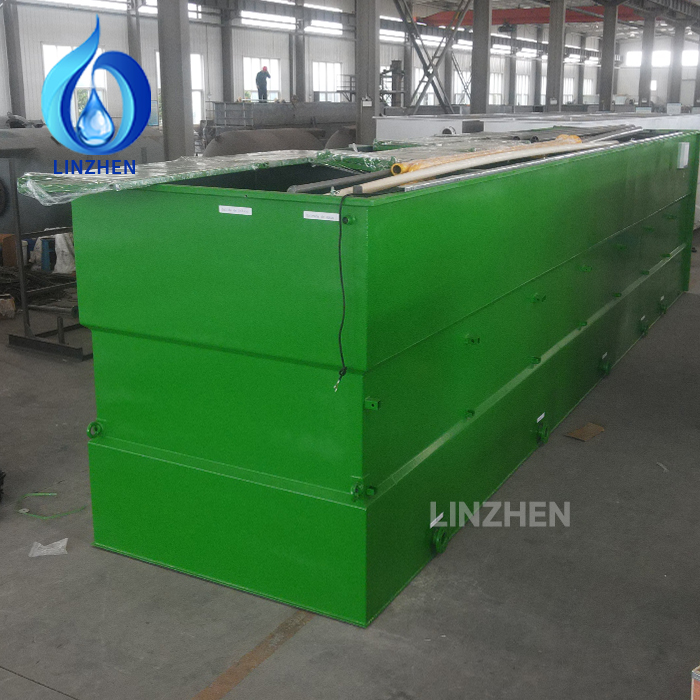
Effluent generated by industrial plants rarely enters treatment facilities at constant rates or static chemical compositions. Cleaning routines, shift changes, and batch chemical dumps create severe volumetric and organic peaks. A modern industrial wastewater treatment system mitigates these dynamic fluctuations using dedicated holding structures and smart monitoring controls. Integrating engineered flow equalization protocols protects expensive filtration membranes and biological reactors from destructive shock loads, optimizing overall operational efficiency and lowering ongoing chemical consumption.
Engineering Buffer Tanks and Flow Equalization Systems
Design Principles for Wastewater Equalization Tanks
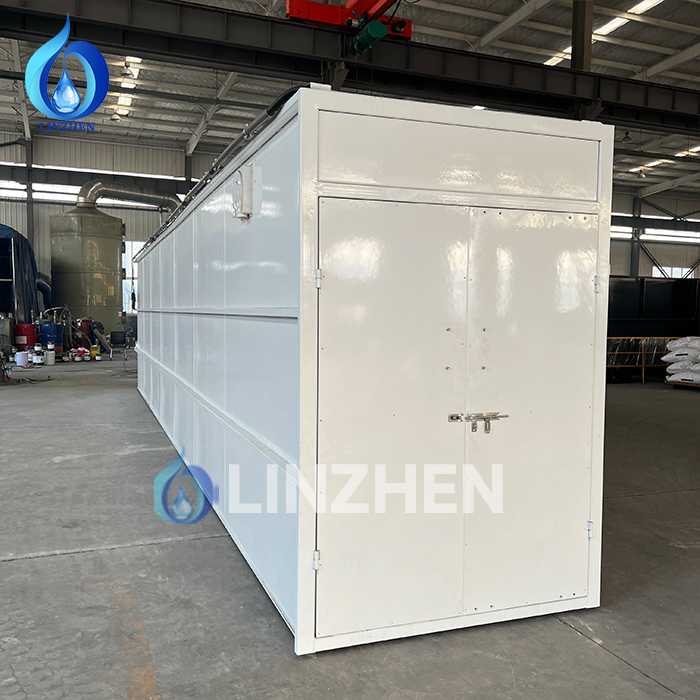
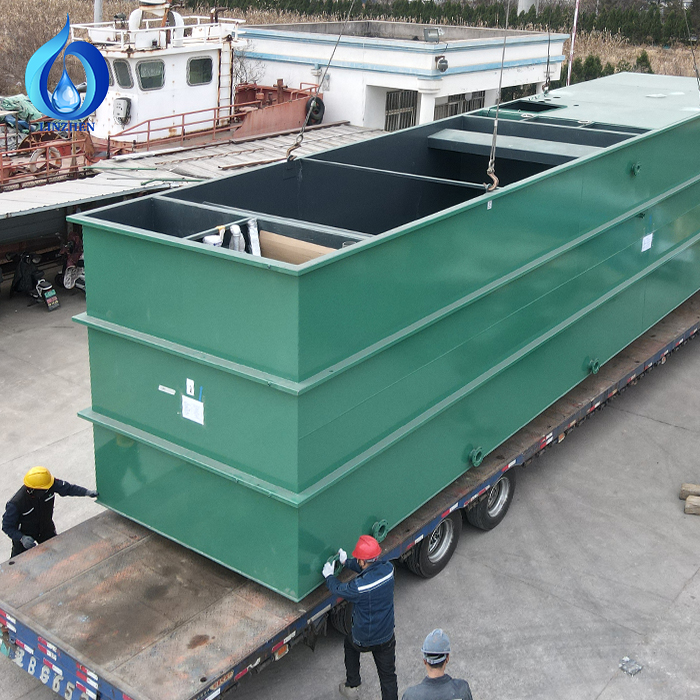
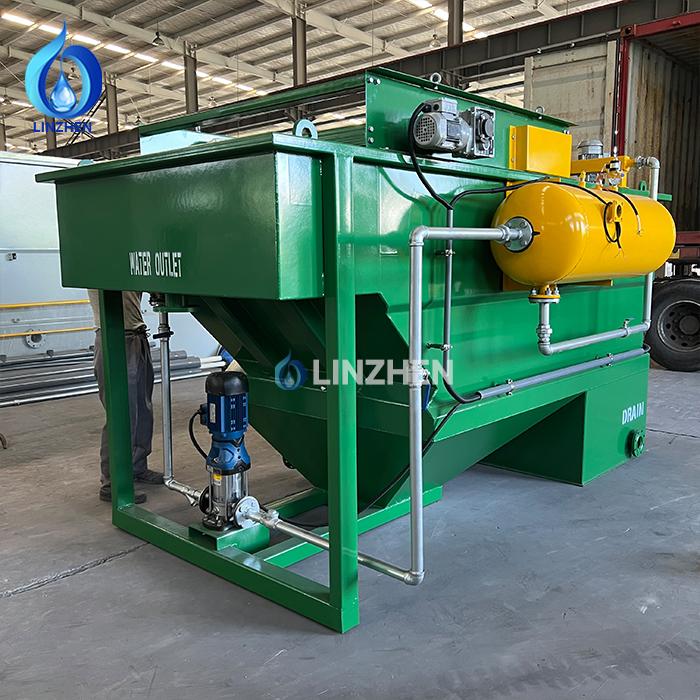
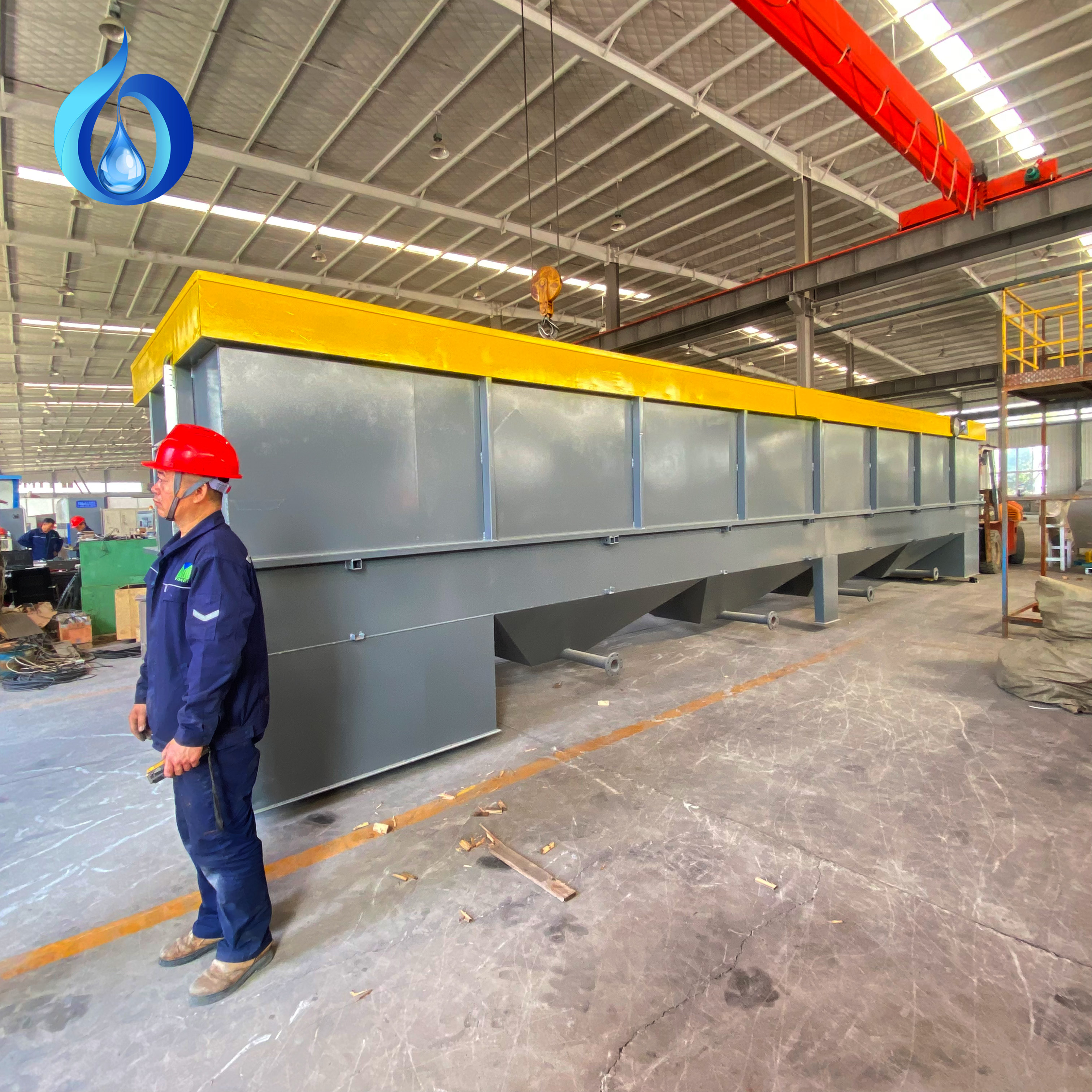
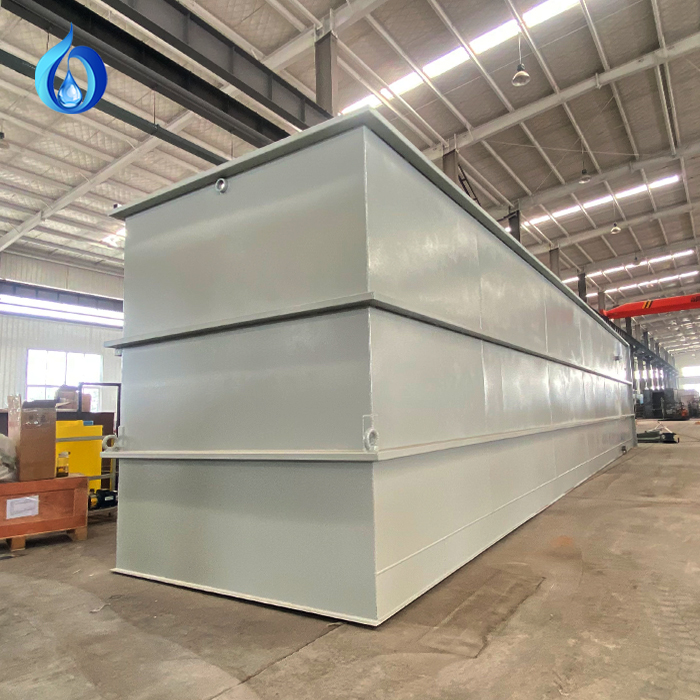
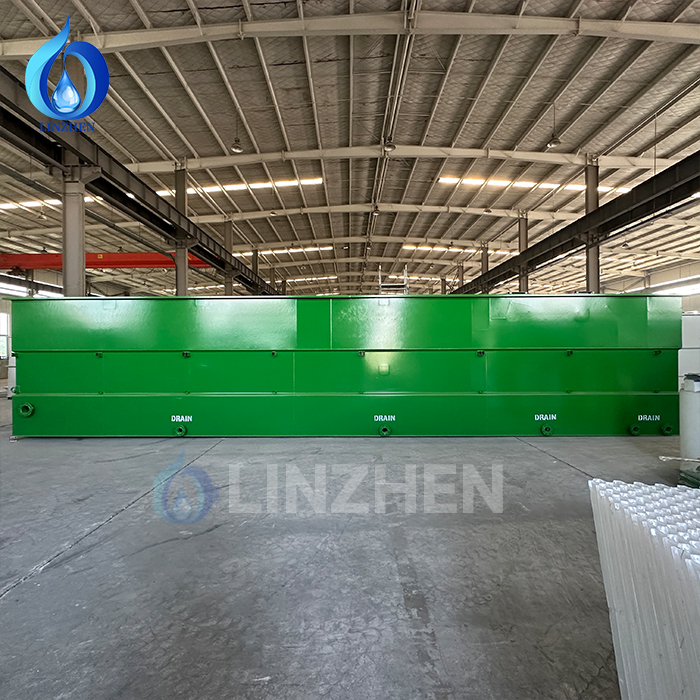
Equalization basins serve as the critical primary line of defense in an industrial wastewater treatment system. These engineered retention structures capture high-volume discharge spikes during peak operational hours and gradually release conditioned water during low-flow periods. Proper wastewater equalization dampens mass loading variations, allowing biological microorganisms to metabolize dissolved contaminants under consistent operating conditions. The volume and residence time of a buffer basin determine how effectively an industrial wastewater treatment system can smooth out severe organic and hydraulic surges before downstream clarification takes place.
When calculating capacity for flow equalization, process engineers analyze peak-to-average flow ratios, plant discharge schedules, and downstream treatment sensitivities. An optimal industrial wastewater treatment system typically integrates several hours of retention capacity to handle multi-stream inputs smoothly. Maintaining disciplined wastewater stream management within buffer zones prevents process upsets, stabilizes clarifier sludge blankets, and protects complex filtration components from sudden hydraulic scouring.
Mixing Protocols and Dissolved Oxygen Control
Continuous mechanical agitation and aeration within buffer tanks prevent heavy solids from settling and eliminate localized anaerobic zones. In an industrial wastewater treatment system, dynamic mixing ensures complete blending of incoming streams, achieving true physical and chemical homogenization. Active aeration during wastewater equalization strips volatile organic compounds and initiates initial pre-oxidation, improving subsequent biological breakdown efficiency. Consistent flow equalization paired with controlled aeration ensures that the main industrial wastewater treatment system operates smoothly under predictable loading conditions.
Stream Segregation and Automated pH Balancing
Multi-Stream Blending Strategies for Wastewater Stream Management
Industrial processing plants often produce distinct effluent streams containing unique chemical properties, acidic loads, or toxic compounds. An industrial wastewater treatment system must manage these separate waste channels through intelligent blending sequences to prevent violent chemical reactions or biological inhibition. Advanced wastewater stream management routes aggressive or concentrated lines into designated pre-mixing chambers, allowing the industrial wastewater treatment system to dilute hazardous spikes gradually rather than introducing raw chemical shocks directly into primary reactors.
Automated valving networks adjust multi-stream blending ratios based on real-time water quality feedback. Incorporating smart pH balancing loops allows an industrial wastewater treatment system to utilize alkaline waste streams to neutralize acidic channels naturally. This integrated approach to wastewater stream management minimizes third-party chemical consumption while maintaining optimal reaction conditions across all treatment stages within the industrial wastewater treatment system.
Chemical Neutralization and Automated pH Balancing Controls
Extreme pH swings can rapidly destroy delicate microbial populations in biological units and corrode mechanical piping networks. Integrating automated pH balancing within equalization basins provides vital chemical pre-conditioning for any industrial wastewater treatment system. Precise chemical dosing pumps introduce neutralizing acids or caustics based on continuous sensor readings. Correct pH balancing ensures stable influent chemistry, safeguarding downstream biological processes and ensuring the industrial wastewater treatment system operates within its ideal performance envelope.
Advanced Process Automation and Sensor Integration
Real-Time Analytics in Wastewater Stream Management
Modern industrial wastewater treatment system designs rely heavily on inline sensors, automated actuators, and programmable logic controllers to track dynamic flow changes. Optical turbidity sensors, pH probes, dissolved oxygen monitors, and flow meters give operators total visibility into inlet variations. Utilizing real-time data within an industrial wastewater treatment system enables automated adjustments to aeration blower speeds, chemical metering rates, and internal recycle flows before raw load spikes reach main treatment reactors.
Closed-loop automation allows an industrial wastewater treatment system to react dynamically to shifting incoming contamination levels. When sensors detect elevated organic concentrations, automated controls adjust flow equalization discharge rates or increase oxygen delivery to maintain balance. Implementing intelligent wastewater stream management backed by continuous monitoring guarantees consistent discharge quality, protecting manufacturing facilities against unexpected regulatory non-compliance.
FAQ
Why is wastewater equalization necessary in an industrial wastewater treatment system?
Proper wastewater equalization dampens hydraulic surges and homogenizes chemical concentrations. This ensures an industrial wastewater treatment system receives consistent loading, preventing process upsets and protecting biological cultures from sudden toxic shocks.
How does automated pH balancing reduce chemical operational costs?
Automated pH balancing utilizes natural neutralization by blending acidic and alkaline waste streams in equalization zones. This reduces the reliance on raw chemical additions within the main industrial wastewater treatment system, drastically lowering operating costs.
What role does flow equalization play in effective wastewater stream management?
Structured flow equalization regulates peak hourly discharge volumes, ensuring smooth wastewater stream management. Releasing effluent at controlled rates enables an industrial wastewater treatment system to process water at peak baseline efficiency without requiring oversized treatment infrastructure.
 EN
EN