Industrial wastewater treatment represents a major operating expenditure across manufacturing, municipal, and processing sectors. Traditional gravity clarification often relies on expansive footprints, extended retention times, heavy chemical dosing, and intensive maintenance that drive up operational overhead. Adopting a modern dissolved air flotation system offers a field-proven pathway to minimize these expenses while protecting effluent quality. By leveraging microbubble separation, a high-efficiency dissolved air flotation unit rapidly lifts suspended solids and oils to the surface. This streamlined process delivers significant DAF cost savings through reduced chemical intake, lower power consumption, and substantial sludge volume reduction, providing a clear route to optimize total cost of ownership in modern industrial wastewater treatment.
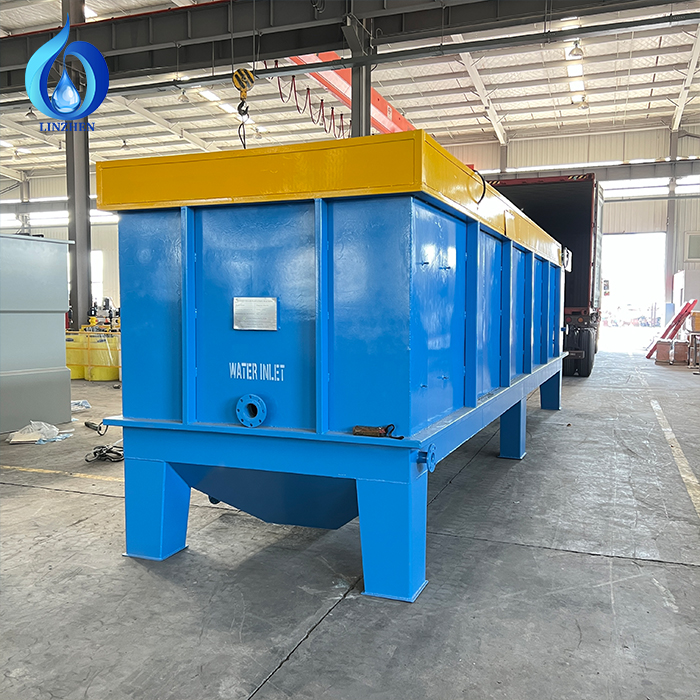
Unlike conventional sedimentation, a dissolved air flotation plant relies on microbubbles rather than gravity settling alone. Pressurized air dissolves into the recycle stream and releases micro-sized air bubbles upon entering the flotation basin. These microbubbles attach directly to suspended particulates, accelerating their upward velocity. Consequently, a high-performance DAF system dramatically reduces retention times and footprint requirements. Operating an engineered dissolved air flotation system transforms key expense drivers, yielding sustainable cost reductions across capital equipment, chemical usage, energy consumption, and downstream sludge management.
Capital Equipment and Spatial Footprint Optimization
Reduced Physical Footprint and Installation Savings
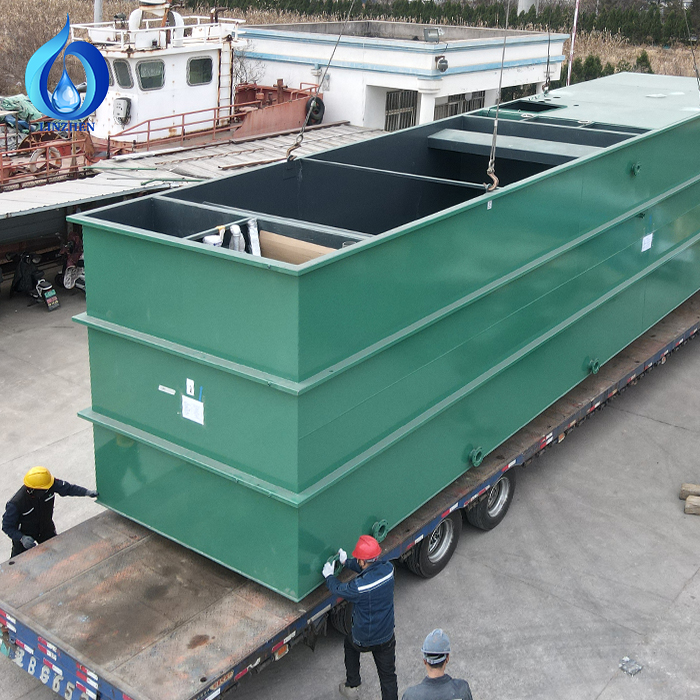
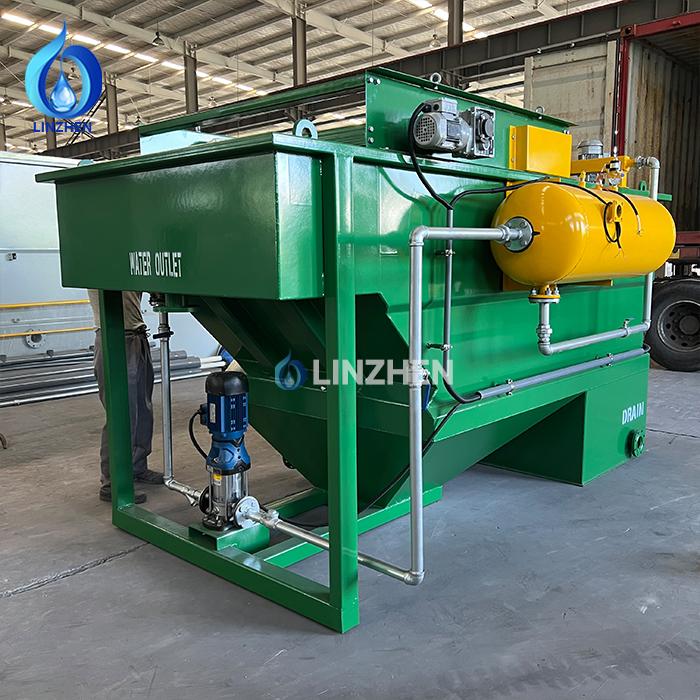
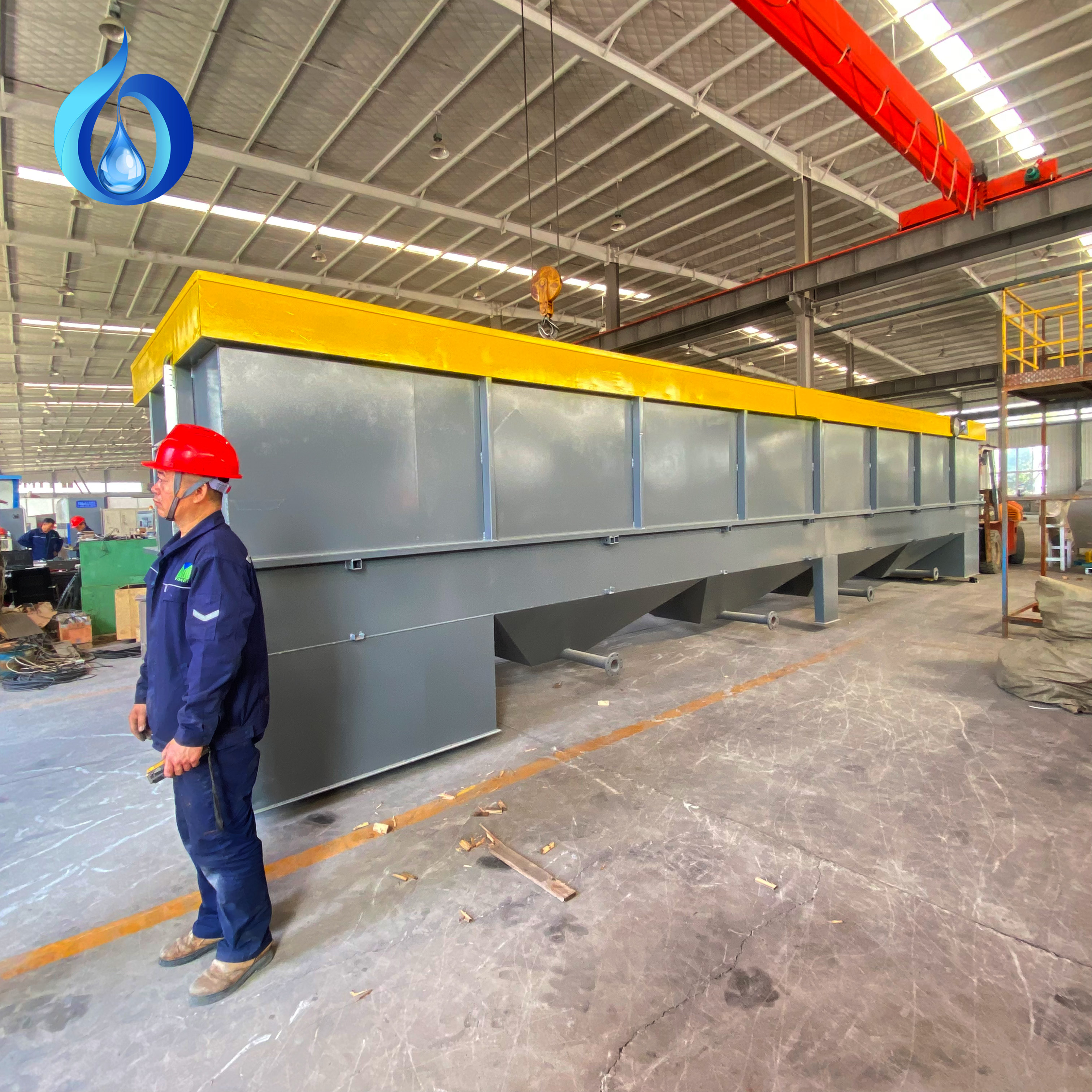
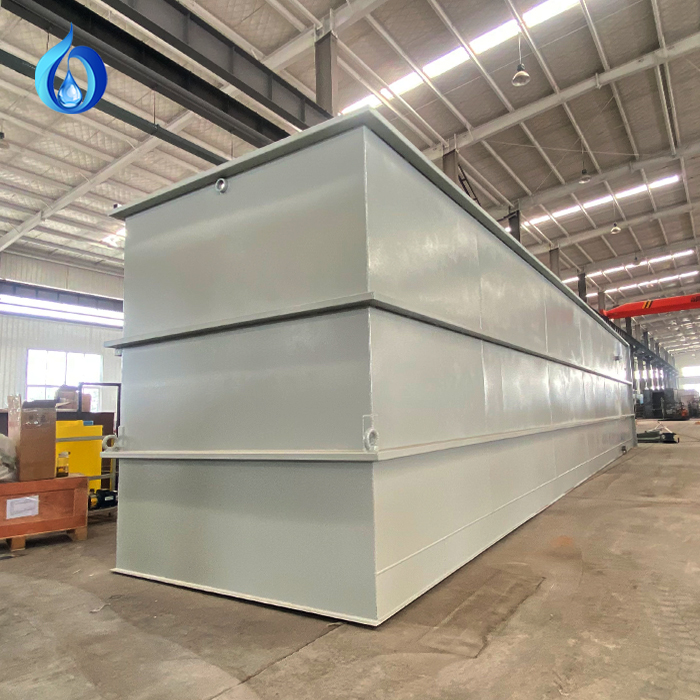
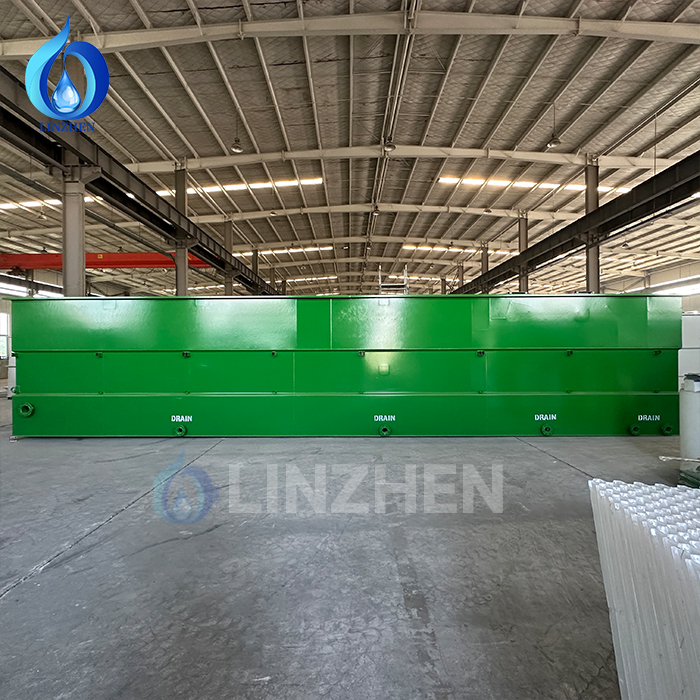
A primary financial benefit of deploying a compact dissolved air flotation design is footprint optimization. Standard settling tanks require large surface areas and deep basins to achieve target clarification rates. In contrast, a high-rate dissolved air flotation tank clarifies influent rapidly within a fraction of that space. Operating a compact DAF system cuts land acquisition, excavation, civil works, and piping infrastructure costs. Industrial plants facing space constraints avoid expanding site boundaries, directly translating site efficiency into upfront capital savings for new industrial wastewater treatment installations.
Asset Longevity and Maintenance Efficiency
Integrating a robust dissolved air flotation platform supports reliable long-term service with minimal mechanical wear. Heavy rake mechanisms in traditional clarifiers experience continuous mechanical stress, whereas a modern dissolved air flotation unit utilizes low-wear surface skimmers and optimized hydraulics. Extending system longevity through robust dissolved air flotation design prevents premature equipment overhaul and stabilizes long-term maintenance budgets within industrial wastewater treatment operations.
Lowering Operational and Consumable Expenses
Reduced Chemical Dosing Requirements
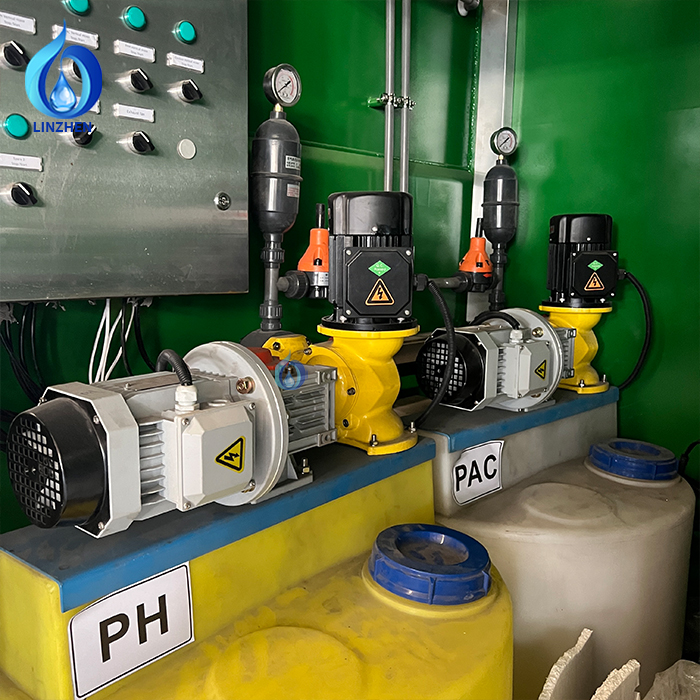
Conventional clarification typically depends on high doses of coagulants and flocculants to form heavy, settleable flocs. In contrast, the microbubble separation mechanism of a dissolved air flotation system allows lightweight flocs to float quickly, drastically lowering chemical demand. Decreasing chemical consumption with a dissolved air flotation setup lowers recurring procurement costs, reduces chemical handling risks, and lowers secondary chemical sludge generation—driving continuous DAF cost savings year after year.
Energy-Efficient Microbubble Operation
Although a standard dissolved air flotation process requires pressure pumps to create saturated recycle streams, total power draw remains highly competitive against alternative filtration or centrifugation methods. Advanced saturation tanks and high-efficiency recycle pumps allow a modern DAF system to run at optimized pressure ranges (3 to 6 bar). Rapid processing times in a compact dissolved air flotation basin minimize continuous energy usage per gallon treated, delivering strong operational ROI for industrial wastewater treatment facilities.
Downstream Advantage: Sludge Volume Reduction and Reuse
Higher Solids Concentration and Dewatering Savings
Managing thick sludge floating on the surface of a dissolved air flotation unit yields immediate downstream savings. The continuous float scraping mechanism delivers sludge with significantly higher dry solids concentration than standard bottom-settled sludge. Achieving direct sludge volume reduction through a optimized dissolved air flotation process lowers transportation volume, reduces decanter or filter press duty, and cuts haul-away tipping fees substantially.
Effluent Reuse and Water Recovery Potential
Producing high-clarity effluent using a dissolved air flotation process opens valuable opportunities for water reuse. A well-tuned dissolved air flotation unit removes free oils, fats, grease, and suspended solids effectively, preparing water for recycling or RO pre-treatment. Reclaiming process water via a reliable DAF system reduces fresh municipal water purchases, insulating facilities against rising utility rates while achieving environmental compliance goals in modern industrial wastewater treatment.
FAQ
What factor drives quick payback for a dissolved air flotation unit?
Payback on a dissolved air flotation investment typically occurs within two to five years. Rapid payback is primarily driven by immediate DAF cost savings in chemical dosing, smaller footprint requirements, lower power consumption, and major sludge volume reduction during daily operational cycles.
Can a dissolved air flotation system handle variable influent loads?
Yes, a flexible dissolved air flotation design easily adapts to fluctuating flow rates and solid loadings. Modern automated controls adjust air saturation and chemical feeds dynamically, allowing the DAF system to deliver stable effluent quality despite changing influent conditions.
How does dissolved air flotation lower downstream dewatering costs?
Because a dissolved air flotation surface skimmer harvests dense float material, the resulting sludge holds less bound water. Achieving sludge volume reduction upfront lowers dewatering energy needs and significantly cuts disposal expenses for the entire facility.
 EN
EN