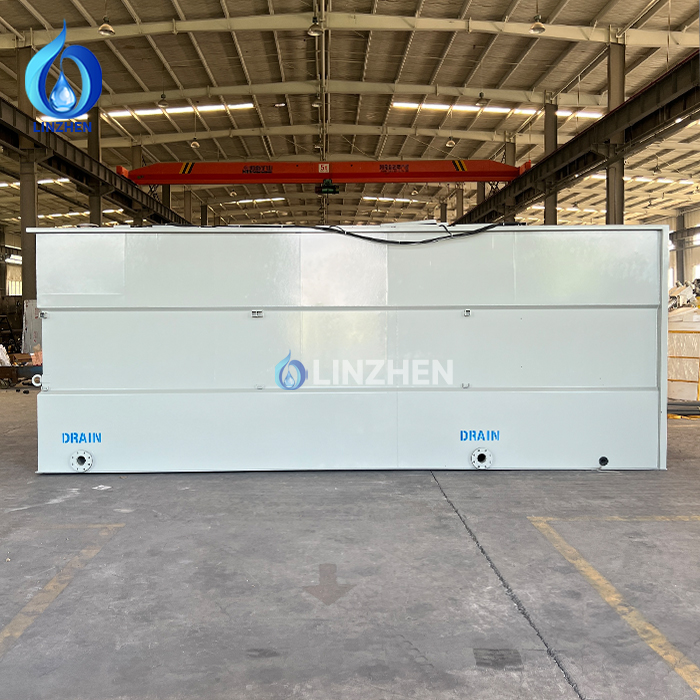
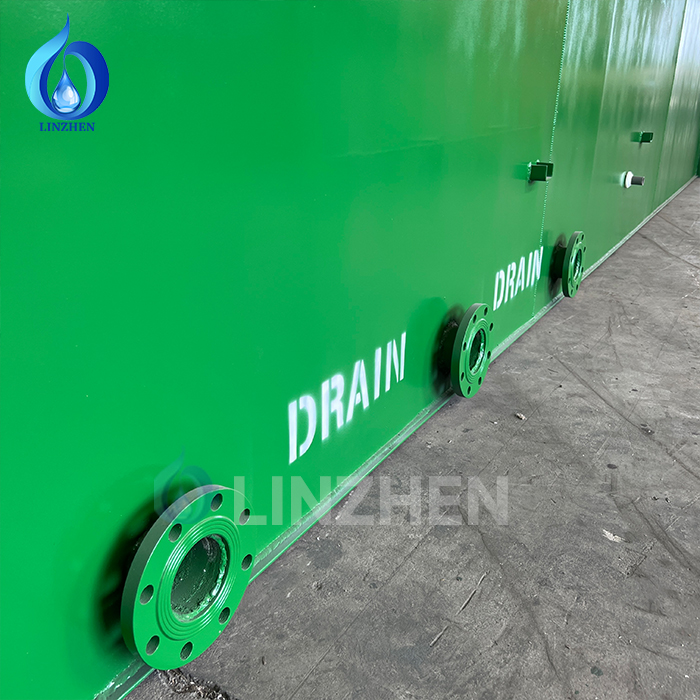
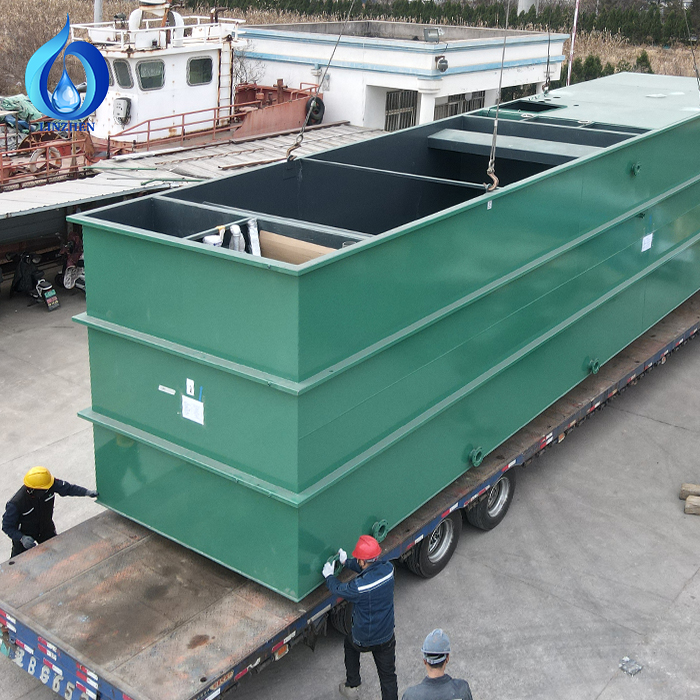
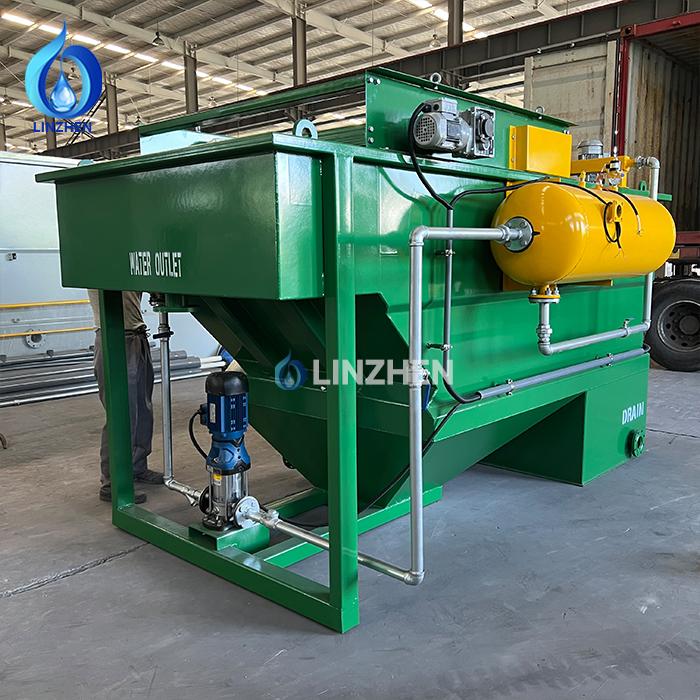
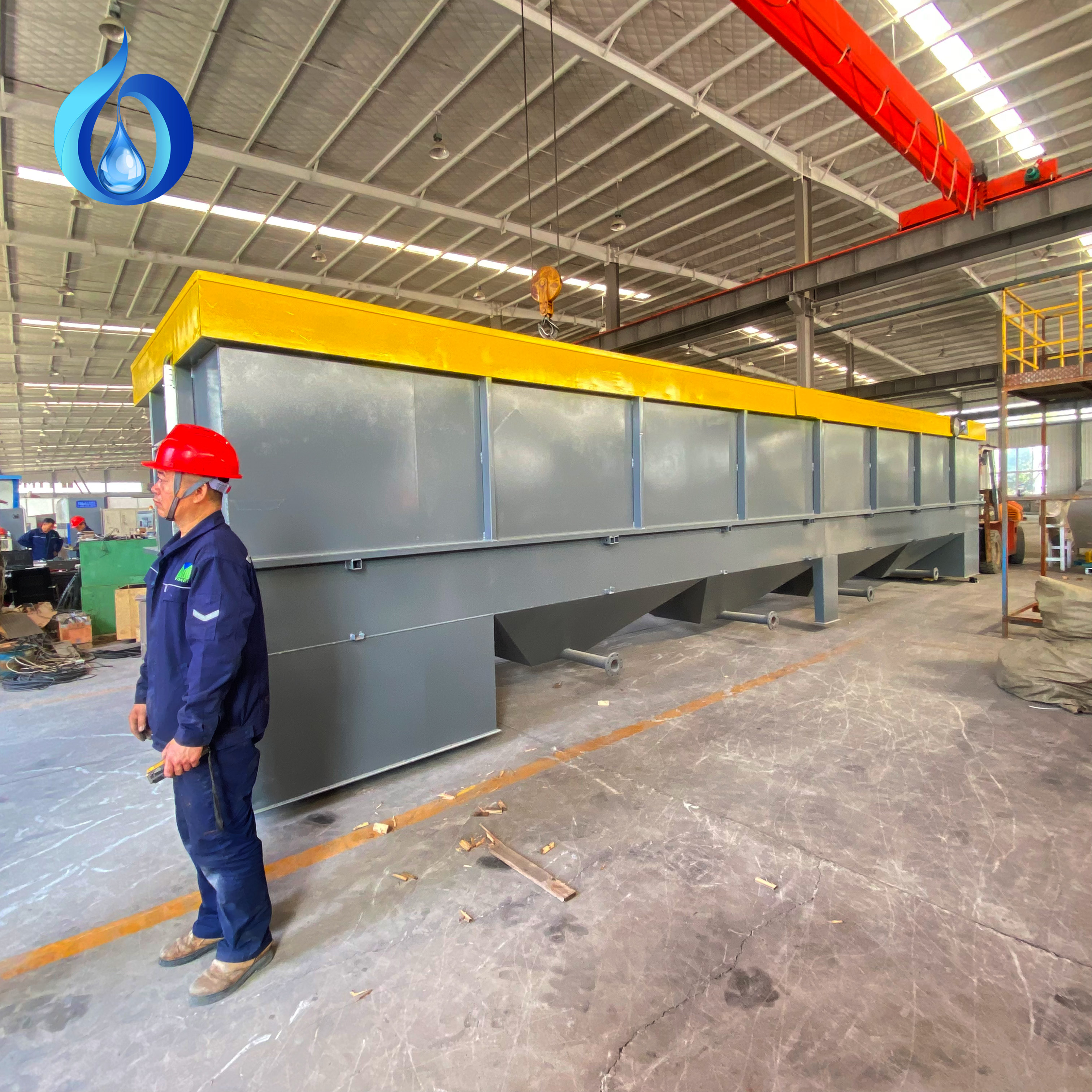
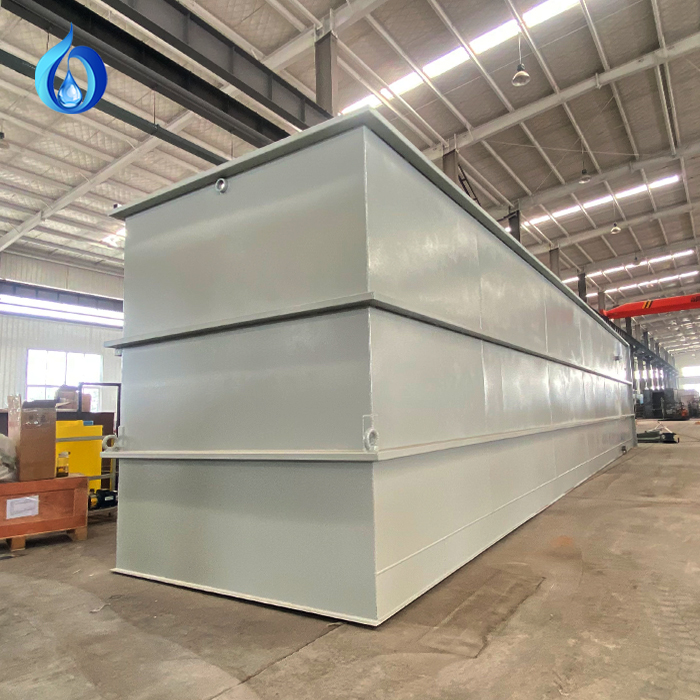
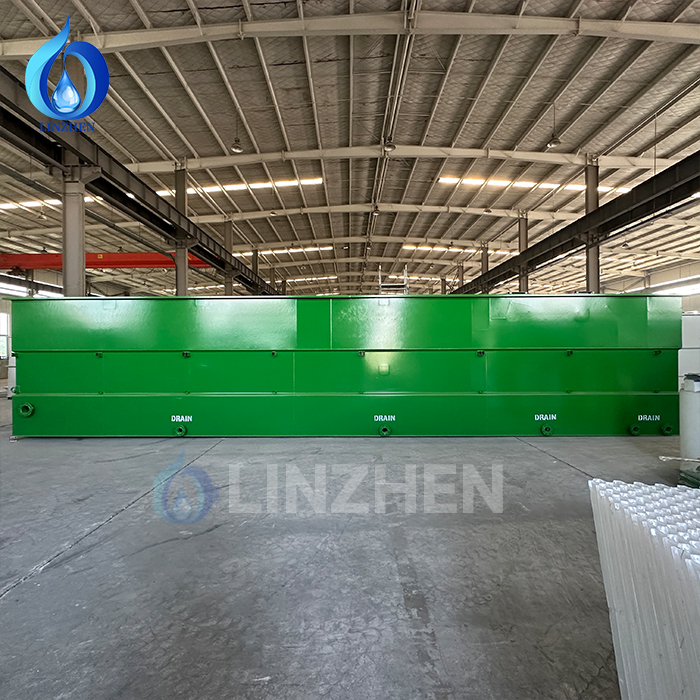
Environmental regulations governing industrial discharge have become increasingly stringent, making compliance a critical operational priority for manufacturing facilities and processing plants. A properly designed wastewater treatment plant is essential for meeting discharge standards while protecting your facility from costly penalties, operational disruptions, and reputational damage. The stakes are high—non-compliance can result in substantial fines, temporary shutdowns, and legal liability. Understanding how a wastewater treatment plant reduces discharge compliance risk is fundamental to maintaining sustainable operations and protecting your bottom line.
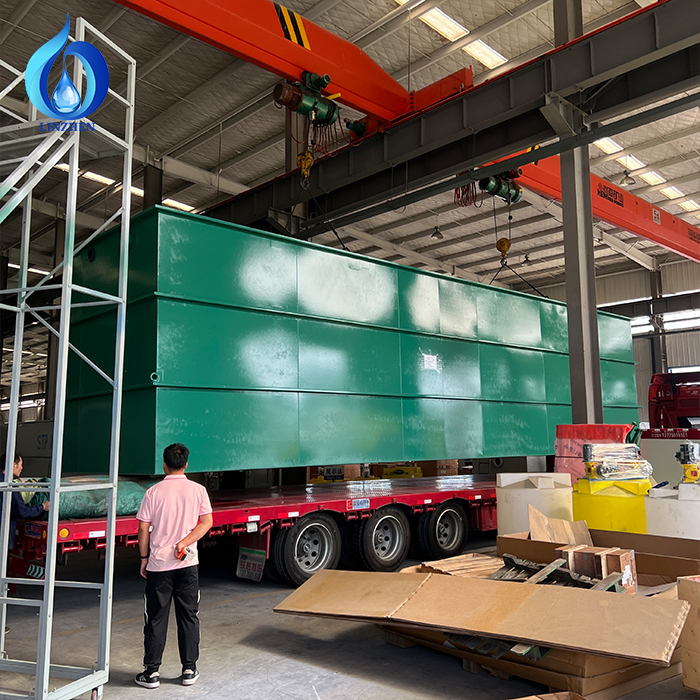
Regulatory agencies across industries now demand measurable proof that facilities actively control pollutant discharge levels. A well-engineered wastewater treatment plant serves as your primary defense mechanism, transforming raw industrial effluent into water that meets or exceeds legal discharge thresholds. By investing in reliable treatment infrastructure, you create a documented compliance pathway, demonstrate environmental responsibility, and establish the operational controls that regulators expect to see during audits and inspections.
How a Wastewater Treatment Plant Prevents Regulatory Violations
Real-Time Monitoring and Automated Control Systems
Modern wastewater treatment plant systems incorporate automated monitoring technology that continuously tracks critical water quality parameters. These sensors measure pH, dissolved oxygen, turbidity, and pollutant concentrations, alerting operators to deviations before they breach legal limits. When your wastewater treatment plant includes programmable logic controller (PLC) automation, the system actively adjusts treatment processes in real time, preventing violations before they occur. This proactive approach eliminates the reactive scrambling that often leads to accidental non-compliance.
Automated controls within a wastewater treatment plant reduce human error and ensure consistent treatment performance across all operational conditions. Rather than relying on manual testing and delayed corrective actions, a sophisticated wastewater treatment plant responds instantaneously to changing inlet water conditions. This reliability creates a verifiable compliance audit trail, demonstrating to regulators that your facility maintains rigorous operational discipline and environmental stewardship.
Multi-Stage Treatment Process Effectiveness
A comprehensive wastewater treatment plant employs multiple treatment stages—physical separation, biological degradation, chemical precipitation, and advanced filtration—to systematically reduce pollutant concentrations. Each stage of a wastewater treatment plant addresses different contaminant classes, ensuring that complex industrial effluent meets strict discharge standards. This layered approach provides multiple safety margins; even if one treatment stage temporarily underperforms, downstream processes in your wastewater treatment plant continue removing residual contaminants.
The redundancy built into a properly designed wastewater treatment plant means you maintain compliance even during maintenance cycles or unexpected operational fluctuations. When regulatory inspectors evaluate your wastewater treatment plant, they see a facility that has engineered multiple treatment barriers rather than relying on a single process. This demonstrates serious commitment to environmental protection and significantly reduces your regulatory violation risk.
Streamlining Permitting and Inspection Processes
Documentation and Performance Records
Permitting authorities require detailed evidence that your wastewater treatment plant consistently achieves discharge standards. By maintaining comprehensive performance logs and treatment documentation, a wastewater treatment plant creates the compliance portfolio that regulatory agencies demand during permit renewals and inspections. These records prove that your facility has invested in legitimate treatment infrastructure and operates with documented accountability. A wastewater treatment plant equipped with data logging capabilities automatically generates the compliance evidence that would otherwise require laborious manual documentation.
When permit authorities review your wastewater treatment plant records, they assess whether you have demonstrated consistent achievement of discharge limits over extended monitoring periods. A wastewater treatment plant with reliable, verifiable performance data significantly strengthens your permitting position and reduces the likelihood of permit restrictions or expensive compliance upgrades. Authorities typically view facilities with strong wastewater treatment plant documentation as lower-risk operations, resulting in streamlined renewal processes and lower regulatory scrutiny.
Regulatory Communication and Transparency
Transparent communication regarding your wastewater treatment plant performance builds trust with regulatory agencies and demonstrates good-faith compliance efforts. Facilities that proactively report wastewater treatment plant performance metrics and maintain open dialogue with environmental authorities typically experience more favorable regulatory relationships. A wastewater treatment plant that operates within documented parameters and communicates honestly about performance issues avoids adversarial regulatory interactions and potential legal complications.
Regulatory agencies appreciate facilities that operate a professional wastewater treatment plant with clear operator training, maintenance protocols, and performance accountability. When your wastewater treatment plant reflects serious operational governance, inspectors develop confidence that you will maintain compliance consistently rather than cutting corners. This positive regulatory relationship reduces audit frequency and creates space for collaborative problem-solving rather than punitive enforcement actions.
Cost Efficiency and Risk Mitigation Through Treatment Investment
Avoiding Penalties and Shutdown Costs
Discharge violations impose immediate financial consequences: administrative penalties, civil fines, and potential facility shutdowns that halt all production revenue. Investing in a quality wastewater treatment plant is substantially less expensive than absorbing the costs associated with regulatory violations. A single serious violation of discharge standards can trigger fines exceeding operational investment in a wastewater treatment plant system by multiples. Beyond fines, a wastewater treatment plant protects against litigation from environmental groups and community stakeholders who monitor industrial discharge compliance.
A wastewater treatment plant represents preventive risk management that eliminates exposure to these catastrophic cost scenarios. When you compare the capital and operational expenses of maintaining an effective wastewater treatment plant against the potential liabilities from compliance failure, the investment case becomes compelling. Your wastewater treatment plant functions as insurance against operational disruption and regulatory penalties, protecting both short-term cash flow and long-term business viability.
Operational Continuity and Competitive Advantage
Facilities with robust wastewater treatment plant systems maintain consistent operational capacity without regulatory interruptions that plague non-compliant competitors. A wastewater treatment plant ensures you can reliably fulfill customer commitments without facing sudden shutdown orders or production restrictions. In competitive industries, this operational reliability directly translates to market advantage, customer retention, and revenue stability. Customers increasingly prefer suppliers with demonstrated environmental responsibility, making your wastewater treatment plant a competitive asset beyond compliance.
A wastewater treatment plant with excellent performance records enhances your facility's reputation with customers, regulators, and community stakeholders. This reputation advantage can translate into preferential treatment in contract negotiations, easier permitting for facility expansions, and improved relationships with local authorities. Your investment in a professional wastewater treatment plant thus generates benefits that extend well beyond basic compliance into genuine business advantage.
FAQ
What specific pollutants does a wastewater treatment plant remove from discharge?
A wastewater treatment plant removes suspended solids, organic compounds, heavy metals, nutrients, and other contaminants that regulatory standards prohibit in environmental discharge. Different industries require different treatment configurations—a wastewater treatment plant serving food processing removes different pollutants than one treating chemical manufacturing waste. The appropriate wastewater treatment plant design depends on your specific industry, inlet water composition, and local discharge standards. Regulatory agencies specify which pollutants your wastewater treatment plant must address based on your facility's permit requirements.
How often should a wastewater treatment plant undergo maintenance to ensure compliance?
A wastewater treatment plant requires scheduled preventive maintenance aligned with equipment manufacturer specifications, typically involving weekly inspections, monthly servicing, and quarterly deep cleaning of treatment stages. Regular maintenance of a wastewater treatment plant prevents equipment degradation that leads to treatment performance failures and compliance violations. Your wastewater treatment plant operator should maintain detailed maintenance records that demonstrate consistent care and provide evidence of professional facility management to regulatory inspectors. Neglecting wastewater treatment plant maintenance directly increases violation risk and reduces system reliability.
Can a wastewater treatment plant be retrofitted into an existing facility?
Yes, a wastewater treatment plant can be designed and installed as a retrofit in existing industrial facilities, though space and infrastructure requirements must be carefully evaluated. Your facility's discharge compliance risk can be substantially reduced by retrofitting an appropriate wastewater treatment plant that meets current regulatory standards. Working with engineering professionals ensures your retrofitted wastewater treatment plant integrates effectively with existing infrastructure and achieves design performance objectives. Many facilities successfully upgrade compliance through wastewater treatment plant retrofitting rather than facility relocation or operational curtailment.
 EN
EN