Linzhen Deploys Customized Slaughterhouse Wastewater Treatment Engineering in Kenya
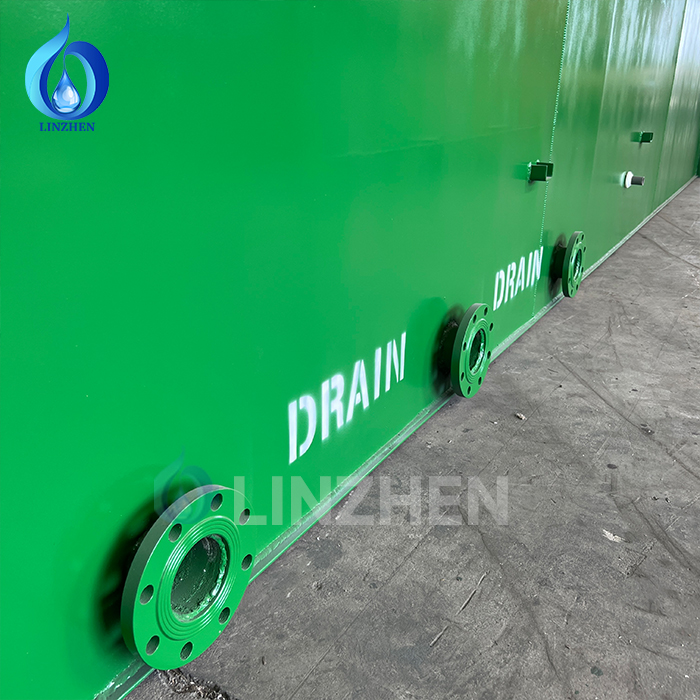
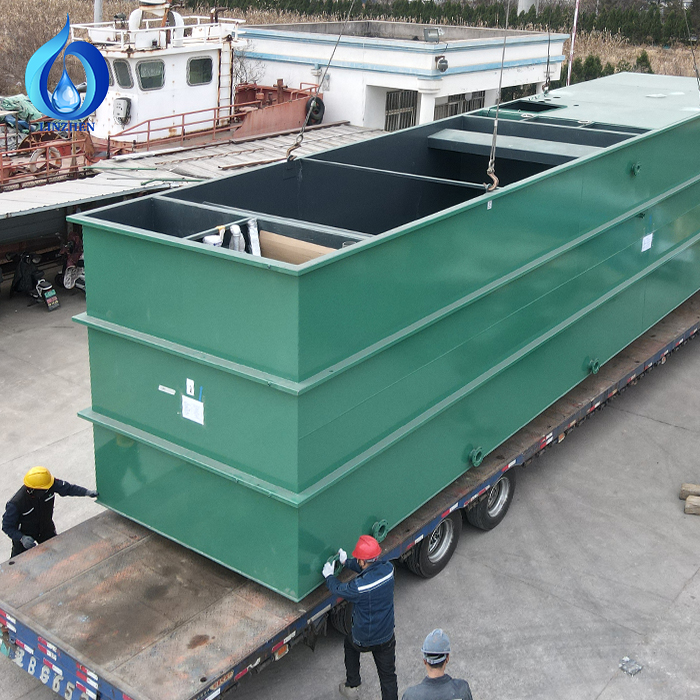
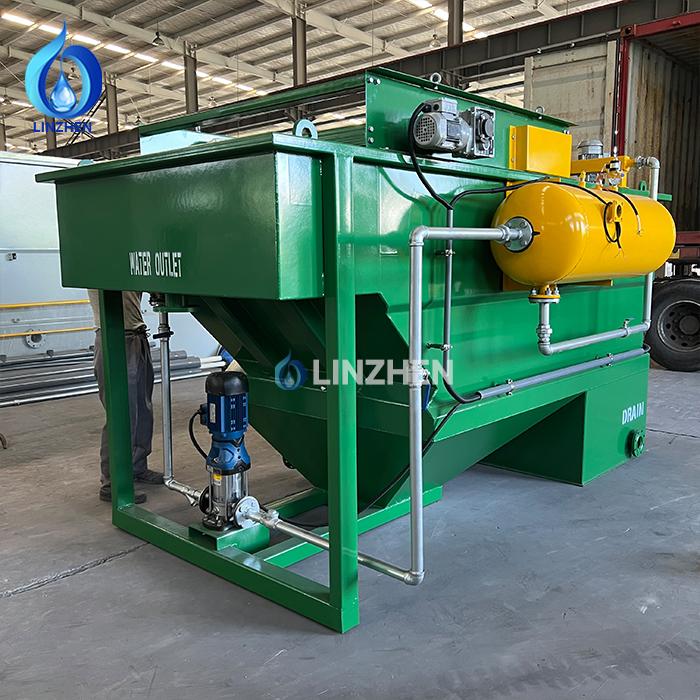
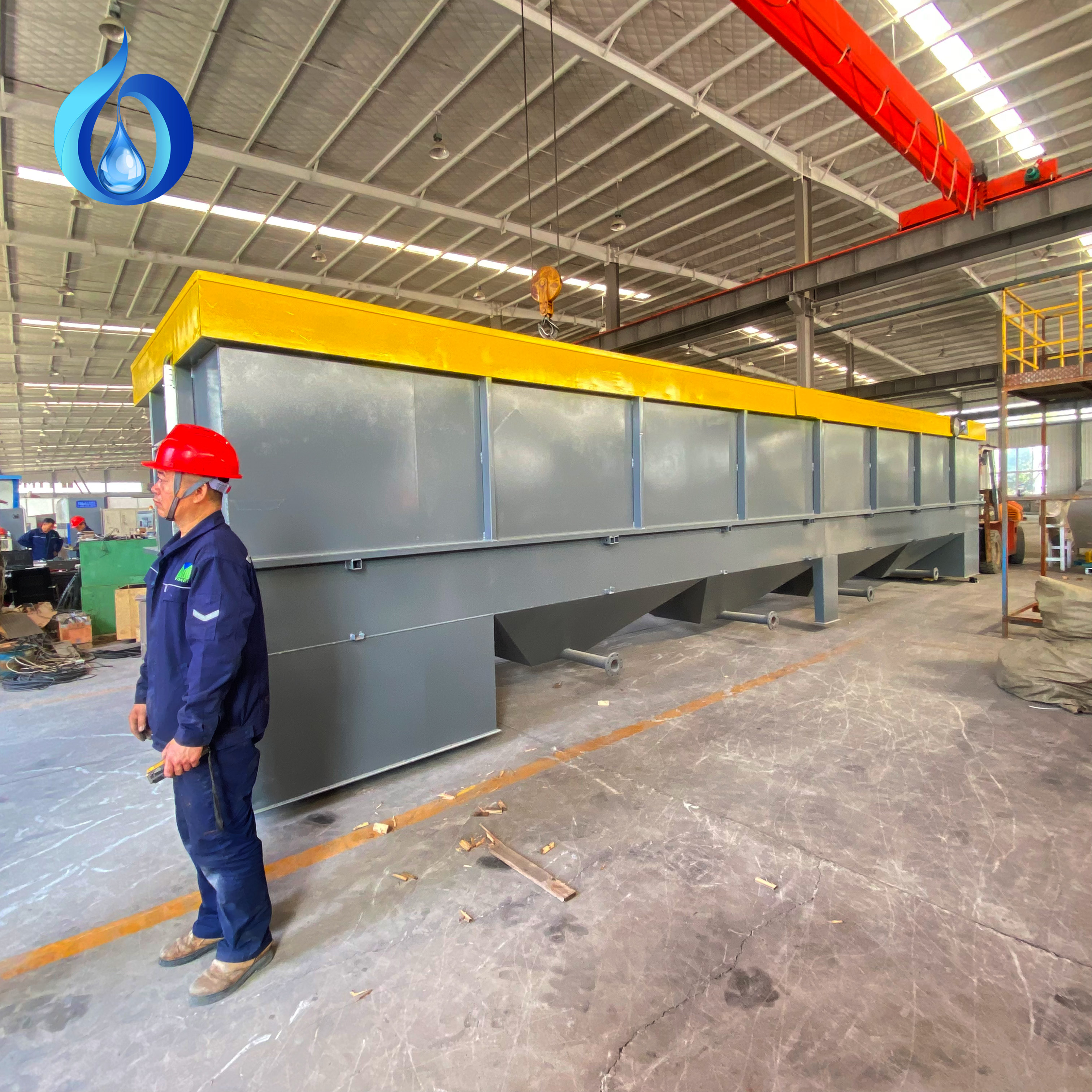
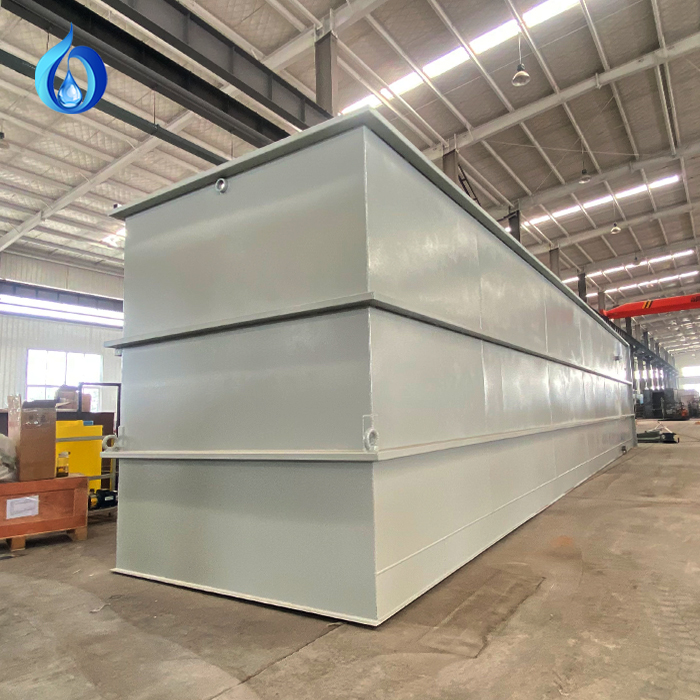
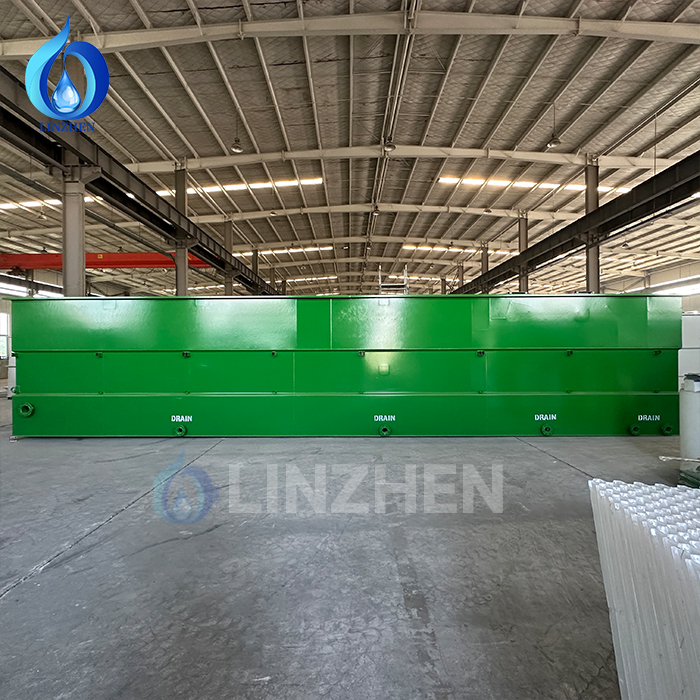
Linzhen has completed the production and export of an advanced DAF MBBR system designed specifically for slaughterhouse wastewater treatment to assist a fast-growing meat processing facility in East Africa. This complete slaughterhouse wastewater treatment plant resolves heavy organic contamination from abattoir operations, guaranteeing stable environmental compliance. Sustainable slaughterhouse wastewater treatment remains a cornerstone of modern industrial operations in the region.
As agricultural expansion accelerates across Kenya, regional meat processors face increasingly strict regulatory requirements regarding slaughterhouse wastewater treatment. Raw effluent from livestock processing carries high volumes of suspended solids, animal fats, soluble proteins, residual blood, and complex organics. Without effective slaughterhouse wastewater treatment, these contaminants cause severe ecological disruption and municipal infrastructure failure. Proper slaughterhouse wastewater treatment protocols are essential before discharging treated effluent into nearby waterways.
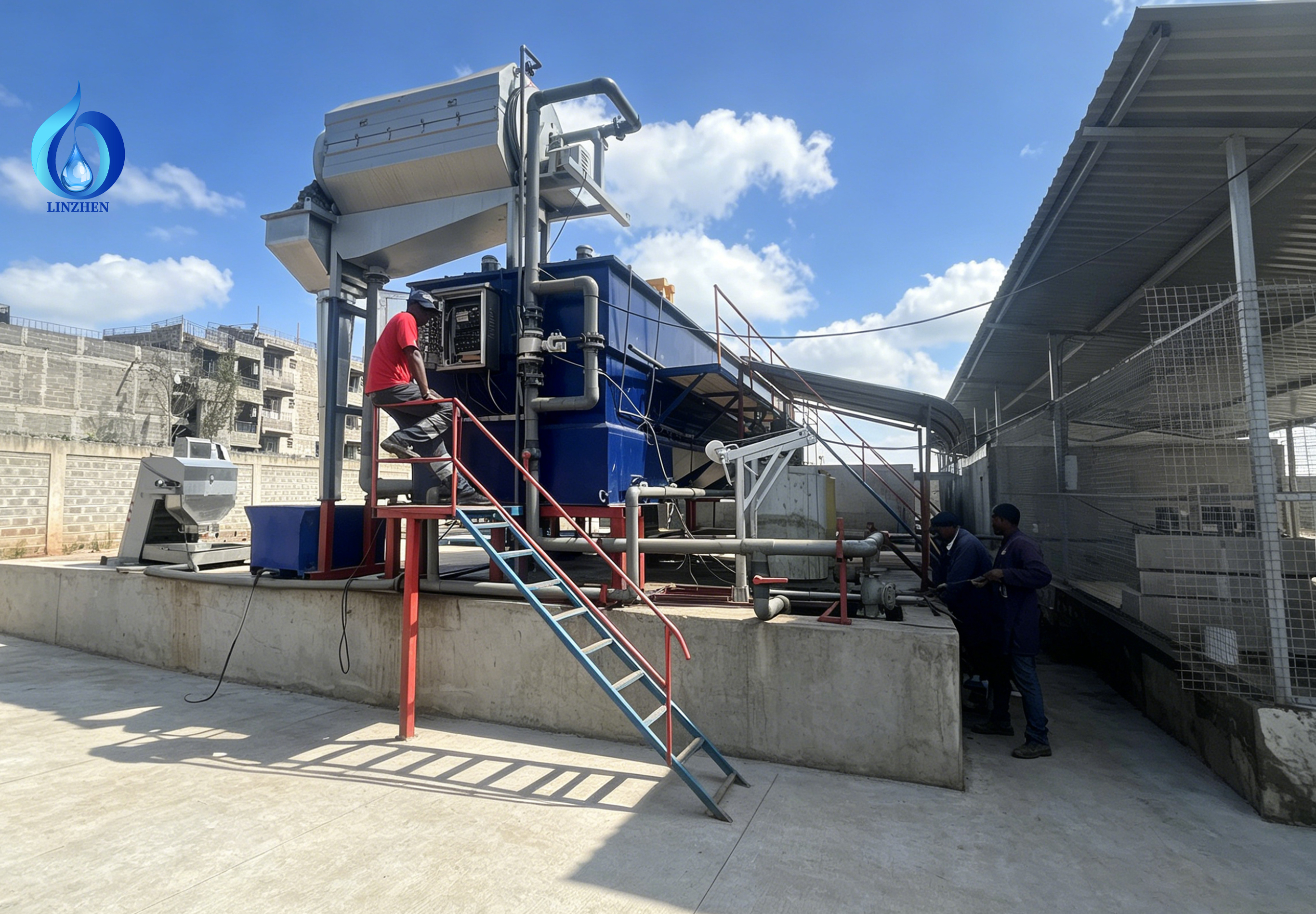
Tailored Slaughterhouse Wastewater Treatment Process Configuration
Varied processing capacities generate distinct influent profiles. Prior to fabrication, our technical team evaluates raw water characteristics and localized discharge standards to engineer targeted slaughterhouse wastewater treatment processes. Custom slaughterhouse wastewater treatment ensures every processing stage operates efficiently.
Linzhen delivers purpose-built biological and physical slaughterhouse wastewater treatment equipment globally.
Our systems serve diverse industrial applications worldwide. For this project, a dual-stage arrangement combining Dissolved Air Flotation (DAF) and Moving Bed Biofilm Reactor (MBBR) technologies was selected as the optimal slaughterhouse wastewater treatment solution.
|
MBBR Benefits for Slaughterhouse Wastewater Treatment
|
Technical Mechanism in Slaughterhouse Wastewater Treatment
|
|
Enhanced Biological Degradation Rates
|
High-density biomass accelerates organic contaminant breakdown during slaughterhouse wastewater treatment operations.
|
|
Hydraulic Shock Load Resistance
|
Resists volume and pollutant spikes common in commercial slaughterhouse wastewater treatment plants.
|
|
Compact System Footprint
|
Reduces civil work footprint compared to standard activated sludge slaughterhouse wastewater treatment setups.
|
|
Minimal Sludge Generation
|
Decreases solid waste handling costs in slaughterhouse wastewater treatment operations significantly.
|
|
Simplified Maintenance Protocol
|
User-friendly operation reducing routine operational labor demands for slaughterhouse wastewater treatment plants.
|
|
Reliable Year-Round Output
|
Ensures continuous regulatory compliance for industrial slaughterhouse wastewater treatment facilities.
|
This integrated layout removes total suspended solids (TSS), fats, oils, grease (FOG), chemical oxygen demand (COD), biochemical oxygen demand (BOD), and ammonia nitrogen from the wastewater stream effectively. Efficient slaughterhouse wastewater treatment relies on balancing these physical and biological units.
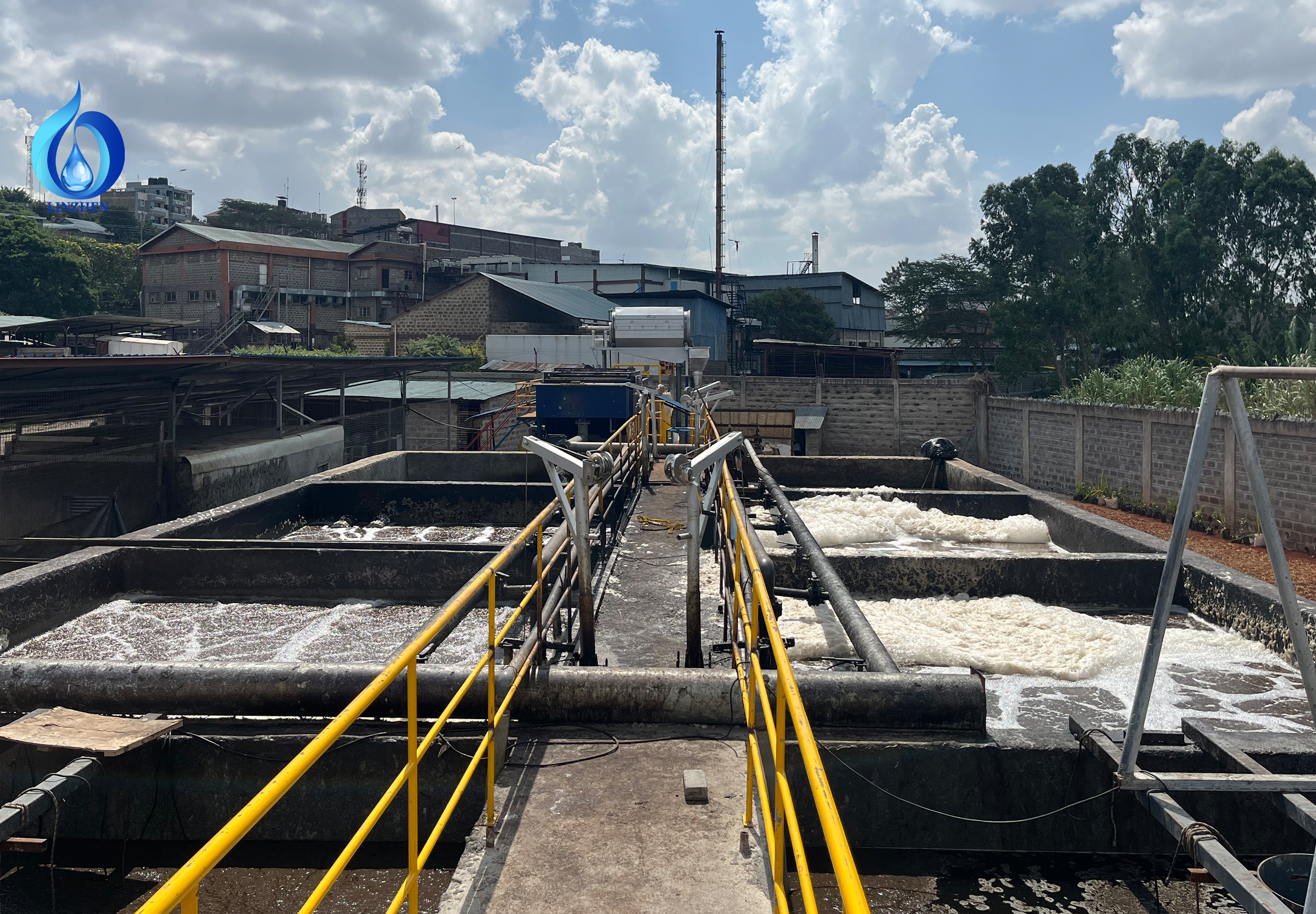
Synergistic DAF MBBR Integration for Slaughterhouse Wastewater Treatment
Coupling DAF and MBBR systems represents a proven baseline for slaughterhouse wastewater treatment, optimizing purification performance against expenditure. Industrial slaughterhouse wastewater treatment requires dual physical and biological steps to handle severe contamination.
The initial DAF phase traps suspended debris and lipids during preliminary slaughterhouse wastewater treatment, preventing organic overloading in downstream bioreactors.
The subsequent MBBR stage utilizes structured carriers to grow active biofilms, offering core advantages over traditional slaughterhouse wastewater treatment methods:
The complete slaughterhouse wastewater treatment flow path encompasses:
1. Coarse and fine mechanical screening for slaughterhouse wastewater treatment
2. Dissolved Air Flotation (DAF) oil and solids removal
3. MBBR biological oxidation for slaughterhouse wastewater treatment
4. Secondary clarification and settling
5. Final chemical disinfection for safe discharge
6. Mechanical sludge dewatering in slaughterhouse wastewater treatment systems
Rigorous Quality Control in Slaughterhouse Wastewater Treatment Manufacturing
Every slaughterhouse wastewater treatment unit undergoes testing within our production facilities before delivery. Prior to international dispatch, Linzhen technicians complete comprehensive checks covering weld integrity, structural stress, mechanical drives, and automated control panels for all slaughterhouse wastewater treatment hardware. High-quality fabrication prevents unexpected operational downtime in client facilities.
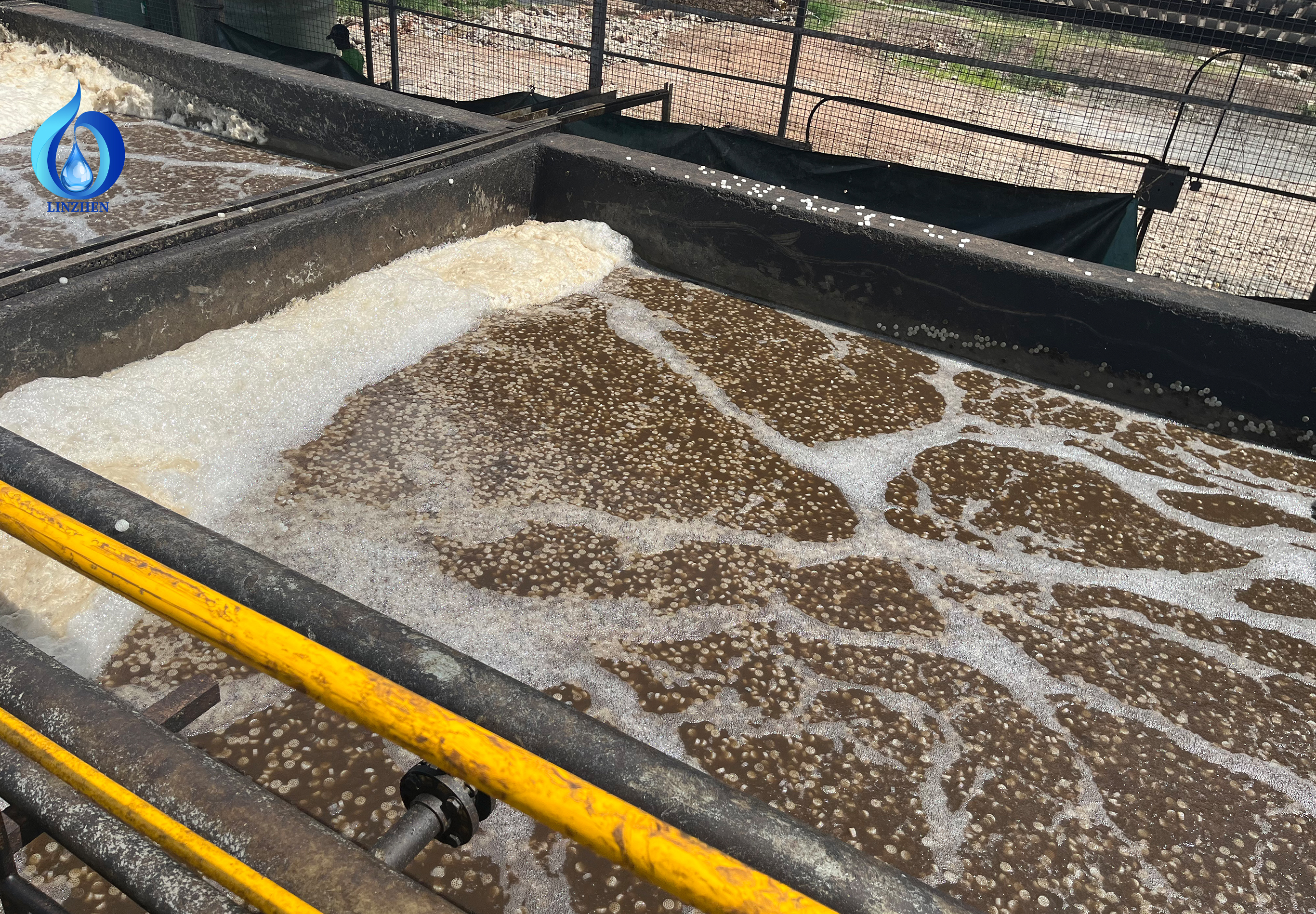
Driving Sustainable Slaughterhouse Wastewater Treatment in Africa
Enforcing strict environmental policies requires upgraded slaughterhouse wastewater treatment infrastructure across regional meat processors. Investing in automated slaughterhouse wastewater treatment allows facilities to achieve long-term sustainability goals while maintaining operational productivity.
Advanced slaughterhouse wastewater treatment helps meat processing plants:
- Meet national environmental discharge metrics consistently
- Protect local aquatic ecosystems from severe pollution
- Maximize slaughterhouse wastewater treatment plant operational uptime
- Enable internal water reuse initiatives within meat production
- Elevate corporate environmental credentials through slaughterhouse wastewater treatment
Deploying modern slaughterhouse wastewater treatment solutions ensures long-term process stability while curbing ongoing operating expenditure.
Linzhen: Advanced Slaughterhouse Wastewater Treatment Partner
Reliable slaughterhouse wastewater treatment safeguards both corporate operations and regional water resources. Linzhen supplies end-to-end engineering solutions suited to complex slaughterhouse wastewater treatment requirements across various scale operations.
Our technologies span DAF, MBBR, MBR, SBR, RO, UF, and automated PLC control architectures. Our engineering team works directly with clients to design cost-effective slaughterhouse wastewater treatment infrastructure meeting regional compliance needs. Modern slaughterhouse wastewater treatment systems must remain adaptable to shifting environmental mandates.
From packaged units to complete industrial installations, Linzhen manages design, manufacturing, quality control, and global logistics for slaughterhouse wastewater treatment systems. Our expertise in slaughterhouse wastewater treatment ensures client satisfaction across international markets.
Submit your project inquiry via our contact form today. Our engineering team will review your specifications and provide customized slaughterhouse wastewater treatment recommendations within 24 hours. Contact us for tailored slaughterhouse wastewater treatment designs today.
 EN
EN