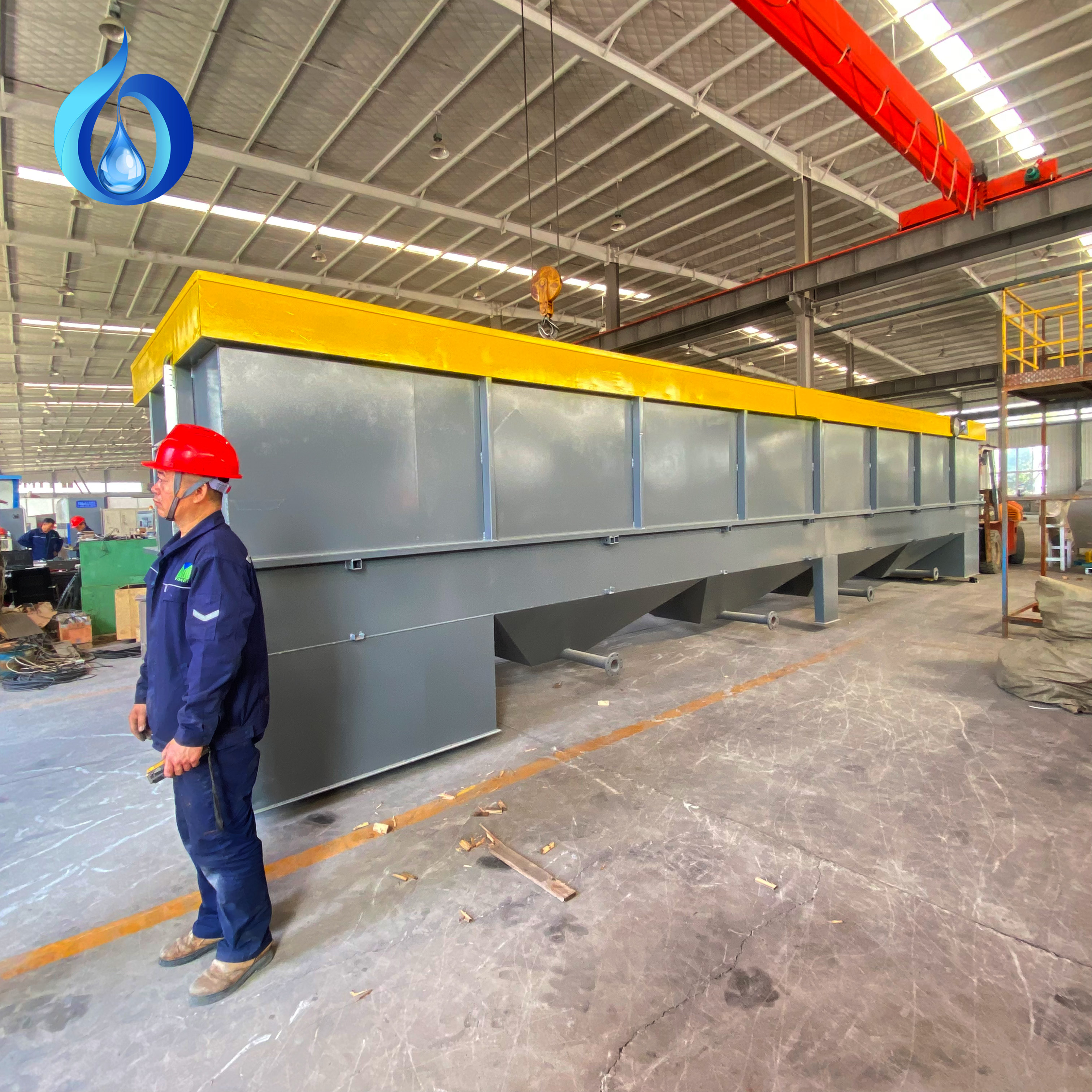
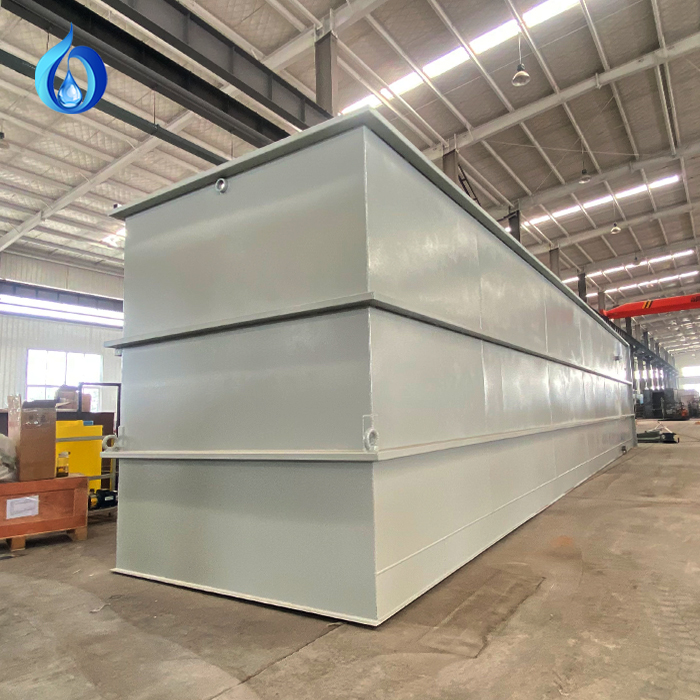
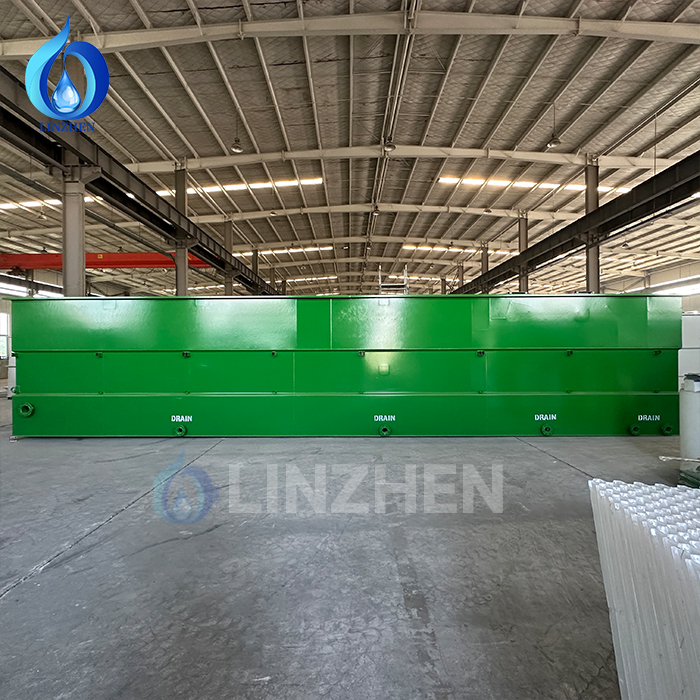
Maintaining strict adherence to environmental regulations has become a top priority for municipal authorities and industrial facilities operating modern water infrastructure. Every operational wastewater treatment plant must consistently achieve specified effluent quality thresholds mandated by regional environmental protection agencies. Operating a non-compliant wastewater treatment plant exposes organizations to severe legal liabilities, immediate administrative shutdowns, mandatory infrastructure retrofits, and catastrophic reputational damage. Evaluating whether an existing wastewater treatment plant satisfies updated discharge criteria is foundational for long-term operational sustainability and public health protection.
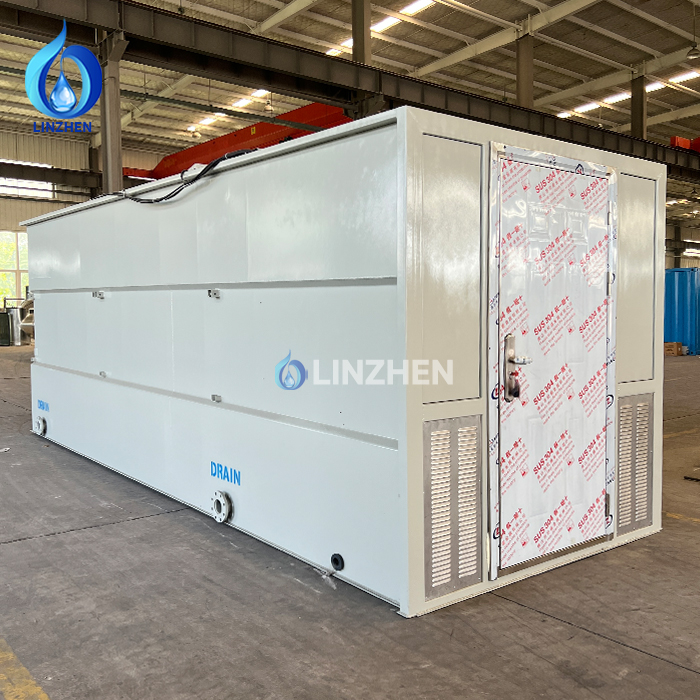
Discharge regulations continuously tighten as scientific understanding of water pollution advances and regulatory frameworks evolve. Today, a typical wastewater treatment plant faces stringent regulatory limits regarding total nitrogen, dissolved phosphorus, suspended solids, chemical oxygen demand, and emerging micropollutants. legacy wastewater treatment plant facilities designed decades ago struggle to meet modern nutrient discharge limits. Understanding how to perform a comprehensive performance audit on a wastewater treatment plant allows plant managers to identify process bottlenecks and implement corrective engineering measures before non-compliance fines occur.
Understanding Effluent Limits for a Modern Wastewater Treatment Plant
Regulatory Discharge Criteria and Water Quality Targets
Environmental regulators establish discharge permits that specify maximum allowable concentration limits for pollutants leaving a municipal or industrial wastewater treatment plant. These legal restrictions safeguard downstream aquatic ecosystems, municipal water intakes, and regional groundwater reserves. A standard wastewater treatment plant must satisfy multi-layered national, regional, and municipal discharge rules. Primary compliance indicators for a commercial wastewater treatment plant include biochemical oxygen demand, total suspended solids, organic nitrogen, soluble phosphorus, pH balance, and turbidity. Furthermore, modern permits require a wastewater treatment plant to control thermal pollution, heavy metals, and micro-plastics.
Addressing Emerging Contaminants and Seasonal Variations
Beyond conventional organic pollutants, modern regulatory frameworks demand that a advanced wastewater treatment plant remove pharmaceuticals, endocrine disruptors, synthetic surfactants, and pathogenetic microorganisms. Excess nutrient runoff triggers severe harmful algal blooms, making biological nutrient removal a mandatory function for any municipal wastewater treatment plant. Climate change and localized water scarcity compel every wastewater treatment plant operator to consider tertiary treatment options for industrial water reuse. Understanding these evolving regulatory trends allows engineers to determine if a legacy wastewater treatment plant requires mechanical upgrades to remain fully compliant.
Diagnostic Assessment of Wastewater Treatment Plant Performance
Automated Performance Monitoring and Sampling Programs
Verifying compliance requires establishing automated, continuous monitoring systems across every stage of a wastewater treatment plant. Real-time optical sensors, automated composite samplers, and certified laboratory analysis provide continuous operational visibility into wastewater treatment plant performance. Historical data analytics highlight operational trends, revealing whether a wastewater treatment plant maintains stable treatment kinetics or experiences declining efficiency over time. Equipment wear, excess sludge accumulation, and sudden industrial influent surges can impair a wastewater treatment plant without early warning. Installing automated alarm systems on a wastewater treatment plant enables rapid operational adjustments before permit limits are breached.
Third-Party Engineering Audits for a Wastewater Treatment Plant
Enlisting independent environmental engineering consultants to conduct a formal audit on a wastewater treatment plant provides objective verification of operational capabilities. A professional audit assesses hydraulic capacity, biological treatment kinetics, equipment mechanical health, and regulatory alignment across the entire wastewater treatment plant. External engineers evaluate if the existing wastewater treatment plant can absorb seasonal flow spikes, chemical shock loads, or extended power interruptions without experiencing process failure. Documenting independent audit results demonstrates proactive environmental stewardship to regulatory inspectors and local community stakeholders.
Corrective Engineering Strategies to Secure Compliance
Process Optimization and Preventive Maintenance Protocols
Optimizing existing unit operations frequently enables a legacy wastewater treatment plant to satisfy updated discharge limits without requiring complete reconstruction. Refining dissolved oxygen control, improving secondary clarifier solids separation, and optimizing chemical coagulant dosing can drastically increase pollutant removal rates within a wastewater treatment plant. Comprehensive preventive maintenance prevents unexpected blower or pump failures that compromise a wastewater treatment plant during critical peak flow periods. Rigorous operator training programs ensure that staff members manage a wastewater treatment plant efficiently and respond correctly to sudden influent quality changes.
Integrating Advanced Wastewater Treatment Technologies
When biological processes reach maximum capacity, integrating advanced filtration systems equips a wastewater treatment plant with enhanced polishing capabilities. Membrane bioreactors, ceramic microfiltration, ultraviolet disinfection arrays, and granular activated carbon adsorbers can be successfully retrofitted into an active wastewater treatment plant. Incorporating moving bed biofilm reactors or sequencing batch reactors provides operational flexibility when a wastewater treatment plant must achieve deep total nitrogen and phosphorus removal. Choosing appropriate retrofits for a wastewater treatment plant depends on space availability, influent characteristics, and available capital expenditure budgets.
FAQ
What specific water quality tests determine if a wastewater treatment plant is compliant?
A municipal or industrial wastewater treatment plant undergoes routine testing for biochemical oxygen demand, chemical oxygen demand, total suspended solids, total nitrogen, orthophosphate, pH levels, fecal coliforms, and aquatic toxicity. Certified laboratories process these samples following strict regulatory testing protocols to ensure data integrity for monthly wastewater treatment plant compliance reporting.
How frequently should operators evaluate a wastewater treatment plant for compliance risks?
A commercial wastewater treatment plant requires continuous real-time sensor tracking alongside daily laboratory sample reviews. Comprehensive quarterly performance reviews allow operators to detect subtle treatment degradation within a wastewater treatment plant, while formal third-party engineering audits should be conducted annually to review long-term operational risks.
What legal penalties apply if a wastewater treatment plant breaches environmental permit limits?
A non-compliant wastewater treatment plant faces steep daily administrative fines, mandatory judicial consent decrees, forced operational curtailment, and public enforcement notices. Severe or repeated discharge violations from a wastewater treatment plant can result in criminal prosecution for responsible corporate officers or municipal directors.
 EN
EN