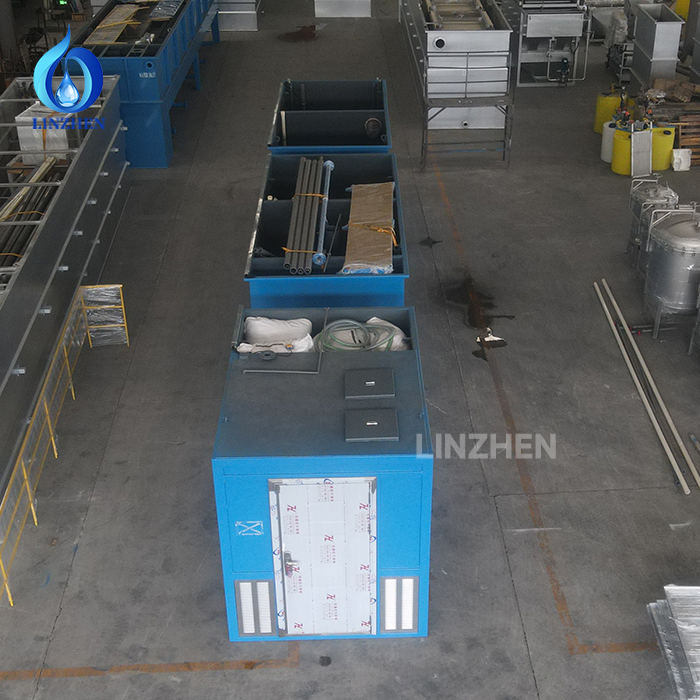
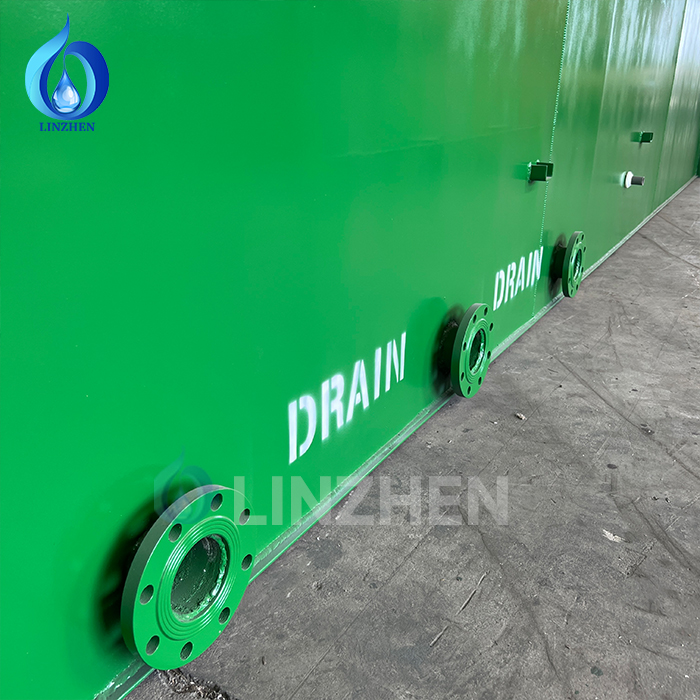
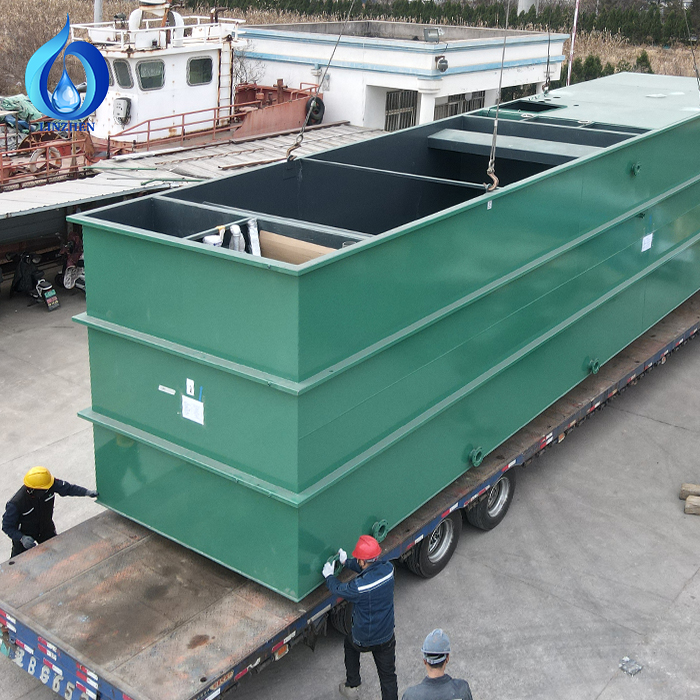
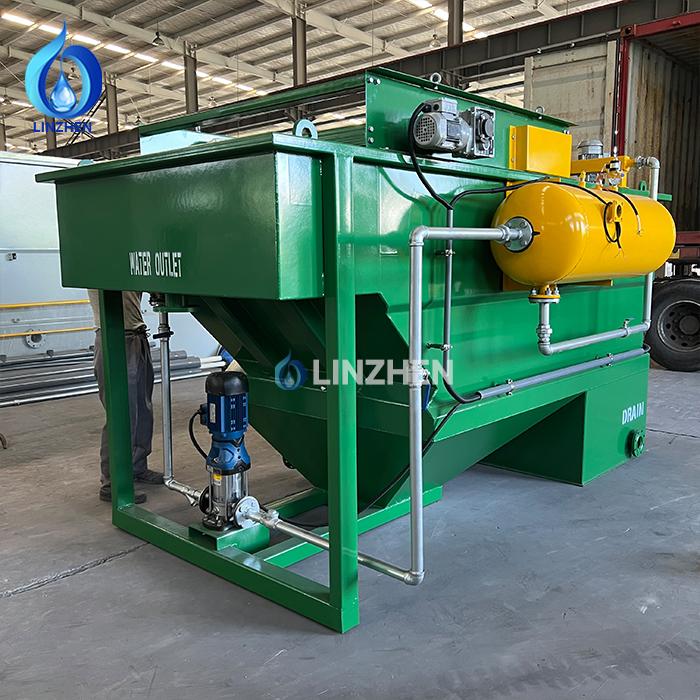
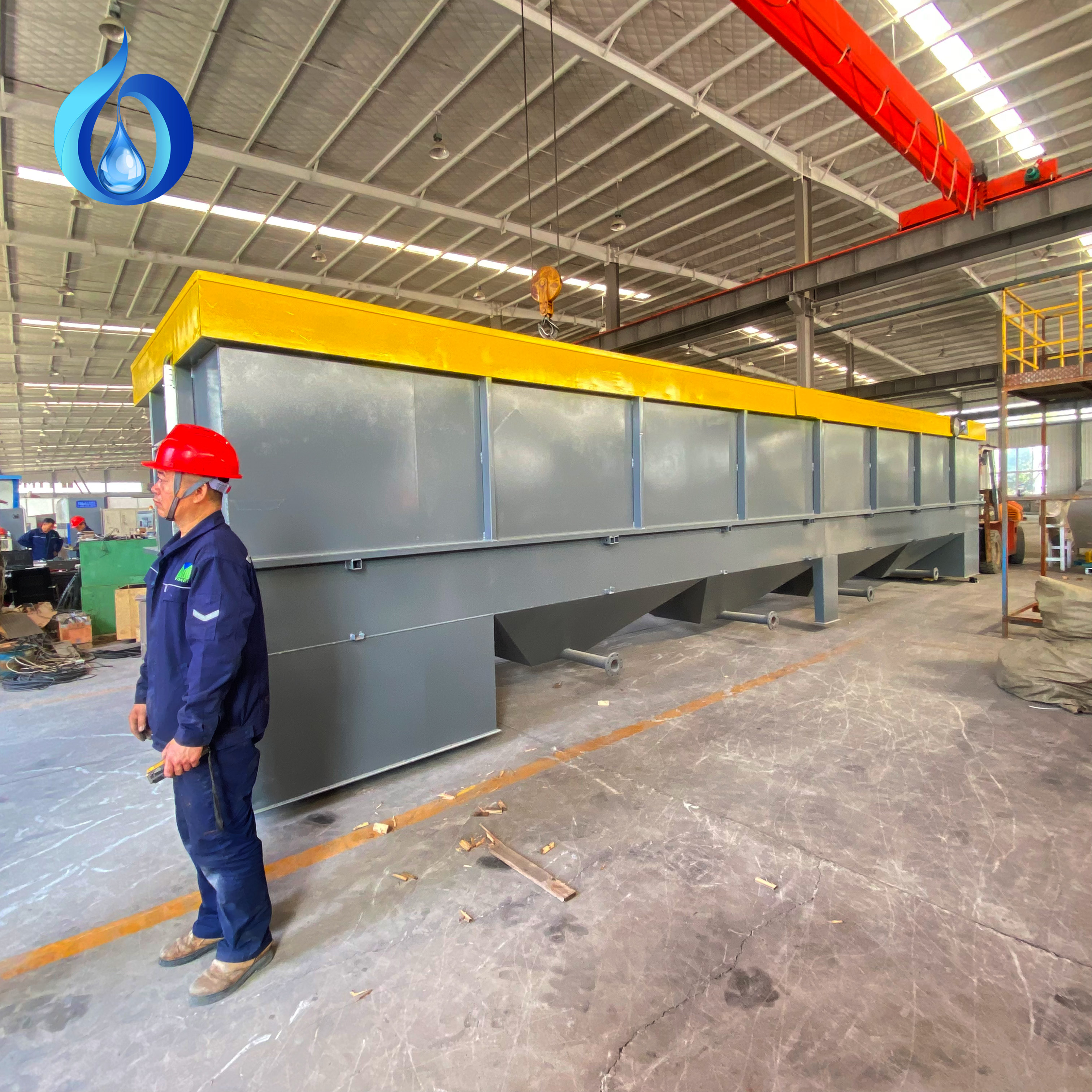
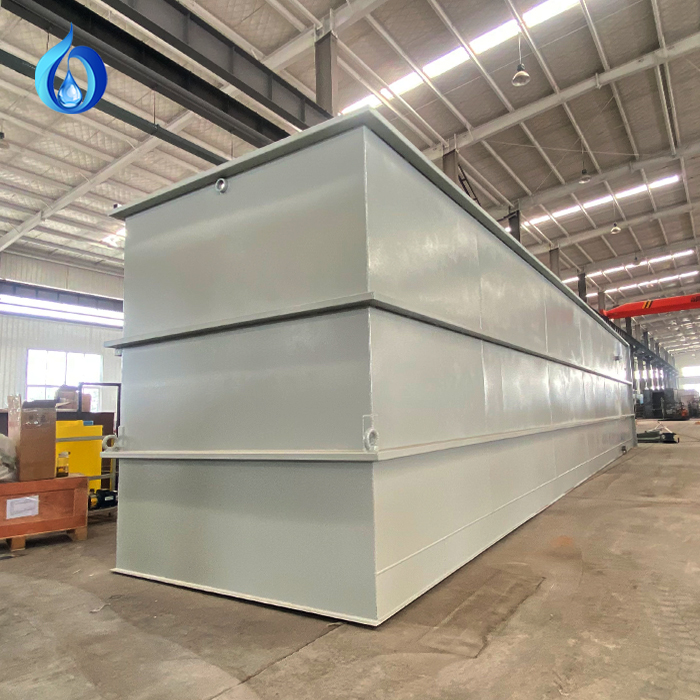
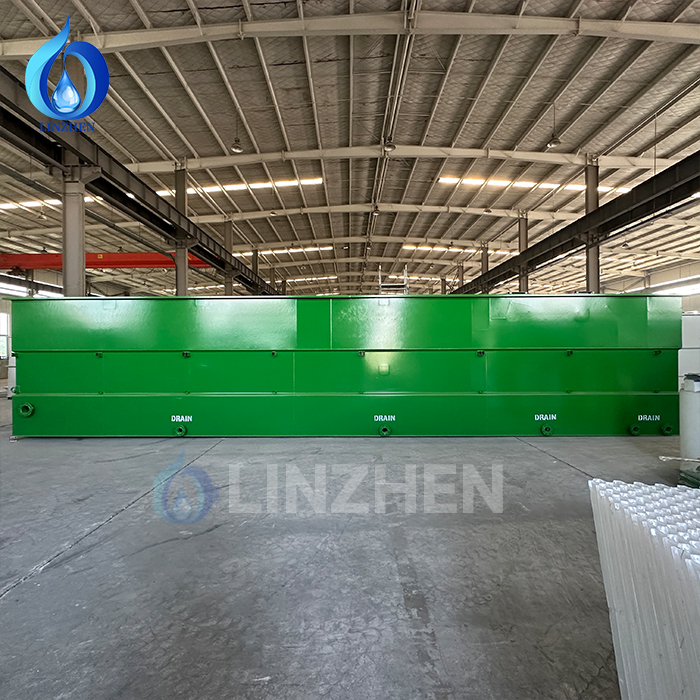
Managing an industrial or municipal facility involves critical operational choices, and determining the appropriate staffing level for a wastewater treatment system is a primary compliance concern. Site supervisors often evaluate whether a modern wastewater treatment system requires continuous human presence or if advanced controls can support unattended operation. The ideal management model depends on local environmental mandates, hydraulic design complexity, and automated control features. Balancing human expertise with automated controls within a wastewater treatment system enables managers to optimize labor expenses while avoiding permit violations and environmental liabilities.
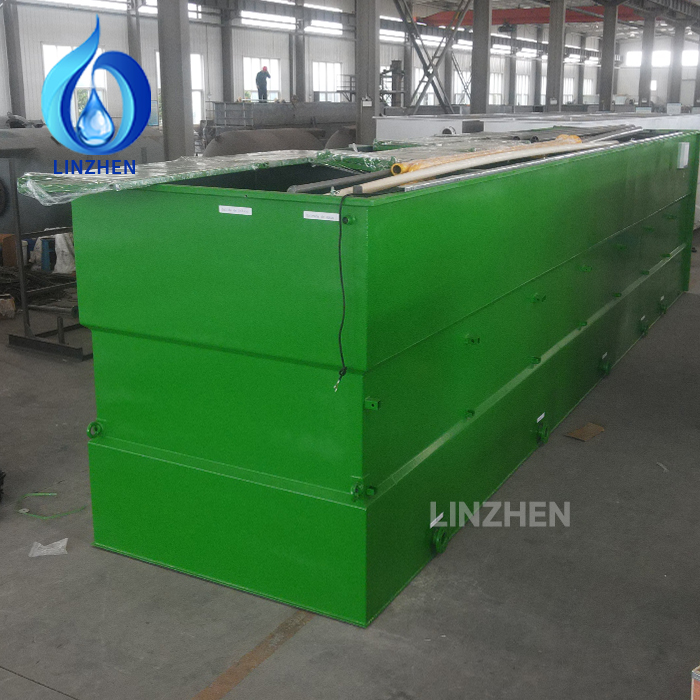
Technological advancements have transformed how operators oversee every commercial wastewater treatment system. Modern sensing equipment and remote telemetry allow technicians to monitor active operations without standing beside the physical tanks continuously. However, regulatory authorities still enforce strict oversight rules that require human accountability for overall plant health. Facility directors choosing between full-time labor, hybrid coverage, or an automated wastewater treatment system must carefully weigh regulatory compliance, facility scale, and potential risk exposure.
Regulatory Frameworks and Labor Mandates
Legal Compliance for a Wastewater Treatment System
Environmental protection agencies enforce legal rules detailing how a commercial wastewater treatment system must be supervised. Regulatory frameworks mandate that a licensed professional oversee every wastewater treatment system to prevent accidental discharges of untreated waste. Major municipal installations typically require an on-site technician during core daytime operations. Failing to maintain required personnel for a wastewater treatment system can result in severe financial fines, permit revocations, and potential criminal liabilities for facility directors.
The official plant classification dictates the required oversight level for any wastewater treatment system. High-capacity facilities treating industrial wastewater demand continuous certified oversight. Conversely, smaller packaged units operating a simple wastewater treatment system may qualify for periodic site visits paired with automated telemetry. Furthermore, environmental permits require a wastewater treatment system to maintain physical operational logs, necessitating routine manual inspection and certified record-keeping.
Role of a Certified Operator in System Management
Employing a certified professional ensures that a wastewater treatment system operates within legal discharge limits. These licensed specialists possess the expertise to collect samples, recalibrate chemistry, troubleshoot mechanical failures, and manage sudden process upsets. Automation alone cannot replace a skilled operator assigned to a wastewater treatment system. Even when sensors provide real-time data, a qualified professional must interpret that information to adjust biological conditions, manage sludge handling, and prevent catastrophic equipment failure across the entire wastewater treatment system.
Automation Capabilities and Technical Boundaries
How Automation Streamlines Wastewater Treatment System Labor
Integrating smart hardware into a modern wastewater treatment system significantly reduces required manual labor hours. Digital flow controllers, automated blower drives, and online water quality sensors manage routine biological treatment without physical intervention. Supervisory control systems send instant alerts to off-site technicians if an automated wastewater treatment system encounters an out-of-spec condition. These innovations allow a wastewater treatment system to run safely overnight or during weekends with minimal physical supervision, lowering overall facility operating costs.
Although automation reduces labor budgets, a wastewater treatment system cannot run indefinitely without human care. Electronic instruments experience drift and require frequent calibration to maintain accuracy. Mechanical components like aeration blowers, dosing pumps, and valves within a wastewater treatment system eventually suffer wear and tear. Qualified technicians must conduct preventive maintenance to protect the capital investment made in a wastewater treatment system and prevent unexpected mechanical failure.
Risks of Running an Unattended Wastewater Treatment System
Leaving an automated wastewater treatment system completely unmonitored presents operational hazards. Sensor fouling can cause control computers to miscalculate chemical dosing, leading to poor effluent quality. Sudden hydraulic surges or toxic chemical inflows can overwhelm a wastewater treatment system, causing biological upset before off-site staff can react. Human diagnostic judgment remains critical for stabilizing an active wastewater treatment system during acute operational crises.
Selecting the Ideal Operating Model for Your Facility
Full-Time On-Site Coverage
High-volume industrial operations typically select full-time staffing for their wastewater treatment system. Having dedicated operators present on every shift guarantees immediate response to mechanical alarms and process drift. Full-time personnel perform continuous water analysis, maintain mechanical components, and keep a wastewater treatment system running at peak energy efficiency. This model offers maximum process stability for any high-risk wastewater treatment system.
Hybrid Staffing with Remote Telemetry
Medium-sized facilities frequently operate a wastewater treatment system using a hybrid staffing strategy. Qualified staff manage the plant during peak operational hours, while automated SCADA software monitors the wastewater treatment system during off-hours. On-call technicians respond immediately if the automated wastewater treatment system triggers an emergency alarm. This balanced approach lowers labor costs while preserving regulatory compliance and operational safety.
Periodic Visits for Compact Systems
Compact packaged plants can often run a wastewater treatment system with scheduled operator visits. Under this setup, automated instruments control normal daily operations, while a certified contractor inspects the physical wastewater treatment system weekly or semi-weekly. This method suits stable waste streams, provided regional environmental regulators approve the reduced inspection schedule for the wastewater treatment system.
FAQ
Can a commercial wastewater treatment system operate completely unattended?
While a modern wastewater treatment system can run automatically for short periods, environmental regulations prohibit leaving a system unmonitored indefinitely. Regular site visits, instrument checks, and certified operator oversight remain mandatory for every active wastewater treatment system.
What happens when an unattended wastewater treatment system fails?
Equipment failure in an unmonitored wastewater treatment system can cause untreated waste to enter local waterways. This leads to severe environmental contamination, substantial regulatory fines, mandatory shutdown orders, and potential legal action against the facility operating the wastewater treatment system.
How do I determine the legal minimum staffing for my wastewater treatment system?
Minimum staffing levels depend on your plant capacity rating, waste stream toxicity, and local discharge permits. Consult regional environmental regulators and review your operating permit to establish legal staffing requirements for your specific wastewater treatment system.
 EN
EN