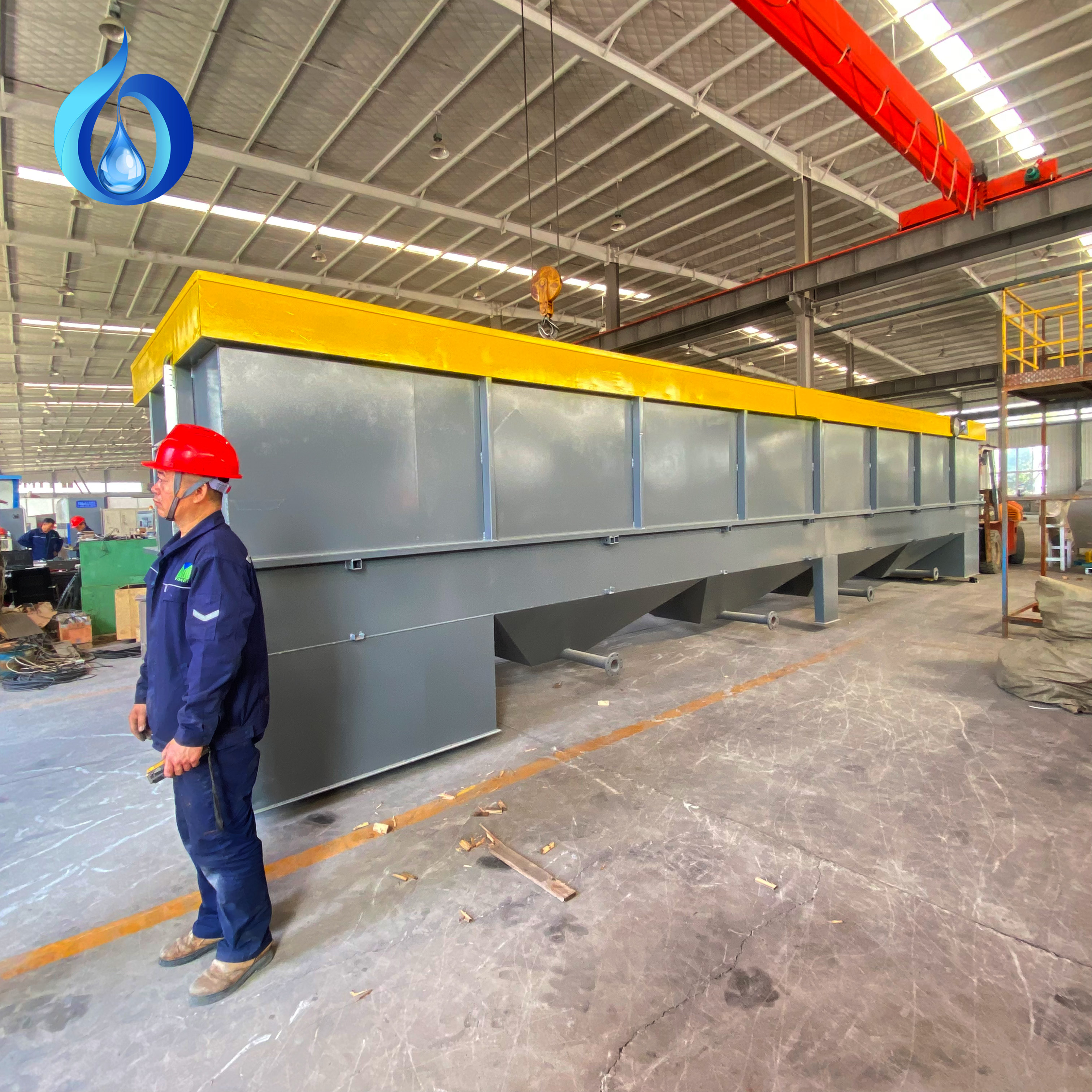
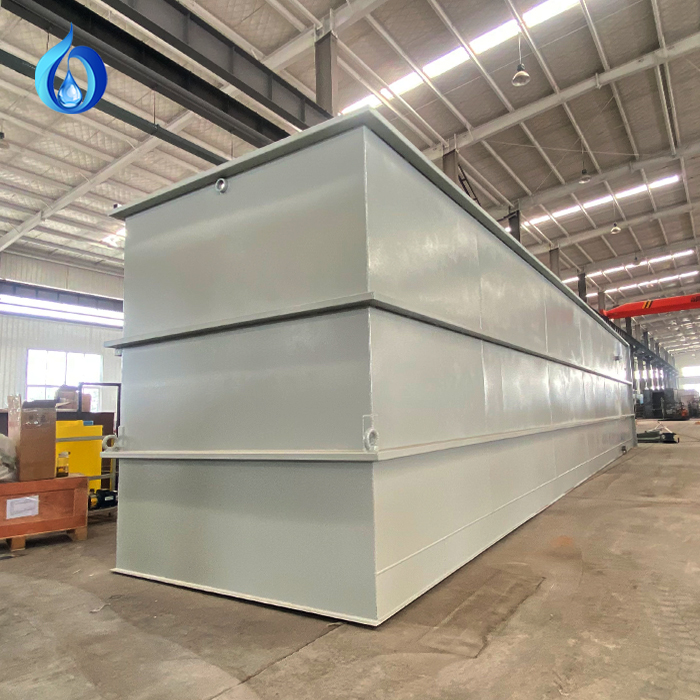
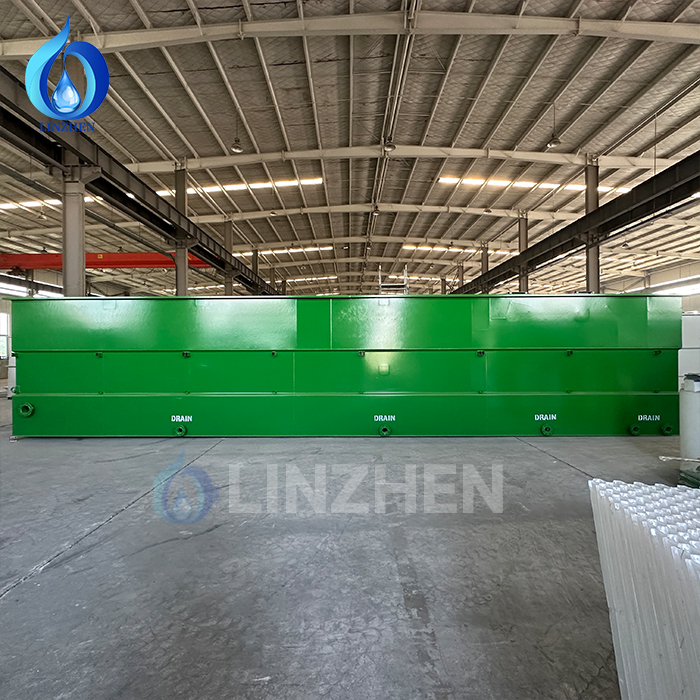
Constructing a waste water treatment plant as a single massive project isn't always practical or cost-effective. Modern industrial parks and growing urban developments often face uncertain occupancy schedules, making huge upfront capital commitments risky. Implementing a phased waste water treatment plant allows developers to align infrastructure capacity directly with actual user demand. By scaling a waste water treatment plant in controlled stages, operators lower initial capital risks, protect cash flow, and maintain uninterrupted environmental compliance as their site develops.
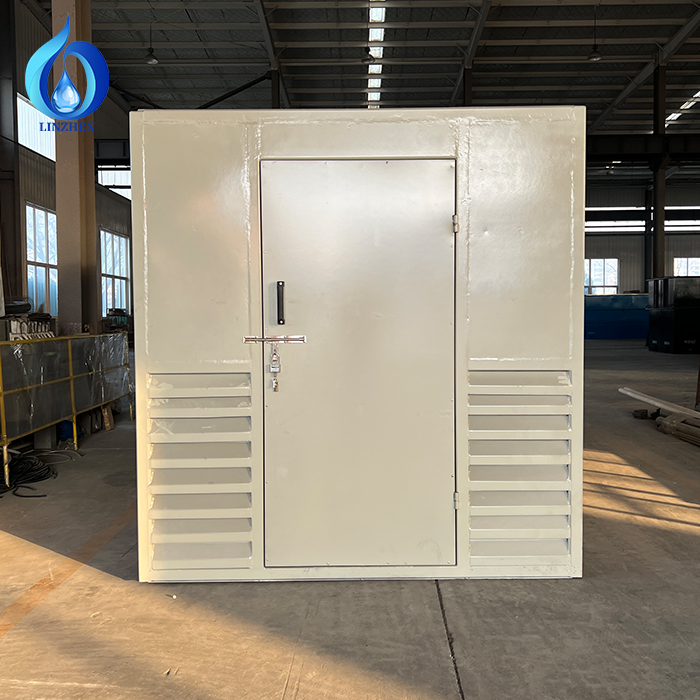
Designing an expandable waste water treatment plant demands long-term engineering vision, strategic technology selection, and strict regulatory adherence from day one. Facilities must scale smoothly without triggering operational downtime, causing bottlenecking, or requiring expensive structural overhauls later. A well-engineered waste water treatment plant constructed in modular steps delivers high operational flexibility, optimized expenditure, and reliable long-term performance.
Master Planning a Phased Waste Water Treatment Plant
Capacity Forecasting and Load Phase Modeling
Every successful phased waste water treatment plant relies on rigorous initial load forecasting. Engineers analyze projected hydraulic volumes and biological organic loads expected during each expansion milestone. A comprehensive master plan for a waste water treatment plant outlines effluent discharge targets for initial, intermediate, and full-scale operational stages. This proactive modeling prevents the waste water treatment plant from suffering under-capacity strain early on, which could otherwise lead to discharge violations or emergency retrofits.
Selecting Modular Waste Water Treatment Plant Technologies
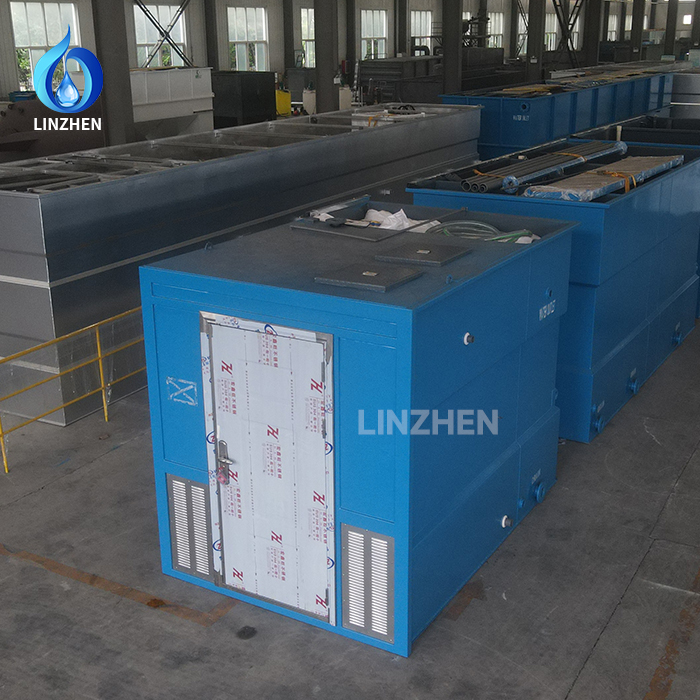
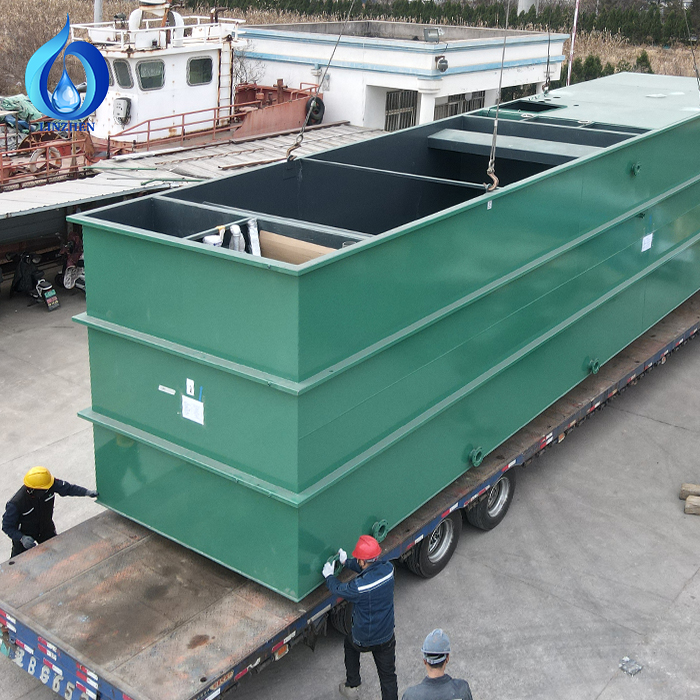
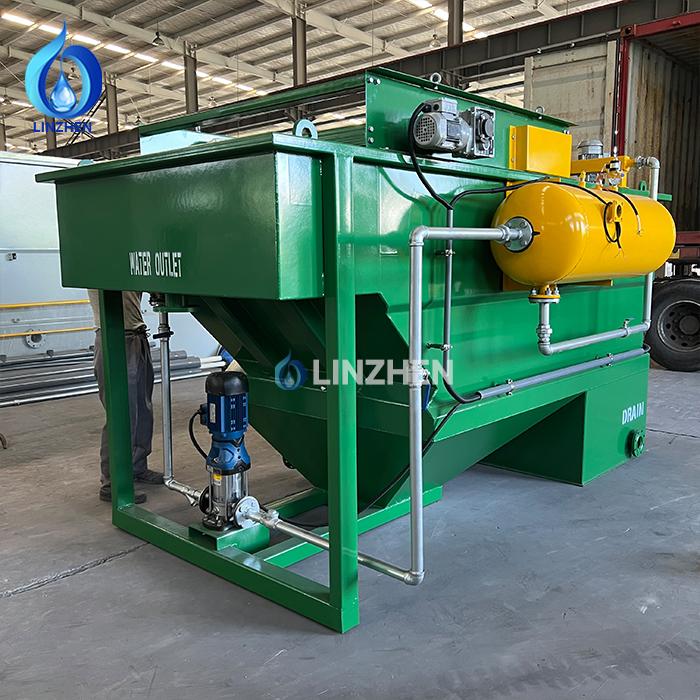
Technology selection determines how easily a waste water treatment plant scales over time. Solutions like membrane bioreactors, sequential batch reactors, and moving bed biofilm reactors offer far superior modularity compared to rigid traditional activated sludge setups. Building a waste water treatment plant with independent parallel trains allows operators to commission new treatment modules as incoming flow increases. Consequently, the waste water treatment plant continues running smoothly without service interruptions during expansion phases.
Financial Optimization and Compliance Benefits
Capital Expenditure Management and Cash Flow Efficiency
The financial advantage of a phased waste water treatment plant lies in strategic capital allocation. Rather than funding maximum end-stage capacity upfront, facility owners spend capital in direct alignment with revenue growth from incoming tenants. This staged approach reduces early debt service, improves return on investment, and lets revenue generated by early operations assist in financing later waste water treatment plant expansions. It minimizes the risk of owning an underutilized, over-built waste water treatment plant.
Maintaining Compliance Across Every Expansion Stage
Environmental regulators require that every active stage of a waste water treatment plant consistently satisfies local discharge standards. A modular waste water treatment plant integrates essential treatment depth, monitoring tools, and redundancy rights from phase one. As the waste water treatment plant expands with additional treatment units, each module undergoes individual environmental permitting and review, verifying continuous regulatory compliance throughout the facility's lifecycle.
Operational Execution and Flow Integration
Synchronizing Tenant Hookups with Plant Capacity
Smooth operation of a phased waste water treatment plant relies on aligning new tenant connections with active capacity expansion. Operators establish clear volumetric triggers indicating when the next waste water treatment plant module must be installed and brought online. Integrating flow equalization basins, interim storage tanks, and staged interceptors ensures that the waste water treatment plant never receives more influent than it can safely process.
Adaptive Management and Operational Monitoring
Managing a modular waste water treatment plant requires comprehensive performance tracking across all active modules. Real-time monitoring provides clear metrics on flow rates, pollutant loading, and equipment utilization, enabling operators to schedule the next construction phase with precision. By gathering real-world performance data, engineers can refine future waste water treatment plant expansions for maximum efficiency.
Engineering Infrastructure for Future Plant Expansion
Pre-Engineered Corridors and Foundation Work
To expand a waste water treatment plant efficiently, foundational utilities must be put in place during initial site construction. Pre-installing main headers, electrical corridors, control line conduits, and oversized discharge pipelines allows new waste water treatment plant modules to connect seamlessly. This prevents major ground excavation or structural disruption during subsequent expansion stages.
Standardizing Equipment Across All Modules
Standardizing mechanical and electrical components across every waste water treatment plant module simplifies maintenance, spare parts inventory, and operator training. When a waste water treatment plant uses uniform pumps, blowers, sensors, and control interfaces, facility staff can manage multiple expansion stages with greater ease, reducing overall operational overhead.
FAQ
What hydraulic capacity does each stage of a phased waste water treatment plant cover?
Capacity per phase is determined by project-specific flow forecasts. Typically, Phase 1 of a waste water treatment plant covers 30% to 50% of ultimate capacity, Phase 2 scales up to 75%, and Phase 3 achieves full capacity. Maintaining safe hydraulic thresholds protects the waste water treatment plant from overload conditions that compromise effluent quality.
How long does constructing a waste water treatment plant phase usually take?
Constructing an expansion stage for a waste water treatment plant generally takes between 12 and 24 months, depending on permitting, site conditions, and equipment delivery. Using pre-fabricated modular treatment units can significantly shorten installation time for the waste water treatment plant.
Can an expandable waste water treatment plant be unified into one continuous system?
Yes, once all planned phases are built, a waste water treatment plant integrates into a unified operational system via centralized control architectures and shared manifold piping. This allows the waste water treatment plant to function as a single, cohesive facility while retaining the flexibility to isolate individual trains for maintenance.
 EN
EN