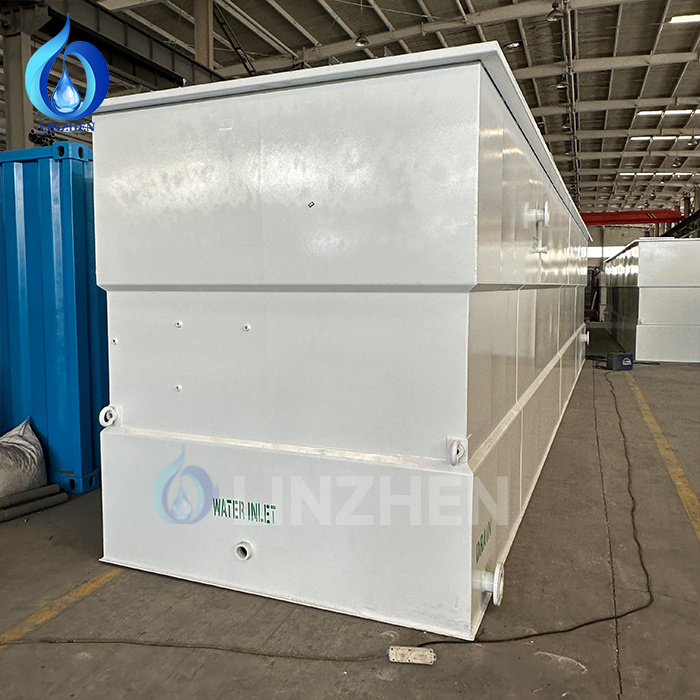
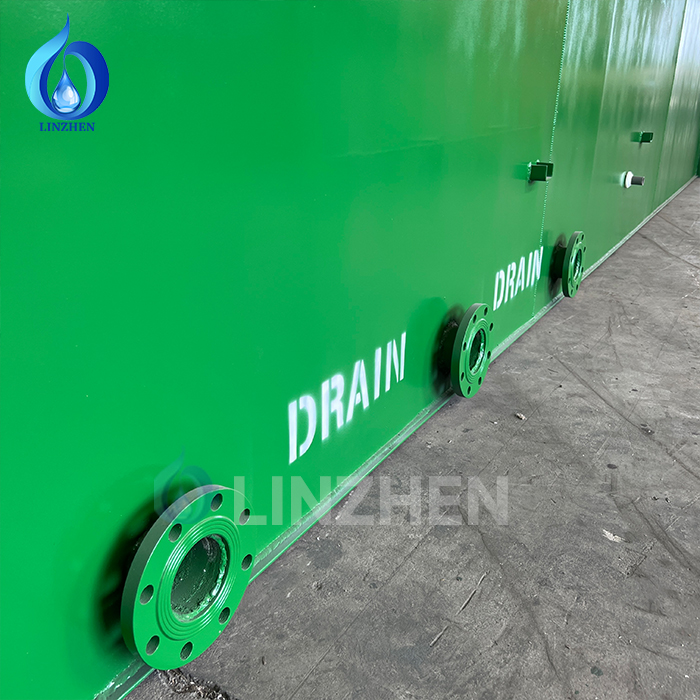
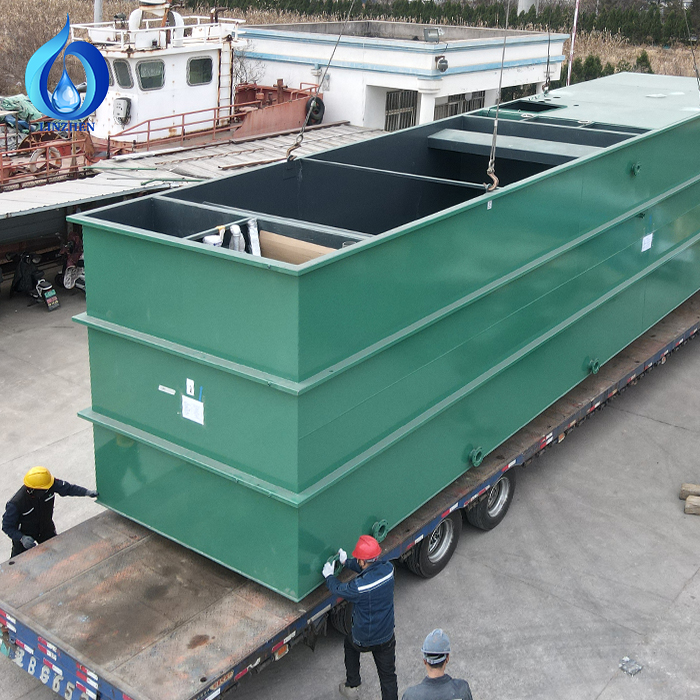
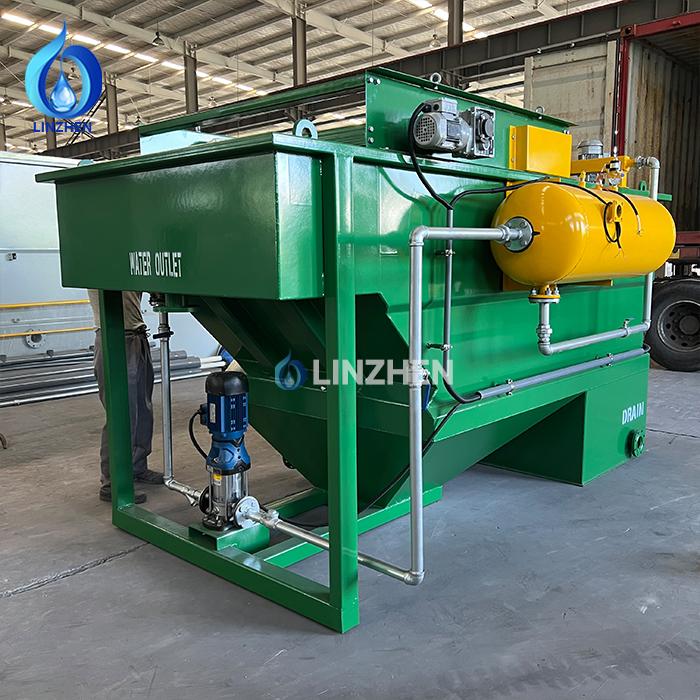
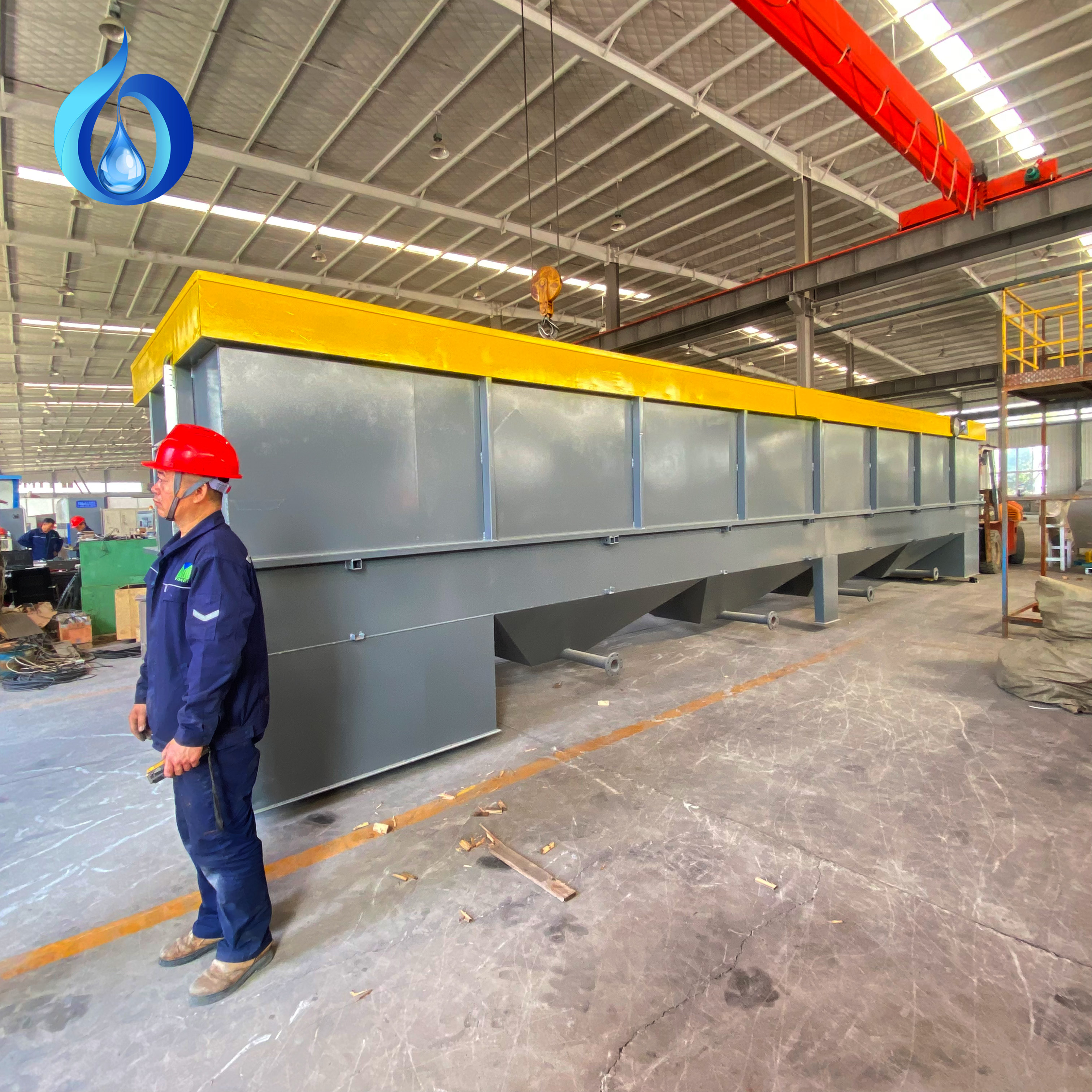
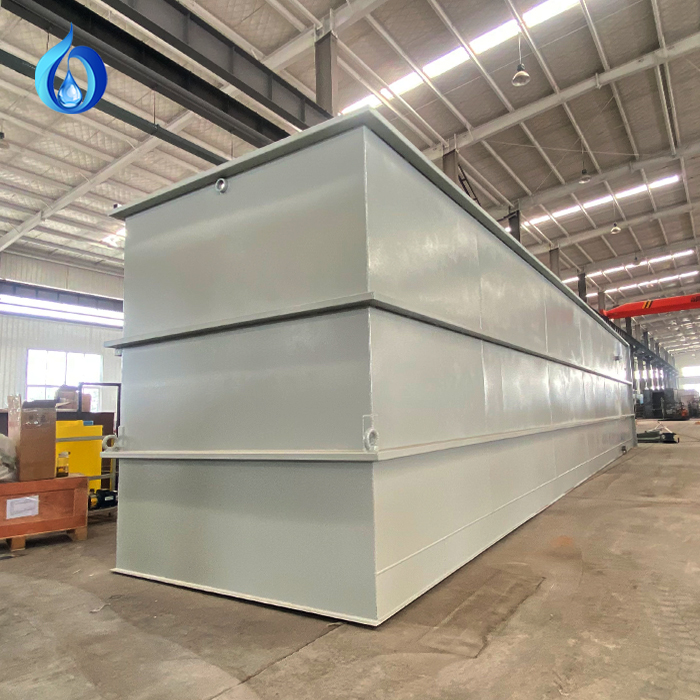
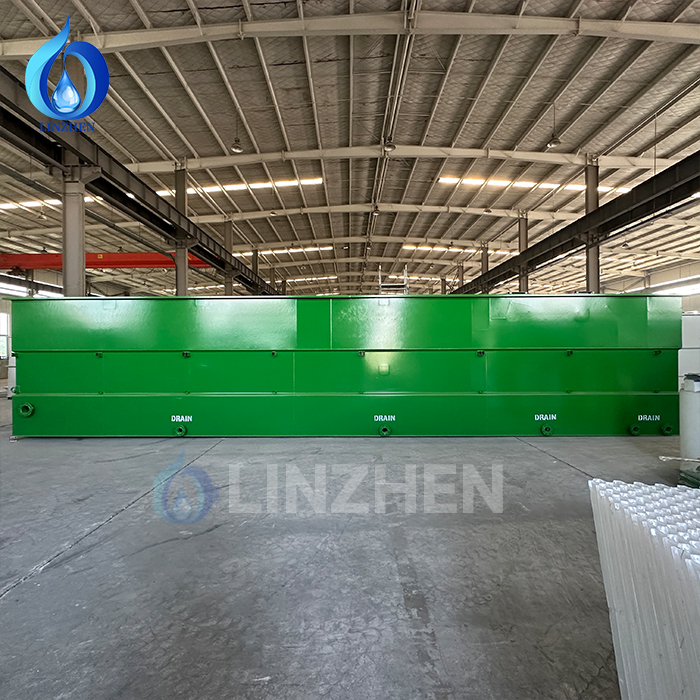
A modern facility designed as a sewage treatment plant continuously processes vast volumes of wastewater, consuming significant energy in pumping, aeration, and treatment operations. Within this sewage treatment plant, anaerobic digesters break down organic sludge into nutrient-rich biosolids while generating valuable biogas—a mixture primarily composed of methane and carbon dioxide. This renewable gas represents a major energy resource that can be captured, refined, and utilized directly to power the sewage treatment plant itself, creating a self-sustaining circular energy model driven by advanced sewage treatment plant biogas recovery.
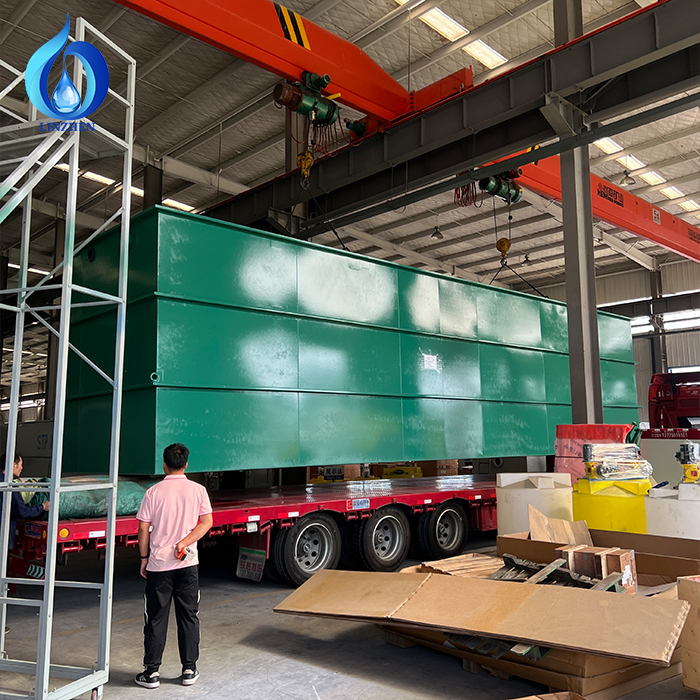
Yes, a modern sewage treatment plant can indeed run substantially on renewable energy derived from its own sludge digesters. Many facilities worldwide have implemented complex sewage treatment plant biogas recovery systems that capture methane-rich gas produced during anaerobic digestion energy conversion. This approach not only reduces operational costs through wastewater energy recovery but also transforms the sewage treatment plant into a near-energy-independent facility, while simultaneously lowering greenhouse gas emissions and achieving biogas self-sufficiency.
How Biogas Generation Works in a Sewage Treatment Plant
Anaerobic Digestion and Methane Production
The operating sewage treatment plant receives influent containing both soluble and suspended organic matter. After primary and secondary treatment processes remove most contaminants, the remaining concentrated biosolids are directed into anaerobic digesters where specialized microorganisms break down organic compounds in an oxygen-free environment. This anaerobic digestion energy process generates biogas—typically containing 50–70% methane, 30–40% carbon dioxide, and trace amounts of hydrogen sulfide. A well-designed sewage treatment plant digester system can produce 0.5 to 1 cubic meter of biogas per kilogram of volatile solids processed, providing a reliable fuel source directly on-site to power daily operations through efficient sewage treatment plant biogas generation.
Biogas Capture and Conditioning Systems
Once generated inside the digester, biogas is collected through piping and directed to a gas holder or storage tank where pressure and volume are regulated. Before the sewage treatment plant can use this gas for electrical generation, it must be conditioned to remove moisture, hydrogen sulfide, and particulates. Biogas desulfurization removes corrosive hydrogen sulfide, while moisture condensation prevents water damage to downstream turbines or engines. A properly equipped sewage treatment plant uses these conditioning systems to produce clean, combustible fuel suitable for high-efficiency biogas CHP wastewater applications.
Energy Generation and Operational Integration
Electricity and Heat Production via Biogas CHP Wastewater Systems
A forward-thinking sewage treatment plant converts conditioned biogas into electricity and thermal energy using advanced technologies. Combined heat and power systems represent the optimal biogas CHP wastewater approach, where biogas fuels internal combustion engines or microturbines that simultaneously produce electricity and capture waste heat. This dual-output approach maximizes overall wastewater energy recovery, with generated electricity powering pumps, blowers, and controls throughout the sewage treatment plant, while recovered heat warms digesters to maintain optimal biological activity. Optimized sewage treatment plant biogas systems can meet 50–90% of the facility's total electrical and thermal energy needs.
Energy Balance and Self-Sufficiency
Achieving true biogas self-sufficiency requires a careful balance between daily gas production capacity and facility demand. The energy consumption of a sewage treatment plant depends on influent flow variations, seasonal temperature swings, and aeration requirements. Summer months typically see higher aeration demand, while winter months increase heating needs for digesters. A well-managed sewage treatment plant utilizing comprehensive wastewater energy recovery strategies can reach near-zero net energy status, especially when integrated with strong sewage treatment plant biogas storage buffers.
Challenges, Operational Considerations, and Long-Term Benefits
Technical and Operational Challenges
Operating a biogas-powered sewage treatment plant introduces operational complexities that require skilled management and regular maintenance. Sewage treatment plant biogas variability depends on wastewater characteristics, digester temperature stability, and feedstock quality. A modern sewage treatment plant must maintain reliable gas conditioning infrastructure, manage corrosion risks, and handle residual digester gas safely. Engine maintenance becomes critical because biogas combustion produces higher wear rates compared to natural gas, requiring routine component inspections to protect biogas CHP wastewater assets.
Capital Investment and Economic Viability
Upgrading a sewage treatment plant with advanced biogas infrastructure requires significant capital expenditure, including digester improvements, gas conditioning equipment, and generators. However, many facility operators find the investment justified through reduced energy bills, lower methane emissions, and optimized wastewater energy recovery. A modern sewage treatment plant typically achieves full financial payback within 5–10 years, especially in regions with high electricity costs and strong renewable incentives supporting long-term biogas self-sufficiency.
Environmental and Strategic Benefits
Beyond energy savings, a biogas-powered sewage treatment plant delivers substantial environmental advantages. By capturing and utilizing methane, the facility prevents potent greenhouse gases from entering the atmosphere. Maximizing sewage treatment plant biogas usage makes the facility more resilient to energy price volatility and positions it as a model for sustainable municipal management, demonstrating the true value of anaerobic digestion energy and modern wastewater energy recovery.
FAQ
What percentage of a sewage treatment plant's energy can biogas realistically provide?
A well-optimized sewage treatment plant can derive 50–80% of its energy needs from sewage treatment plant biogas under normal operating conditions, with some facilities achieving 90% or higher through advanced wastewater energy recovery and efficient biogas CHP wastewater configurations.
How long does biogas production take in a sewage treatment plant digester?
In a typical sewage treatment plant, the anaerobic digestion energy process takes 15–30 days, depending on temperature and sludge retention times, ensuring a steady supply of fuel for sewage treatment plant biogas generation.
What happens to excess biogas that a sewage treatment plant cannot use?
Excess sewage treatment plant biogas is safely managed through specialized flare systems or utilized in surplus biogas CHP wastewater engines to maintain optimal pressure control across the sewage treatment plant network.
 EN
EN