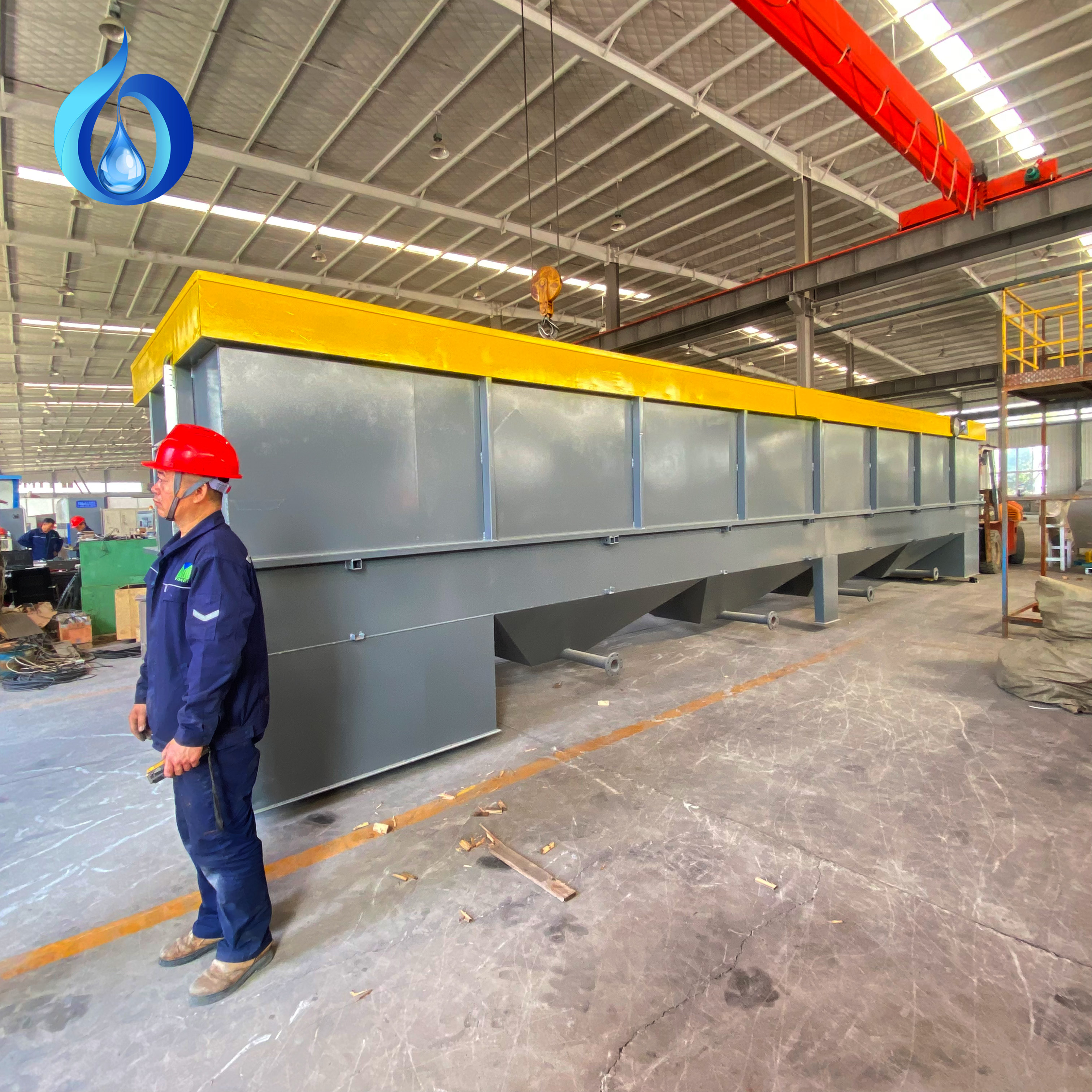
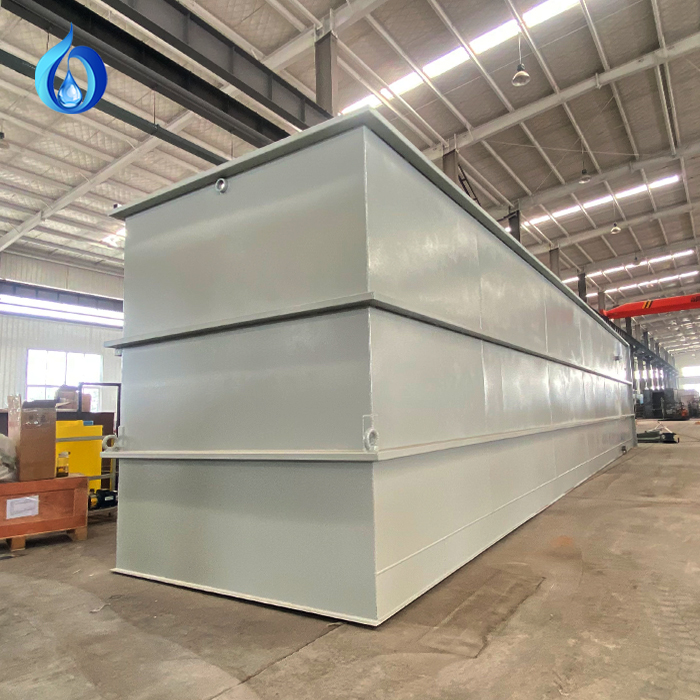
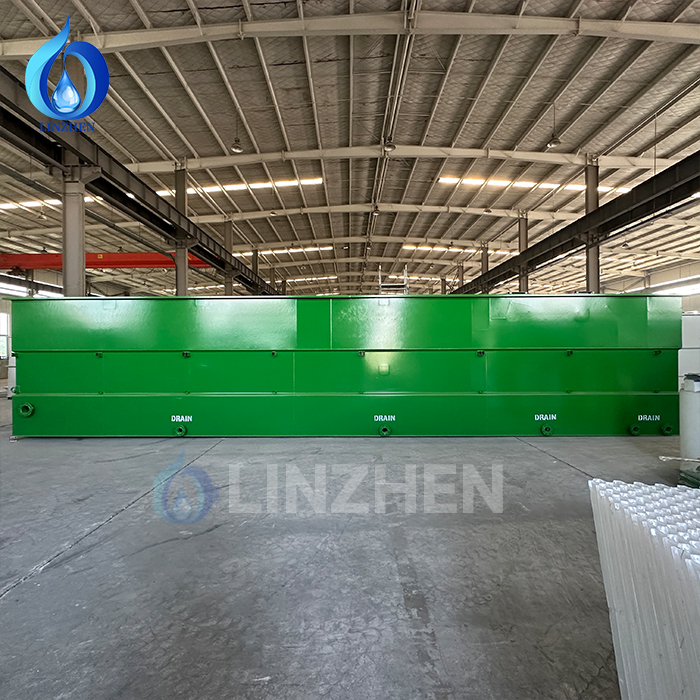
Electrocoagulation has emerged as a promising alternative technology for addressing contamination in industrial wastewater treatment. As environmental regulations tighten and operational costs rise, facility managers increasingly question whether electrocoagulation can fully replace traditional chemical dosing systems in industrial wastewater treatment. The answer is nuanced and depends on specific process requirements, contamination profiles, and economic constraints.
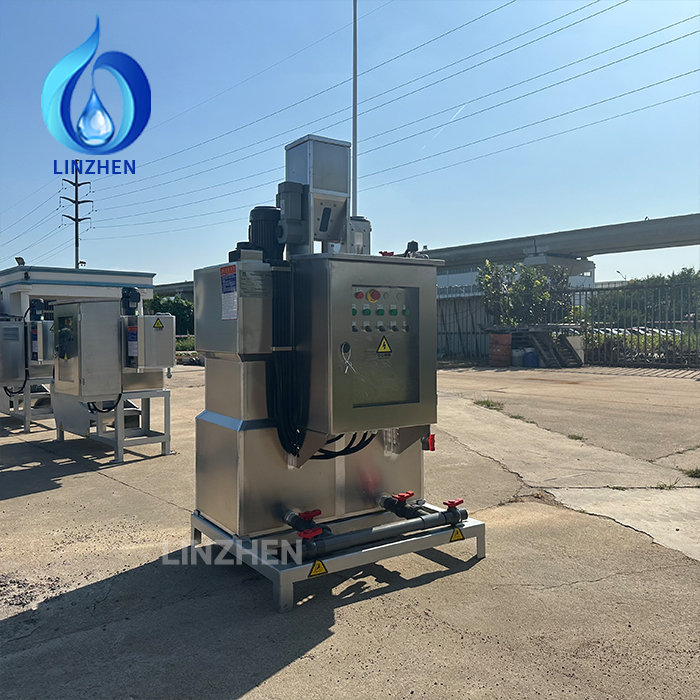
Both electrocoagulation and chemical dosing serve critical roles in industrial wastewater treatment, but they operate through different mechanisms and offer distinct advantages and limitations. Understanding how these technologies compare helps operators make informed decisions about which approach or combination of approaches best serves their industrial wastewater treatment objectives.
How Electrocoagulation and Chemical Dosing Differ
Electrocoagulation Process in Industrial Wastewater Treatment
Electrocoagulation uses electrical current to dissolve sacrificial electrodes, typically aluminum or iron, which then coagulate and precipitate contaminants in industrial wastewater treatment. This electrochemical process eliminates the need for external chemical additives and reduces sludge volume compared to conventional chemical dosing. The technology works particularly well for suspended solids, oils, emulsions, and certain heavy metals in industrial wastewater treatment applications.
In electrocoagulation systems used for industrial wastewater treatment, the dissolved metal ions create positively charged particles that neutralize negatively charged colloids. This mechanism allows for faster settling and more compact treatment in industrial wastewater treatment operations. Operators can adjust voltage and current to fine-tune the coagulation intensity based on incoming water quality in industrial wastewater treatment.
Chemical Dosing Approach to Industrial Wastewater Treatment
Chemical dosing in industrial wastewater treatment relies on adding coagulants such as aluminum sulfate, ferric chloride, or polymers to destabilize colloidal particles. These chemicals have been used reliably in industrial wastewater treatment for decades and are well-understood by operators. Chemical dosing offers predictable performance and broad applicability across diverse industrial wastewater treatment scenarios.
The chemical dosing method requires storage and handling of treatment chemicals, which introduces ongoing material costs, safety considerations, and inventory management into industrial wastewater treatment operations. However, chemical dosing remains highly effective for complex contamination profiles often found in industrial wastewater treatment. Many facilities continue using industrial wastewater treatment systems based on chemical dosing because the technology is mature and regulatory acceptance is well-established.
Practical Replacement Scenarios for Industrial Wastewater Treatment
When Electrocoagulation Excels in Industrial Wastewater Treatment
Electrocoagulation can effectively replace chemical dosing in specific industrial wastewater treatment applications. For food processing wastewater with high oil content, electrocoagulation outperforms traditional chemical dosing by removing oily contaminants without chemical residue in industrial wastewater treatment. Metal finishing facilities dealing with chromium or nickel removal often find electrocoagulation more efficient than chemical dosing for industrial wastewater treatment.
Textile mills treating dye-laden wastewater frequently achieve better color removal using electrocoagulation than chemical dosing in industrial wastewater treatment. The technology excels when wastewater contains emulsified oils, suspended solids, or heavy metals where electrocoagulation in industrial wastewater treatment can work independently. In these cases, electrocoagulation truly represents a viable substitute for chemical dosing in industrial wastewater treatment operations.
Limitations Where Chemical Dosing Remains Necessary in Industrial Wastewater treatment
Many industrial wastewater treatment scenarios require chemical dosing because electrocoagulation has inherent limitations. High salinity or hardness in wastewater increases electrical conductivity but can cause unwanted side reactions in electrocoagulation systems, making chemical dosing preferable for industrial wastewater treatment. Wastewater with soluble contaminants, such as certain dissolved organics, may not respond effectively to electrocoagulation alone in industrial wastewater treatment.
Electrocoagulation alone cannot address biological contamination or pathogenic microorganisms as effectively as chemical disinfection used in comprehensive industrial wastewater treatment. Facilities treating wastewater with complex mixed contamination often find that chemical dosing provides more robust performance than electrocoagulation for industrial wastewater treatment. Power consumption in electrocoagulation also increases significantly for large flows, sometimes making chemical dosing more economical for industrial wastewater treatment.
Hybrid Approaches and Practical Integration
Combining Both Technologies in Industrial Wastewater Treatment
Rather than viewing electrocoagulation and chemical dosing as mutually exclusive, many modern industrial wastewater treatment facilities use both technologies sequentially. Electrocoagulation can serve as a pre-treatment step to remove oils and suspended solids in industrial wastewater treatment, followed by chemical dosing to address remaining contaminants. This hybrid approach leverages the strengths of each method in industrial wastewater treatment.
Sequential treatment reduces the chemical dosing requirements needed in industrial wastewater treatment because electrocoagulation removes the bulk load first. This hybrid model often proves more cost-effective than either technology alone in industrial wastewater treatment. Many industrial wastewater treatment operators report that combining electrocoagulation with reduced chemical dosing achieves regulatory compliance while lowering overall treatment costs.
Economic and Operational Considerations for Industrial Wastewater Treatment
Capital costs favor electrocoagulation in industrial wastewater treatment because the system requires no chemical storage tanks or handling infrastructure. However, operating costs depend heavily on local electricity rates and electrode replacement frequency in industrial wastewater treatment. Industrial wastewater treatment facilities with low-cost power may benefit economically from electrocoagulation, while those with expensive electricity may find chemical dosing more affordable.
Sludge disposal represents another economic factor in industrial wastewater treatment. Electrocoagulation generates less sludge volume than chemical dosing in industrial wastewater treatment, but the electrocoagulation sludge may contain higher metal concentrations. For industrial wastewater treatment operations subject to hazardous waste regulations, these differences can significantly impact disposal costs and regulatory compliance complexity.
FAQ
Can electrocoagulation completely eliminate chemical usage in industrial wastewater treatment?
Electrocoagulation can reduce chemical dependency in industrial wastewater treatment but rarely eliminates it entirely for complex contamination. Most industrial wastewater treatment facilities using electrocoagulation still require some chemical additives for pH adjustment, disinfection, or final polishing stages. Complete elimination depends on your specific industrial wastewater treatment contaminants and regulatory discharge standards.
What contaminants does electrocoagulation handle better than chemical dosing in industrial wastewater treatment?
Electrocoagulation excels at removing suspended solids, emulsified oils, certain heavy metals, and color from industrial wastewater treatment. In industrial wastewater treatment applications with these specific contaminants, electrocoagulation often outperforms traditional chemical dosing. However, dissolved organic compounds and pathogens typically require chemical dosing or additional treatment methods in industrial wastewater treatment.
What are the main cost factors when comparing electrocoagulation to chemical dosing for industrial wastewater treatment?
Capital investment, electricity consumption, electrode replacement, and sludge disposal drive the economics of electrocoagulation versus chemical dosing in industrial wastewater treatment. Facilities should calculate total cost of ownership over five years for industrial wastewater treatment to determine which technology offers better value. Local electricity pricing and chemical costs are critical variables affecting economic decisions in industrial wastewater treatment.
 EN
EN