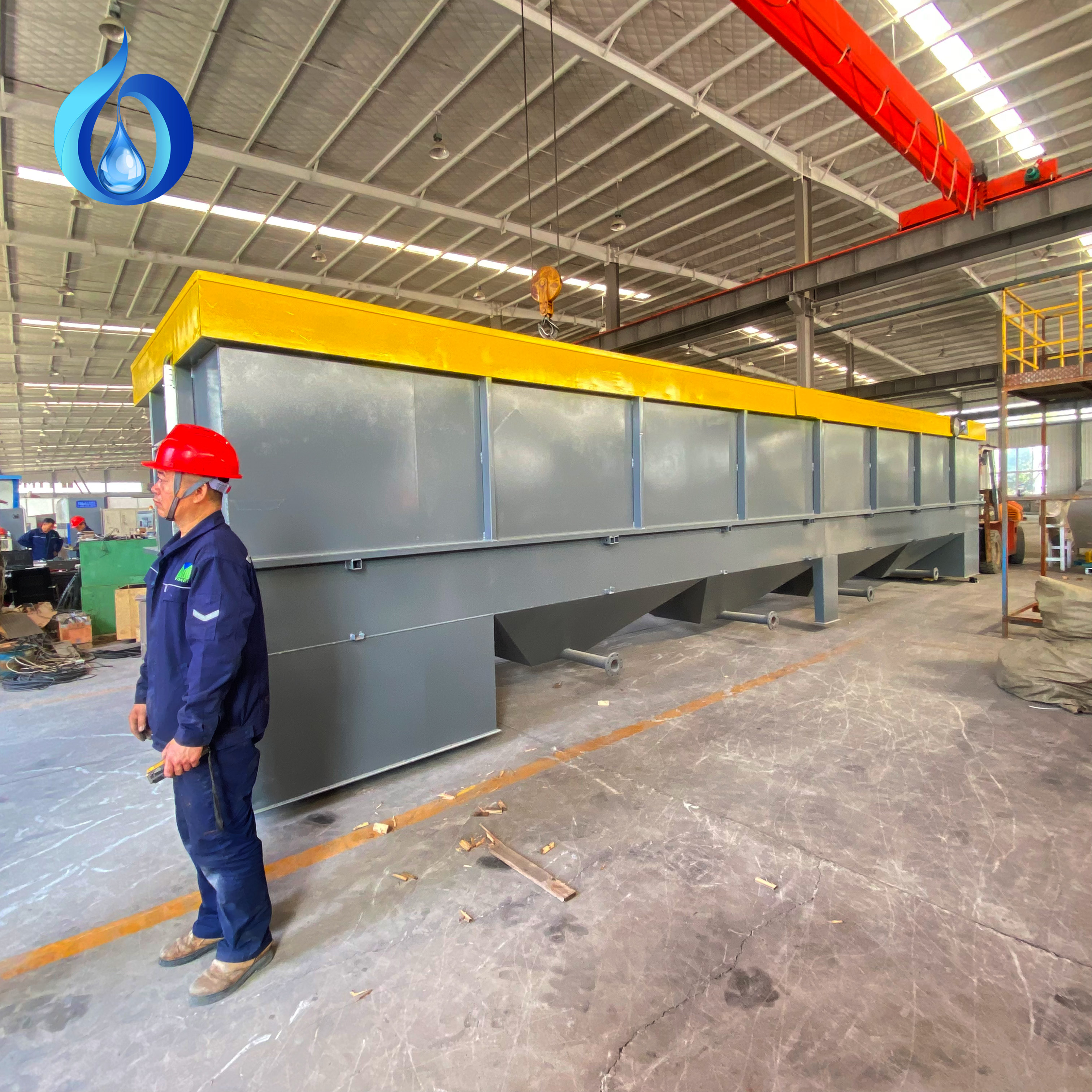
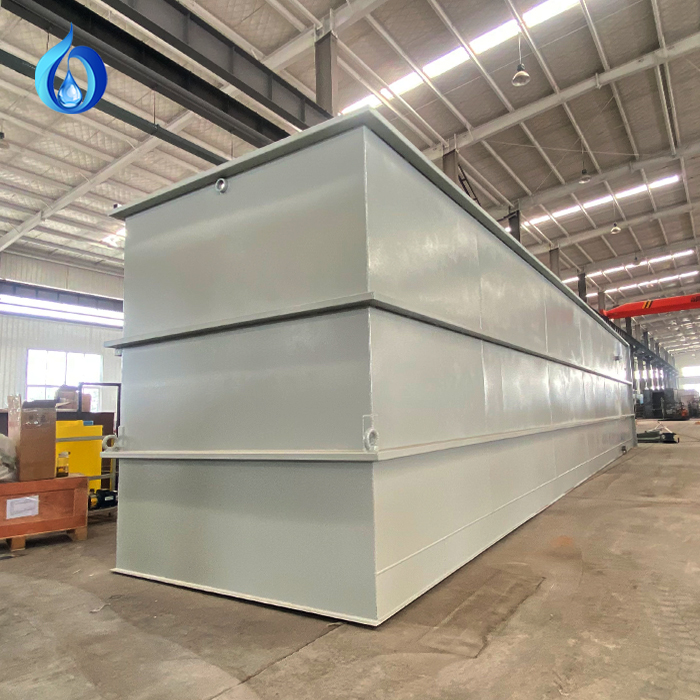
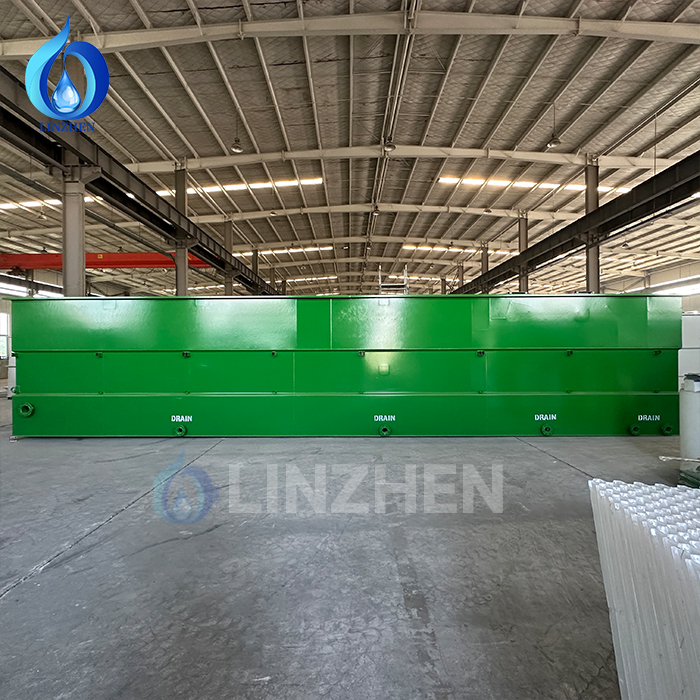
Organic waste load spikes present one of the most challenging operational scenarios in industrial wastewater management. When a facility experiences a sudden surge in organic matter—whether from production process changes, equipment failures, or unexpected input volumes—the wastewater treatment system must respond effectively to maintain compliance and prevent environmental discharge violations. The question of whether daf wastewater treatment can handle these sudden spikes is critical for plant operators and engineers designing robust treatment infrastructure.
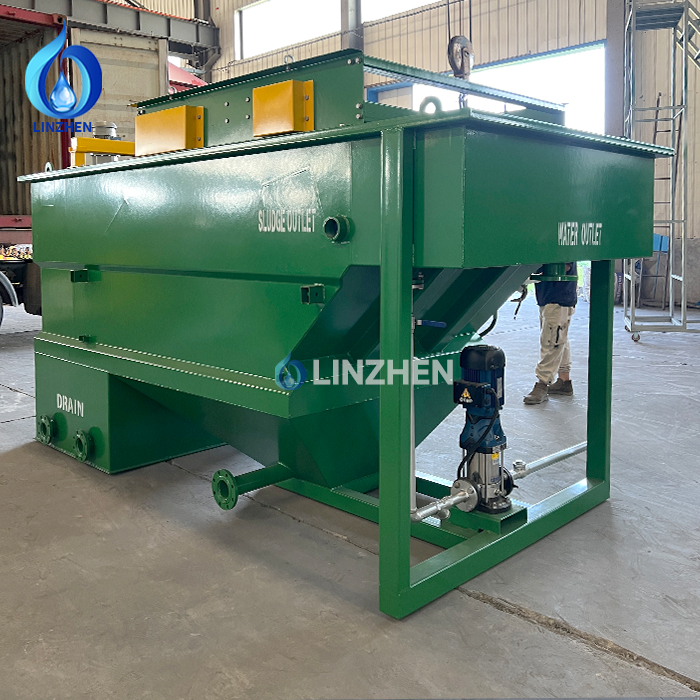
Modern daf wastewater treatment systems are engineered with buffering capacity and operational flexibility to accommodate temporary load increases, yet the extent of this capability depends on multiple design and operational factors. Understanding these variables helps facility managers predict system behavior during surge conditions and implement appropriate contingency protocols to protect treatment efficiency and avoid bypass situations.
Design Capacity and Load Rating Parameters
Hydraulic and Organic Loading Limits
Every daf wastewater treatment installation operates within defined hydraulic and organic loading parameters established during the design phase. Hydraulic loading refers to the volume of wastewater the system can process per unit time, typically expressed in gallons per minute or cubic meters per hour. Organic loading, measured in pounds or kilograms of biochemical oxygen demand per day, represents the mass of degradable material the system must separate and reduce. These limits are calculated based on tank volume, residence time, air injection rates, and separation efficiency targets. When daf wastewater treatment encounters sudden organic spikes that exceed the original design specification, the system's performance margin narrows significantly.
Safety Margins and Buffer Capacity
Prudent daf wastewater treatment design incorporates a safety margin above the average expected load to accommodate normal operational fluctuations. This margin typically ranges from 20 to 40 percent above the nominal design load, allowing temporary load increases without immediate performance degradation. The buffer capacity of a daf wastewater treatment tank provides residence time that allows air bubbles to interact with suspended solids and oil globules, enabling flotation separation. If an organic load spike consumes this safety margin, residence time shrinks and separation efficiency declines. Understanding this relationship helps operators recognize when supplementary measures become necessary to maintain treatment goals during surge periods.
Operational Response Mechanisms During Load Spikes
Air Injection Adjustment and Bubble Generation
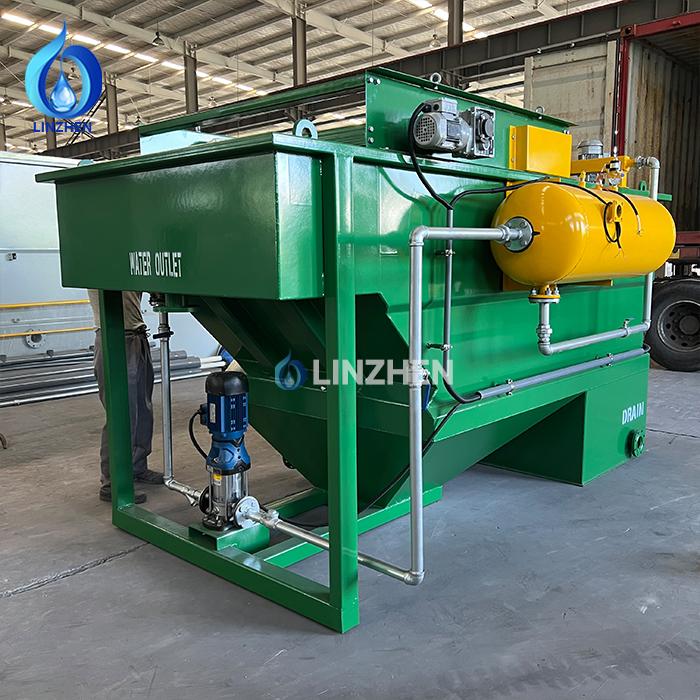
The core mechanism of daf wastewater treatment depends on dissolved air bubbles attaching to suspended particles and forcing them to the surface for removal. When organic load spikes occur, operators can adjust the air injection system to increase bubble generation and improve attachment probability. Increasing air pressure and saturator flow rate enhances the oxygen availability within the flotation chamber, potentially compensating for rapid organic influx. However, daf wastewater treatment systems have physical limits on air generation and saturation capacity; exceeding these limits introduces diminishing returns or creates operational instability. Most modern daf wastewater treatment installations include variable frequency drives and automated controls that modulate air injection based on influent load sensors, enabling dynamic response to sudden spikes without manual intervention.
Sludge Removal and Clarified Water Recycling
The accumulation of floated sludge on the water surface reduces available flotation area within a daf wastewater treatment basin. Aggressive surface skimming and increased sludge removal frequency during load spike periods help maintain separation zone capacity. Additionally, recycling a portion of clarified water through the daf wastewater treatment pressurization system increases the volume of saturated water available for bubble generation, enhancing treatment effectiveness without proportionally increasing tank size. This approach works particularly well when the load spike duration is measured in hours rather than days, as sustained operation in recycled mode increases operational costs and chemical consumption.
Practical Limitations and Performance Trade-offs
Separation Efficiency Degradation Under Extreme Spikes
Despite design margins and operational flexibility, daf wastewater treatment systems experience measurable performance decline when organic load spikes exceed 50 to 75 percent above design capacity. The separation efficiency—typically 85 to 95 percent under normal conditions—may drop to 70 to 80 percent during extreme surge events. This degradation occurs because shorter residence times provide insufficient contact between bubbles and suspended matter, and overflow rates in the treatment basin exceed optimal velocities. For some industrial applications, this temporary efficiency loss remains acceptable if the system discharges to municipal sewers rather than surface water, since downstream municipal treatment provides secondary polishing. However, direct surface water discharge scenarios impose much stricter requirements, and daf wastewater treatment may prove inadequate for extreme spikes without additional treatment stages or emergency bypass procedures.
Chemical Dosing and Coagulation Impacts
Many daf wastewater treatment systems incorporate coagulant and flocculant chemical addition to improve particle aggregation before flotation. During organic load spikes, the chemical dosing system must adjust to maintain optimal coagulation without either overdosing—which increases chemical costs and residual sludge volume—or underdosing, which allows fine particles to pass through. Automated chemistry controls with real-time monitoring help daf wastewater treatment systems adapt to sudden load changes, but calibration delays and response lag times can allow temporary quality deterioration. Experienced operators typically maintain slightly elevated chemical residuals during forecast high-load periods, trading modest cost increases for enhanced surge response capability.
Strategic Approaches for Spike Management
Equalization Tanks and Load Smoothing
The most effective strategy for handling potential organic load spikes involves upstream equalization storage. When source processes feed into daf wastewater treatment through intermediate holding tanks, surge events distribute over time rather than striking the treatment system instantaneously. Equalization reduces peak loading by 30 to 60 percent depending on tank volume and source variability, extending the period during which daf wastewater treatment can maintain normal separation efficiency. This approach requires capital investment in additional infrastructure but delivers superior reliability compared to relying solely on treatment system capacity.
Parallel Treatment Trains and Redundancy
Facilities with critical wastewater treatment requirements or historically volatile organic loads benefit from daf wastewater treatment installations configured as multiple parallel units. This approach provides several advantages: each unit operates at lower average load, maintaining better separation margins during normal periods; surge events can be distributed across multiple trains; and equipment maintenance or emergencies on one train do not eliminate treatment capacity. The capital cost premium for parallel daf wastewater treatment systems is substantial but justifiable in applications where treatment failure carries environmental, regulatory, or financial consequences.
FAQ
What percentage load increase can typical daf wastewater treatment systems tolerate without performance loss?
Most professionally designed daf wastewater treatment systems can accommodate 20 to 40 percent temporary load increases above design capacity while maintaining separation efficiency within acceptable limits. Load spikes exceeding 50 percent above design capacity typically result in measurable efficiency decline, with separation effectiveness dropping from normal 85 to 95 percent to approximately 70 to 80 percent during extreme surge periods. The exact tolerance depends on system age, maintenance condition, chemical feeding precision, and operator response timing.
How quickly can daf wastewater treatment respond to sudden organic load spikes?
Modern daf wastewater treatment systems equipped with automated controls and sensor feedback can adjust air injection and chemical dosing within 5 to 15 minutes of detecting load changes. However, the physical residence time of wastewater within the flotation basin—typically 20 to 30 minutes—means that treatment effectiveness stabilization requires 45 to 90 minutes. Manual operator-controlled systems respond more slowly, typically requiring 30 to 60 minutes for initial adjustments and 2 to 3 hours for full operational optimization during spike events.
Should facilities install daf wastewater treatment larger than their current average load to handle potential spikes?
Yes, oversizing daf wastewater treatment systems by 30 to 50 percent above average expected load represents industry best practice for facilities experiencing variable influent conditions. This approach provides built-in surge capacity without requiring supplementary equipment or operator interventions during load spikes. The higher capital investment yields operational reliability benefits, reduced chemical and energy consumption variability, and extended equipment service life through operation within design specifications rather than at capacity limits. For facilities with predictable load profiles and minimal volatility, modest 15 to 20 percent oversizing may prove sufficient.
 EN
EN