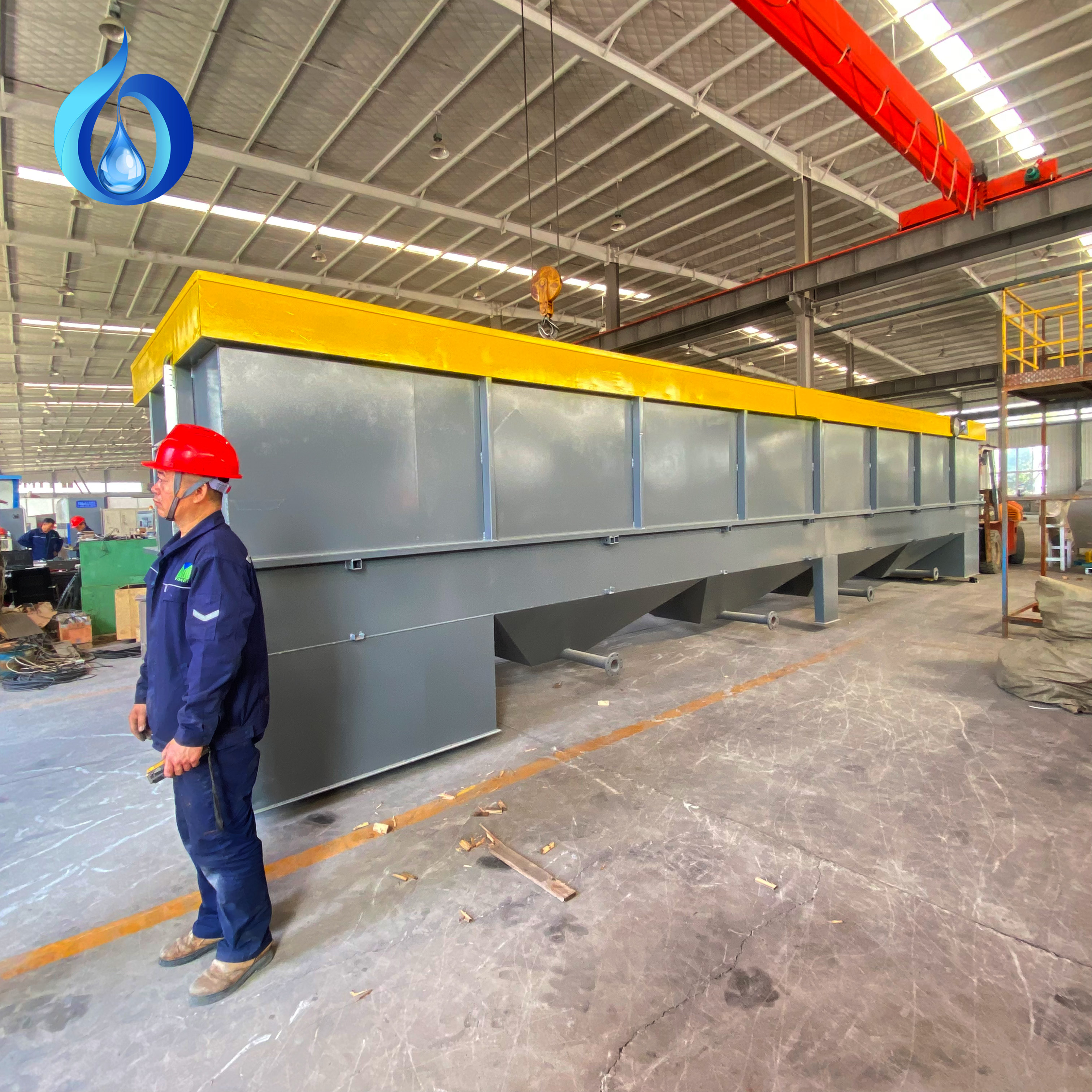
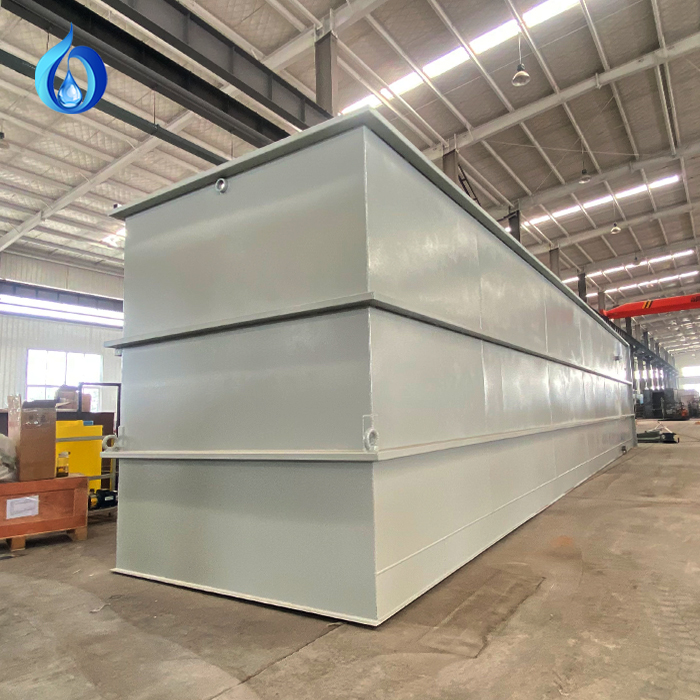
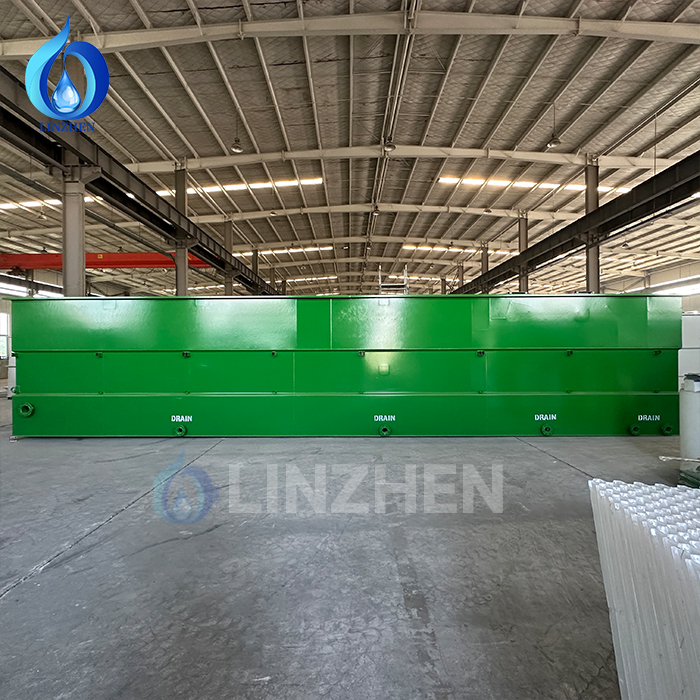
Industrial processing operations and manufacturing facilities frequently encounter significant challenges in maintaining biological wastewater stability due to unpredictable hydraulic surges and fluctuating organic concentrations. An mbbr system (moving bed biofilm reactor) delivers an exceptional biological treatment solution engineered to maintain steady performance under severe load swings. Unlike traditional activated sludge processes that suffer from microbial washout during erratic plant operation, an mbbr system leverages protected carrier surface area to ensure resilient microbial populations. Mastering how an mbbr system adapts to dynamic influent characteristics is vital for facility engineers seeking predictable effluent compliance.
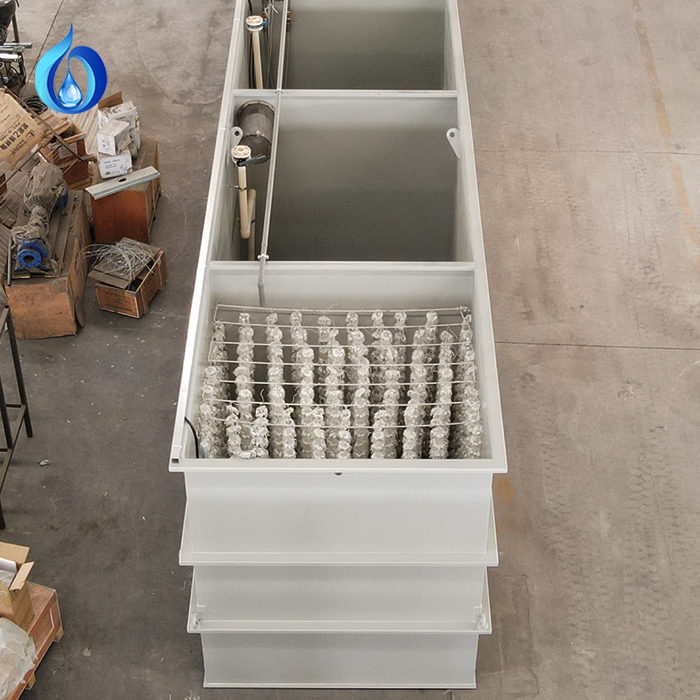
The core performance driver of an mbbr system relies on fixed-film biological growth on thousands of engineered plastic carriers kept in continuous suspension within the reactor vessel. This robust architecture empowers an mbbr system to absorb massive spikes in biochemical oxygen demand (BOD) without sacrificing treatment efficacy. Whether driven by batch production schedules, seasonal product changes, or sudden washdown events, an mbbr system stabilizes effluent quality seamlessly. The following analysis examines the precise physiological and operational mechanisms that allow an mbbr system to master variable organic loads in modern industrial facilities.
Biological Mechanisms of an MBBR System Under Load Spikes
Biofilm Dynamics and Biomass Density Control
Within a high-performing mbbr system, specialized plastic media provide extensive surface area for targeted microbial attachment, fostering a highly concentrated biofilm layer. When incoming organic concentrations rise, the active biomass within the mbbr system increases metabolic substrate consumption to match incoming load levels. The established bio-layer within an mbbr system reacts swiftly because specialized bacterial colonies remain permanently fixed on protected internal carrier surfaces. Simultaneously, floating suspended solids in an mbbr system augment overall COD destruction efficiency by removing easily biodegradable organics. This dual-phase response enables an mbbr system to sustain discharge compliance across extreme loading swings without operator intervention.
Oxygen Diffusion Efficiency in an MBBR System
Aeration delivery is fundamental in an aerobic mbbr system, where fluid movement and bubble turbulence continuously optimize gas transfer to active biomass. Continuous motion within an mbbr system creates high liquid shear, stripping excess outer biomass and exposing vital inner microbial layers to fresh dissolved oxygen and nutrients. When high-strength waste enters an mbbr system, aeration blower rates can be adjusted automatically without disturbing biological settling characteristics. The specialized micro-environment inside an mbbr system carrier encourages stratified layers, housing aerobic bacteria near the outer perimeter and facultative strains deep inside. This complex structure allows an mbbr system to sustain rapid contaminant removal even during sudden loading shocks.
Operational Performance Advantages of an MBBR System
Shock Load Resilience and Hydraulic Flexibility
Hydraulic retention time (HRT) design parameters demonstrate the engineering advantages of choosing an mbbr system for volatile waste streams. Because an mbbr system retains its functional biomass attached to physical carriers, it operates successfully at much shorter HRTs than suspended-growth reactors. Toxic shocks or sudden chemical surges that would decimate conventional sludge tanks cause minimal disruption to an mbbr system. When an acute loading spike strikes an mbbr system, the inner biofilm core acts as a biological shield, keeping treatment capacity intact while excess surface biomass expands to absorb the added organic load. This intrinsic resilience makes an mbbr system the preferred choice for batch chemical plants, food processors, and textile mills.
Self-Regulating Biomass and Reduced Operator Labor
Managing solids inventory in an mbbr system requires far less manual adjustment compared to conventional secondary treatment configurations. Traditional activated sludge requires constant sludge recycle ratio tuning, whereas an mbbr system regulates its active biological mass naturally through carrier shear and biological sloughing. When influent organic loads drop, the biological growth within an mbbr system naturally tapers down, maintaining equilibrium without operator intervention. Conversely, rising loading rates prompt the mbbr system biofilm to grow rapidly and utilize newly available carrier surface area. This self-balancing dynamic reduces operational overhead, minimizes polymer consumption, and establishes an mbbr system as an automated, low-maintenance asset.
Engineering and Configuration Guidelines for an MBBR System
Carrier Selection and Optimized Fill Ratios
Achieving peak reliability from an mbbr system subjected to fluctuating loads depends heavily on media surface area selection and reactor fill fraction design. Engineers typically design an mbbr system using media fill fractions ranging between 30% and 65% of net basin volume, adjusting for peak mass loading requirements. Selecting higher carrier fill percentages in an mbbr system provides maximum surface area to absorb massive organic surges without increasing basin footprint. However, an mbbr system configured with moderate fill ratios benefits from optimized fluid mixing dynamics and lower aeration power draw during baseline load periods. Multi-stage mbbr system trains can also be implemented to isolate initial high-load removal from final polishing steps.
Control Automation and Monitoring for an MBBR System
To optimize the real-time performance of an mbbr system under fluctuating influent profiles, facilities should deploy advanced instrumentation networks. Continuous dissolved oxygen sensors placed throughout an mbbr system provide real-time feed signals to variable frequency blower drives, matching oxygen delivery directly to biological demand. Integrating automated nutrient dosing units into an mbbr system maintains correct C:N:P ratios during high-load manufacturing shifts. Modern PLC-driven mbbr system architecture allows plant operators to track organic removal trends remotely, ensuring compliance while minimizing overall energy consumption.
FAQ
How does an MBBR system maintain performance during sudden high-flow events?
An mbbr system resists hydraulic washout because the active biomass remains attached to structural plastic carriers retained inside the basin by outlet sieves. While high hydraulic flows flush biomass out of standard activated sludge basins, an mbbr system retains its complete treatment biology, allowing continuous organic removal despite rapid flow changes.
Will low organic influent concentrations damage the biology in an MBBR system?
No, an mbbr system handles low-load conditions exceptionally well through natural microbial acclimatization. When organic input decreases, the biofilm layer on an mbbr system thins and enters a maintenance metabolic state without losing structural attachment. The mbbr system remains fully prepped to process higher organic loads immediately when production resumes.
Why is an MBBR system preferred over conventional activated sludge for fluctuating loads?
An mbbr system eliminates the need for return activated sludge (RAS) pumping and complex sludge settling management. It delivers significantly higher biomass concentrations per unit volume, absorbs shock loads without sludge bulking, and operates effectively within a much smaller physical footprint than conventional secondary treatment options.
 EN
EN