Modern manufacturing and municipal infrastructure operations are undergoing a fundamental shift in how they process industrial effluent. Deploying advanced wastewater treatment solutions enables facilities to transition from basic permit compliance to comprehensive environmental value creation. By integrating resource recovery wastewater strategies directly into process workflows, organizations extract vital mineral nutrients, generate renewable biogas, and produce high-quality recycled streams. Embracing advanced wastewater treatment turns standard utility operations into revenue-generating assets that support long-term corporate sustainability targets.
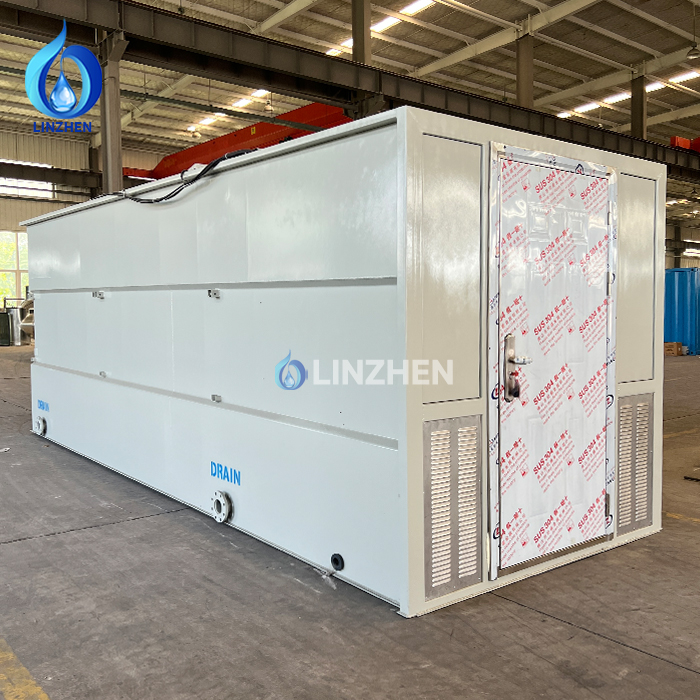
The commercial rationale for upgrading traditional facilities with advanced wastewater treatment technologies has never been stronger. High freshwater prices, rising sludge tipping fees, and strict nutrient discharge caps force companies to rethink waste management. Utilizing industrial water reclamation systems allows factories to offset raw water purchases while generating marketable secondary products. Adopting a structured approach to advanced wastewater treatment drastically lowers ongoing operational overhead, protects surrounding ecosystems, and strengthens supply chain resilience against regional water scarcity challenges.
Extracting Value Through Advanced Wastewater Treatment Innovations
Nutrient Harvesting via Resource Recovery Wastewater Processes
Nitrogen and phosphorus capture represents one of the most profitable opportunities in resource recovery wastewater engineering. Traditional treatment processes often discard these valuable minerals into secondary sludge or dilute effluent streams. In contrast, advanced wastewater treatment configurations capture dissolved phosphorus and nitrogen to synthesize commercial-grade fertilizers such as crystalline struvite. Facilities implementing advanced wastewater treatment for nutrient harvesting drastically reduce chemical sludge volumes while securing valuable secondary material streams for agricultural markets.
The economics of mineral extraction through advanced wastewater treatment remain highly compelling as global fertilizer market prices fluctuate. Designing an effective resource recovery wastewater process requires analyzing incoming stream concentrations, localized product demand, and precipitation chemistry. Many industrial facilities utilizing advanced wastewater treatment for phosphorus recovery achieve full capital payback within three to six years, especially when partnered with local agricultural off-takers or specialized chemical distributors.
Bioenergy Generation in Advanced Wastewater Treatment Facilities
Concentrated organic solids collected during treatment represent an exceptional source of renewable energy. Modern advanced wastewater treatment plants combine high-efficiency solids separation with anaerobic digestion to convert biological sludge into methane-rich biogas. Incorporating thermal hydrolysis upstream of anaerobic digestors maximizes energy yields within the advanced wastewater treatment plant. Facility managers can utilize this captured biogas to fuel onsite boilers, drive aeration blowers, or generate green electricity to offset grid power purchases.
Optimizing thermal and biological conditions within an advanced wastewater treatment facility transforms high-cost waste disposal liabilities into clean energy assets. Factories employing energy-focused advanced wastewater treatment systems routinely cut electrical utility purchases while drastically decreasing the total mass of biological solids requiring offsite haulage. This dual financial benefit reinforces why resource recovery wastewater projects represent a top capital priority for modern industrial plants.
Industrial Water Reclamation and Circular Operations
Quality Standards for Industrial Water Reclamation
Deploying membrane bioreactors, reverse osmosis, and advanced oxidation allows advanced wastewater treatment plants to generate process-grade water from heavily contaminated waste streams. Implementing full-scale industrial water reclamation provides clean water suitable for cooling towers, high-pressure boiler feed, and equipment washdown. Reducing reliance on municipal mains through industrial water reclamation protects manufacturing operations from drought-induced water rationing and unpredictable municipal rate hikes.
Maintaining strict quality control is paramount when operating an industrial water reclamation facility. Online sensors, automated turbidity monitors, and continuous conductivity logging ensure that water produced by advanced wastewater treatment units consistently meets internal production specifications. Establishing reliable industrial water reclamation loops allows heavy industrial users to achieve near zero liquid discharge (ZLD), preserving local freshwater reserves and establishing market leadership in environmental stewardship.
Supporting Sustainability Goals with Advanced Wastewater Treatment
Corporate environmental, social, and governance (ESG) reporting standards increasingly require manufacturers to demonstrate closed-loop water usage. Upgrading legacy systems to advanced wastewater treatment provides verifiable metrics for corporate sustainability reports, carbon footprint reductions, and environmental product declarations. Utilizing resource recovery wastewater technologies proves that a company actively minimizes environmental impact rather than merely fulfilling minimum legal discharge permits.
Furthermore, committing to advanced wastewater treatment builds strong brand equity among eco-conscious consumers and institutional ESG investors. Highlighting measurable successes in industrial water reclamation and nutrient recycling strengthens community relationships and regulatory trust, providing a competitive edge in increasingly regulated international markets.
Implementation Framework for Advanced Wastewater Treatment Systems
Site Audits for Resource Recovery Wastewater Projects
Executing a successful advanced wastewater treatment upgrade begins with a detailed analytical audit of facility flow variations, pollutant loads, and thermal characteristics. The financial viability of resource recovery wastewater installations depends on matching specific recovery technologies to influent chemistry. Facilities with high organic concentrations achieve maximum returns through biogas capture, whereas high-nutrient streams favor chemical precipitation. Detailed characterization ensures that chosen advanced wastewater treatment systems target the most profitable recovery pathways.
Evaluating nearby market demand for reclaimed water and recovered mineral products is equally crucial during initial planning. Successful industrial water reclamation projects require aligned internal reuse points or neighboring commercial partners within reasonable piping distances. Securing off-take agreements early in the advanced wastewater treatment design phase minimizes financial uncertainty and accelerates long-term project profitability.
FAQ
How does advanced wastewater treatment drive financial returns through resource recovery wastewater projects?
Advanced wastewater treatment drives returns by turning waste liabilities into valuable assets. By extracting commercial fertilizers, generating onsite electricity from biogas, and executing industrial water reclamation, facilities substantially cut utility bills, eliminate haulage fees, and create secondary revenue streams.
What are the primary operational benefits of implementing industrial water reclamation?
Industrial water reclamation significantly lowers freshwater purchasing fees, insulates manufacturing operations against regional water restrictions, and reduces total municipal sewer discharge surcharges by recycling treated effluent internally.
How long does it take to commission an advanced wastewater treatment facility?
Commissioning an advanced wastewater treatment plant typically spans 12 to 24 months, depending on engineering complexity, civil construction requirements, and pilot testing phases needed to optimize resource recovery wastewater yield.
 EN
EN