Manufacturing facilities consume enormous quantities of fresh water daily, yet a significant portion becomes process water that requires disposal. Implementing an advanced wastewater treatment solution offers a transformative path forward by enabling plant managers to achieve effective industrial water reuse within their operational workflows. Relying on continuous waste water treatment reduces freshwater consumption, lowers utility expenses, and fulfills strict environmental regulations. Masterful waste water treatment protocols give modern manufacturing facilities a distinct competitive advantage and long-term resource security.
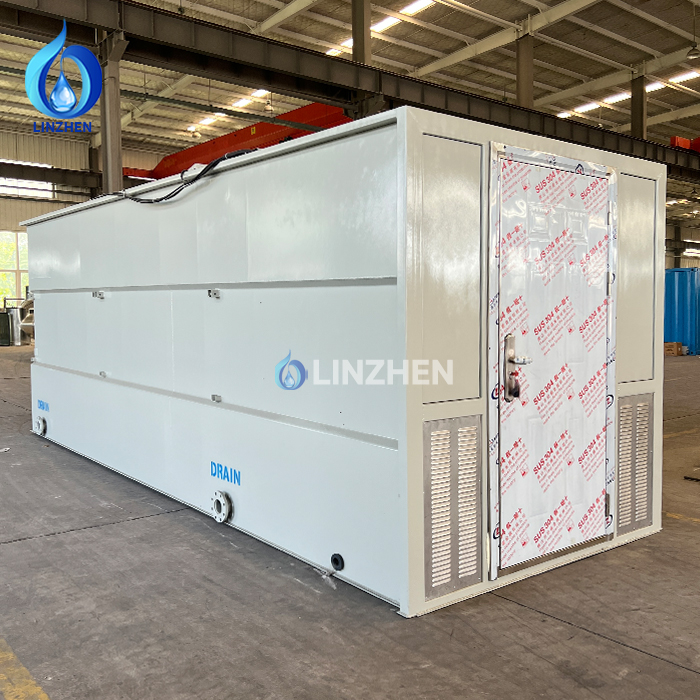
The shift toward circular water management represents a fundamental change in how industries approach long-term sustainability. Modern waste water treatment technologies have matured to the point where treated effluent consistently meets stringent quality standards for cooling towers, washdown, and primary manufacturing operations. Creating a reliable internal water loop through manufacturing water recycling maximizes hydraulic efficiency while eliminating excess environmental discharge. Facilities deploying comprehensive waste water treatment infrastructure unlock substantial financial returns while strengthening their environmental credentials.
How Advanced Waste Water Treatment Enables Water Reuse
Treatment Process and Quality Standards for Waste Water Treatment
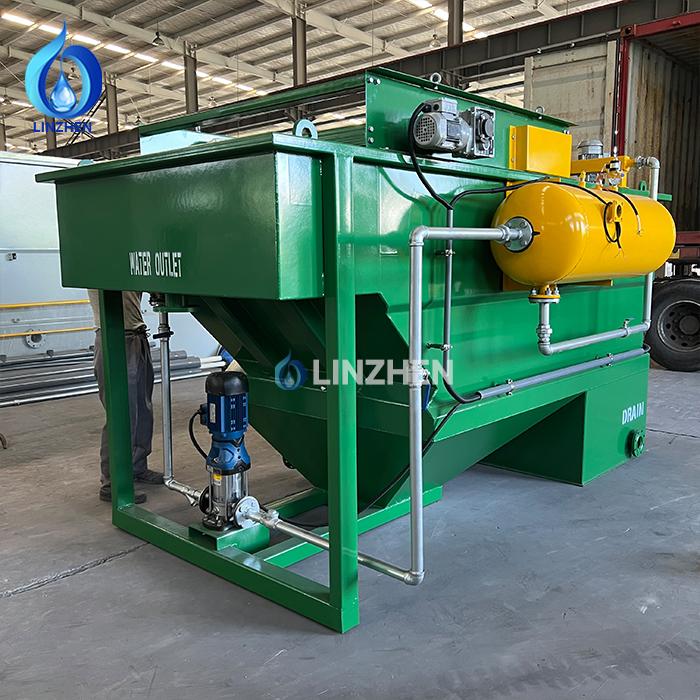
Modern waste water treatment relies on sequential processing stages to strip out hazardous contaminants, suspended particles, and residual organic compounds. The primary phase of waste water treatment utilizes mechanical separation techniques like screening and grit removal to clear heavy solids. Secondary waste water treatment applies biological digestion, leveraging specialized microorganisms to break down dissolved organic matter. Crucially, tertiary wastewater treatment introduces high-tier technologies—including membrane filtration, activated carbon, and UV disinfection—to elevate water quality for safe industrial water reuse.
Quality requirements for reclaimed water depend heavily on the intended operational use. Cooling infrastructure tolerates different physical parameters than process water used directly in manufacturing, making adaptable waste water treatment process setups indispensable. Automated testing protocols across the waste water treatment sequence verify that purified effluent satisfies every target parameter before reentering circulation. This robust, multi-stage waste water treatment strategy transforms hazardous industrial runoff from an expensive liability into a valuable manufacturing asset.
Technology Integration and Automation in Waste Water Treatment
Contemporary waste water treatment systems integrate multiple specialized purification methods working in seamless sequence. Chemical coagulation and flocculation improve particle separation during primary waste water treatment, while advanced oxidation targets recalcitrant synthetic chemicals. Membrane filtration mechanisms—such as microfiltration, ultrafiltration, and reverse osmosis—ensure precision filtration, enabling the waste water treatment plant to produce high-purity water suitable for manufacturing water recycling. Digital controls optimize chemical feed rates throughout all waste water treatment phases.
Automation within an advanced wastewater treatment facility reduces manual labor while improving treatment output consistency. Automated controllers constantly adjust pH levels, chemical dosing, and flow velocity based on real-time water quality feedback. Integrated digital dashboards give engineers total visibility into active waste water treatment metrics, allowing immediate response to incoming feed fluctuations. Linking waste water treatment telemetry with enterprise management software tracks cumulative water recovery rates, operational savings, and sustainability performance over time, turning complex waste water treatment into a predictable, automated asset.
Strategic Benefits of Water Reuse Through Advanced Waste Water Treatment
Cost Reduction and Operational Resilience via Waste Water Treatment
Deploying advanced wastewater treatment systems delivers direct, long-term operational cost advantages. Purchasing freshwater and paying municipal sewer discharge fees represent substantial recurring expenses for industrial facilities. By recycling treated streams through high-efficiency waste water treatment units, factories cut freshwater intake by 30% to 60%. Discharge surcharges decline significantly as the waste water treatment process reduces both effluent volume and chemical oxygen demand. Financial returns on a complete waste water treatment installation generally materialize within three to seven years, yielding sustained savings for decades.
Beyond direct financial savings, robust waste water treatment bolsters operational resilience against regional water stress. Manufacturing plants in drought-prone regions face operational bottlenecks during water restrictions if dependent on public supply lines alone. Facilities equipped with localized waste water treatment maintain full production capacity by drawing from their internal reclaimed reserves. Utilizing waste water treatment for continuous water recovery insulates production schedules against volatile utility pricing, unexpected water supply interruptions, and stringent environmental restrictions on municipal freshwater extraction.
Environmental Compliance and Sustainability via Waste Water Treatment
Operating an advanced wastewater treatment facility guarantees steady compliance with evolving environmental discharge permits. Local agencies enforce strict concentration limits for industrial effluent, and systematically managed waste water treatment ensures discharge streams reliably satisfy these environmental standards. Implementing tertiary wastewater treatment and active manufacturing water recycling builds strong working relationships with regulatory inspectors and minimizes legal liabilities. Documented performance records from the waste water treatment facility simplify permit renewals and environmental reporting procedures.
Corporate social responsibility initiatives gain immense credibility from verified waste water treatment achievements. Industrial organizations routinely report environmental efficiency metrics and overall waste water treatment performance to stakeholders, customers, and investors. Investing in advanced wastewater treatment highlights real environmental leadership, helping brands differentiate themselves in competitive supply chains where eco-friendly practices are valued. Expanding industrial water reuse through targeted waste water treatment reduces stress on local aquifers, preserves aquatic ecosystems, and reduces the overall ecological footprint of the facility.
Implementation Considerations for Manufacturing Waste Water Treatment
Facility Assessment and Waste Water Treatment System Design
Successful waste water treatment deployment begins with a comprehensive facility water audit that maps discharge volumes, chemistry profiles, and potential reuse applications. Engineering assessments determine whether existing plumbing can integrate new waste water treatment units or requires structural retrofitting. Quality targets for specific application loops dictate waste water treatment technology choices, as cooling systems require different configurations than closed-loop process water systems. Capital expenditure for waste water treatment varies based on hydraulic flow rates, raw influent complexity, and target purity standards, making detailed engineering studies essential prior to system deployment.
Site-specific physical constraints shape the final configuration of any waste water treatment project. Compact membrane-based waste water treatment modules suit sites with tight footprints, whereas facilities with ample land can leverage lagoon systems or equalization basins. Existing utility access, electrical infrastructure, and operator capabilities influence the overall waste water treatment engineering plan. Implementing waste water treatment in phased rollouts helps manage initial capital outlay while allowing staff to build operational proficiency. Pilot-scale waste water treatment testing validates system performance under actual site conditions before full-scale commercial installation.
Operations and Long-Term Waste Water Treatment Performance
Maintaining an advanced wastewater treatment platform requires trained staff educated in fluid dynamics, chemical dosing, and continuous monitoring. Operator expertise in managing waste water treatment equipment, chemical feeds, and system diagnostics prevents unexpected downtime and ensures steady effluent quality. Routine preventative maintenance—such as servicing high-pressure pumps, cleaning filtration membranes, and calibrating sensors—is necessary to sustain waste water treatment reliability over time. Establishing Standard Operating Procedures for every phase of waste water treatment establishes operational consistency across all working shifts.
Long-term efficiency in waste water treatment relies on continuous monitoring and systematic optimization. Water analysis protocols verify that the waste water treatment equipment consistently achieves target purity standards. Key operational performance metrics track membrane flux rates, pump energy consumption, and chemical usage trends, highlighting maintenance needs before equipment failure occurs. Periodic waste water treatment audits reveal opportunities for software tuning, chemical optimization, or equipment retrofits. A disciplined approach to waste water treatment maintenance ensures maximum water recovery rates, low operating costs, and complete compliance throughout multi-decade facility lifespans.
FAQ
What manufacturing processes benefit most from waste water treatment and water reuse?
Heavy water-consuming sectors gain massive benefits from an advanced wastewater treatment setup. Steel mills, automotive plants, food processing plants, and chemical manufacturers regularly achieve 40% to 60% industrial water reuse by executing targeted waste water treatment programs.
How does advanced waste water treatment compare to conventional municipal wastewater treatment?
Municipal facilities focus primarily on broad volume processing and basic environmental discharge standards. In contrast, an advanced wastewater treatment system built for manufacturing water recycling incorporates specialized tertiary wastewater treatment steps—such as membrane filtration and advanced oxidation—to produce high-purity water tailored for industrial processes.
What regulatory approvals are needed before deploying a waste water treatment system?
Most jurisdictions require environmental construction permits, updated discharge permits, and local safety certifications before installing a commercial waste water treatment system. Engaging environmental specialists early in the planning phase ensures your waste water treatment design meets local standards and speeds up the permitting process.
 EN
EN