Municipal and industrial discharge permits increasingly enforce strict effluent total nitrogen limits, forcing plant managers to modernize legacy water infrastructure. Upgrading a conventional activated sludge process through biological nutrient removal retrofitting provides a high-return solution that avoids the high capital expense of complete facility replacement. Integrating a dedicated anoxic zone into an operational activated sludge process introduces specialized denitrification pathways without disrupting plant hydraulic throughput. This engineering strategy converts a standard organic removal plant into an advanced biological nutrient removal facility capable of meeting stringent environmental standards.
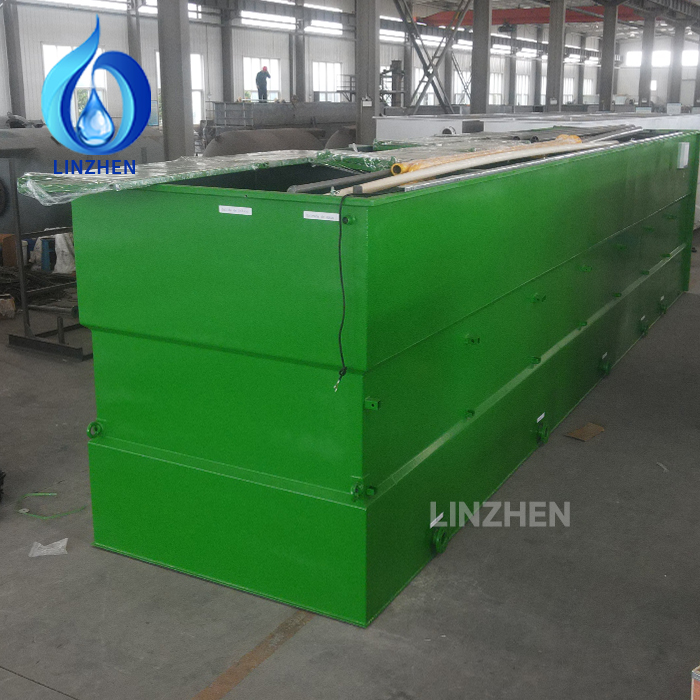
Transforming an active activated sludge process basin requires reconfiguring reactor hydraulics, biological kinetics, and internal mass transfer loops. In standard operations, heterotrophic microbes in the activated sludge process utilize dissolved oxygen to oxidize biochemical oxygen demand and convert ammonia to nitrate. Adding an anoxic zone before the main aeration stage creates an oxygen-depleted environment where facultative bacteria utilize nitrate as their primary electron acceptor. Consequently, this modified activated sludge process achieves rapid biological nitrogen gas conversion, optimizing energy consumption while reducing reliance on external chemical precipitation methods.
Biological Kinetics and Compartmentalization Strategy
Denitrification Mechanics within a Retrofitted Activated Sludge Process
Achieving effective denitrification in a retrofitted activated sludge process hinges on precise control over dissolved oxygen concentration and electron donor availability. The pre-anoxic zone within the modified activated sludge process receives raw influent carbon alongside nitrate-rich nitrified mixed liquor recirculated from the downstream aerobic aeration tank. Heterotrophic bacteria thriving in this section of the activated sludge process consume readily biodegradable organics while breaking down nitrate molecules into harmless nitrogen gas. Maintaining dissolved oxygen levels strictly below 0.2 mg/L prevents oxygen interference, allowing the activated sludge process to maximize denitrification rates.
Physical compartmentalization represents the most common structural modification when retrofitting an existing activated sludge process aeration basin. Engineers often install internal baffle walls or adjustable overflow weirs to isolate the newly designated anoxic chamber from the aerobic activated sludge process section. Submersible low-speed mixers must be positioned within the non-aerated basin to keep biomass fully suspended. Proper mixing prevents solids settlement within the modified activated sludge process without introducing unwanted atmospheric oxygen, ensuring optimal biological contact between incoming pollutants and active microbial biomass.
Volumetric Allocation and Recirculation Hydraulics
Optimizing Basin Ratios and Recirculation in the Activated Sludge Process
Successful design of an anoxic retrofit requires redistributing total reactor volume within the existing activated sludge process tankage. Typically, process engineers allocate 20 to 35 percent of total basin volume to the non-aerated anoxic zone, reserving the remaining volume for aerobic nitrification. This volumetric split balances hydraulic retention time needs, ensuring that the activated sludge process achieves complete ammonia oxidation while providing sufficient residence time for full nitrogen reduction. If raw wastewater lacks sufficient carbon, supplemental electron donors may be dosed directly into the anoxic stage of the activated sludge process.
High-volume internal mixed liquor recirculation is essential for driving biological nitrogen removal in a modified activated sludge process. Internal recycle pumping systems transfer nitrified liquid from the aerobic zone back to the anoxic compartment at rates typically ranging from 200% to 400% of forward influent flow. Operating this high-rate recycle loop allows the activated sludge process to continuously supply nitrate acceptors to the denitrifiers. Variable-frequency pump drives should be specified to allow plant operators to fine-tune internal recycle ratios based on real-time nitrate concentration data across the entire activated sludge process network.
Operational Control, Aeration Management, and Performance Monitoring
Dissolved Oxygen Optimization for Retrofitted Activated Sludge Process Control
Precision aeration management is vital for maintaining process stability across a retrofitted activated sludge process installation. Oxygen bleed-over from the aerobic basin into the anoxic compartment compromises denitrification kinetics, resulting in elevated effluent nitrate levels. Installing fine-bubble diffuser arrays regulated by automated dissolved oxygen feedback sensors ensures that the aerobic section of the activated sludge process maintains optimal oxygenation (1.5 to 2.5 mg/L) without over-aerating. Smart blower controls allow the activated sludge process to dynamically respond to diurnal loading variations, lowering energy demand significantly.
Continuous monitoring protocols must be established during the commissioning phase of a retrofitted activated sludge process. On-line analytical probes measuring oxidation-reduction potential, nitrate, ammonia, and mixed liquor suspended solids provide real-time operational feedback. The transition period for a retrofitted activated sludge process generally requires several weeks for specialized denitrifiers to acclimate and establish steady-state solids retention times. Once stabilized, the upgraded activated sludge process delivers reliable total nitrogen removal efficiencies exceeding 80 percent, ensuring long-term environmental permit compliance.
FAQ
How does adding an anoxic zone affect energy consumption in an activated sludge process?
Adding an anoxic zone typically reduces overall aeration energy requirements in an activated sludge process by 15% to 25%. Because denitrifiers utilize bound nitrate oxygen to break down organic carbon in the pre-anoxic zone, the downstream aeration demand of the activated sludge process decreases proportionally.
What is the typical hydraulic retention time needed in the anoxic zone of an activated sludge process?
The typical hydraulic retention time required in the anoxic zone ranges between 1.0 and 2.5 hours, depending on wastewater temperature, organic carbon availability, and target nitrogen removal rates within the modified activated sludge process design.
Can an anoxic retrofit be performed without taking the entire activated sludge process offline?
Yes, facilities with multiple parallel reactor trains can isolate and modify one basin at a time. This staged construction approach allows the remaining operational tanks to handle plant flow, enabling a smooth activated sludge process retrofit without total plant shutdowns.
 EN
EN