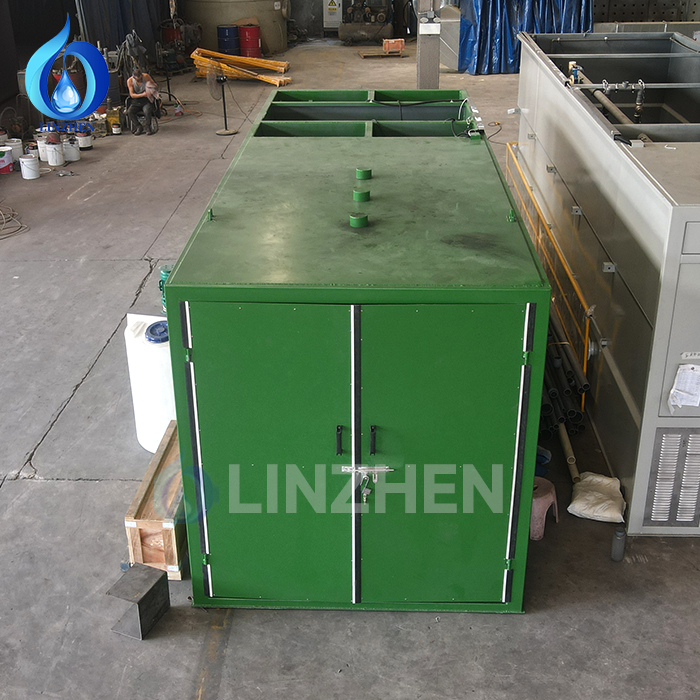
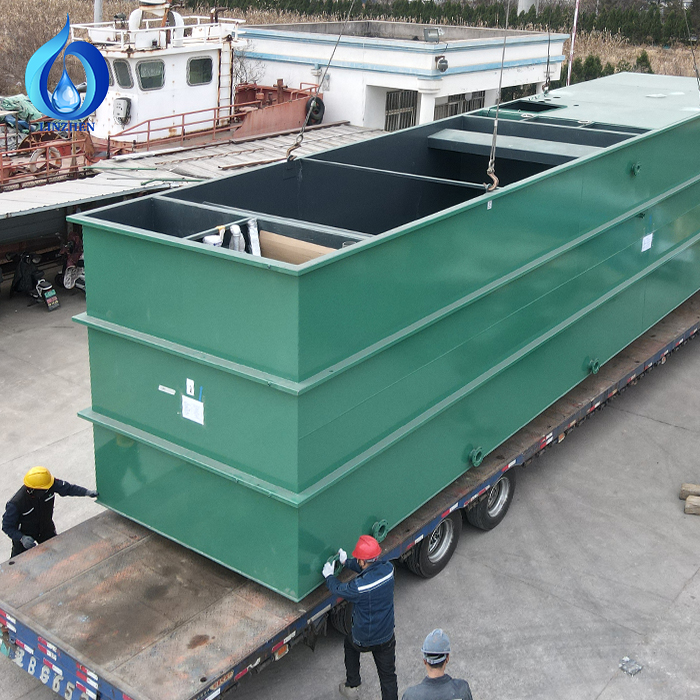
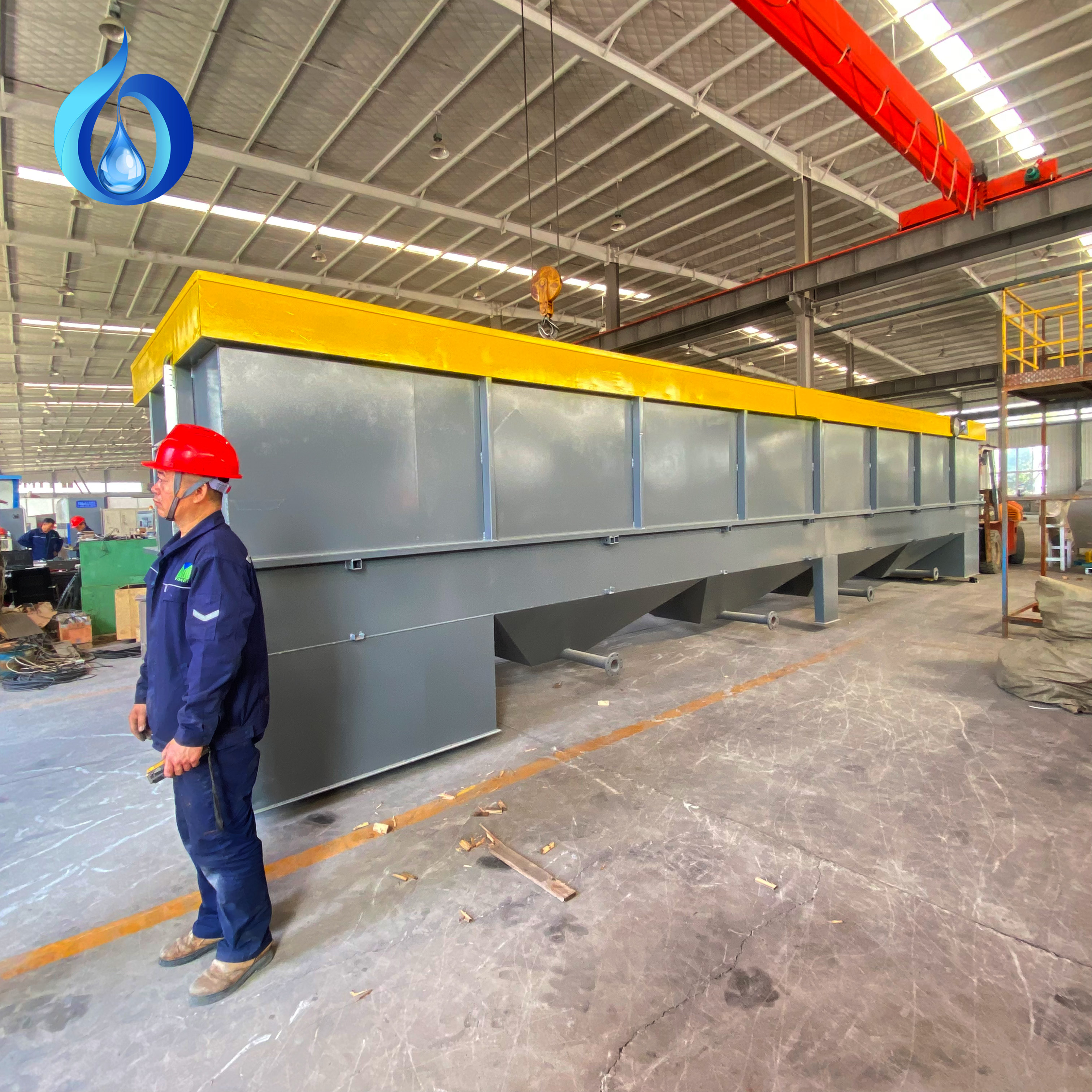
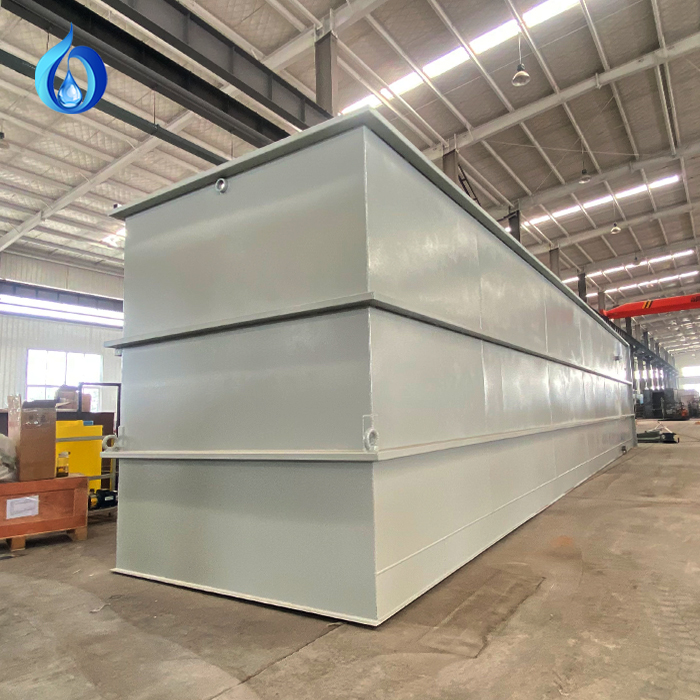
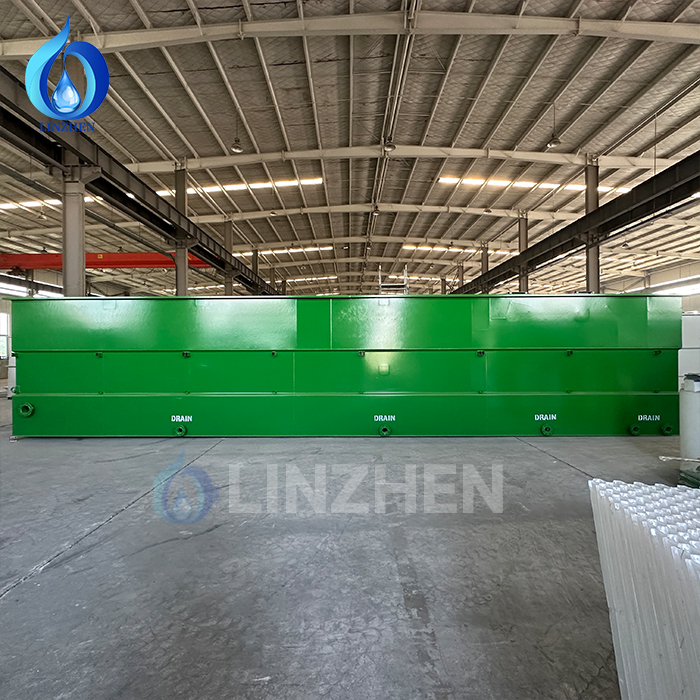
Transitioning to closed loop water reuse represents a profound technical shift for commercial manufacturing facilities worldwide. Integrating an automated wastewater recycling system enables plants to purify and recirculate process effluent directly back into operational cycles, drastically cutting reliance on external utility sources. Modern industrial leaders recognize that implementing a wastewater recycling system is an essential strategic move that transforms liquid waste from an expense into an asset. Achieving complete water circularity is fully viable when facilities deploy a purpose-built wastewater recycling system tailored to their distinct effluent profile and production volume.
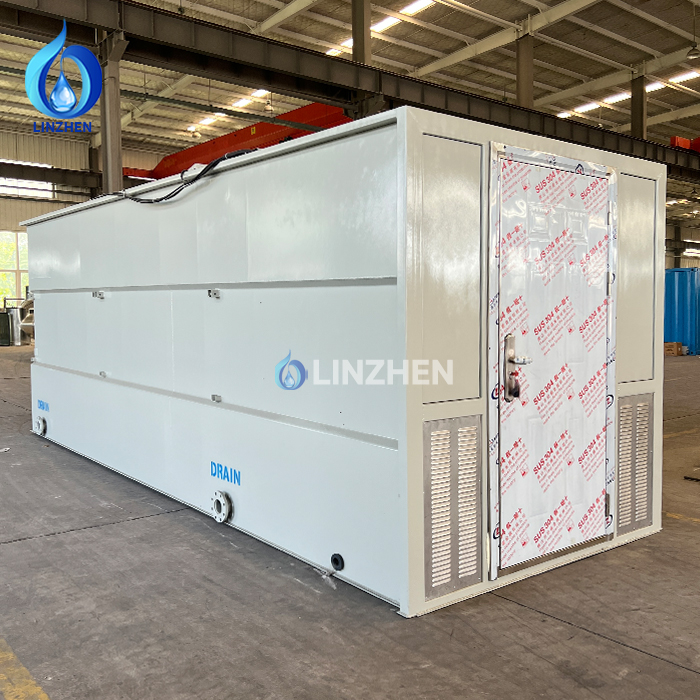
Establishing a reliable water recovery system serves as the anchor for advanced sustainable manufacturing initiatives. By collecting, filtering, and polishing process stream output, a wastewater recycling system significantly reduces daily freshwater demand while preventing municipal discharge penalties. Technology within the industrial water recycling sector has advanced rapidly, allowing factories to achieve elevated recovery percentages that make clear economic sense. Exploring how an automated wastewater recycling system performs across every purification phase demonstrates why circular water management is becoming standard practice in global manufacturing.
Core Architecture of an Advanced Wastewater Recycling System
Multi-Stage Filtration and Purification Assemblies
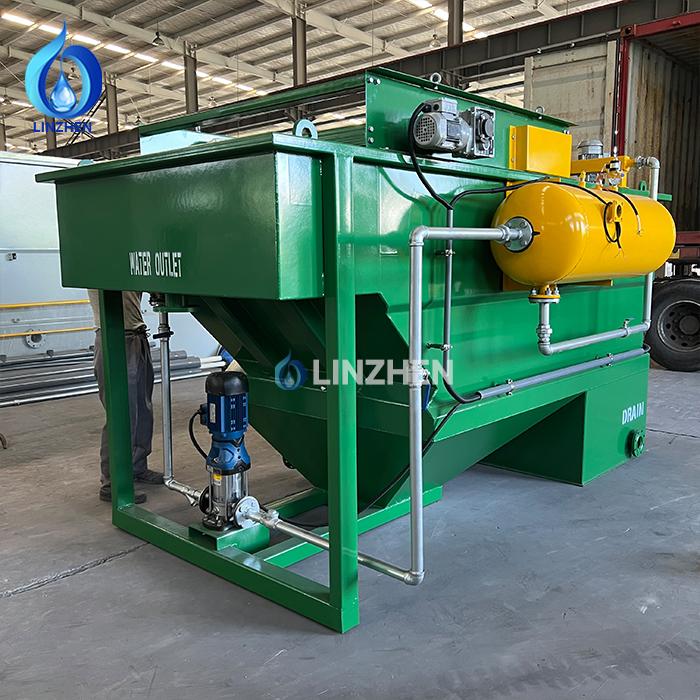
The baseline efficiency of any wastewater recycling system depends heavily on its multi-barrier treatment train. A robust water recovery system incorporates progressive separation stages—including mechanical strainers, membrane bioreactors, reverse osmosis units, and activated carbon polishing—to eliminate dissolved solids, organo-metallic compounds, and microbial species. Tailoring a wastewater recycling system depends directly on raw influent quality and the target specifications of the reused process water. Deploying advanced oxidation processes and ultraviolet lamps within the wastewater recycling system ensures the resulting permeate consistently matches or exceeds strict production purity targets.
Automated Water Quality Monitoring and Process Control
Continuous digital oversight transforms a static wastewater recycling system into an adaptive, self-regulating utility asset. Real-time sensor suites integrated across key nodes of the wastewater recycling system track pH, total dissolved solids, turbidity, oxidation-reduction potential, and biological loading. An intelligent wastewater recycling system detects parameter drifts immediately, triggering automated chemical adjustments or diversion valves before non-compliant water reaches sensitive manufacturing tools. This automated vigilance guarantees that the wastewater recycling system maintains consistent output quality, protecting downstream equipment while generating complete audit trails for compliance reporting.
Engineering Design for Zero Discharge Manufacturing Operations
System Integration and Segregated Flow Management
Reaching zero discharge manufacturing goals through a wastewater recycling system requires careful mapping of every fluid transfer pathway inside the plant. A high-efficiency wastewater recycling system evaluates seasonal volume shifts, peak manufacturing spikes, and application-specific purity needs. Effective industrial water recycling architecture isolates distinct waste streams—such as cooling tower blowdown, equipment washdown water, and boiler condensate—routing each stream through dedicated treatment modules within the wastewater recycling system. Segregating incoming streams optimizes chemical consumption and enables facilities to reduce overall municipal water withdrawal by up to 80 percent.
Storage Reservoirs, Pressurized Loops, and Reintegration Logistics
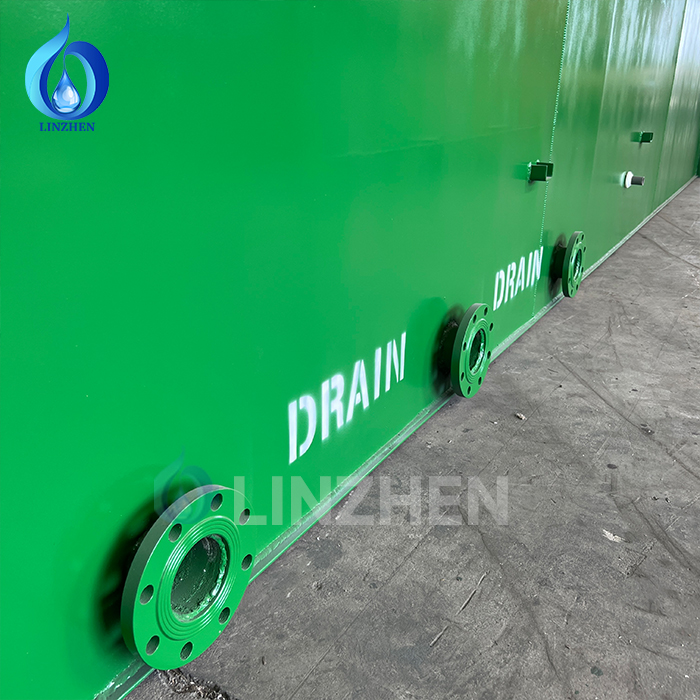
Sustained closed loop water reuse relies on seamless distribution logistics and secure intermediate storage. A heavy-duty wastewater recycling system utilizes sanitary holding tanks equipped with continuous recirculation and residual disinfection to prevent bio-film formation during storage. Distribution piping from the water recovery system must remain completely separate from potable supply lines to prevent cross-contamination. Calibrating pressure pumps and flow controllers ensures the wastewater recycling system supplies process water at precise volumes matching real-time factory demand, ensuring uninterrupted production flow.
Financial Returns and Corporate Environmental Stewardship
Capital Payback and Operational Cost Reduction Metrics
Installing an industrial wastewater recycling system yields measurable financial dividends through multiple operational channels. The primary saving stems from decreased utility water purchases, as an optimized wastewater recycling system typically lowers municipal intake volume by 40 to 70 percent. Simultaneously, a dedicated water recovery system drastically cuts municipal sewer surcharges by minimizing total liquid discharge. Over a five to ten-year lifecycle, an operational wastewater recycling system fully offsets its capital costs, accelerating return on investment while insulating the facility against escalating water utility rates.
Compliance Assurance and Environmental Performance Tracking
Regulatory bodies around the globe are continually tightening industrial discharge rules, making a wastewater recycling system an indispensable risk management tool. Demonstrating commitment to zero discharge manufacturing positions facilities favorably during municipal permit renewals and environmental inspections. Moreover, operating a wastewater recycling system shrinks the overall environmental footprint of the site, reinforcing corporate ESG ratings and stakeholder trust. Digital logs generated by the wastewater recycling system offer total transparency regarding total volume recovered, verifying sustainable resource management to regulators and consumers alike.
FAQ
What water purity standards must a wastewater recycling system maintain for closed loop water reuse?
Target purity levels depend entirely on the specific application within the plant. While cooling tower makeup handled by a wastewater recycling system accepts moderate mineral content, direct product contact requires ultra-pure permeate. Most industrial water recycling setups target turbidity under 1 NTU and zero detectable pathogens to ensure safe closed loop water reuse.
How long does commissioning a complete water recovery system take?
Implementation timelines for an enterprise wastewater recycling system range from 8 to 24 months. Standard retrofits of a water recovery system require less time, whereas comprehensive zero discharge manufacturing projects involving custom civil works and extensive piloting require longer integration periods.
Is it possible to expand an existing wastewater recycling system as production grows?
Yes, modern wastewater recycling system designs feature modular skid construction. Facilities can expand their overall industrial water recycling capacity by installing parallel membrane skids or additional storage tanks without disrupting ongoing plant operations.
 EN
EN