Modern manufacturing operations and industrial facilities face continuous pressure to lower operating expenditures while adhering to strict environmental discharge limits. Traditional water treatment methods often rely on manual sampling, periodic operator adjustments, and conservative chemical dosing strategies that drive utility and reagent expenses unnecessarily high. Adopting an automated wastewater management system provides an effective path forward by digitizing process control, refining chemical delivery, and curtailing energy use. This technology delivers reliable performance improvements while lowering daily operational costs.
The financial landscape for industrial water treatment continues to evolve under tightening regulatory frameworks and rising energy rates. Deploying an intelligent wastewater management system allows plants to monitor water parameters continuously and adjust treatment steps dynamically. By switching to dynamic control, facilities routinely reduce reagent usage by 15% to 30% and lower power demand by 20% to 40%, depending on baseline conditions and influent variability.
How a Smart Wastewater Management System Reduces Chemical Consumption
Precision Dosing and Continuous Monitoring
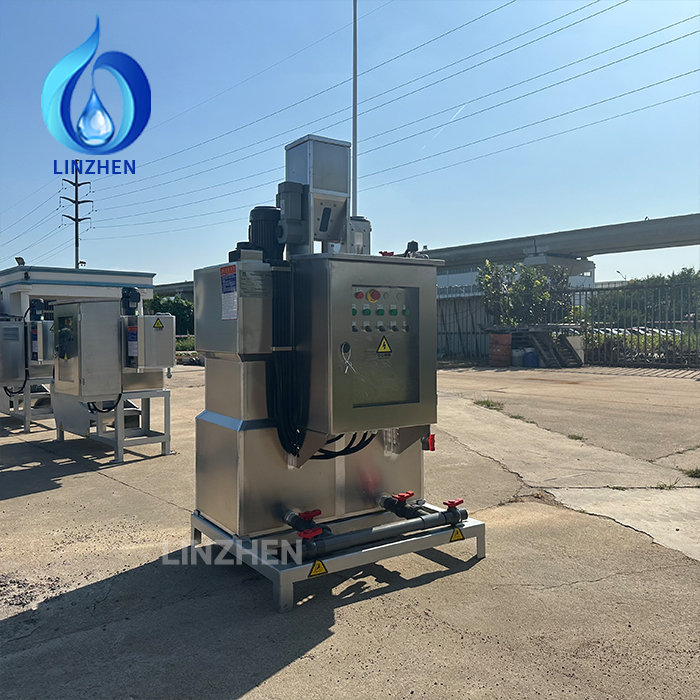
A primary advantage of a modern wastewater management system is its capacity for continuous inline tracking. Manual testing frequently leads operators to over-dose reagents to create a safety margin against sudden water quality changes. In contrast, an integrated wastewater management system uses networked sensors to monitor key indicators such as pH, oxidation-reduction potential, and turbidity continuously. The system automatically regulates chemical pumps to match live readings, preventing expensive over-dosing while maintaining steady compliance.
Targeted Reagent Application and Waste Reduction
Chemical overuse remains a significant source of operational waste in treatment plants. A computerized wastewater management system employs algorithms to evaluate real-time influent rates and contaminant loads. By adapting dosage rates based on historical operational data and live trends, the wastewater management system eliminates static dosing practices. This targeted application minimizes excess chemical carryover, protecting downstream equipment and reducing sludge volume generation.
Energy Savings Through Intelligent Automation
Optimized Aeration Control and Pump Management
Aeration drives a substantial portion of total electrical consumption in biological treatment setups. An advanced wastewater management system aligns blower operation with actual dissolved oxygen demand rather than running equipment on fixed timers. During low-load cycles, the wastewater management system scales down airflow rates to conserve electricity. Furthermore, automated variable frequency drives match pump speeds to incoming flow volumes, eliminating unnecessary energy consumption across pumping stages.
Predictive Maintenance and Equipment Longevity
Ongoing data collection within a wastewater management system supports proactive maintenance scheduling. By analyzing performance trends in pumps, blowers, and valves, the wastewater management system identifies mechanical degradation before catastrophic failure occurs. Maintaining equipment at peak efficiency lowers total power consumption, prevents unexpected plant downtime, and extends the overall service life of valuable infrastructure assets.
Operational Benefits Beyond Direct Cost Savings
Enhanced Regulatory Compliance and Stability
Beyond direct utility and reagent savings, a dedicated wastewater management system improves overall process stability. Automated adjustments maintain target effluent quality despite fluctuations in raw wastewater composition. This reliable stability reduces the risk of non-compliance events, minimizing potential fines and safeguarding plant licenses. Operational teams gain confidence knowing the wastewater management system responds immediately to process upsets.
Data-Driven Process Optimization
The continuous data streams collected by a wastewater management system provide valuable operational visibility. Facility managers can evaluate performance history, locate process bottlenecks, and refine control logic using verified metrics. This data-driven insight enables ongoing process refinement, allowing plants to maximize throughput and maintain cost efficiency over long operating periods.
Implementation Strategy and Return on Investment
Payback Horizons and Financial Impact
Investing in an automated wastewater management system typically yields strong financial returns through reduced operating costs. Larger industrial sites with high chemical and energy demands often achieve capital payback within two to three years. When factoring in reduced maintenance overhead, lower labor demands, and extended equipment lifespan, the total economic benefit of a wastewater management system extends well past initial expenditure recovery.
Retrofitting Existing Infrastructure
Upgrading to a smart wastewater management system does not require replacing intact processing tanks or civil works. Modern automation suites integrate directly with existing infrastructure via field sensors, automated control valves, and centralized PLC panels. This modular retrofit approach enables plants to introduce smart monitoring systematically, minimizing disruption to daily operations while immediately capturing efficiency gains.
FAQ
Which chemical types are optimized by a wastewater management system?
An automated wastewater management system controls dosing for coagulants, polymers, neutralizers, oxidants, and anti-foaming agents. By continuously matching chemical feed rates to real-time process demands, the wastewater management system reduces excess consumption across every chemical feed line.
Can a wastewater management system run without daily manual intervention?
A smart wastewater management system performs routine monitoring, parameter adjustment, and safety shutdowns autonomously. However, regular operator oversight remains recommended for preventative maintenance, sensor recalibration, and managing abnormal influent events outside standard design parameters.
What is the typical timeframe to deploy a wastewater management system?
Most retrofit wastewater management system projects require three to six months from engineering design through final commissioning. Timelines vary based on site complexity, existing electrical infrastructure, and the extent of sensor integration required across the treatment train.
 EN
EN