The question of whether a sludge dewatering machine can handle both organic and chemical sludge is critical for wastewater treatment facilities planning capital investments. Many operators wonder if a single sludge dewatering machine can perform reliably across diverse feedstock types or if separate equipment is necessary. Modern sludge dewatering machine technology is engineered to process both organic sludge and chemical sludge, but performance varies based on sludge composition, moisture content, and processing parameters. Understanding these distinctions helps facility managers select the right sludge dewatering machine for their operational needs and avoid equipment downtime during daily wastewater sludge treatment.
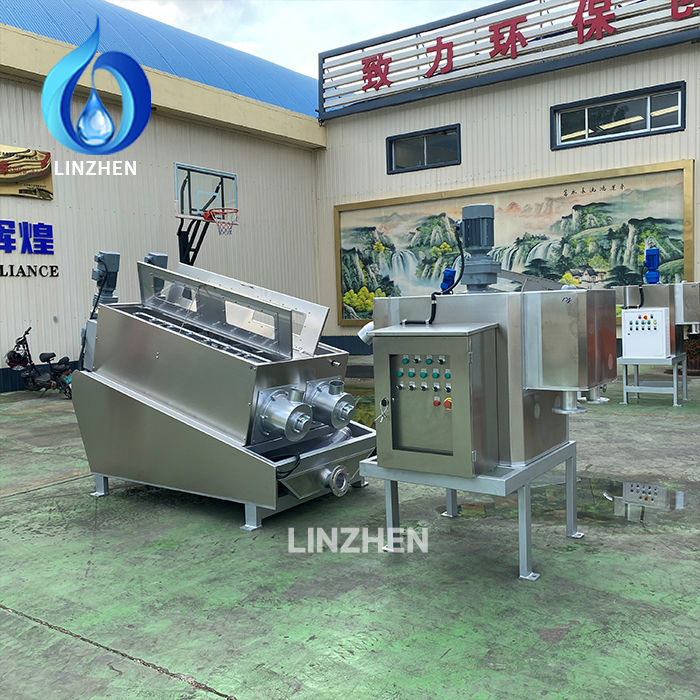
A properly specified sludge dewatering machine combines mechanical compression, screw pressure, and cake discharge mechanisms to separate liquid from solid matter across various sludge types. The effectiveness of any sludge dewatering machine depends on design robustness, polymer conditioning compatibility, and adjustment flexibility. This article explores whether a single sludge dewatering machine can achieve high sludge dewatering versatility across organic and chemical sludge, the technical factors determining success, and practical guidance for optimizing performance in mixed-feedstock scenarios.
Understanding Sludge Dewatering Machine Capability and Feedstock Variability
How Sludge Dewatering Machines Process Different Sludge Types
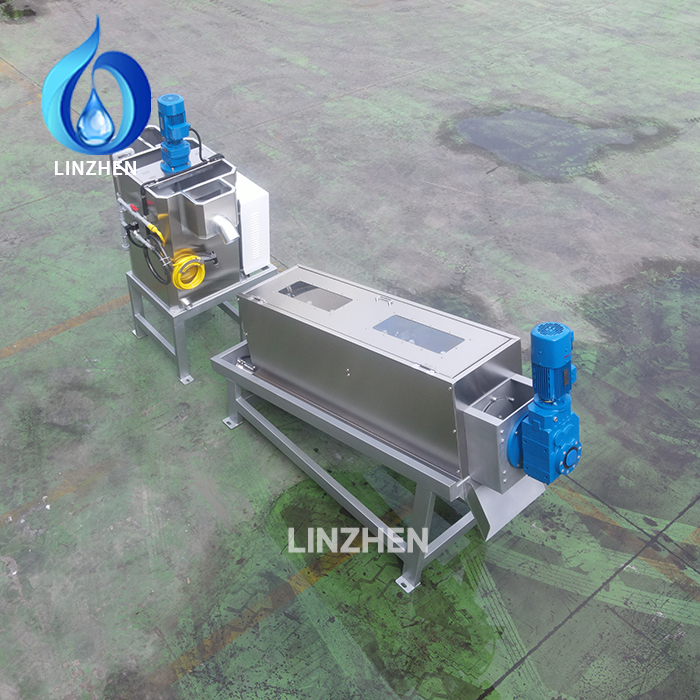
A sludge dewatering machine operates by forcing sludge through a tapered screw mechanism, where increasing pitch compresses and separates liquid from solid cake. The core principle behind any sludge dewatering machine remains identical regardless of whether feedstock is organic or chemical. The primary difference lies in how sludge responds to mechanical stress and whether conditioning chemicals are required for optimal separation in the sludge dewatering machine. Organic sludge from biological processes requires careful polymer dosing during organic sludge dewatering, whereas chemical sludge from precipitation processes responds differently to the same sludge dewatering machine settings during chemical sludge dewatering.
Physical and Chemical Characteristics Affecting Performance
Organic sludge contains microbial biomass and bound water, making it more compressible but difficult to dewater without conditioning. A sludge dewatering machine designed for organic sludge dewatering must accommodate higher moisture content and potential foam generation. Chemical sludge has distinct particle size distributions, allowing a sludge dewatering machine engaged in chemical sludge dewatering to achieve higher dry solids in cake output readily. Upstream chemical dosing directly impacts how effectively the sludge dewatering machine separates solids. A versatile sludge dewatering machine includes adjustable back pressure, variable screw speed, and flexible polymer injection points.
Technical Requirements for Dual-Feedstock Sludge Dewatering Machine Operation
Design Features That Enable Sludge Dewatering Machine Versatility
Modern sludge dewatering machine designs incorporate several features that permit effective processing of both organic and chemical sludge without equipment replacement. Screw geometry in a robust sludge dewatering machine uses progressive pitch design providing optimal compression ratios, enhancing overall sludge dewatering versatility. Control systems on an advanced sludge dewatering machine allow operators to adjust differential speed, modify back pressure, and modulate polymer feed rates in real time. These adjustments enable the sludge dewatering machine to maintain consistent cake dryness even when feedstock properties change. The drive mechanism of an industrial sludge dewatering machine must handle peak torque loads without thermal stress.
Conditioning and Polymer Chemistry Compatibility
The success of any sludge dewatering machine depends on proper chemical conditioning upstream. Effective organic sludge dewatering requires cationic polymers, allowing the sludge dewatering machine to aggregate biological solids. Conversely, chemical sludge dewatering involving alum or ferric chloride may require different polymer types, but a sludge dewatering machine equipped with adjustable polymer injection systems accommodates multiple strategies. Ensuring the sludge dewatering machine receives conditioned feed at a stable flow rate allows internal mechanisms to function optimally during wastewater sludge treatment.
Operational Considerations and Performance Trade-Offs
Throughput and Cake Dryness When Running Mixed Feedstock
A sludge dewatering machine handling both organic and chemical sludge must balance maximum throughput against cake dryness. When conducting organic sludge dewatering, the sludge dewatering machine may operate at lower speeds with higher back pressure to achieve solids capture. In contrast, chemical sludge dewatering can be executed at higher speeds, allowing the sludge dewatering machine to maximize throughput. The specific sludge dewatering machine model determines the operating envelope where both feedstock types are processed with acceptable results.
Maintenance and Wear Patterns Across Sludge Types
Mechanical wear patterns in a sludge dewatering machine vary by feedstock. Organic sludge can generate sticky cake that adheres to screw flights in the sludge dewatering machine. Chemical sludge with sand causes abrasive wear on the screw surfaces of a sludge dewatering machine. A well-designed sludge dewatering machine should include wear-resistant coatings. Facilities benefit from a sludge dewatering machine equipped with instrumentation that monitors torque and vibration during wastewater sludge treatment, enabling early detection of wear or blockage issues.
Practical Implementation and Selection Guidance
Assessing Your Facility's Actual Feedstock Mix
Before selecting a sludge dewatering machine, facilities must assess how often organic and chemical sludge will be processed. If generating predominantly organic sludge, a sludge dewatering machine optimized for organic sludge dewatering is economical. If handling equal volumes, investing in a robust sludge dewatering machine with advanced controls is justified. The sludge dewatering machine specifications should detail back pressure ratings, screw speed ranges, and data demonstrating sludge dewatering versatility.
Commissioning and Operator Training for Optimal Results
Successful operation of a sludge dewatering machine processing both sludge types depends on thorough commissioning. Vendors should document baseline performance curves for each feedstock. Personnel must understand how to adjust parameters when switching between organic sludge dewatering and chemical sludge dewatering streams. A trained operator views the sludge dewatering machine as an adaptable system requiring parameter management during wastewater sludge treatment.
FAQ
Can a single sludge dewatering machine handle rapid feedstock switching?
Yes, most modern sludge dewatering machine units handle transitions with 15 to 30 minutes of parameter adjustment. When switching from organic to chemical sludge on a sludge dewatering machine, operators modify polymer dosage and adjust screw speed differential before returning to full throughput during wastewater sludge treatment.
What are the main limitations of using one sludge dewatering machine for both sludge types?
The primary limitation of a single sludge dewatering machine is that it cannot simultaneously optimize for both feedstock properties. Organic sludge dewatering requires lower screw speeds, while chemical sludge dewatering processes faster, so a single sludge dewatering machine must compromise on both operating profiles.
How do I know if my sludge dewatering machine is properly conditioned for either feedstock?
Proper conditioning on a sludge dewatering machine is indicated by consistent cake dryness, clear filtrate, and smooth motor torque. Organic sludge dewatering yields cohesive cake, while chemical sludge dewatering produces granular cake. Monitoring filtrate turbidity ensures your sludge dewatering machine operates reliably and demonstrates true sludge dewatering versatility.
 EN
EN