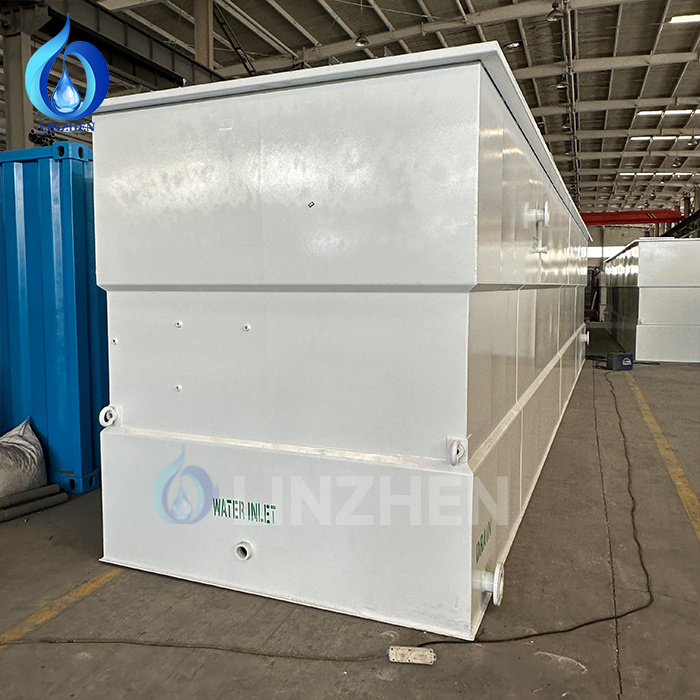
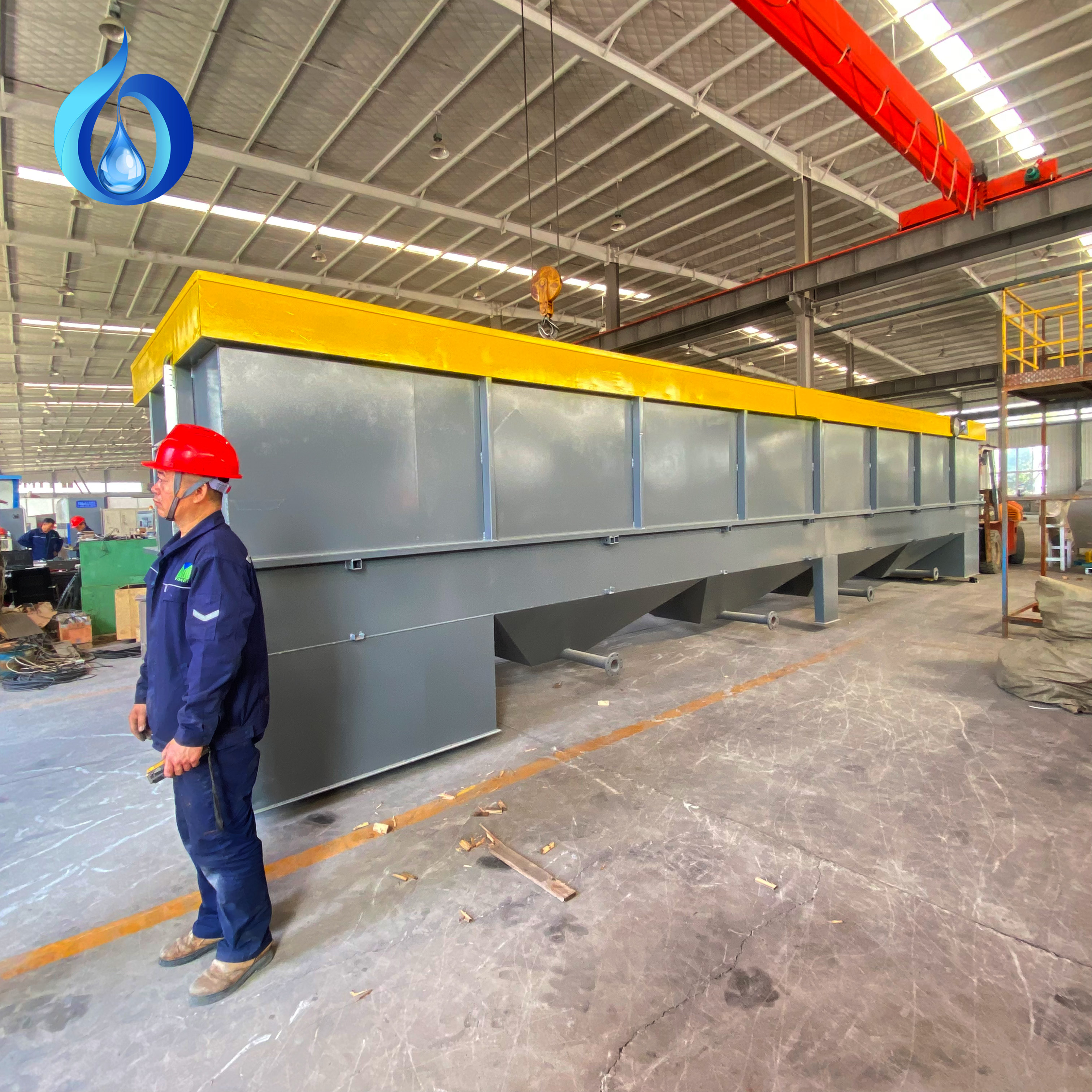
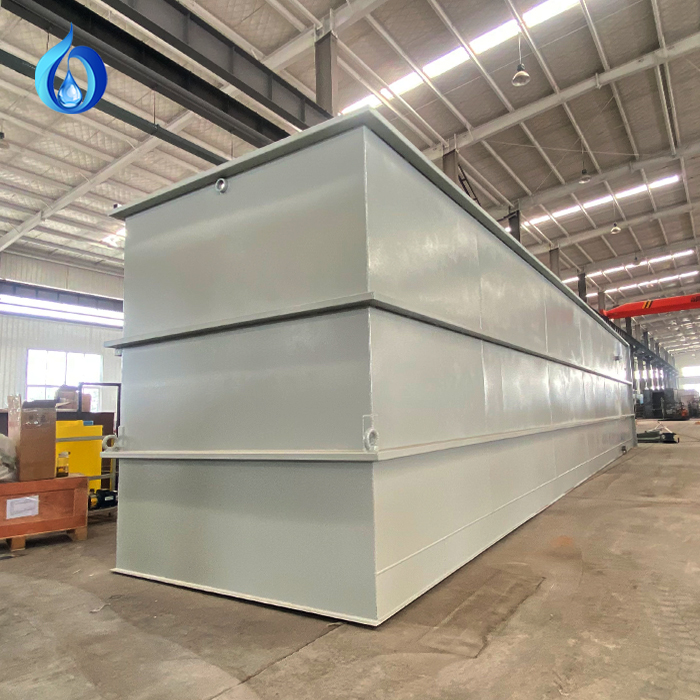
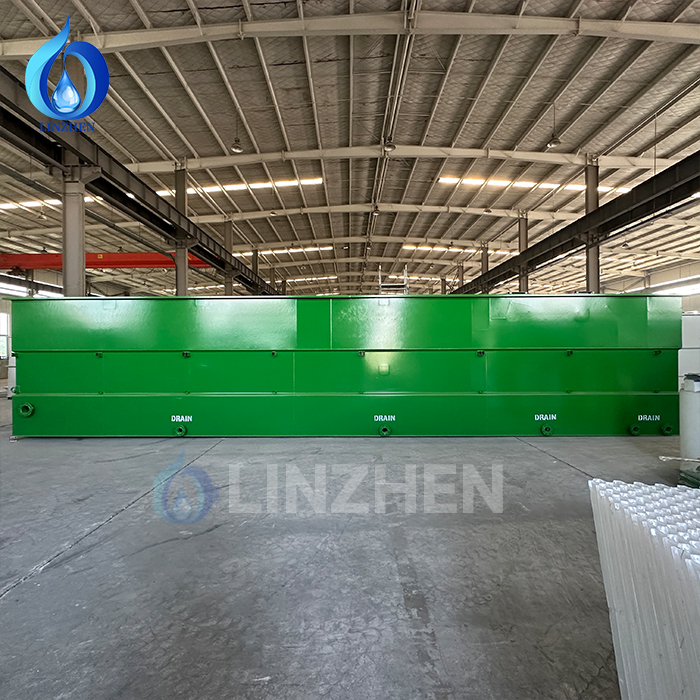
Remote and isolated locations present unique challenges for infrastructure development, particularly when establishing reliable environmental management systems. A modular sewage treatment plant offers a transformative solution that addresses these challenges by combining portability, scalability, and rapid deployment capabilities. Unlike traditional fixed installations that require extensive site preparation and lengthy construction timelines, a sewage treatment plant built on modular principles can be transported, assembled, and operational in significantly shorter timeframes. This capability has become essential for industries operating in geographically challenging regions, temporary work sites, and areas where conventional infrastructure development proves economically unfeasible or logistically impossible.
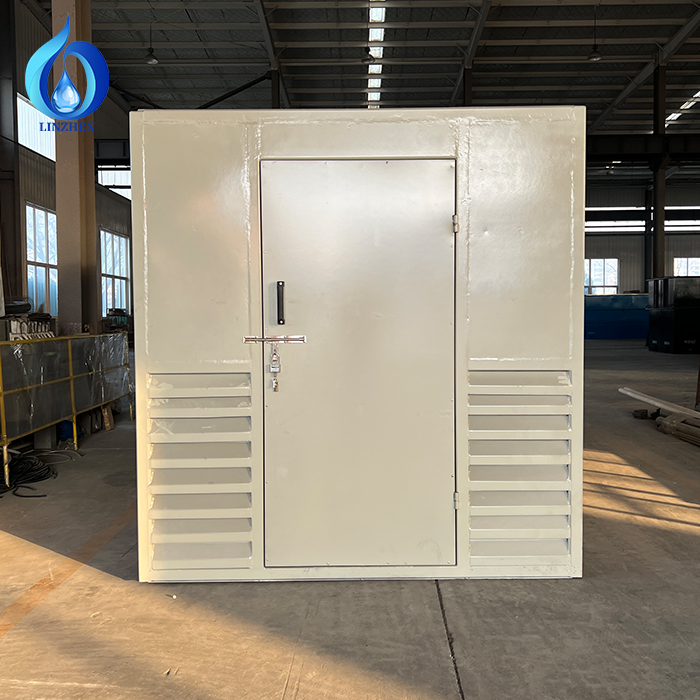
The fundamental question facing project managers, environmental compliance officers, and facility developers is whether a sewage treatment plant can truly be deployed rapidly without compromising treatment effectiveness or regulatory compliance. The answer is unequivocally yes, provided that the modular design incorporates proven treatment technologies, robust engineering principles, and pre-engineered standardization. Today's advanced modular sewage treatment plant solutions combine biological treatment processes, physical-chemical treatment stages, and sophisticated monitoring systems into self-contained units that maintain full treatment efficacy while dramatically reducing installation timelines from months to weeks or even days.
Core Advantages of Rapid Deployment Modular Systems
Accelerated Installation and Operational Timeline
The primary advantage of a modular sewage treatment plant lies in its pre-fabricated, standardized design approach. Unlike conventional treatment facilities that demand extensive civil works, custom piping configurations, and site-specific construction, modular units arrive at remote locations with major components already fabricated, tested, and certified. A sewage treatment plant designed with modularity can be installed within days rather than months, allowing organizations to meet environmental regulations without prolonged operational delays. The setup process typically involves positioning the units on a prepared foundation, connecting utility lines, and performing system validation tests. This streamlined approach is particularly valuable in remote regions where construction labor availability is limited and extended site operations create logistical and financial burdens.
Flexibility for Varying Site Conditions
Remote sites rarely offer ideal conditions for conventional infrastructure. A sewage treatment plant with modular architecture accommodates variable terrain, limited space, and challenging environmental factors without requiring extensive site modifications. The modular sewage treatment plant can be sized to match specific flowrates and configured to address local environmental conditions, whether water scarcity, extreme temperatures, or soil composition challenges. This adaptability ensures that organizations can deploy treatment solutions that remain effective across diverse geographical contexts. The modular framework also simplifies future expansion; as site operations scale or regulatory requirements evolve, additional treatment modules can be integrated without dismantling existing infrastructure.
Technical Design Principles for Rapid Deployment
Pre-Engineered Treatment Processes
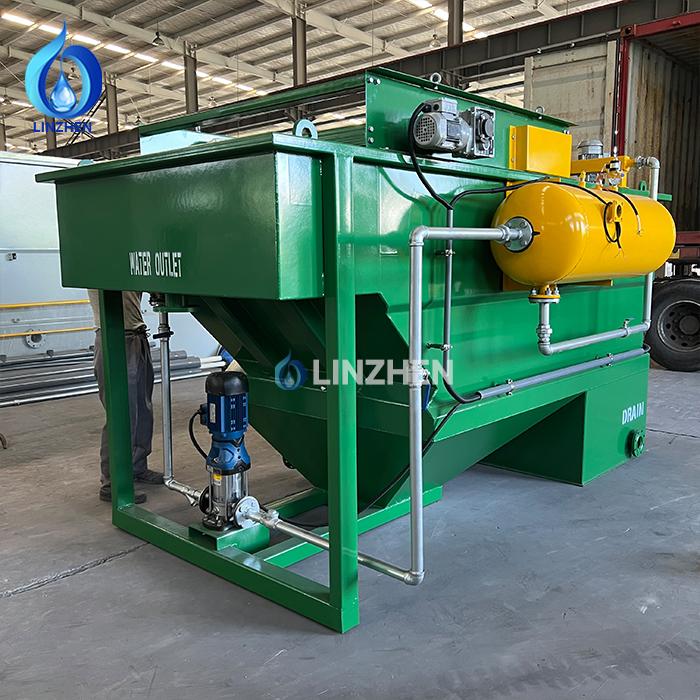
A sewage treatment plant built for rapid deployment relies on proven, standardized treatment sequences that eliminate design uncertainty and installation variability. Most modular designs incorporate preliminary treatment stages that remove solids and gross contaminants, followed by biological treatment processes optimized for the most common wastewater characteristics. The sewage treatment plant modules are engineered with factory-tested controls, automated operation sequences, and integrated monitoring systems that begin functioning immediately upon startup. This pre-validation approach eliminates extended commissioning periods and reduces the technical expertise required for system initiation. Engineers can confidently predict treatment performance because the modular sewage treatment plant operates under standardized conditions established during factory testing.
Integration and Connectivity Standards
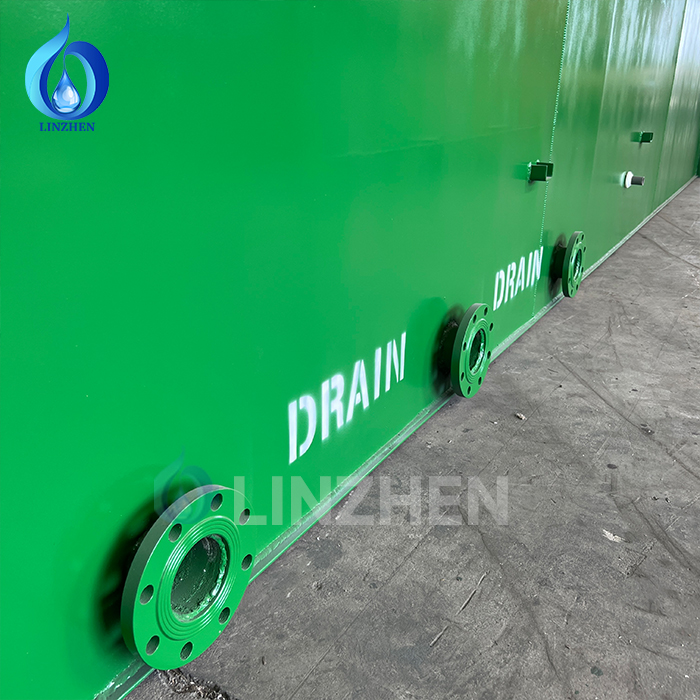
Successful rapid deployment of a sewage treatment plant depends on standardized connection points, utility interfaces, and control system protocols. Modular units are designed with universal inlet/outlet configurations, standardized electrical requirements, and compatible monitoring interfaces that allow technicians to complete installations with minimal customization. The sewage treatment plant's integrated systems communicate through established protocols, ensuring seamless operation across multiple connected modules. This standardization dramatically reduces site-specific engineering work, allowing teams to follow proven installation sequences without expensive customization or extended design iterations. Standardized components also simplify spare parts management and maintenance operations throughout the system's operational life.
Practical Implementation in Remote Environments
Overcoming Logistical Obstacles
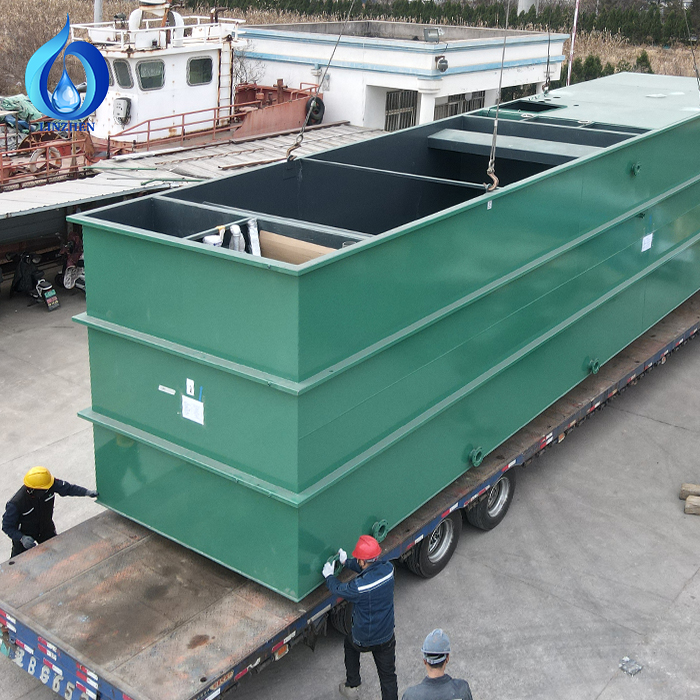
Deploying infrastructure in remote locations involves substantial logistical complexity, from site access and equipment transportation to supply chain management and technical support. A modular sewage treatment plant addresses these challenges through reduced site footprint, simplified installation procedures, and self-contained operational independence. The sewage treatment plant can be transported via standard logistics networks and positioned at remote sites using minimal heavy equipment. Because installation timelines compress from months to weeks, supply chain disruptions have reduced impact, and on-site workforce requirements decrease substantially. The modular design also enables staged deployment strategies, where initial treatment capacity can begin operation while subsequent modules are being positioned or integrated.
Environmental and Regulatory Compliance
Remote sites frequently operate under strict environmental monitoring requirements, and rapid deployment cannot compromise compliance standards. A sewage treatment plant designed with modularity maintains full treatment efficacy through integrated biological and physical-chemical processes that meet contemporary discharge standards. The sewage treatment plant incorporates automated monitoring systems that track treatment performance continuously, generating compliance documentation and alerting operators to any performance deviations. Pre-engineered treatment sequences and validated performance specifications ensure that the modular units consistently achieve required treatment levels without extended optimization or troubleshooting periods. This combination of rapid deployment and reliable performance allows organizations to establish compliant operations immediately while meeting environmental stewardship obligations.
FAQ
How quickly can a modular sewage treatment plant become operational after arrival at a remote site?
Most modular designs achieve operational status within 3 to 14 days from the time units arrive at the site, depending on site preparation readiness and utility availability. A sewage treatment plant with standardized installation procedures can bypass lengthy construction phases because primary components arrive pre-fabricated and factory-tested. Actual startup timelines depend on site foundation preparation, electrical connection completion, and initial system validation. Organizations should coordinate site readiness in advance to minimize waiting time once the sewage treatment plant modules arrive at the remote location.
Does rapid deployment of a modular sewage treatment plant reduce treatment reliability or regulatory compliance?
No. A sewage treatment plant designed for rapid modularity maintains full treatment effectiveness through proven, standardized process designs and factory-validated performance specifications. The sewage treatment plant undergoes rigorous testing before delivery, ensuring that treatment processes perform reliably from initial startup. Integrated monitoring systems provide continuous compliance documentation and performance verification. Rapid deployment reflects manufacturing and installation efficiency rather than any compromise in treatment technology or environmental performance standards.
Can a modular sewage treatment plant be expanded if site operations grow beyond initial capacity requirements?
Yes, the modular architecture of a sewage treatment plant specifically enables capacity expansion through additional treatment modules integrated alongside existing units. A sewage treatment plant's standardized design allows new modules to connect seamlessly to operating systems without disrupting existing treatment processes. This expandability ensures that organizations can scale treatment capacity in response to operational growth, changing regulatory requirements, or increased wastewater volumes. The modular framework transforms infrastructure expansion from a major reconstruction project into a straightforward addition of standardized units.
 EN
EN