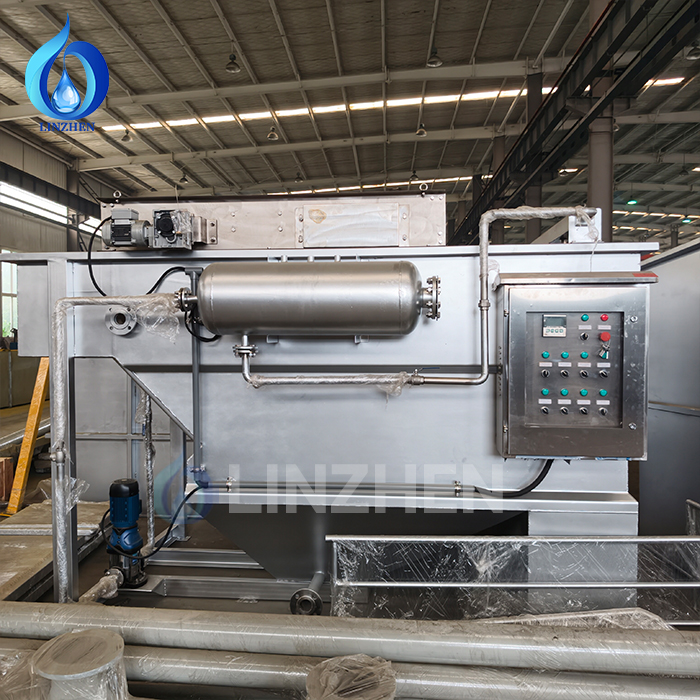
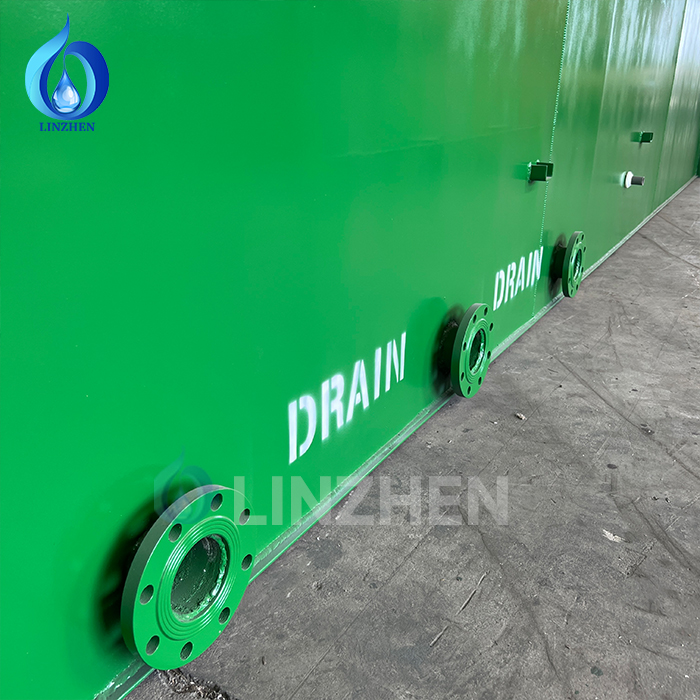
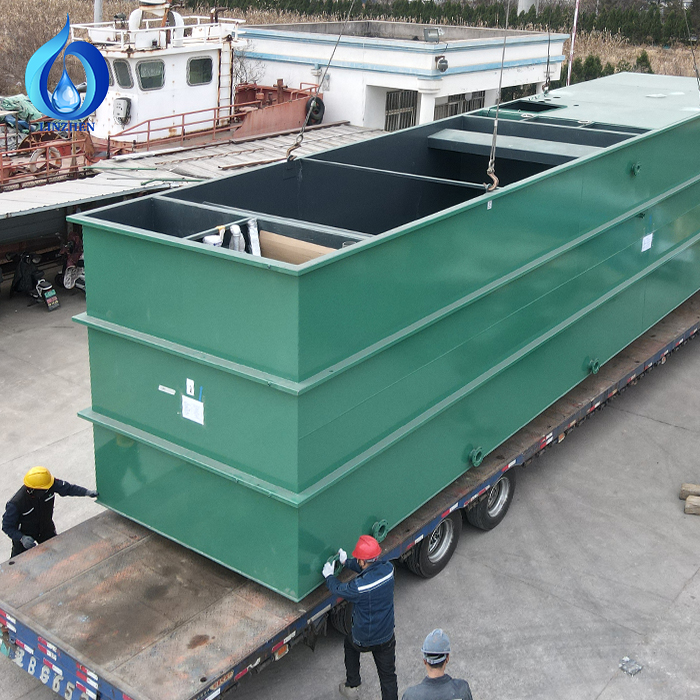
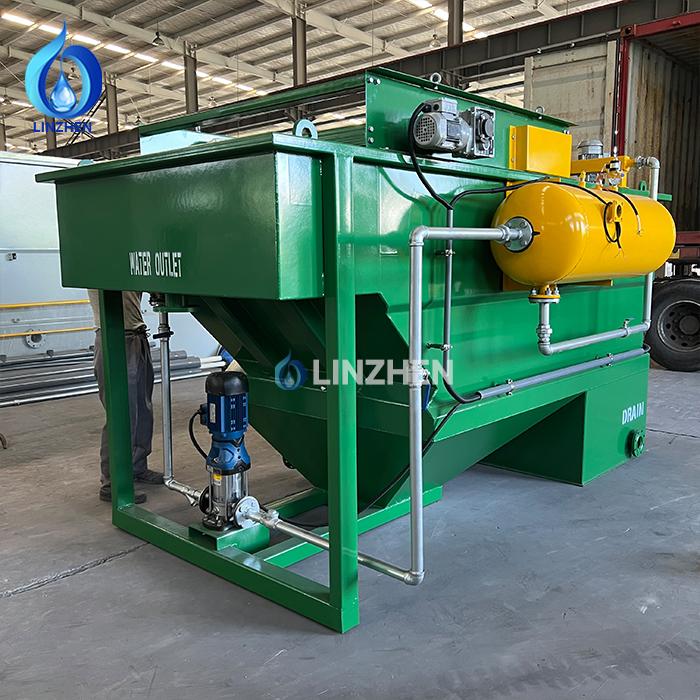
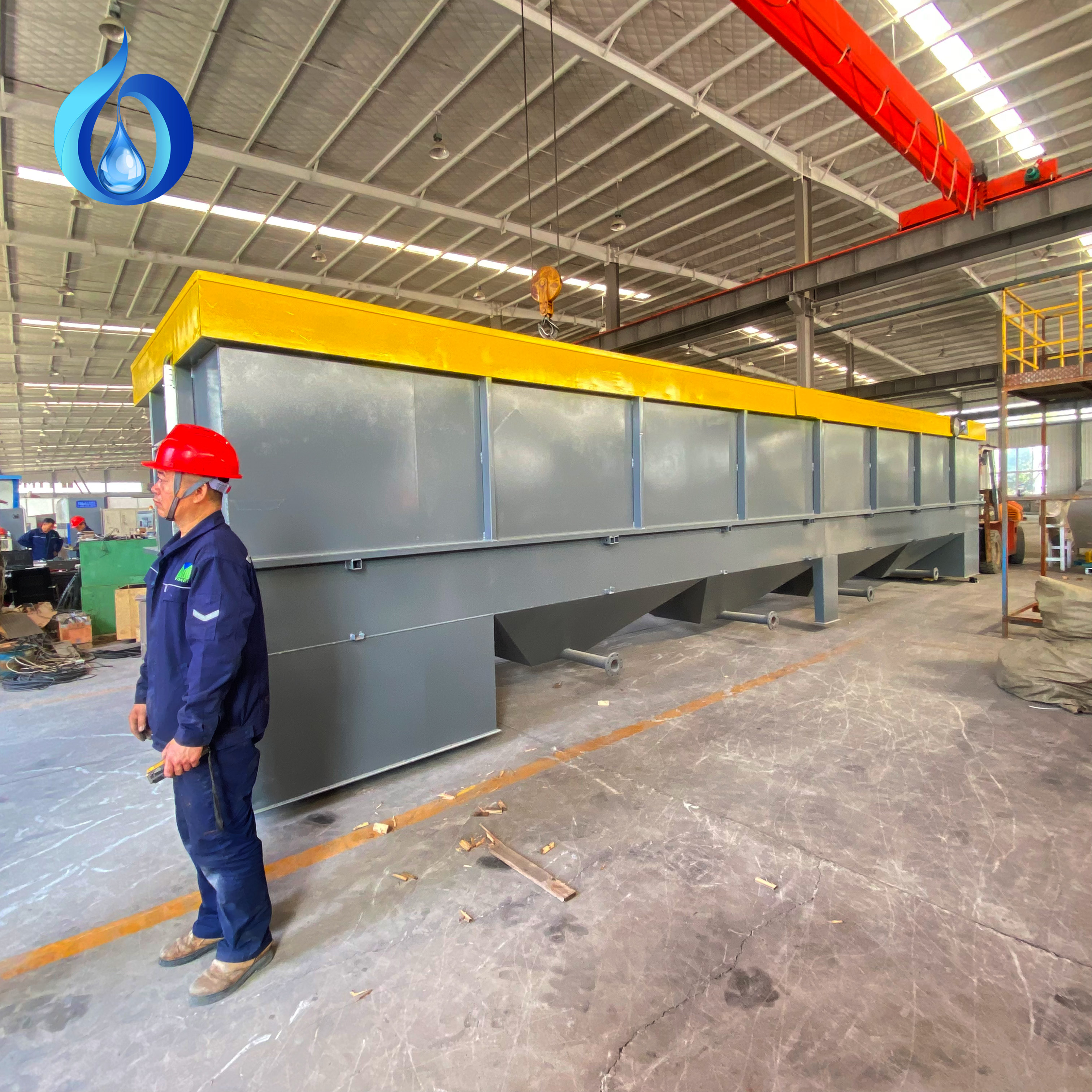
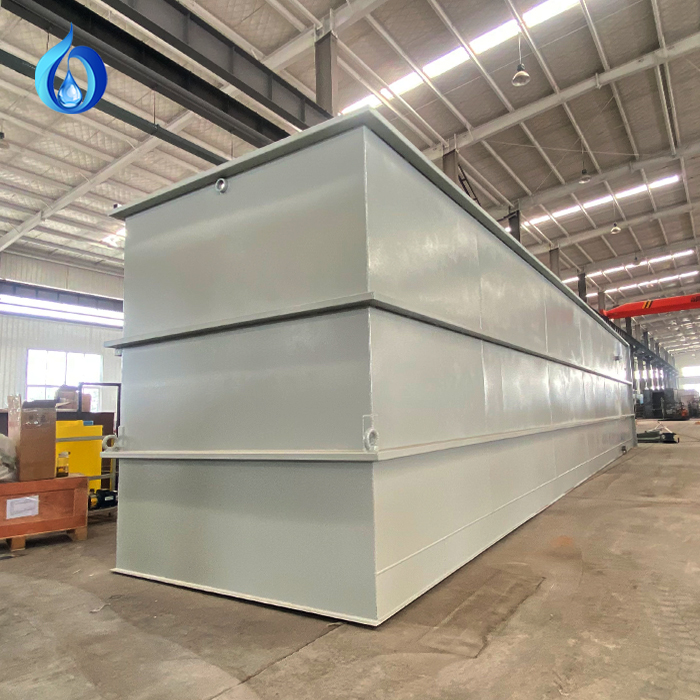
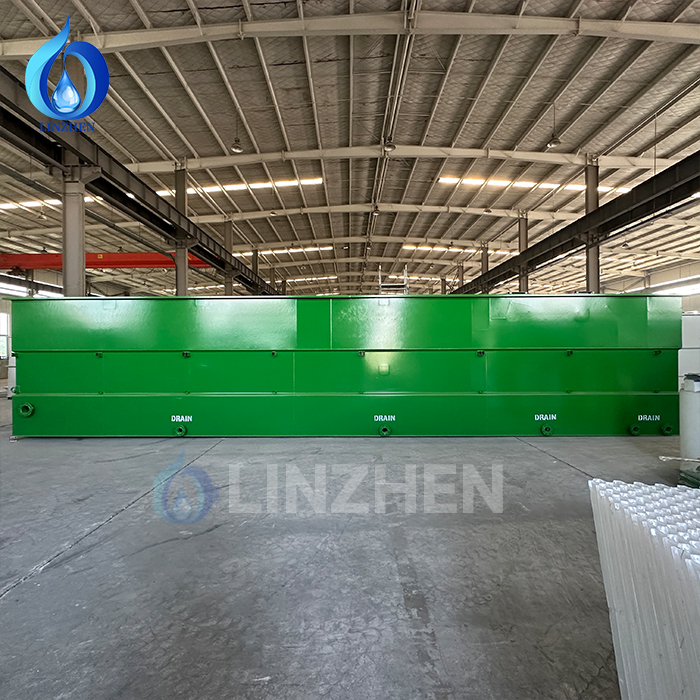
Modern industrial wastewater treatment relies heavily on the dissolved air flotation system to clarify raw water by extracting suspended solids, free oils, and organic sludge. However, when manufacturing output expands, facility operators must evaluate whether their existing dissolved air flotation system can absorb doubled or tripled intake rates without degrading effluent quality. Successfully expanding a dissolved air flotation system demands precise hydraulic recalculations, tailored pressurization upgrades, and balanced retention dynamics rather than simple physical tank enlargement.
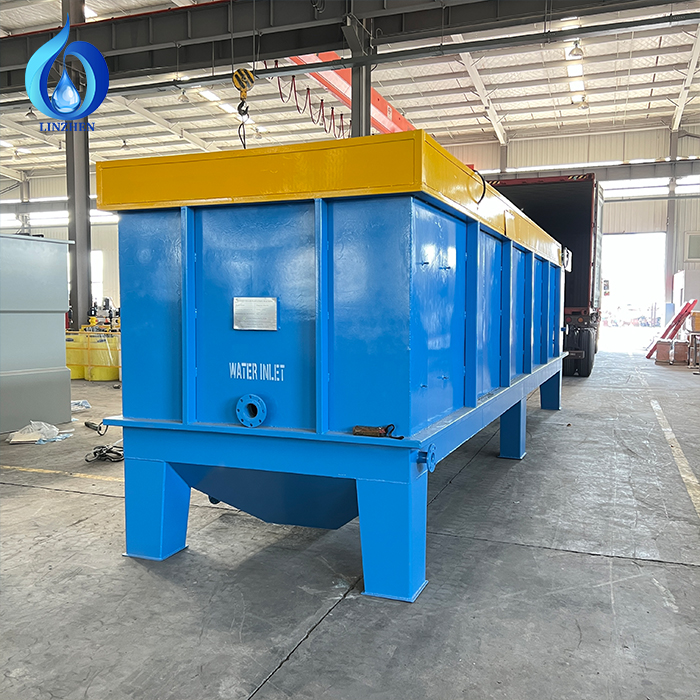
Scaling up a dissolved air flotation system requires preserving fundamental separation parameters—specifically the surface loading rate, air-to-solids ratio, and microbubble distribution uniformities. Transitioning from small pilot units to full-scale operations involves re-engineering internal fluid velocity, bubble-floc agglomeration zones, and pressure release manifolds. By systematically approaching each structural component, engineers can increase volumetric throughput while maintaining full environmental compliance and minimizing capital expenditures.
Core Hydraulic Principles for Scaling a Dissolved Air Flotation System
Managing Surface Loading Rates and Basin Geometries
The surface loading rate dictates how efficiently microbubbles elevate particulates to the tank surface. For an optimal dissolved air flotation system, loading values typically range between 3 and 5 gallons per minute per square foot. When high-volume flows enter a dissolved air flotation system without adequate surface area expansion, vertical rising velocities drop, carrying flocculated solids directly into clarified effluent streams. Expanding a dissolved air flotation system requires widening basin cross-sections to preserve horizontal hydraulic velocities rather than merely lengthening the tank structure.
Balancing Retention Dynamics and Overflow Rates
Solid-liquid separation inside a dissolved air flotation system depends on maintaining a 15-to-20-minute hydraulic retention window. Scaling up a dissolved air flotation system to handle 300 gallons per minute instead of 100 gallons per minute requires expanding active liquid volume proportionally to 4,500 gallons. Excessive overflow velocities disrupt delicate microbubble-particle bonds within the clarification chamber. Maintaining consistent horizontal overflow rates inside an expanded dissolved air flotation system prevents turbulent drag, ensuring stable sludge blanket formation across fluctuating influent loads.
Pressurization and Microbubble Saturation Engineering
Upgrading Air Saturation Pump and Pressure Vessel Assemblies
The air saturation pump serves as the operational engine for every dissolved air flotation system, generating microbubbles between 10 and 50 microns. A standard dissolved air flotation system requires 6 to 8 pounds of pressurized air per pound of incoming suspended solids, operating between 60 and 80 psi. Expanding plant capacity requires matching upgrades to the air saturation pump to maintain sufficient gas dissolution rates. Operating an enlarged dissolved air flotation system with undersized aeration equipment causes inadequate bubble densities, leading to incomplete particulate flotation.
Refining Recirculation Ratios and Manifold Depressurization
Effective separation in a dissolved air flotation system requires recycling 5% to 10% of clarified water back through pressurized saturation loops. As a dissolved air flotation system scales upward, engineers must recalculate recirculation pump output to maintain proper gas-to-solid ratios. Utilizing multi-point manifold diffusers prevents localized bubble coalescence in high-flow environments. Distributing microbubbles evenly across wider tank cross-sections ensures that an expanded dissolved air flotation system eliminates short-circuiting paths and cleans high-volume streams consistently.
Strategic Integration and Operations for Scaled Facilities
Modular Expansion Approaches and Parallel Basin Designs
Deploying modular parallel units often provides greater operational flexibility than building a single massive dissolved air flotation system. Staggering multiple identical dissolved air flotation system trains allows operators to take individual units offline for maintenance without shutting down entire production lines. Industrial wastewater treatment projects benefit from modular dissolved air flotation system layouts, scaling capacity incrementally while preserving proven tank fluid dynamics, chemical mixing profiles, and skimmer collection efficiencies.
Automated Instrumentation and Real-Time Process Control
High-capacity operations rely on automated monitoring to stabilize performance across shifting raw water conditions. Integrating pressure transmitters, digital flow sensors, and automated polymer dosing pumps allows a dissolved air flotation system to auto-adjust saturation parameters dynamically. Precise PLC control minimizes chemical consumption and energy use across high-volume runs. Investing in modern instrumentation transforms a scaled dissolved air flotation system into a reliable, self-regulating treatment asset for demanding industrial applications.
Frequently Asked Questions
Does scaling up a dissolved air flotation system compromise solid removal rates?
Separation efficiency remains stable when scaling a dissolved air flotation system, provided engineers maintain design surface loading rates, retention times, and saturation ratios. Multi-stage distribution manifolds and automated controls often allow scaled installations to outperform original pilot setups.
Can existing dissolved air flotation system tanks be retrofitted for higher capacity?
Existing tanks cannot be enlarged without altering critical internal hydraulics. While upgrading the air saturation pump, chemical dosing units, or skimmer assemblies improves internal separation efficiency, handling significantly larger volumetric flows typically requires adding modular parallel tanks or expanding physical basin footprints.
How long does it take to commission a scaled dissolved air flotation system?
Commissioning a scaled dissolved air flotation system generally takes 4 to 8 weeks following delivery. This timeline includes structural positioning, piping integration, air saturation pump calibration, PLC programming, and performance validation trials.
 EN
EN