Modern cities face an unprecedented challenge: managing wastewater efficiently while operating within severely limited space constraints. Traditional surface-mounted sewage treatment plant installations require substantial land area, which becomes increasingly impractical in densely populated urban environments where every square meter carries premium value. Underground sewage treatment plant solutions have emerged as a viable answer to this spatial dilemma, offering municipalities and developers an innovative pathway to maintain environmental compliance without sacrificing valuable real estate. This comprehensive guide explores whether underground sewage treatment plant technology truly delivers the flexibility that packed cities desperately need.
The demand for compact wastewater management solutions continues accelerating across metropolitan areas worldwide. Cities built on limited landmass, such as island nations and downtown urban cores, cannot afford to allocate expansive zones solely for sewage treatment plant operations. Underground sewage treatment plant installations address this constraint by utilizing vertical space and subsurface areas beneath roadways, parks, parking facilities, and building footprints. Understanding the practical viability, economic implications, and technical performance of underground sewage treatment plant systems is essential for urban planners, municipal administrators, and property developers who must balance environmental responsibility with spatial efficiency.
How Underground Sewage Treatment Plants Work in Dense Urban Environments
Subterranean Installation Design and Spatial Efficiency
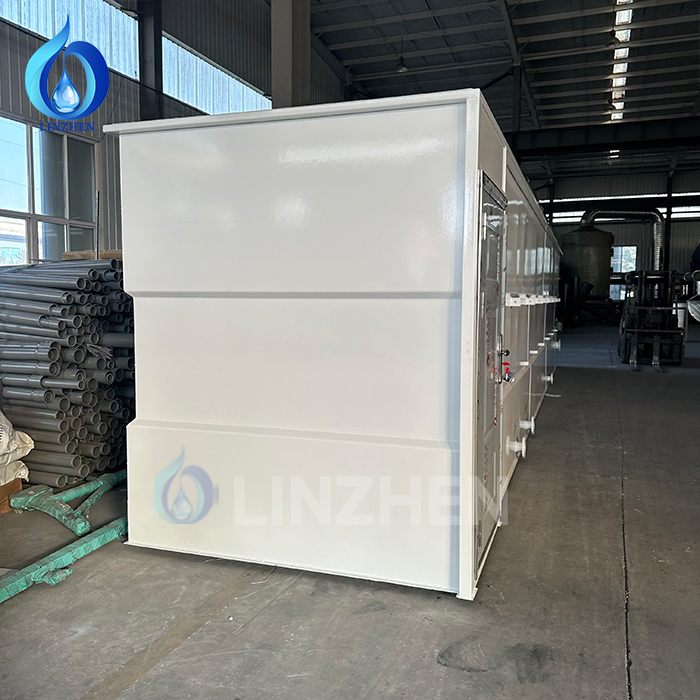
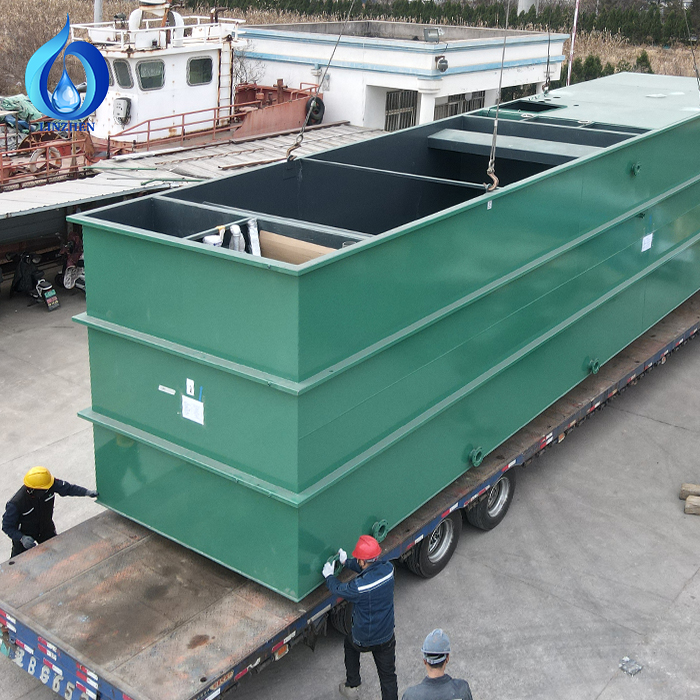
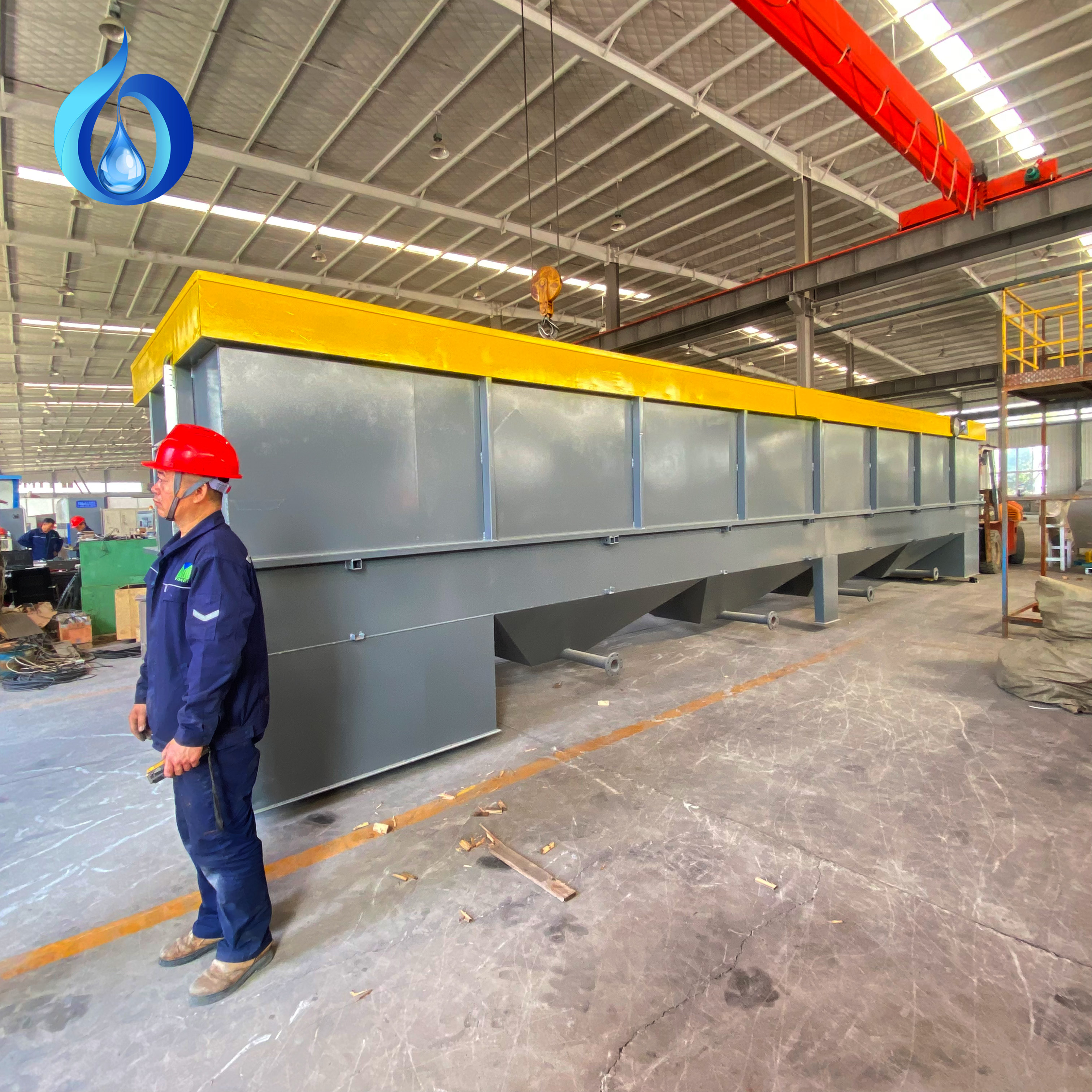
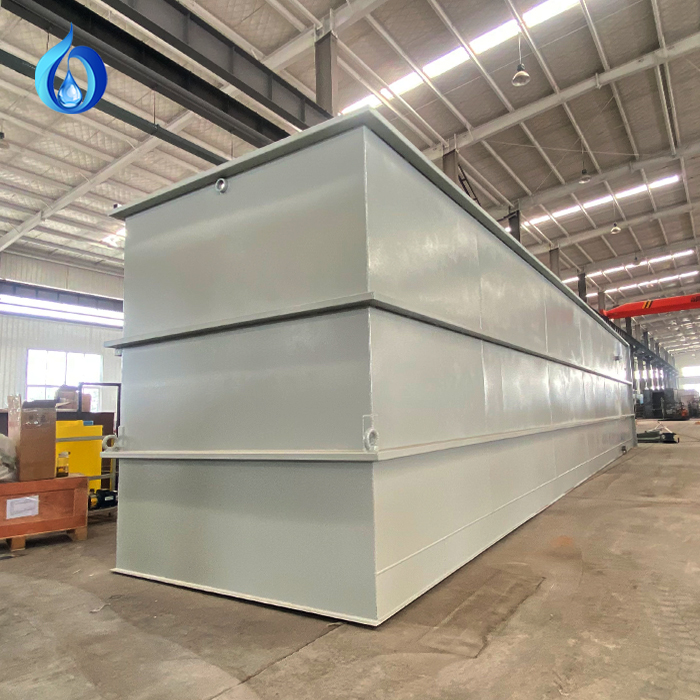
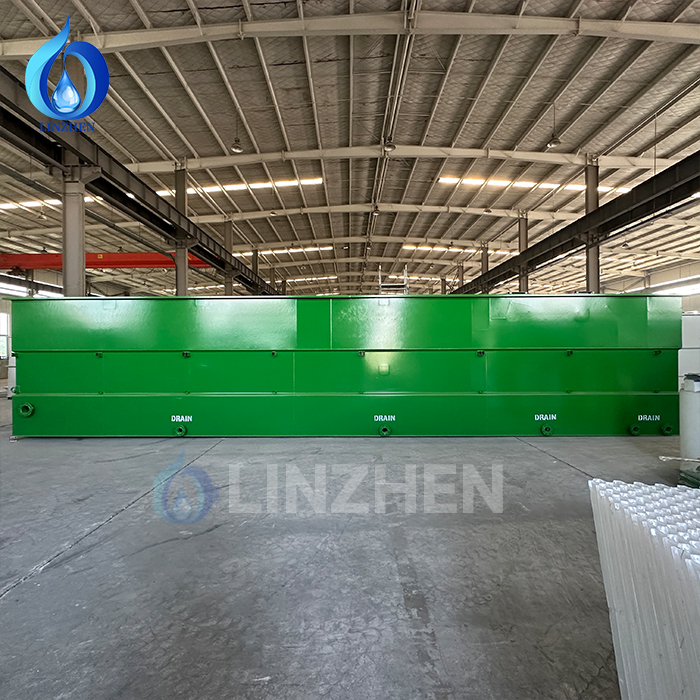
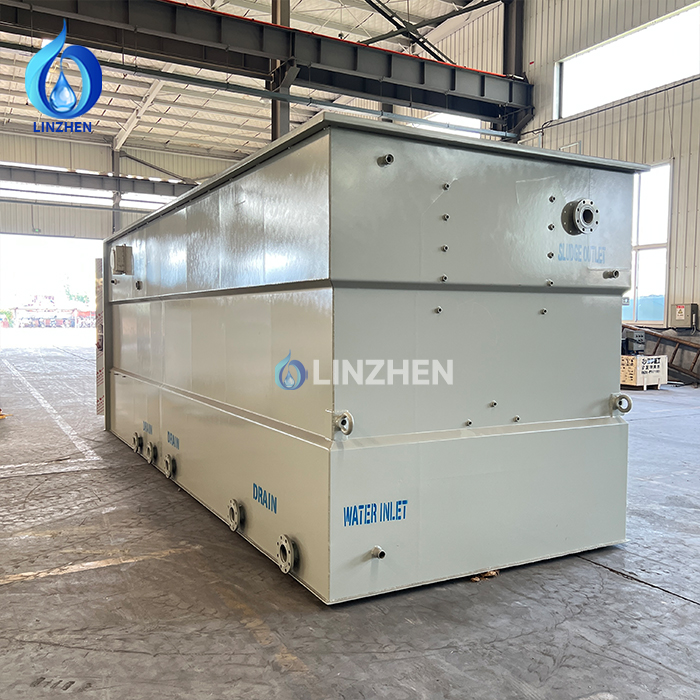
Underground sewage treatment plant configurations differ fundamentally from conventional surface installations in their structural approach and spatial utilization strategy. A modern underground sewage treatment plant uses compact modular chambers, vertical clarifiers, and integrated treatment stages to process wastewater within a confined footprint beneath street level or building foundations. The sewage treatment plant operates through multiple integrated treatment zones including mechanical screening, biological treatment, settling, and disinfection, all contained within a unified underground structure. This vertical integration allows a sewage treatment plant to handle substantial daily volumetric capacity while occupying only a fraction of the land area required by surface-based alternatives. The containerized design of contemporary underground sewage treatment plant systems enables precise factory construction, quality control testing, and straightforward installation at designated urban sites.
Operational Mechanics and Treatment Efficiency
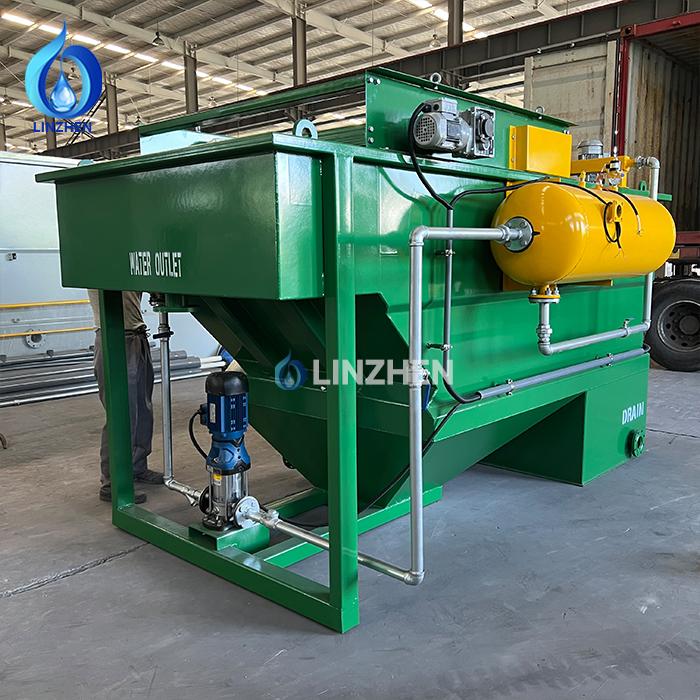
The underground sewage treatment plant treatment process begins when incoming wastewater enters preliminary screening chambers that remove large solids and debris before the flow reaches primary treatment stages. Within the underground sewage treatment plant, biological reactors cultivate microorganisms that decompose organic contaminants, mimicking natural purification processes at accelerated rates within controlled conditions. The sewage treatment plant incorporates settling zones where suspended solids separate from clarified effluent, while integrated treatment membranes or filtration systems provide final polishing before discharge or reuse. Aeration systems within the underground sewage treatment plant pump oxygen into treatment chambers to sustain aerobic microbial activity, supported by advanced sensor monitoring and automated process control. The compact underground sewage treatment plant design maintains treatment efficacy comparable to much larger surface installations through optimized treatment residence times and engineered flow distribution patterns.
Space and Environmental Advantages of Underground Sewage Treatment Plants
Maximizing Urban Land Use and Property Value
The most compelling advantage of an underground sewage treatment plant installation lies in its minimal surface footprint, which preserves valuable urban real estate for productive commercial, residential, or recreational purposes. A sewage treatment plant buried beneath ground level can operate beneath parking areas, green spaces, or underutilized subsurface zones, eliminating the traditional choice between environmental compliance and land development. In densely packed cities where property costs reach premium levels, an underground sewage treatment plant represents a space-efficient solution that enables developers to capture additional building area or maintain public amenities rather than dedicating extensive zones to wastewater infrastructure. Municipal planners implementing an underground sewage treatment plant can protect neighborhood character, maintain visual aesthetics, and preserve developable land that would otherwise be consumed by surface treatment facilities. The economic value of preserved urban land often justifies the elevated capital investment required for underground sewage treatment plant construction and installation.
Odor Control, Environmental Protection, and Community Acceptance
Traditional surface-mounted sewage treatment plant operations generate characteristic odors, noise, and visual impacts that create friction between utilities and adjacent residential or commercial communities. An underground sewage treatment plant eliminates these nuisance factors by containing all treatment processes beneath grade, with sealed chambers and enclosed aeration systems that prevent odor migration into surrounding neighborhoods. The sewage treatment plant design incorporates biofilter layers and activated carbon ventilation systems that neutralize volatile organic compounds before air is released, protecting air quality and community relations. An underground sewage treatment plant also reduces fugitive emissions, prevents accidental chemical spills from impacting adjacent properties, and maintains consistent treatment performance despite weather exposure variations. Modern underground sewage treatment plant installations meet stringent environmental regulations while enabling neighborhoods to coexist peacefully with essential wastewater infrastructure.
Practical Constraints and Implementation Considerations for Urban Sewage Treatment Plants
Capital Investment, Construction Complexity, and Timeline Requirements
Implementing an underground sewage treatment plant involves substantially higher initial capital expenditure compared to conventional surface-based treatment facilities, primarily due to excavation costs, specialized construction logistics, and reinforced structural requirements for subsurface installations. The sewage treatment plant construction process necessitates precise site characterization, groundwater management, and coordination with existing underground utilities that complicate scheduling and increase project oversight requirements. Deep excavation for an underground sewage treatment plant requires specialized heavy equipment, shoring systems, and environmental controls that elevate construction expenses beyond simple assembly of modular treatment components. The timeline for designing, permitting, and constructing an underground sewage treatment plant typically extends beyond surface alternatives, delaying revenue generation or service commencement in time-sensitive development projects. Municipal agencies considering an underground sewage treatment plant must evaluate whether long-term operational savings, preserved property value, and community benefits justify the elevated front-end investment and extended implementation timeline.
Maintenance Access, Monitoring, and Technical Service Requirements
Operating an underground sewage treatment plant introduces unique maintenance challenges related to equipment accessibility, inspection protocols, and emergency repair logistics that differ substantially from surface installations. Technicians servicing an underground sewage treatment plant must navigate confined spaces, utilize specialized lifting and material handling equipment, and follow rigorous safety procedures that increase labor costs and extend maintenance duration. The sewage treatment plant monitoring systems must incorporate redundant sensors, remote diagnostic capabilities, and automated alarm systems since direct visual observation of subsurface treatment processes becomes impractical. Replacement of worn components within an underground sewage treatment plant requires careful planning and coordination to minimize service disruptions, often necessitating partial facility shutdowns or bypass pumping arrangements. Advanced process automation and predictive maintenance capabilities integrated into modern underground sewage treatment plant designs help mitigate these operational complexities, though specialized technical expertise and dedicated service contracts remain essential for reliable performance.
FAQ
Are underground sewage treatment plants suitable for all city sizes and population densities?
Underground sewage treatment plant viability depends on specific urban contexts including population density, available subsurface conditions, groundwater levels, and economic conditions. Extremely compact cities with severe space constraints and high property values benefit most from underground sewage treatment plant installations, while smaller municipalities with adequate available land may find conventional surface facilities more economically practical. A sewage treatment plant underground proves particularly valuable in established urban cores where retrofitting becomes necessary within built environments lacking expansion capacity. Soil composition, bedrock depth, and flooding risk must be assessed before committing to an underground sewage treatment plant, as unfavorable hydrogeological conditions can eliminate the option entirely.
How does treatment performance compare between underground and surface sewage treatment plants?
Modern underground sewage treatment plant designs achieve treatment performance equivalent to surface installations when properly engineered and operated, as the treatment mechanism depends on process chemistry and microbiology rather than installation location. An underground sewage treatment plant can meet or exceed regulatory discharge standards for pollutant removal, pathogen elimination, and effluent quality when equipped with appropriate treatment stages and automated process controls. The sewage treatment plant performance remains consistent year-round since underground installation provides environmental insulation from temperature fluctuations and seasonal weather variations that affect surface facilities. Regular monitoring, preventive maintenance, and skilled operational management remain essential regardless of whether the sewage treatment plant operates above or below grade.
What cost recovery mechanisms support underground sewage treatment plant investments in packed urban areas?
Underground sewage treatment plant projects often derive economic justification from multiple revenue streams including recovered property development value, preserved commercial real estate premiums, and avoided costs associated with land acquisition for surface facilities. Municipalities may fund underground sewage treatment plant installations through green infrastructure bonds, developer contribution agreements, or public-private partnerships that distribute capital costs across benefiting stakeholders. Long-term operational cost savings, reduced chemical treatment requirements, and minimized environmental compliance risks accumulate over a sewage treatment plant's operational lifespan, gradually recovering the elevated initial investment. Property owners constructing a sewage treatment plant underground benefit from maintained neighborhood aesthetics, sustained adjacent property values, and enhanced community acceptance compared to visible surface treatment infrastructure.
 EN
EN