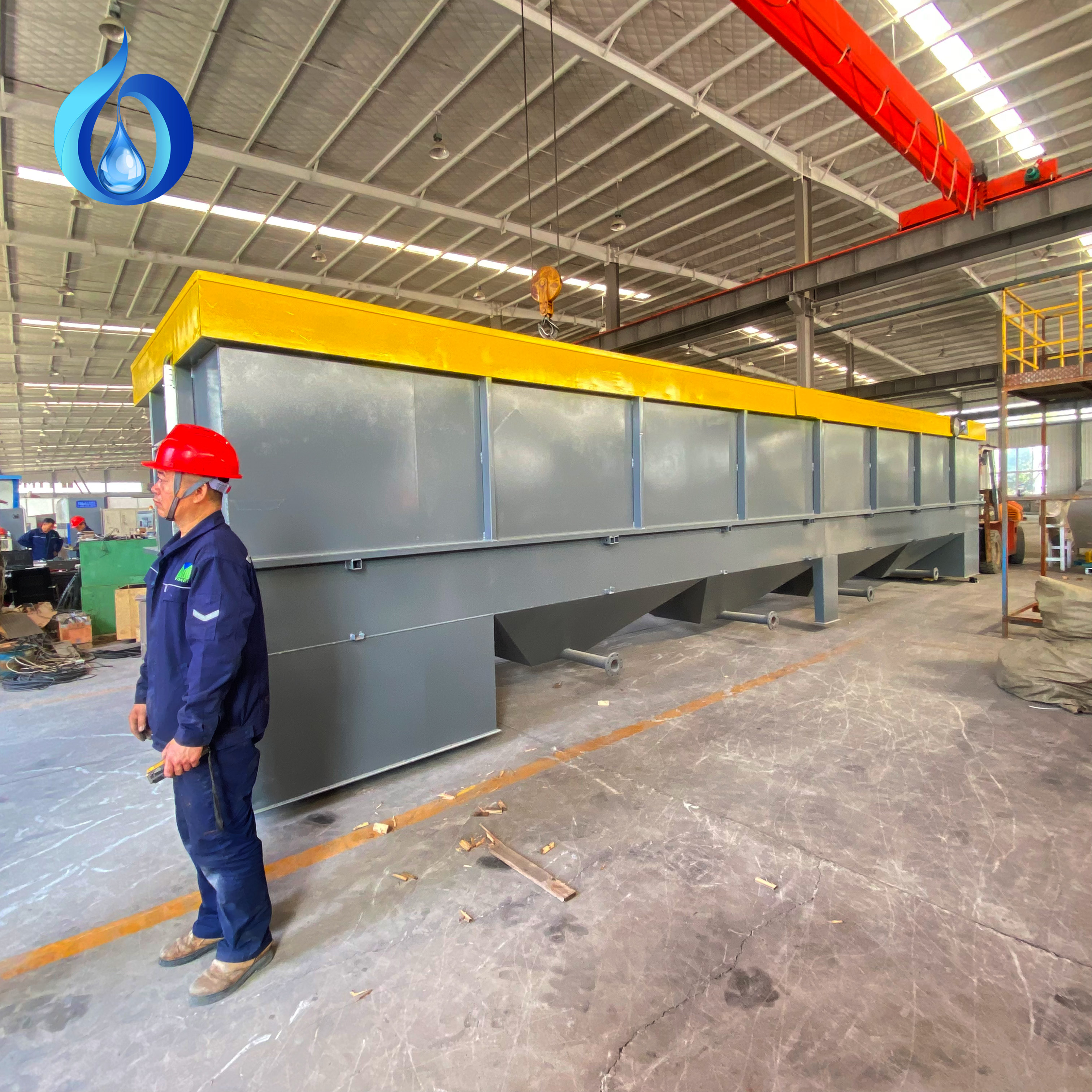
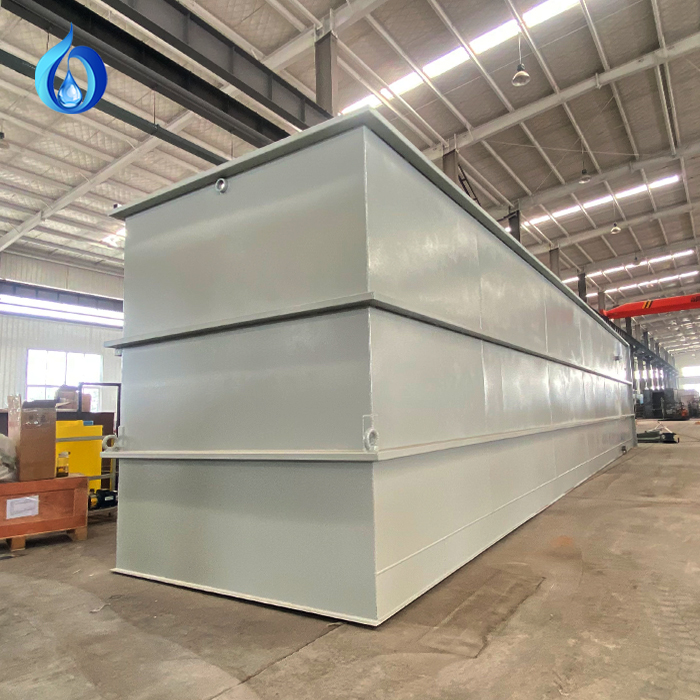
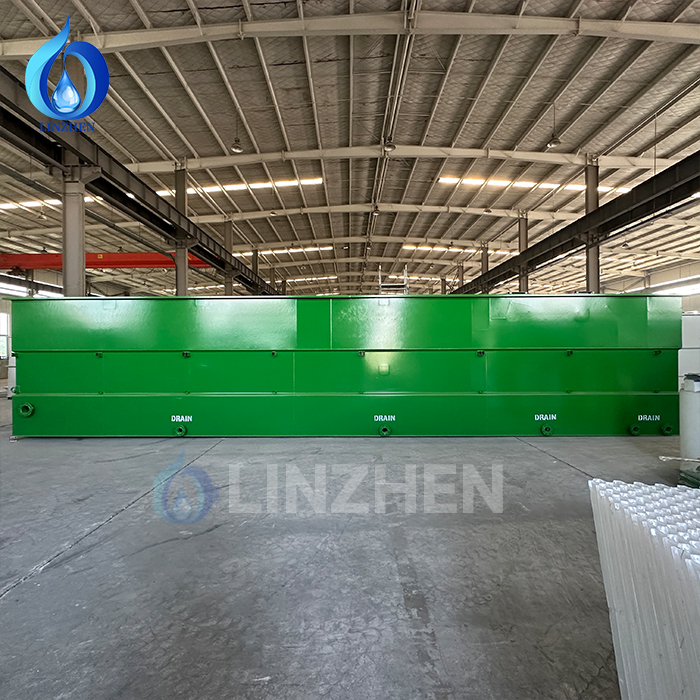
Urban planners and municipal leaders in densely populated cities face a persistent challenge: managing wastewater effectively while preserving valuable land for residential, commercial, and recreational development. Traditional above-ground sewage treatment plants demand substantial space, often requiring several acres of dedicated infrastructure. For cities struggling with limited available land, underground sewage treatment plants have emerged as a compelling alternative. This article examines whether underground sewage treatment plants truly represent a practical solution for land-constrained urban environments, analyzing their operational feasibility, cost-benefit profile, and suitability for modern city planning.
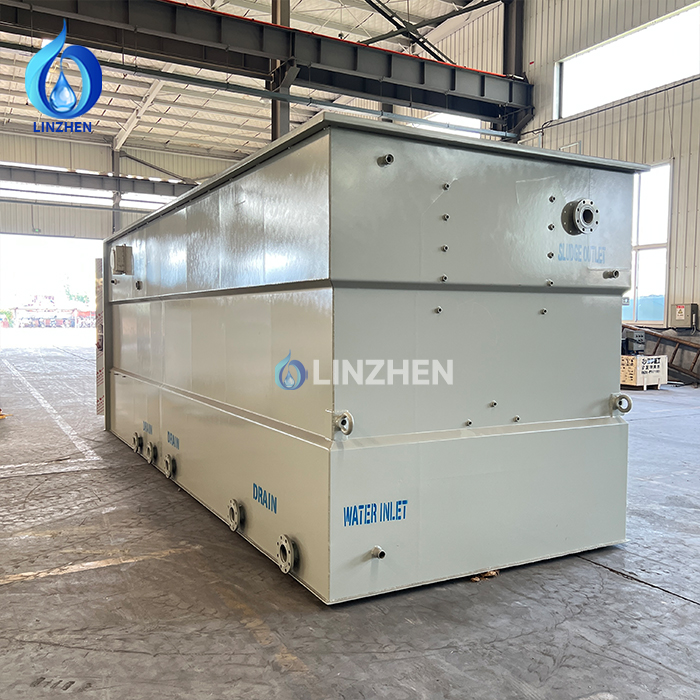
An underground sewage treatment plant operates on the same fundamental principles as conventional surface-level systems, but with a critical spatial advantage: it functions beneath ground level, freeing up the land surface above for other essential urban uses. Cities like Singapore, Tokyo, and several European municipalities have successfully deployed underground sewage treatment plants to tackle space constraints while maintaining treatment efficiency. Understanding the practical viability of this approach requires examining technical performance, financial implications, and real-world implementation scenarios across different urban contexts.
Space Efficiency and Urban Land Reclamation
Maximizing Limited Urban Land
The primary appeal of an underground sewage treatment plant lies in its footprint reduction. A conventional surface-based sewage treatment plant treating the same volume of wastewater typically occupies 2 to 4 times more land area than an underground alternative. For cities experiencing rapid population growth or facing strict zoning limitations, this land reclamation potential becomes transformative. An underground sewage treatment plant can be positioned beneath parks, parking facilities, or public squares, effectively creating dual-purpose infrastructure that serves both wastewater management and urban land utilization.
When a sewage treatment plant operates underground, municipalities reclaim surface real estate for schools, hospitals, housing, or green spaces. This approach has proven particularly valuable in Asian cities with extreme space constraints. The recovered land area can offset the higher capital investment required to build and maintain an underground sewage treatment plant, particularly when surface alternatives would force relocation of existing infrastructure or delay urban development projects. Cities implementing this model report that the strategic land value gained often justifies the premium construction cost of underground treatment systems.
Integration with Urban Infrastructure
An underground sewage treatment plant integrates more seamlessly with existing urban frameworks than surface installations. Traditional sewage treatment plants require buffer zones, setback requirements, and often trigger neighborhood complaints regarding odors and visual impact. Underground configurations eliminate these friction points. Architects and planners can design underground sewage treatment plant installations to align with subway systems, utility tunnels, or district infrastructure corridors, minimizing disruption and coordinating construction timelines. This integration capability makes underground sewage treatment plants especially attractive during major infrastructure renewal projects in established urban centers.
Technical Performance and Operational Considerations
Treatment Efficiency and System Reliability
Contrary to assumptions that depth compromises function, modern underground sewage treatment plants deliver comparable or superior treatment outcomes to surface alternatives. Advanced aeration technologies, automated monitoring systems, and compact treatment trains enable underground sewage treatment plants to achieve secondary and tertiary treatment standards. Many underground installations employ membrane bioreactors, sequencing batch reactors, or moving bed biofilm reactor technology, which actually benefit from the controlled underground environment. Temperature stability, reduced weather exposure, and minimized evaporation can enhance performance metrics for an underground sewage treatment plant.
The operational reliability of an underground sewage treatment plant depends heavily on robust design, quality construction, and preventive maintenance protocols. Structural integrity becomes critical when operating underground; poor waterproofing, corrosion, or settlement can compromise system functionality more severely than surface problems. However, when properly engineered, an underground sewage treatment plant experiences fewer external disruptions from weather events, flooding, or unauthorized access compared to above-ground competitors. Redundant pumping systems and emergency response infrastructure must be integrated into the design of every underground sewage treatment plant to manage contingencies effectively.
Maintenance Access and Inspection Challenges
Operating an underground sewage treatment plant introduces maintenance complexity not present in traditional surface systems. Access points, inspection hatches, and ventilation shafts must be carefully engineered to permit technician entry while minimizing space overhead requirements. An underground sewage treatment plant typically requires more frequent internal inspections to detect structural issues, corrosion, or mechanical failures before they escalate. Equipment replacement becomes logistically complex; removing and installing treatment components in confined underground spaces demands specialized lifting equipment, careful sequencing, and sometimes temporary service interruptions that surface plants can avoid. Operators must invest in comprehensive training programs specific to underground sewage treatment plant management.
Financial Viability and Long-Term Cost Analysis
Capital Investment and Construction Expenses
An underground sewage treatment plant typically requires 30 to 50 percent higher initial capital investment than a comparable surface facility. Excavation, deep foundation work, specialized concrete for underground structures, and enhanced structural design all contribute to this premium. However, this elevated upfront cost must be evaluated against land value savings. In high-value urban markets, the land that an underground sewage treatment plant preserves often exceeds the construction cost differential. A municipal authority evaluating an underground sewage treatment plant should commission detailed land value analysis alongside engineering cost estimates to determine true economic viability for their specific market context.
Financing an underground sewage treatment plant requires longer-term capital recovery perspectives than typical public works projects. Many municipalities structure underground sewage treatment plant financing through green bonds, environmental improvement districts, or mixed-revenue partnerships that distribute costs across multiple benefit categories. A properly financed underground sewage treatment plant can achieve positive financial returns within 15 to 25 years through avoided land acquisition costs, developer fee reductions for recovered surface property, and operational efficiency gains. Cities must model realistic user fee structures and growth scenarios to ensure that underground sewage treatment plant financing remains sustainable across economic cycles.
Operating and Lifecycle Costs
Annual operating expenses for an underground sewage treatment plant generally align with surface alternatives, though specific cost drivers differ. Energy consumption patterns remain comparable since treatment process demands are identical. However, specialized maintenance contractors, more frequent monitoring protocols, and accelerated component replacement schedules can raise per-unit operating costs by 10 to 20 percent for underground installations. Preventive maintenance becomes economically critical for an underground sewage treatment plant; allowing minor issues to develop into major structural problems compounds costs exponentially when repairs require significant excavation. Cities operating underground sewage treatment plants report that rigorous maintenance discipline delivers the best long-term cost performance.
FAQ
Are underground sewage treatment plants resistant to flooding and groundwater intrusion?
Modern underground sewage treatment plants are engineered with multiple protective layers including waterproof membranes, drainage systems, and backup pumping capacity. In flood-prone areas, designing an underground sewage treatment plant requires careful assessment of local water tables, seasonal groundwater fluctuations, and potential inundation scenarios. Properly designed systems with integrated dewatering and backflow prevention mechanisms can maintain full operational capacity even during severe flood events, offering superior protection compared to surface plants. However, siting an underground sewage treatment plant in extremely high water table environments demands enhanced engineering and increased costs.
What treatment capacity can underground sewage treatment plants accommodate?
Underground sewage treatment plants have been successfully implemented for communities ranging from 5,000 to over 500,000 residents, treating volumes from 0.5 million gallons daily up to 50 million gallons daily or higher. Capacity depends on vertical available depth, horizontal excavation feasibility, and site geology. Most underground sewage treatment plants operate optimally for mid-range municipal applications where surface alternatives prove prohibitively expensive. For very large municipal systems exceeding 100 million gallons daily, a hybrid approach pairing underground treatment for core processes with above-ground specialized units often provides the best balance between space, performance, and economics.
How long do underground sewage treatment plants remain operational before major rehabilitation?
With proper maintenance, an underground sewage treatment plant typically functions for 30 to 50 years before major rehabilitation becomes necessary. Structural concrete quality, waterproofing durability, and equipment replacement cycles determine actual lifespan. Many municipalities plan for comprehensive inspection and selective equipment upgrades every 10 to 15 years of underground sewage treatment plant operation. The controlled underground environment often extends structural component lifespan compared to surface installations, though corrosion in wastewater environments remains a concern. Detailed as-built documentation and preventive maintenance records are essential for maximizing the operational life of underground sewage treatment plants.
 EN
EN