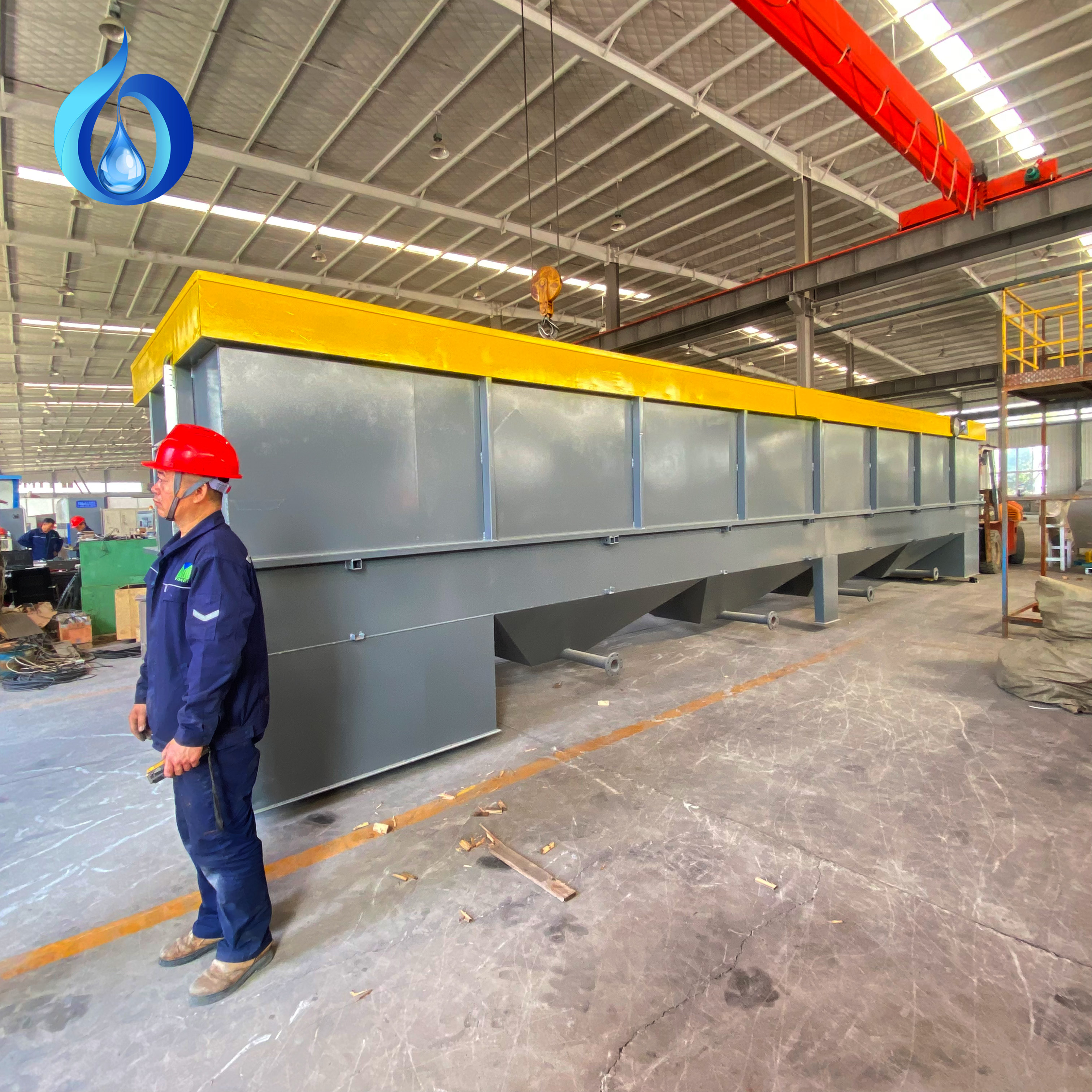
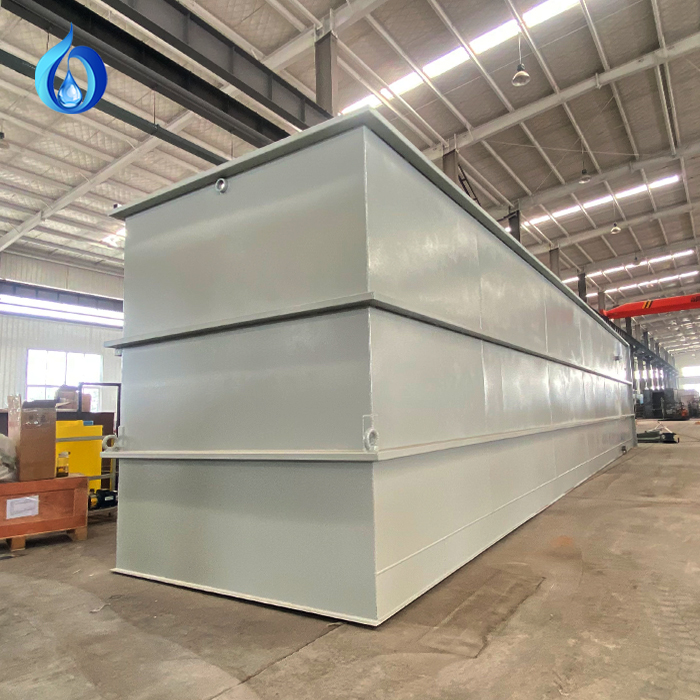
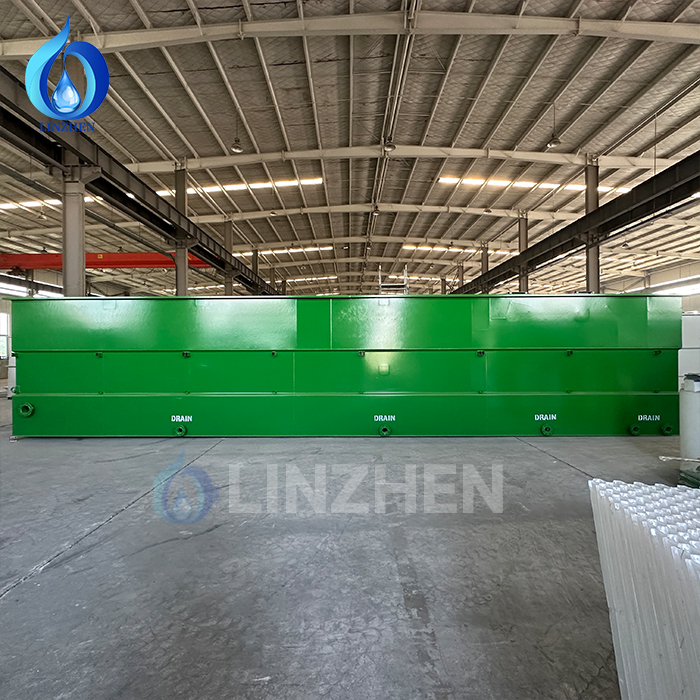
Operating hospitality venues in alpine regions involves overcoming sub-zero temperatures, intense seasonal guest surges, and severe geographic isolation. Establishing reliable onsite domestic wastewater treatment is critical for mountain facilities lacking connection to municipal sewer grids. Commercial operators must ensure their domestic wastewater treatment infrastructure can withstand freezing conditions while consistently removing pollutants. Modern packaged domestic wastewater treatment equipment provides the structural resilience and operational flexibility necessary to keep high-altitude resort properties compliant and fully functional year-round.
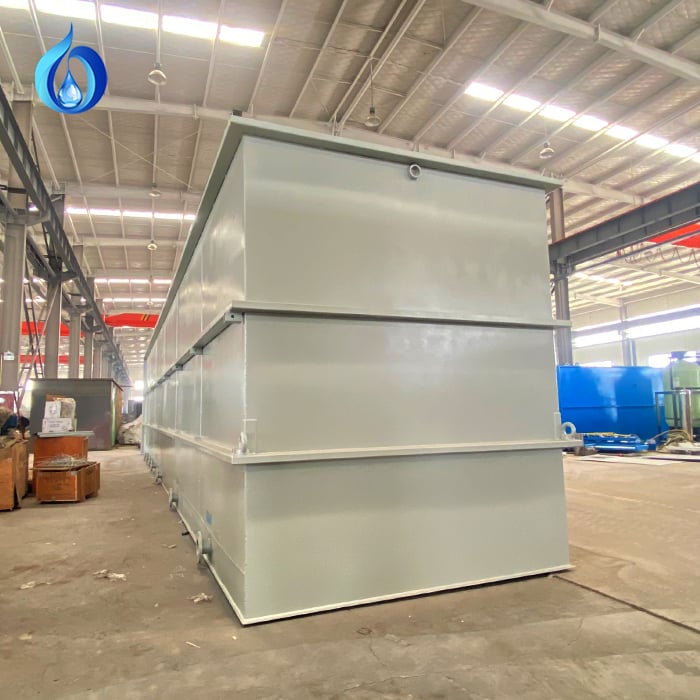
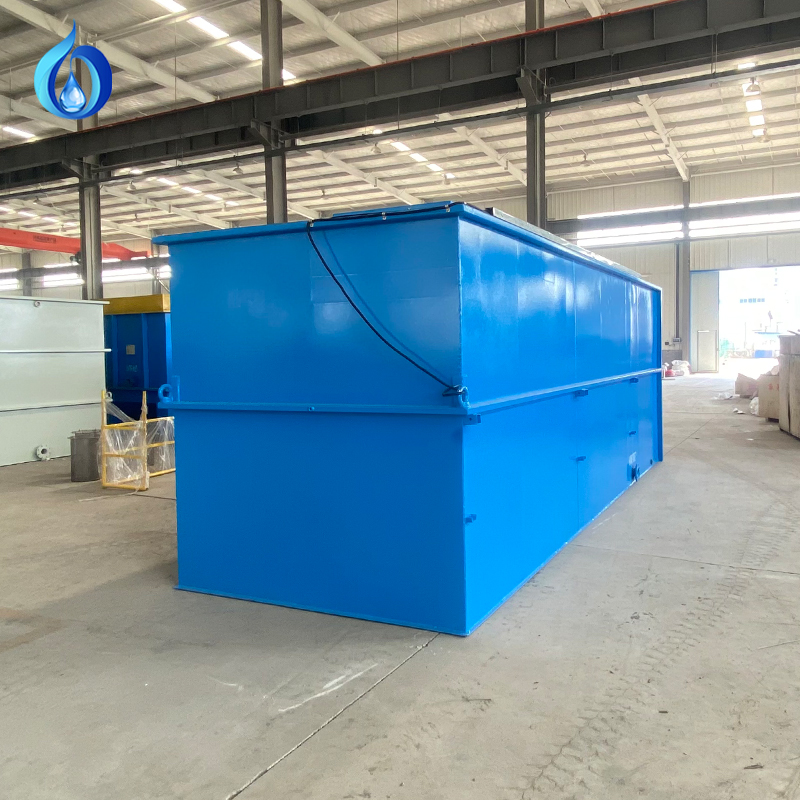
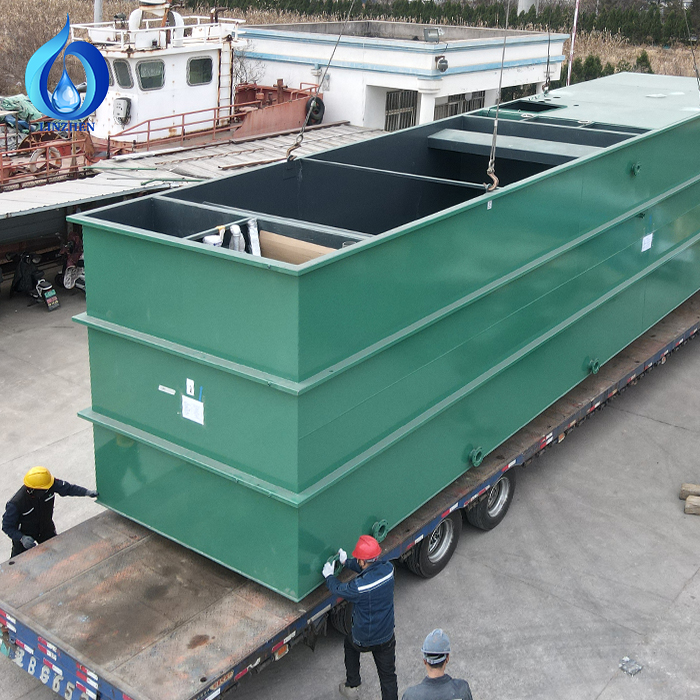
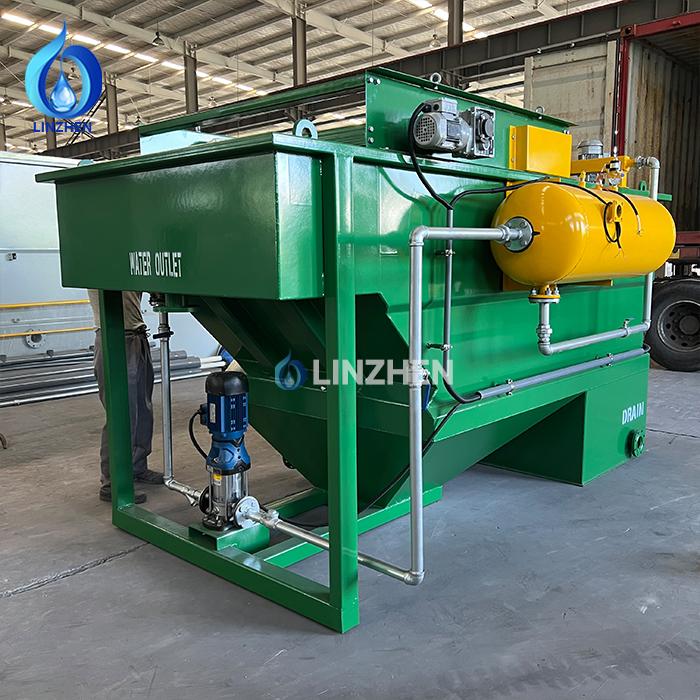
Recent advancements in packaged domestic wastewater treatment technology have transformed decentralized sanitation in extreme environments. Integrated treatment modules merge mechanical clarification, biological digestion, and tertiary filtration into compact, weather-sealed enclosures. Rather than relying on large open basins that freeze during winter, a modular domestic wastewater treatment plant uses insulated containment and active thermal controls. Utilizing advanced domestic wastewater treatment allows mountain resorts to process high organic loads efficiently while preserving sensitive alpine watersheds.
Engineering Packaged Domestic Wastewater Treatment for Sub-Zero Climates
Cold Weather Resistance in Domestic Wastewater Treatment Systems
Maintaining biological activity in sub-zero temperatures requires engineered thermal protection within the domestic wastewater treatment vessel. Microorganisms responsible for organic degradation slow their metabolic rates when water temperatures drop. Premium domestic wastewater treatment designs utilize heavy-duty fiberglass reinforced polymers, closed-cell insulation, and heat recovery exchangers to keep reactor temperatures stable. A well-engineered domestic wastewater treatment system maintains liquid temperatures between 15°C and 22°C even when outside ambient temperatures plunge far below freezing.
Structural durability is equally vital for high-altitude domestic wastewater treatment installations. Mountain soils undergo intense freeze-thaw expansion, placing immense physical stress on buried tanks and piping. Reinforced domestic wastewater treatment housings prevent structural cracking, groundwater infiltration, and seal failures. By selecting rugged domestic wastewater treatment hardware, resort managers protect their capital investments against premature degradation caused by snow compaction and soil shift.
Managing Seasonal Occupancy Spikes in Domestic Wastewater Treatment Units
Resort facilities experience extreme hydraulic and organic loading variations throughout the year, switching rapidly from low offseason usage to peak winter capacity. A standard domestic wastewater treatment plant often fails under rapid load fluctuations, resulting in biomass washouts or untreated discharge. Advanced packaged domestic wastewater treatment equipment utilizes equalization chambers and variable-rate aeration to buffer hydraulic spikes. This ensures the domestic wastewater treatment process maintains optimal food-to-microorganism ratios regardless of daily guest counts.
Automated process control further enhances domestic wastewater treatment stability during peak holidays. Smart sensors continuously evaluate dissolved oxygen, pH, and influent flow rates within the domestic wastewater treatment tank, automatically adjusting blower speeds and chemical feeds. This automated response prevents domestic wastewater treatment failure when hundreds of guests arrive simultaneously, ensuring uninterrupted operational compliance.
Regulatory Compliance and Long-Term Operations
Environmental Protection via Advanced Domestic Wastewater Treatment
Alpine ecosystems are highly vulnerable to nutrient pollution, requiring strict discharge quality standards for all domestic wastewater treatment operations. Effluent released near pristine streams or drinking watersheds must meet rigorous limits for biochemical oxygen demand, total suspended solids, nitrogen, and phosphorus. Modern packaged domestic wastewater treatment units incorporate membrane bioreactors and ultraviolet disinfection stages to produce ultra-clean effluent. Deploying advanced domestic wastewater treatment protects surrounding environments while satisfying strict environmental authority mandates.
Continuous monitoring technology integrated into modern domestic wastewater treatment equipment provides real-time visibility over discharge quality. Telemetry systems transmit performance metrics directly to facility operators, permitting rapid intervention if operational parameters drift. This level of oversight makes packaged domestic wastewater treatment a dependable solution for remote venues operating under strict regulatory scrutiny.
Maintenance and Lifecycle Value of Domestic Wastewater Treatment Assets
Long-term reliability of decentralized domestic wastewater treatment assets relies on structured preventive maintenance schedules. The offseason period provides an ideal window for technicians to inspect pumps, replace air diffusers, and perform routine sludge removal on the domestic wastewater treatment unit. Performing preventive service ensures the domestic wastewater treatment system enters the winter peak season in optimal operating condition.
Investing in high-quality domestic wastewater treatment hardware yields exceptional financial return over a 20-year service life. Factory-assembled packaged domestic wastewater treatment modules reduce site civil works, lower installation expenses, and minimize daily labor requirements. For remote hospitality businesses, dependable domestic wastewater treatment eliminates expensive emergency haulage fees, protects brand reputation, and guarantees continuous business operations.
FAQ
Can a packaged domestic wastewater treatment system withstand freezing temperatures?
Yes, custom-engineered packaged domestic wastewater treatment systems utilize insulated tank walls, heat-tracing cables, and heat recovery systems to maintain internal water temperatures, enabling efficient biological domestic wastewater treatment even in extreme winter conditions.
How does a domestic wastewater treatment system adjust to fluctuating guest numbers?
Packaged domestic wastewater treatment plants incorporate equalization tanks and automated blowers that dynamically match aeration levels to incoming organic loads, ensuring consistent domestic wastewater treatment during both low offseason periods and peak guest surges.
What is the expected lifespan of a packaged domestic wastewater treatment unit?
With proper maintenance, corrosion-resistant materials, and routine servicing, a high-quality packaged domestic wastewater treatment plant typically delivers a reliable service life of 15 to 25 years in harsh alpine environments.
 EN
EN