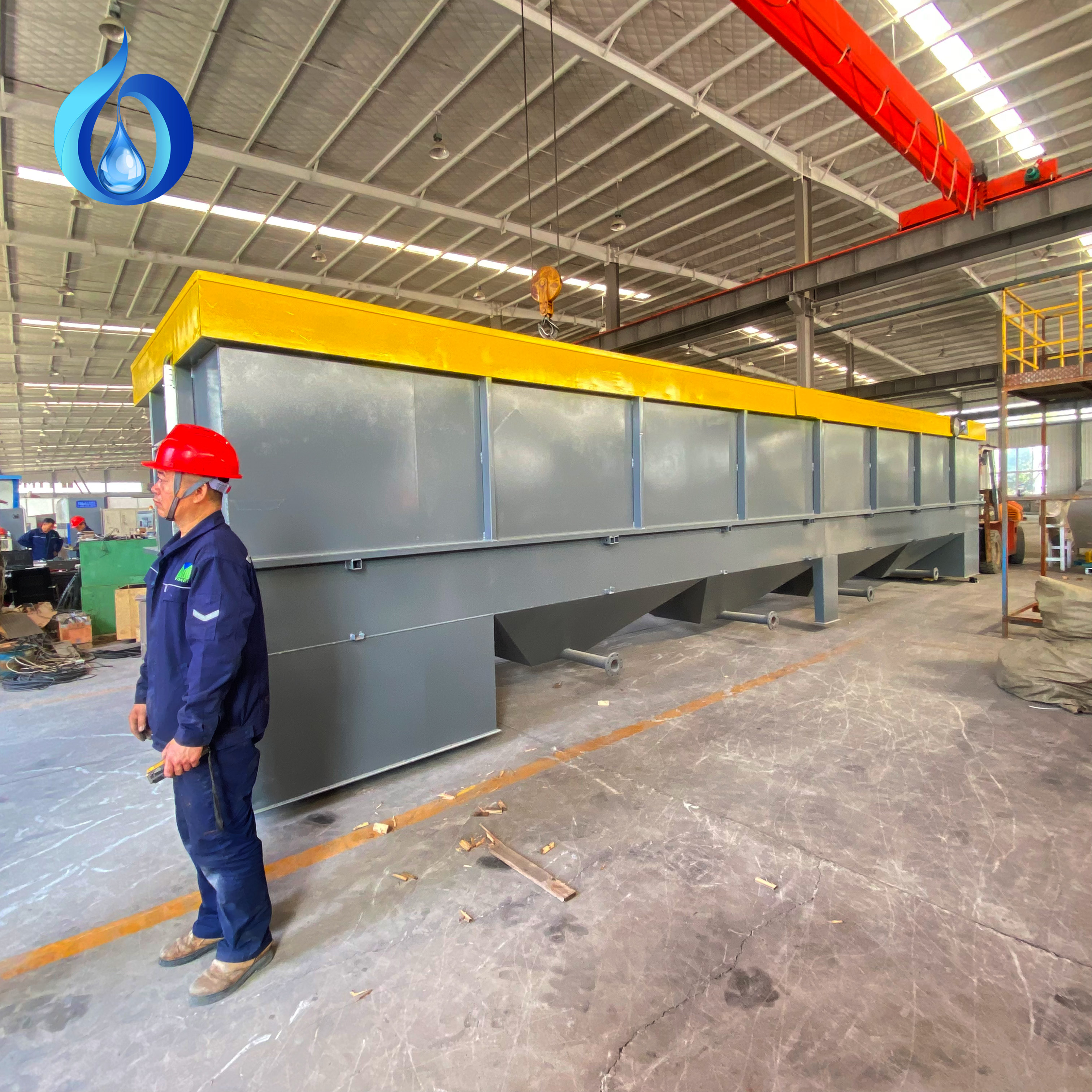
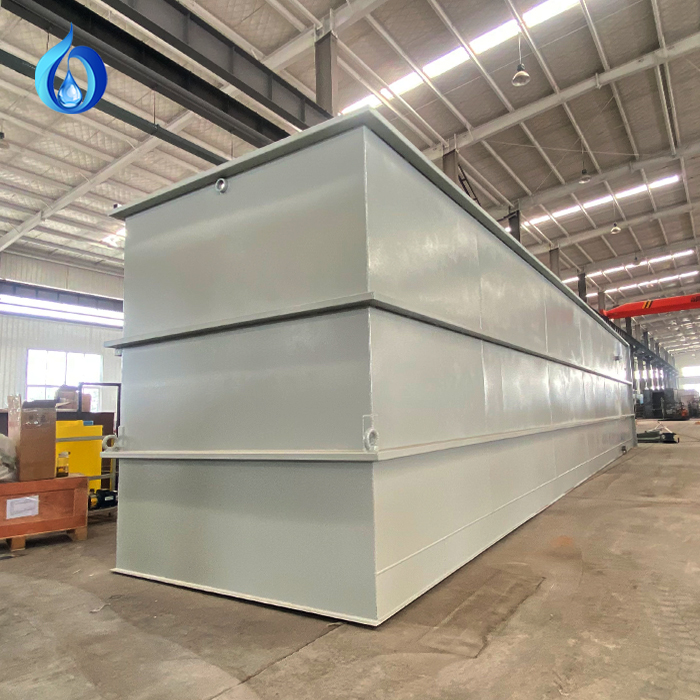
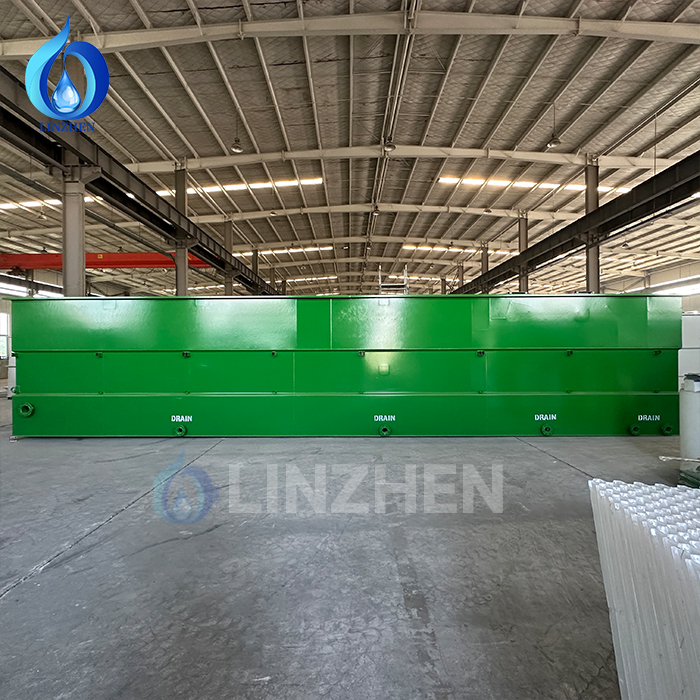
Selecting the right membrane technology is fundamental to effective MBR wastewater treatment system design and operational success. The choice between hollow-fibre membranes and flat-sheet membranes directly influences treatment efficiency, maintenance requirements, capital investment, and long-term operational costs within any MBR wastewater treatment project. Both technologies serve the core function of separating solids and suspended particles from treated wastewater, yet they differ significantly in their structural design, performance characteristics, and suitability for different industrial and municipal MBR wastewater treatment applications.
Understanding the advantages and limitations of each membrane type enables facility operators and engineers to make evidence-based decisions that align with their specific MBR wastewater treatment goals, budget constraints, and operational capacity. This guide examines the critical differences between hollow-fibre membranes and flat-sheet membranes in the context of MBR wastewater treatment, helping you determine which configuration best matches your facility's requirements.
Membrane Technology Overview and Design Differences
Hollow-Fibre Membrane Construction
Hollow-fibre membranes consist of thousands of thin, tube-shaped fibres packed densely within a single module. Each fibre is typically 0.5 to 1.5 millimetres in diameter, with a hollow interior channel through which wastewater flows. In MBR wastewater treatment applications, hollow-fibre membranes are often submerged directly into the bioreactor tank, allowing treated effluent to permeate through the fibre walls into the hollow core. This design creates an extremely high membrane surface area per unit volume, often exceeding 300 square metres per cubic metre of module space, making hollow-fibre membranes highly compact and space-efficient for any MBR wastewater treatment facility.
Flat-Sheet Membrane Architecture
Flat-sheet membranes feature thin rectangular sheets stacked vertically or at angles within modular frames. Each sheet typically measures 1 to 3 square metres, and multiple sheets are arranged in a cassette-like configuration to create the complete filtration module. In MBR wastewater treatment systems, flat-sheet membranes are also commonly submerged in the treatment tank, with wastewater flowing across the membrane surface and permeate collecting in internal channels. Flat-sheet membranes generally provide lower packing density than hollow-fibre membranes, typically ranging from 150 to 250 square metres per cubic metre, but offer other operational advantages that justify their use in many MBR wastewater treatment installations.
Performance and Operational Characteristics
Flux Rates and Treatment Capacity
Hollow-fibre membranes in MBR wastewater treatment typically operate at flux rates between 8 and 15 litres per square metre per hour, depending on influent characteristics and operating pressure. The dense packing and high surface area of hollow-fibre membranes enable strong treatment capacity relative to footprint, making them an excellent choice for MBR wastewater treatment facilities facing space constraints. Flat-sheet membranes generally achieve slightly lower flux rates, typically 5 to 12 litres per square metre per hour, yet their gentler hydrodynamic profile and lower fouling propensity can lead to extended operational intervals and reduced cleaning frequency in an MBR wastewater treatment setup.
Fouling and Cleaning Requirements
Fouling, the accumulation of solids and biological material on the membrane surface, remains a primary operational challenge in all MBR wastewater treatment systems. Hollow-fibre membranes exhibit a higher tendency to internal and external fouling because of their dense fibre packing, which can trap particles and require more frequent chemical or physical cleaning interventions. Conversely, flat-sheet membranes typically foul more slowly and uniformly, enabling longer operational windows between intensive cleaning cycles. In MBR wastewater treatment, this difference translates to maintenance labour, chemical consumption, and potential downtime variation across different MBR wastewater treatment architectures.
Economic and Installation Considerations
Capital and Equipment Costs
Hollow-fibre membranes generally carry lower initial capital costs per cubic metre of treatment capacity due to their high packing density and established manufacturing scale. For large-scale MBR wastewater treatment installations serving municipal utilities or major industrial operators, this cost advantage can represent significant savings. Meanwhile, flat-sheet membranes typically require higher upfront investment per unit membrane area, yet installation and integration costs may be lower because of simpler mechanical handling. When evaluating total installed cost for your MBR wastewater treatment system, consider not only module price but also structural support and labour requirements specific to each hollow-fibre membranes or flat-sheet membranes technology choice.
Installation and Replacement Logistics
Hollow-fibre membranes, once submerged, occupy fixed positions within the bioreactor and typically require tank drainage for replacement or major maintenance. This creates operational downtime and logistical complexity for MBR wastewater treatment facilities seeking to maintain continuous treatment. In contrast, flat-sheet membranes cassettes can often be removed and replaced individually without full system shutdown, enabling phased maintenance strategies that preserve treatment continuity within an MBR wastewater treatment plant.
Suitability for Different Treatment Scenarios
Municipal Wastewater Applications
Municipal water utilities managing MBR wastewater treatment systems typically prioritise reliable, low-maintenance operation serving stable, predictable feedstock. Flat-sheet membranes often excel in these municipal MBR wastewater treatment environments because of their extended run-times between cleaning cycles and straightforward cassette replacement procedures. However, newer municipal MBR wastewater treatment installations with severe space constraints sometimes select hollow-fibre membranes to reduce the overall facility footprint.
Industrial and Specialty Feedstock Treatment
Industrial MBR wastewater treatment applications often encounter more variable, challenging feedstock containing oils, emulsions, or suspended solids. Hollow-fibre membranes provide rapid treatment throughput and the ability to add or isolate modules as production demands fluctuate. Some industrial operators favour hollow-fibre membranes for handling shock loads, while other industrial sites with consistent feedstock achieve excellent results using flat-sheet membranes in their customized MBR wastewater treatment configurations.
FAQ
Which membrane type is better for small-capacity MBR wastewater treatment systems?
For small-scale MBR wastewater treatment installations, flat-sheet membranes often provide better value and operational ease due to manageable individual module sizes. While hollow-fibre membranes offer higher area density, their dense configuration complexity may outweigh space-saving benefits in small MBR wastewater treatment systems.
Can hollow-fibre and flat-sheet membranes be combined in a single MBR wastewater treatment system?
Yes, some advanced MBR wastewater treatment facilities operate hybrid configurations featuring both hollow-fibre membranes and flat-sheet membranes in separate treatment trains. However, such hybrid MBR wastewater treatment setups increase control complexity and training requirements.
How does membrane selection impact the long-term cost of MBR wastewater treatment operation?
Long-term costs for MBR wastewater treatment depend on capital investment, cleaning frequency, and chemical consumption. Hollow-fibre membranes typically lower costs in high-volume applications, whereas flat-sheet membranes often deliver superior lifecycle value in operations prioritising extended maintenance intervals within a standard MBR wastewater treatment program.
 EN
EN